
How to optimize gypsum processing with grinding mill for food additive in usa
How to Optimize Gypsum Processing with Grinding Mill for Food Additive in USA
The production of food-grade gypsum powder in the United States is a process that demands precision, consistency, and strict adherence to regulatory standards. As a key additive in products like tofu, baked goods, and dietary supplements, the purity, whiteness, and fineness of the gypsum are non-negotiable. Traditional grinding methods often fall short, struggling with contamination, inconsistent particle size, and high operational costs. This article explores strategic approaches to optimize your gypsum processing line, focusing on technological advancements that deliver superior product quality while boosting efficiency and sustainability.
The Critical Demands of Food-Grade Gypsum Milling
Food additive applications require gypsum (calcium sulfate) to meet stringent FDA and FCC (Food Chemicals Codex) guidelines. The primary challenges in processing include:
- Purity & Low Iron Content: Any metallic contamination from mechanical wear can affect product whiteness and safety.
- Precise Fineness Control: Consistent particle size (often between 325 to 1500 meshes) is crucial for functionality and solubility.
- Hygiene & Containment: A completely sealed, dust-free operation is mandatory to prevent cross-contamination.
- Energy Efficiency: Reducing power consumption is vital for cost-competitiveness and environmental stewardship.
Core Optimization Strategies for Modern Processing
Moving beyond conventional ball mills or basic Raymond mills is essential. Optimization hinges on integrating mills designed for ultra-fine processing with intelligent system design.
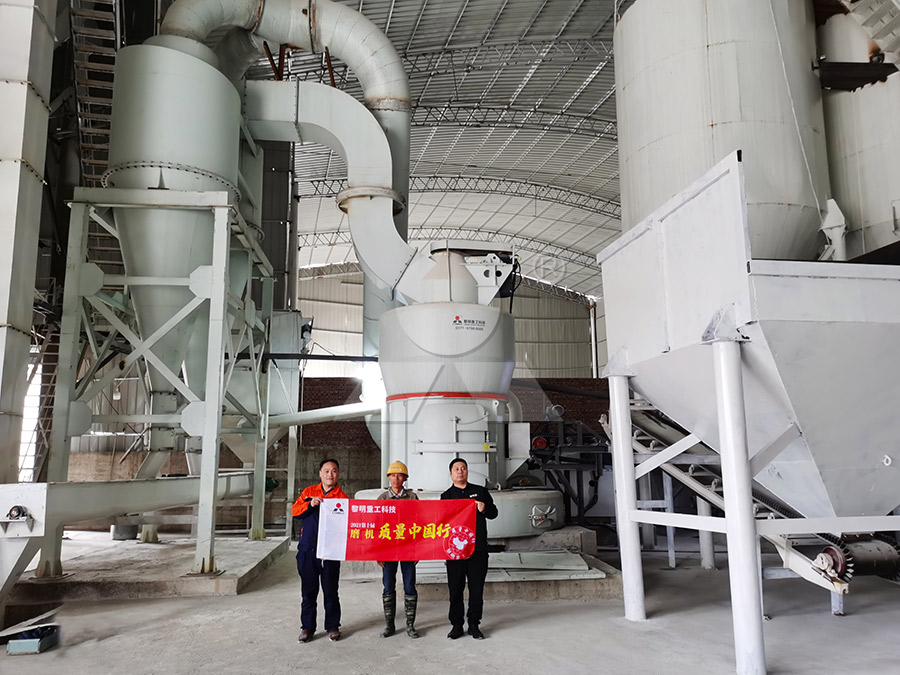
1. Embrace Vertical Grinding Technology: Modern vertical roller mills (VRMs) integrate drying, grinding, classifying, and conveying. This compact design minimizes floor space and reduces intermediate handling, lowering the risk of contamination. The material’s short residence time in the grinding zone prevents over-grinding and reduces heat generation, which is beneficial for product quality.
2. Prioritize Closed-Loop, Dust-Free Systems: The entire milling circuit, from feed to product collection, must operate under negative pressure. Integration with high-efficiency pulse jet dust collectors and sound-dampening technology ensures a clean, quiet, and compliant working environment, a critical factor for USDA or similar facility audits.
3. Implement Advanced Particle Classification: The key to precise fineness lies in the powder separator. Multi-head cage-type or rotor-type selectors, controlled by PLC systems, allow for real-time, accurate cuts in particle size distribution. This ensures the final product has a narrow, consistent range without excessive recirculation of fines.

Technology Spotlight: The MW Ultrafine Grinding Mill for Premium Quality
For processors targeting the high-end food additive market where ultra-fine powder (up to 2500 mesh) and exceptional purity are required, specialized equipment is the answer. The MW Ultrafine Grinding Mill is engineered to meet these exacting demands.
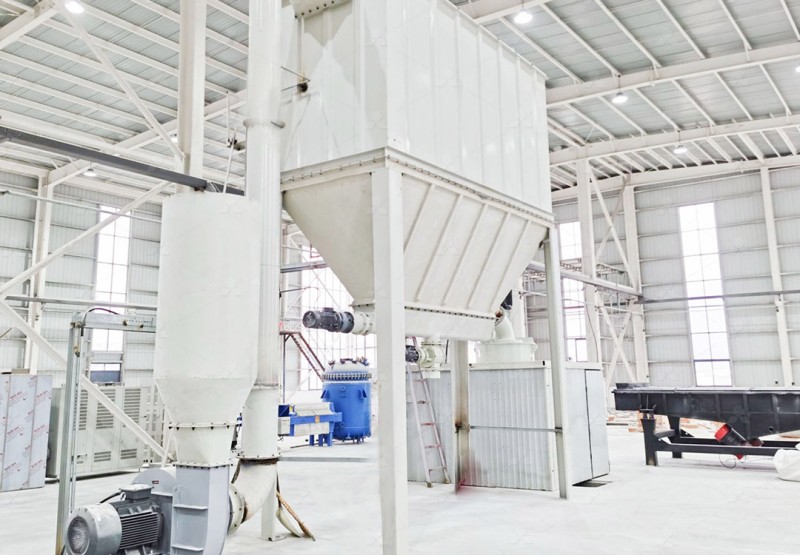
This mill is specifically designed for producing ultra-fine powders from non-metallic minerals like gypsum. Its standout feature for food processing is the absence of rolling bearings and screws within the grinding chamber. This revolutionary design eliminates a primary source of potential lubricant contamination and mechanical failure, directly addressing purity concerns. Furthermore, the mill is equipped with an efficient pulse dust collector and muffler, guaranteeing a dust- and noise-minimized operation that aligns with strict environmental and workplace standards.
From a performance perspective, the MW Series enhances grinding efficiency through newly designed grinding curves. It offers higher yield with lower energy consumption—reportedly 40% higher output than some jet mills while using only 30% of the energy. Its German-technology-derived cage-type powder selector provides adjustable fineness between 325-2500 meshes with high precision (d97≤5μm). With an input size of 0-20 mm and a capacity range of 0.5-25 tph, it offers flexibility for various production scales common in U.S. specialty chemical and food additive plants.
System Integration and Best Practices
Optimization extends beyond the mill itself. Consider these integration points:
- Pre-Drying: Ensure feed gypsum has consistent, low moisture content for optimal grinding efficiency.
- Feeding Automation: Use precise vibratory or screw feeders for a steady, controlled feed rate to the mill.
- Product Handling: Convey final powder using enclosed systems like air slides or vacuum conveyors to maintain purity.
- Preventive Maintenance: Leverage mills designed for easy access. For instance, the LUM Ultrafine Vertical Grinding Mill features a reversible structure that allows grinding rollers to be easily swung out for inspection or liner replacement, minimizing downtime—a valuable feature for maintaining continuous production schedules.
Conclusion: Investing in Precision for Market Leadership
Optimizing gypsum processing for food additives is not merely an operational upgrade; it’s a strategic investment in product integrity and market credibility. By adopting advanced grinding solutions like the MW Ultrafine Grinding Mill, U.S. producers can achieve unparalleled control over product fineness and purity, significantly reduce energy and maintenance costs, and operate within a fully enclosed, environmentally sound system. In a competitive and regulated industry, this technological edge translates directly into consistent quality, enhanced safety, and stronger customer trust.
Frequently Asked Questions (FAQs)
- What is the typical fineness range required for gypsum in food applications?
Most food-grade gypsum applications require a fineness between 150 to 400 mesh for general use, but high-end applications like certain supplements or specialty foods may demand ultra-fine powder up to 1500 mesh or higher for rapid dissolution and smooth texture. - How important is iron content in food-grade gypsum, and how can it be controlled?
Extremely important. High iron content affects whiteness and can catalyze oxidation in food products. It is controlled by using wear-resistant, non-contaminating grinding components (like ceramic or special alloys) and mills designed to minimize metal-to-metal contact in the grinding zone. - Can the same mill process both natural gypsum and synthetic gypsum (FGD gypsum)?
Yes, advanced mills like vertical roller or ultra-fine grinding mills can handle both. However, moisture content and feed size may need adjustment. Synthetic gypsum often requires efficient in-mill drying, which is a key feature of integrated vertical mills. - What are the key advantages of a vertical mill over a traditional ball mill for this application?
Vertical mills offer significantly higher energy efficiency (30-50% less power), integrated drying, a smaller footprint, lower noise, and better control over particle size distribution and iron contamination due to shorter material residence time. - Is a completely dust-free operation achievable?
Yes. Modern grinding systems are designed as closed-loop circuits operating under negative pressure, paired with high-efficiency pulse jet baghouse filters. This configuration contains over 99.9% of particulate matter, ensuring a dust-free environment. - How does the MW Ultrafine Grinding Mill prevent lubricant contamination of the product?
Its key design feature is having no rolling bearings or screws inside the grinding chamber. The lubrication points for the main shaft are located externally, allowing for safe lubrication without risk of oil or grease entering the product stream. - What kind of after-sales support is crucial for a grinding mill in food production?
Access to genuine, high-wear spare parts (like grinding rolls and rings), remote technical support, and on-site service for maintenance are critical to ensure uninterrupted, hygienic production and consistent product quality.