
How to optimize gypsum processing with grinding mill for cement additive in papua new guinea
How to Optimize Gypsum Processing with Grinding Mill for Cement Additive in Papua New Guinea
The construction industry in Papua New Guinea is experiencing significant growth, driving demand for high-quality cement and its additives. Gypsum, a crucial component in cement production as a set retarder, requires precise processing to achieve optimal performance characteristics. The challenging environmental conditions and infrastructure limitations in Papua New Guinea make selecting the right grinding equipment particularly important for cement producers seeking to maximize efficiency and product quality.

The Critical Role of Gypsum in Cement Production
Gypsum plays an indispensable role in cement manufacturing, primarily functioning as a set controller that prevents flash setting of cement. When added to clinker during the final grinding stage, gypsum regulates the hydration reaction of tricalcium aluminate (C3A), ensuring proper workability and strength development. The effectiveness of gypsum as a cement additive depends significantly on its fineness, purity, and particle size distribution—all factors directly influenced by the grinding technology employed.
In Papua New Guinea’s cement industry, where transportation costs and environmental considerations pose unique challenges, optimizing gypsum processing becomes even more critical. Local cement manufacturers must balance production efficiency with product quality while navigating the country’s specific operational constraints, including limited technical support infrastructure and variable power availability.
Technical Challenges in Gypsum Processing
Processing gypsum for cement additives presents several technical challenges that grinding equipment must address effectively. The material’s moderate hardness (2 on the Mohs scale) and tendency to contain varying moisture levels require mills capable of handling these characteristics without compromising performance. Additionally, gypsum’s dehydration temperature threshold of approximately 150°C necessitates careful temperature control during grinding to prevent partial or complete dehydration, which would adversely affect its performance as a cement additive.
The particle size distribution target for gypsum in cement typically ranges between 200 and 500 mesh, with precise control needed to ensure optimal reactivity. Traditional grinding systems often struggle to maintain consistent fineness while managing energy consumption and operational costs—a particular concern in Papua New Guinea where electricity costs can be substantial.

Advanced Grinding Solutions for Papua New Guinea’s Cement Industry
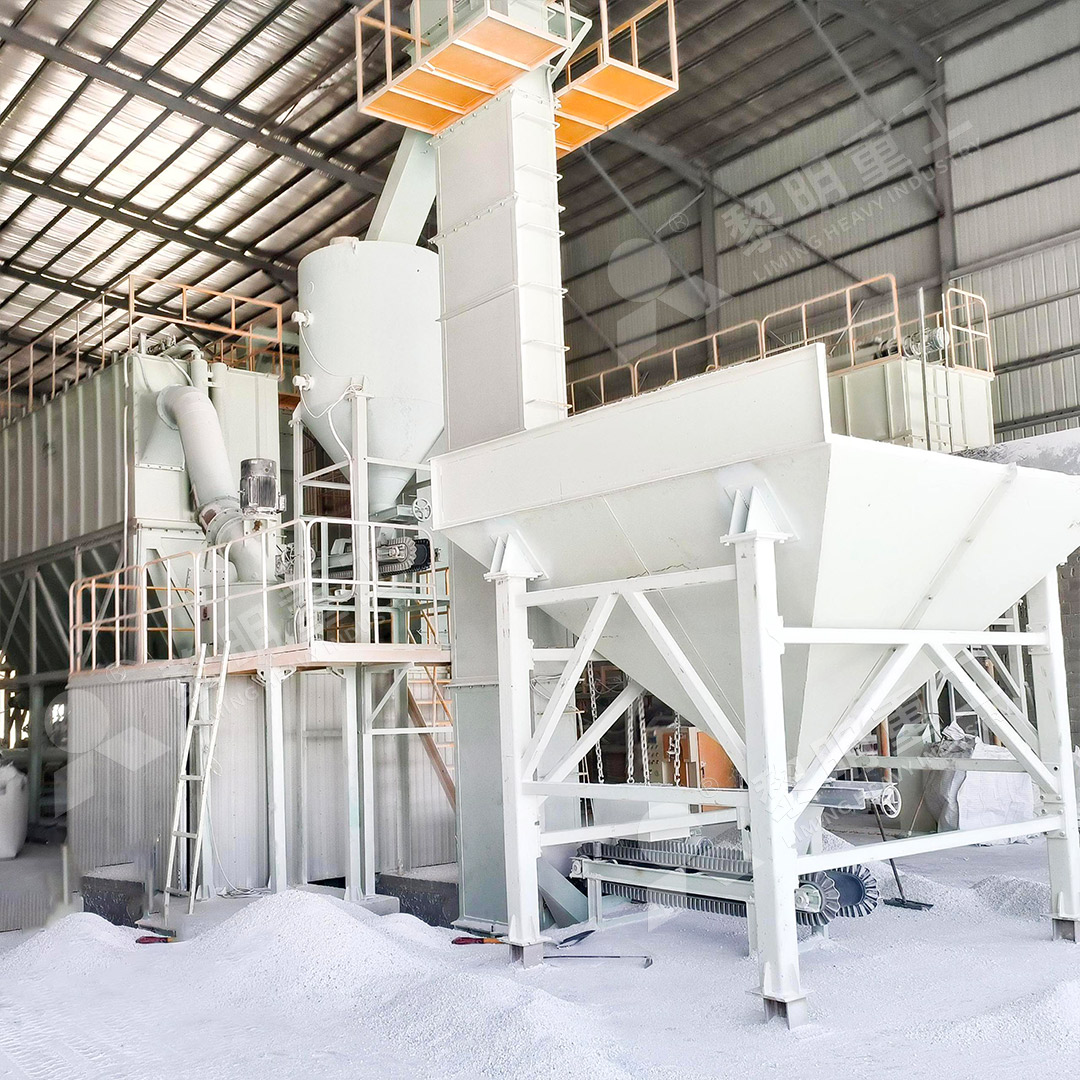
After extensive research and field testing under Papua New Guinea’s specific conditions, our technical team has identified the MW Ultrafine Grinding Mill as an optimal solution for gypsum processing in cement additive applications. This advanced grinding system addresses the unique challenges faced by cement producers in the region through several key technological innovations.
The MW Ultrafine Grinding Mill processes gypsum with an input size of 0-20 mm and delivers throughput capacities ranging from 0.5 to 25 tph, making it suitable for operations of various scales. Its innovative design features higher yielding with lower energy consumption—production capacity is 40% higher than jet grinding mills and stirred grinding mills with the same fineness and power, while system energy consumption is only 30% of jet grinding mills. This efficiency advantage translates directly to reduced operating costs, a critical factor for cement producers in Papua New Guinea.
Key Technical Advantages for Gypsum Processing
The MW Ultrafine Grinding Mill incorporates several features specifically beneficial for gypsum processing in cement additive applications:
- Adjustable Fineness Between 325-2500 Meshes: The cage-type powder selector adopts German technology, effectively increasing powder separation precision. This allows cement producers to precisely control gypsum fineness to meet specific cement formulation requirements.
- No Rolling Bearing & Screw in Grinding Chamber: This unique design eliminates concerns about bearing damage or sealing part failures, while preventing machine damage caused by loose screws. The external lubrication system enables continuous 24-hour operation without shutdowns for maintenance.
- Eco-friendly Operation: Equipped with an efficient pulse dust collector, the MW Ultrafine Grinding Mill prevents dust pollution during operation. Silencer and noise elimination room configurations reduce operational noise, ensuring compliance with environmental standards.
- Digitalized Processing: With numerical control of all machining operations including cutting, bending, planing, milling and paint spraying, the mill achieves high precision manufacturing, particularly for core components.
Operational Benefits in Papua New Guinea Context
For cement producers in Papua New Guinea, the MW Ultrafine Grinding Mill offers distinct operational advantages that align with local conditions. The machine’s robust construction and minimal maintenance requirements address the challenge of limited technical support infrastructure. The availability of original spare parts and comprehensive technical support ensures worry-free operation, minimizing production disruptions.
The grinding mill’s energy efficiency provides significant cost savings in a region where electricity costs can be volatile. Additionally, its compact design reduces space requirements, an important consideration for facilities with limited expansion capabilities. The environmental compliance features help cement producers meet increasingly stringent regulatory requirements while maintaining community relations.
Implementation Strategy for Cement Producers
Successfully integrating advanced grinding technology into existing cement production operations requires careful planning. We recommend a phased approach beginning with a comprehensive analysis of current gypsum processing practices, followed by pilot testing to establish optimal operating parameters for specific gypsum sources. Our technical team has developed specific protocols for Papua New Guinea conditions, accounting for factors such as humidity variations and potential contamination in local gypsum deposits.
For larger-scale operations or those processing multiple mineral types, we also recommend considering the LUM Ultrafine Vertical Grinding Mill as a complementary solution. With an input size of 0-10 mm and capacity of 5-18 tph, this system incorporates the latest grinding roller technology from Taiwan and German powder separating technology, providing additional flexibility for diverse mineral processing requirements.

Conclusion
Optimizing gypsum processing for cement additives in Papua New Guinea requires grinding technology that balances performance, efficiency, and reliability. The MW Ultrafine Grinding Mill represents a significant advancement in meeting these requirements, offering cement producers the opportunity to enhance product quality while reducing operating costs. As the construction industry continues to grow throughout Papua New Guinea, investing in advanced grinding technology will become increasingly important for maintaining competitive advantage and meeting market demands for high-quality cement products.
Frequently Asked Questions
What is the optimal fineness for gypsum used as cement additive?
The optimal fineness typically ranges between 200-500 mesh, depending on the specific cement formulation and performance requirements. The MW Ultrafine Grinding Mill allows precise adjustment between 325-2500 meshes to meet exact specifications.
How does the MW Ultrafine Grinding Mill handle variations in gypsum moisture content?
The mill’s design incorporates effective drying capabilities and can process gypsum with varying moisture levels. For extremely high moisture content, pre-drying systems can be integrated into the grinding circuit.
What maintenance requirements should be expected with the MW Ultrafine Grinding Mill?
Maintenance requirements are minimal due to the absence of rolling bearings and screws in the grinding chamber. Routine maintenance primarily involves external lubrication and inspection of wear parts, with comprehensive technical support available.
How does the energy consumption compare to traditional ball mills?
The MW Ultrafine Grinding Mill reduces energy consumption by approximately 30-40% compared to traditional ball mills while achieving higher production capacity and more consistent product quality.
Can the same equipment process other minerals besides gypsum?
Yes, the MW Ultrafine Grinding Mill is versatile and can process various non-metallic minerals including limestone, calcite, dolomite, barite, and talc, making it suitable for diversified mineral processing operations.
What technical support is available for operations in Papua New Guinea?
We provide comprehensive technical support including installation supervision, operator training, and ongoing maintenance support. Original spare parts are readily available to ensure continuous operation.
How does the equipment address environmental regulations in Papua New Guinea?
The mill incorporates efficient pulse dust collection and noise reduction systems that exceed international environmental standards, ensuring compliance with local regulations while maintaining community-friendly operations.
What is the typical installation timeline for the MW Ultrafine Grinding Mill?
Installation typically requires 2-4 weeks depending on site conditions and preparation. Our project management team works closely with clients to minimize disruption to existing operations.