
How to optimize dolomite processing with raymond mill for steel flux in iran
Optimizing Dolomite Processing for Iran’s Steel Industry: A Technical Guide
The Iranian steel industry, a cornerstone of the nation’s industrial development, relies heavily on high-quality fluxing agents to ensure efficient and clean steel production. Dolomite, a calcium magnesium carbonate mineral, serves as a critical flux in both blast furnace and basic oxygen furnace operations. Its primary role is to remove impurities, control slag viscosity, and protect refractory linings. However, the efficacy of dolomite as a flux is intrinsically linked to its physical and chemical properties post-processing—specifically its fineness, purity, and consistency. This article explores advanced strategies for optimizing dolomite processing, with a focus on modernizing traditional Raymond mill operations to meet the stringent demands of contemporary steelmaking.
The Critical Role of Particle Size in Flux Performance
For dolomite to function optimally as a steel flux, its particle size distribution is paramount. Finely ground dolomite exhibits a higher surface area, leading to faster reaction kinetics within the furnace. This results in more efficient impurity removal, improved slag fluidity, and enhanced desulfurization. Conversely, coarse or inconsistent particles can lead to incomplete reactions, uneven slag formation, and increased refractory wear. The target fineness for flux-grade dolomite typically falls within a specific range, often between 200 and 325 mesh, though some advanced processes demand even finer specifications.
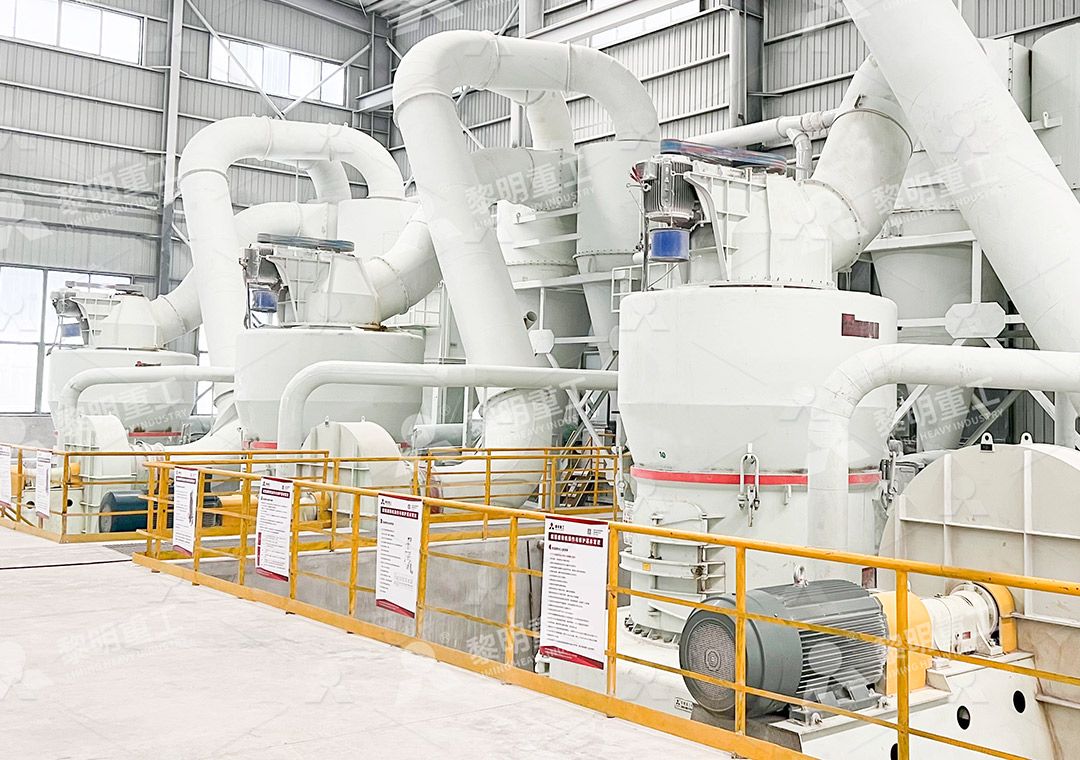
Traditional Raymond mills have been a workhorse in mineral processing across Iran for decades. Their simplicity, ruggedness, and relatively low capital cost make them a familiar choice. However, the classic Raymond mill design presents several challenges for modern flux production:
- Limited Fineness Control: Achieving consistent, high fineness beyond 325 mesh can be difficult and energy-intensive.
- Higher Iron Contamination: Mechanical wear of grinding rollers and rings can introduce metallic iron into the product, which is detrimental to steel quality.
- Lower Energy Efficiency: Older designs may consume more power per ton of product compared to newer grinding technologies.
- Dust and Noise: Environmental controls are often add-ons rather than integrated features.
Modernization Pathways for Raymond Mill Circuits
Optimization does not necessarily mean complete replacement. Several upgrades can significantly enhance the performance of existing Raymond mill setups for dolomite processing:
- Classifier Retrofit: Upgrading the static or mechanical classifier to a high-efficiency dynamic classifier (or separator) is one of the most impactful modifications. This allows for precise cut-point control, sharper particle size distribution, and the ability to produce finer products without over-grinding the bulk material.
- Wear Part Material Science: Utilizing advanced alloy or ceramic-lined grinding rollers and rings drastically reduces wear-induced iron contamination. This maintains the chemical purity of the dolomite flux, a non-negotiable requirement for steelmakers.
- System Sealing and Dedusting: Integrating a high-performance pulse-jet baghouse dust collector directly into the mill circuit is essential. This not only meets Iran’s evolving environmental standards but also recovers valuable product, improving overall yield.
- Process Automation: Implementing PLC-based control systems to monitor and adjust parameters like feed rate, grinding pressure, and classifier speed ensures consistent product quality and stabilizes operation.
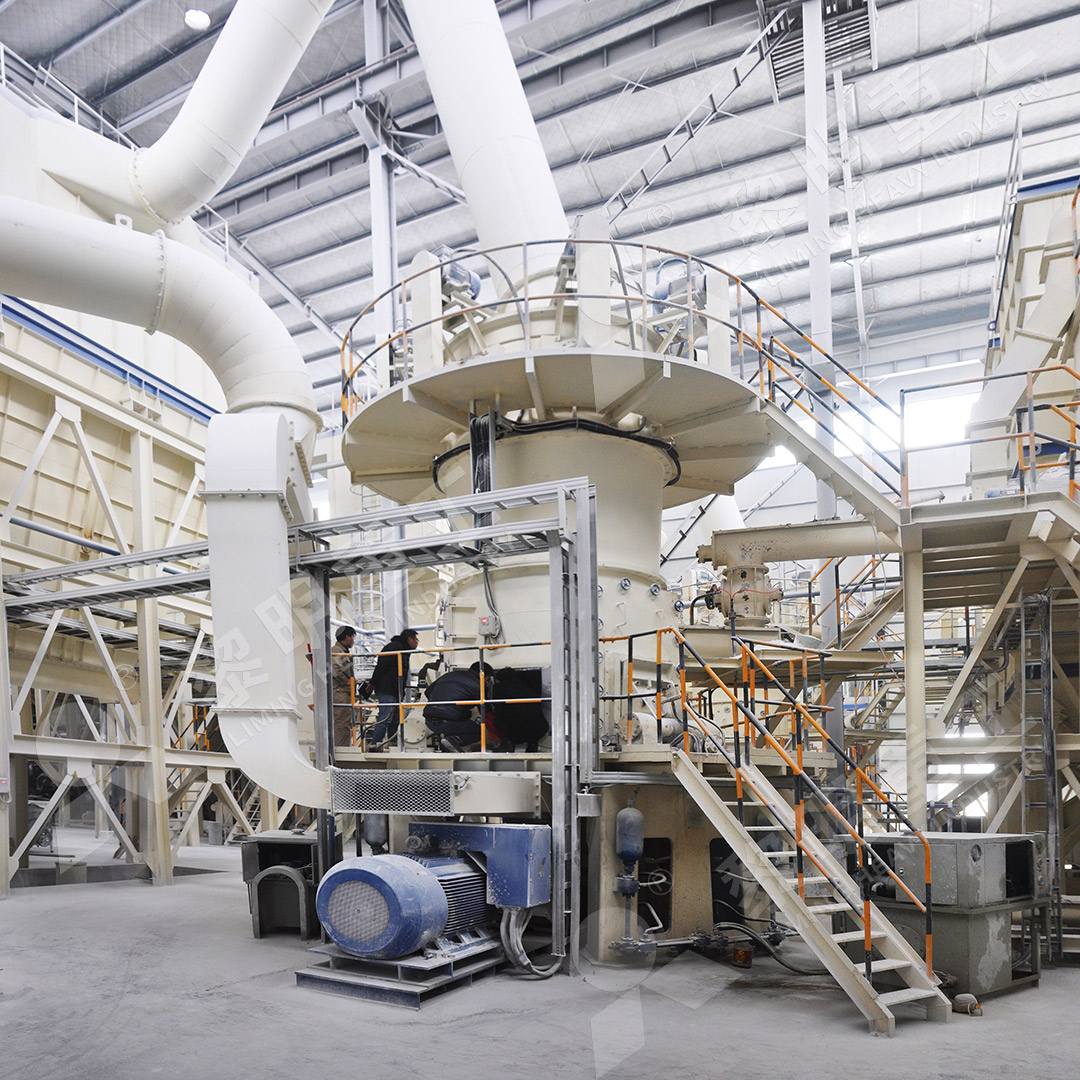
Beyond Retrofit: The Case for Advanced Grinding Solutions
For new greenfield projects or when a fundamental leap in productivity and product quality is required, investing in next-generation grinding technology becomes a compelling economic argument. Modern vertical roller mills and ultra-fine grinding mills offer transformative advantages specifically beneficial for flux preparation.
Consider the demands of a steel plant requiring ultra-pure, finely ground dolomite to achieve superior slag control and lower impurity levels in high-grade steel. For such an application, the MW Ultrafine Grinding Mill presents an ideal solution. Engineered for customers needing to make ultra-fine powder, this mill is particularly suited for processing minerals like dolomite. It features a highly efficient cage-type powder selector based on German technology, enabling precise fineness adjustment between 325 and an impressive 2500 meshes, far exceeding the capability of a standard Raymond mill. Its unique design, with no rolling bearings or screws in the grinding chamber, eliminates concerns about bearing failures or loose screw damage—a significant maintenance advantage. Furthermore, its integrated efficient pulse dust collector and muffler system ensure the entire production process is environmentally sound, with minimal dust and noise, aligning perfectly with sustainable industrial practices.
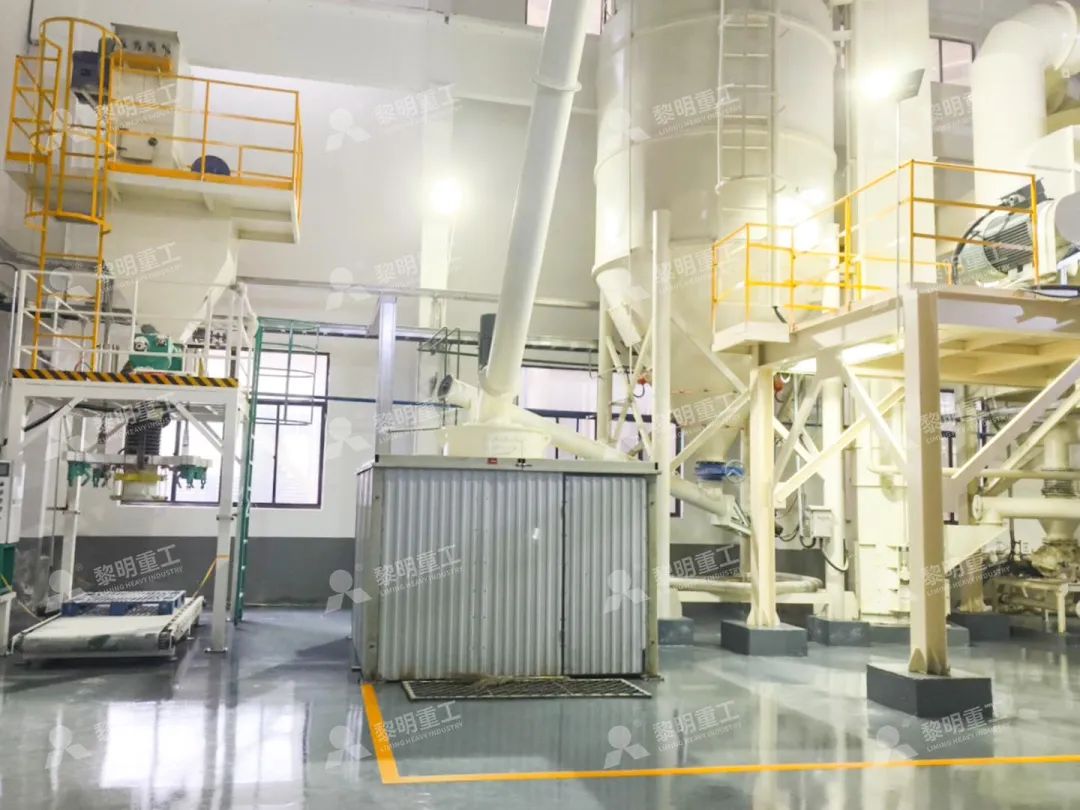
Another formidable option for high-volume, high-quality flux production is the LUM Ultrafine Vertical Grinding Mill. This mill integrates grinding, classifying, and transporting into a single, compact unit. Its standout feature for dolomite processing is the unique roller shell and lining plate grinding curve, designed to generate a stable material layer. This promotes efficient inter-particle grinding, resulting in a high rate of finished product in a single pass, which enhances whiteness and cleanliness—key indicators of low contamination. The mill’s multi-head powder separating technology, controlled by an advanced PLC system, allows for exacting control over fineness and fast adaptation to different production demands, all while reducing energy consumption by 30%-50% compared to conventional mills.
Strategic Implementation for Iranian Operators
For plant managers in Iran, the optimization path should begin with a thorough audit of current dolomite product specifications versus steel plant requirements, followed by an analysis of existing mill performance (energy use, wear rates, product consistency). A phased approach is often most effective:
- Immediate Actions: Implement strict wear part monitoring and upgrade to high-alloy materials. Optimize classifier settings and ensure dedusting system efficiency.
- Medium-Term Upgrade: Retrofit a modern dynamic classifier and a PLC-based control system to existing Raymond mills.
- Long-Term/Capacity Expansion: Evaluate and integrate advanced mill technology like the MW or LUM series for new production lines, especially where product quality, energy savings, and environmental compliance are critical drivers.
By embracing these optimization strategies—from targeted retrofits to adopting next-generation grinding systems—Iranian dolomite processors can significantly enhance the value of their product for the domestic steel industry. This not only strengthens the supply chain but also contributes to the production of higher-quality steel with greater efficiency and a reduced environmental footprint.
Frequently Asked Questions (FAQs)
- What is the ideal fineness for dolomite used as a steel flux?
The ideal range is typically between 200 and 325 mesh (74-44 microns). However, specific requirements vary by steel plant and process; some advanced applications may demand particles as fine as 600 mesh or more for ultra-fast reaction times. - Why is iron contamination a concern in processed dolomite?
Introducing metallic iron through mill wear contaminates the flux. This iron reports directly to the molten steel, altering its chemistry and potentially compromising the final steel product’s quality and specifications. - Can I still use my old Raymond mill to meet modern standards?
Yes, with significant upgrades. Retrofitting a high-efficiency classifier, using premium wear parts, and integrating a modern dust collection system are essential to improve product fineness control, reduce contamination, and meet environmental regulations. - How do advanced mills like the MW series achieve higher energy efficiency?
They employ optimized grinding curves and efficient powder separation technologies. The MW Ultrafine Grinding Mill’s design, for instance, enhances grinding efficiency so that with the same power input, its capacity can be significantly higher than older jet or ball mill systems, leading to lower energy consumption per ton of product. - What are the main benefits of a vertical roller mill for dolomite?
Benefits include a smaller footprint, integrated drying (if needed), lower wear rates due to the bed-grinding principle, significantly lower energy consumption (30-50% less than ball mills), and excellent control over product fineness and iron content. - Is dust control important beyond environmental compliance?
Absolutely. Effective dust control via pulse-jet collectors is crucial for product recovery (improving yield), protecting worker health, preventing equipment damage, and maintaining a clean plant operation. - How does the “no rolling bearing in the chamber” design benefit operation?
As seen in the MW Mill, this design eliminates the risk of bearing failure inside the grinding zone, which is a common source of catastrophic breakdowns and product contamination. It allows for external lubrication and enables more reliable, continuous 24/7 operation.