
How to Optimize Coal Processing with Raymond Mill for Power Fuel in UAE
How to Optimize Coal Processing with Raymond Mill for Power Fuel in UAE
The United Arab Emirates’ energy sector continues to evolve, with coal processing for power fuel representing a significant component of the industrial landscape. Efficient coal pulverization is paramount for maximizing combustion efficiency and minimizing environmental impact in power generation facilities. This comprehensive guide explores optimization strategies for coal processing using Raymond mill technology, specifically tailored to the unique demands of the UAE market.
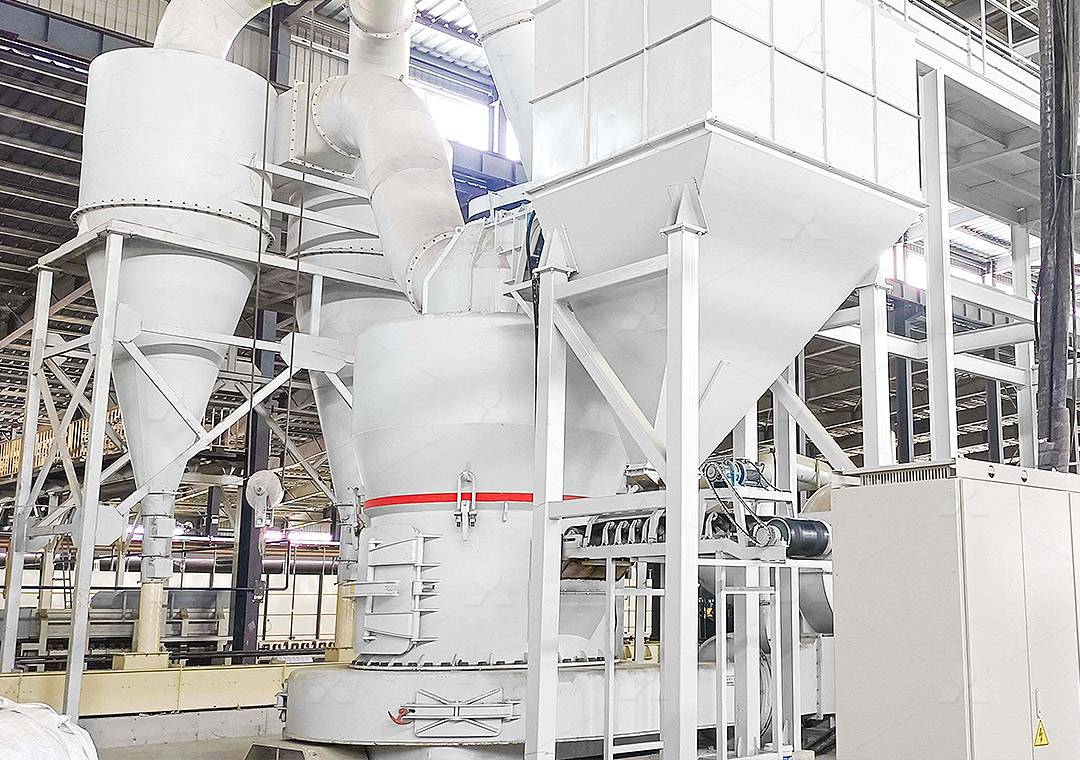
Understanding Coal Processing Requirements in UAE Power Sector
The UAE’s power sector demands consistent, high-quality pulverized coal to maintain stable energy output. Coal particle size distribution directly impacts combustion efficiency, with optimal fineness ensuring complete burning and reduced unburnt carbon. The region’s specific coal characteristics, often imported from various global sources, require adaptable processing solutions that can handle varying hardness, moisture content, and chemical composition.
Traditional coal processing methods often struggle with inconsistent output quality and higher operational costs. The extreme climate conditions in the UAE further complicate processing, with high temperatures and humidity affecting material handling and equipment performance. These challenges necessitate advanced milling solutions that can deliver consistent results while withstanding demanding operational environments.
Raymond Mill Technology: Core Principles and Advantages
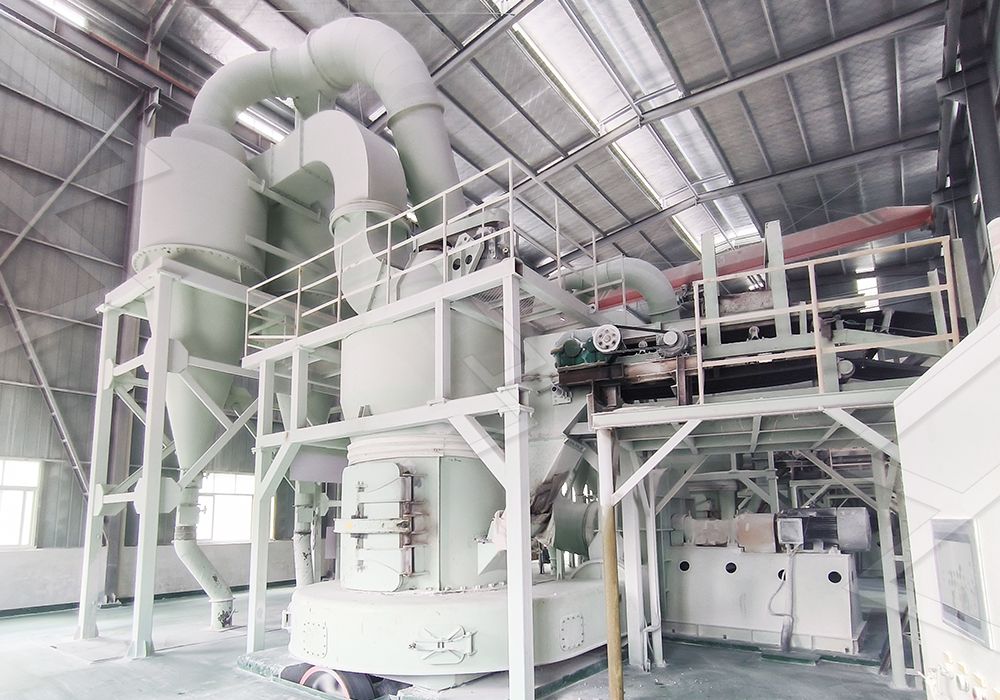
Raymond mill systems have long been the industry standard for coal pulverization due to their robust construction and reliable performance. The fundamental working principle involves grinding materials between rotating rollers and a stationary grinding ring, with centrifugal force maintaining roller pressure against the material bed. This mechanism creates a highly efficient grinding environment that can be precisely controlled for optimal output.
Modern Raymond mills incorporate several technological advancements that make them particularly suitable for UAE power applications. Advanced classifier systems allow for precise control over product fineness, while improved grinding curves enhance milling efficiency. The integration of pulse dust collectors and mufflers addresses environmental concerns by minimizing particulate emissions and reducing operational noise—critical considerations for facilities operating near urban areas.
Optimization Strategies for Enhanced Coal Processing
Several key strategies can significantly improve Raymond mill performance in coal processing applications. Proper feed size control represents the foundation of efficient operation, with optimal input dimensions typically below 25mm ensuring smooth material flow and reduced wear on grinding components. Maintaining consistent feed rates prevents overloading and ensures stable operation throughout production cycles.
Classifier adjustment provides the most direct control over product fineness. By optimizing separator speed and airflow, operators can achieve the precise particle size distribution required for efficient combustion in power generation systems. Regular maintenance of grinding elements, including timely replacement of worn rollers and rings, maintains milling efficiency and prevents unexpected downtime.
The integration of advanced monitoring systems enables real-time performance optimization. Modern Raymond mills can be equipped with sensors tracking vibration, temperature, and pressure parameters, allowing operators to identify potential issues before they impact production. Automated control systems further enhance operational stability by maintaining optimal grinding conditions despite variations in feed material characteristics.
Advanced Solutions for UAE Market Requirements
While traditional Raymond mills provide solid performance foundations, the evolving demands of the UAE power sector increasingly require more advanced solutions. For operations requiring ultra-fine coal powder with superior combustion characteristics, the MW Ultrafine Grinding Mill represents a significant technological advancement.
This innovative equipment delivers exceptional performance for customers requiring ultra-fine powder production. With an input size capacity of 0-20 mm and throughput ranging from 0.5-25 tph, the MW Ultrafine Grinding Mill handles the full spectrum of coal processing requirements. Its sophisticated design incorporates higher yielding and lower energy consumption characteristics, achieving production capacity 40% higher than jet grinding mills with system energy consumption reduced to just 30% of comparable technologies.
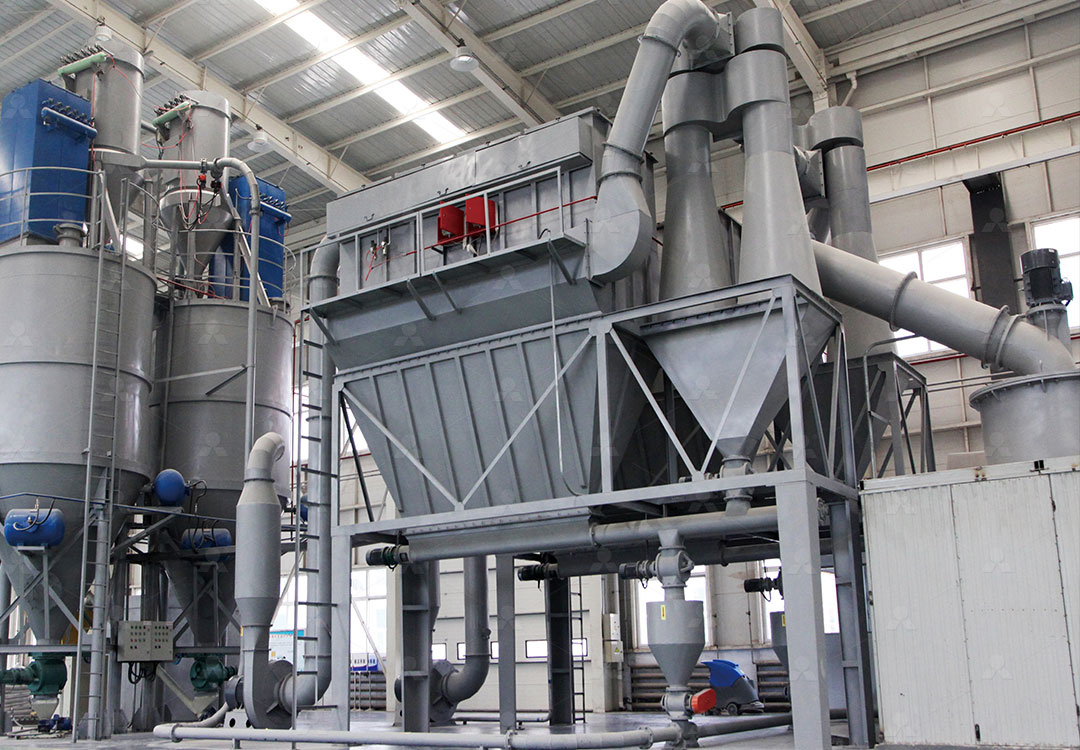
The MW series stands out particularly for its adjustable fineness between 325-2500 meshes, enabled by German cage-type powder selector technology. This precision separation capability ensures consistent product quality critical for power generation applications. The elimination of rolling bearings and screws in the grinding chamber eliminates common failure points, while the integrated pulse dust collector maintains environmentally responsible operation throughout the production process.
Operational Best Practices for UAE Conditions
The challenging environmental conditions in the UAE necessitate specific operational adaptations for coal processing equipment. High ambient temperatures require robust cooling systems and thermal protection for electrical components. Dust management becomes particularly critical in arid regions, where airborne particulates can impact equipment performance and workplace safety.
Preventive maintenance schedules should account for the accelerated wear that can occur in high-temperature, high-dust environments. Regular inspection of grinding elements, classifier components, and sealing systems ensures consistent performance and prevents unexpected production interruptions. Proper training for operational staff enables quick response to changing conditions and early identification of potential issues.
For facilities processing varying coal types, the flexibility of modern Raymond mill systems proves particularly valuable. The ability to quickly adjust grinding pressure, classifier speed, and airflow parameters allows operators to maintain optimal performance despite changes in feed material characteristics. This adaptability is essential for power plants utilizing coal from multiple sources with differing grinding properties.
Future Trends in Coal Processing Technology
The evolution of coal processing technology continues to focus on efficiency improvements and environmental performance. Digitalization trends are transforming operational approaches, with advanced control systems leveraging real-time data to optimize milling parameters automatically. Remote monitoring capabilities enable expert support regardless of facility location, particularly valuable for UAE operations distant from specialized technical resources.
Energy efficiency remains a primary driver of technological development, with newer mill designs achieving significant reductions in power consumption per ton of processed material. Environmental performance continues to improve through enhanced dust collection systems and noise reduction technologies. These advancements align with the UAE’s increasing focus on sustainable industrial practices while maintaining reliable power generation capacity.
As the energy landscape evolves, coal processing technology must adapt to changing requirements. The flexibility and reliability of advanced Raymond mill systems position them as critical components in the UAE’s power infrastructure, capable of meeting current demands while adapting to future challenges in the energy sector.
Frequently Asked Questions
What is the optimal fineness for coal powder in power generation applications?
For most power generation applications, coal powder with 70-80% passing through 200 mesh provides optimal combustion characteristics. The MW Ultrafine Grinding Mill can achieve fineness between 325-2500 meshes, allowing precise adjustment for specific combustion system requirements.
How does the MW Ultrafine Grinding Mill compare to traditional Raymond mills for coal processing?
The MW series offers significantly higher efficiency, with 40% greater production capacity compared to jet grinding mills and energy consumption reduced to just 30% of conventional systems. The absence of rolling bearings in the grinding chamber eliminates common failure points, enhancing reliability.
What maintenance requirements should be considered for Raymond mills in high-temperature environments like the UAE?
High-temperature operations require more frequent inspection of lubrication systems and thermal monitoring of electrical components. The MW Ultrafine Grinding Mill’s external lubrication system allows maintenance without shutdown, particularly valuable in demanding conditions.
Can the same equipment process different types of coal with varying hardness and moisture content?
Yes, modern Raymond mills like the MW series can be adjusted through hydraulic pressure regulation and classifier speed modification to accommodate different coal characteristics. The reversible structure facilitates quick maintenance when processing abrasive materials.
What environmental considerations are addressed by modern coal grinding systems?
Contemporary systems incorporate efficient pulse dust collectors that eliminate dust pollution and mufflers that reduce operational noise. The MW Ultrafine Grinding Mill operates fully compliant with national environmental protection standards.
How does the cage-type powder selector improve coal processing efficiency?
The German-designed cage-type powder selector in the MW series increases separation precision, enabling accurate fineness control between 325-2500 meshes. This technology ensures consistent product quality while achieving screening rates of d97≤5μm in a single pass.
What is the typical operational lifespan of grinding components in coal processing applications?
With proper maintenance, grinding rollers and rings in the MW Ultrafine Grinding Mill typically last 1.7-2.5 times longer than traditional components due to advanced wear-resistant materials and optimized grinding curves.
How does digitalized processing benefit coal grinding operations?
Numerically controlled operations ensure high machining precision, particularly for core components. This digital approach enhances overall system reliability and facilitates precise control over production parameters.