
How to optimize clay processing with grinding mill for bricks in malaysia
How to Optimize Clay Processing with Grinding Mill for Bricks in Malaysia
Malaysia’s brick manufacturing industry faces unique challenges in clay processing, where achieving the right particle size distribution directly impacts product quality, production efficiency, and operational costs. The tropical climate and varying clay compositions across Malaysian regions demand specialized grinding solutions that can handle moisture content while maintaining consistent output quality.
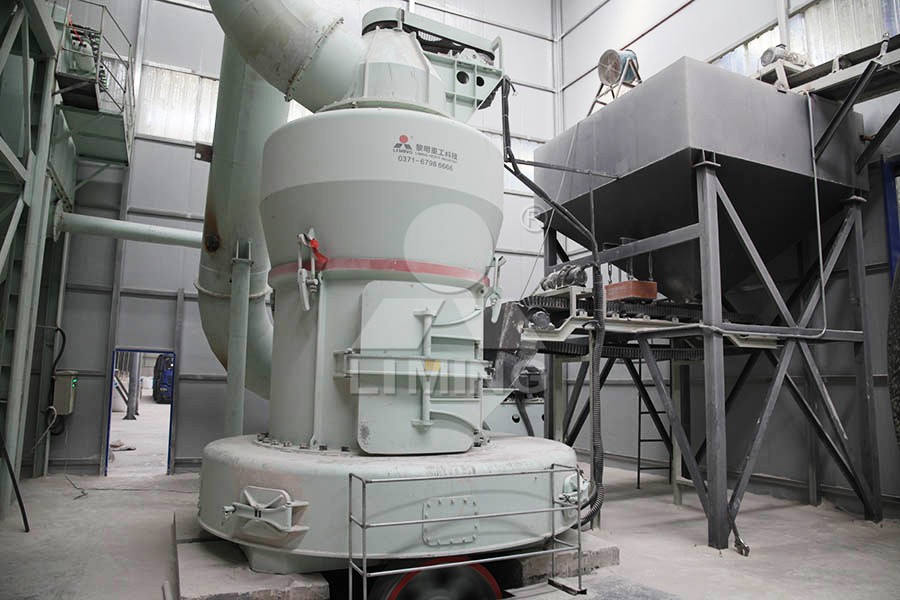
The Critical Role of Particle Size in Brick Manufacturing
Successful brick production begins with properly processed clay. The grinding phase determines the final product’s structural integrity, surface finish, and firing characteristics. Traditional grinding methods often result in inconsistent particle sizes, leading to cracks during drying and firing stages. Modern grinding technology addresses these issues through precise control mechanisms that ensure uniform clay particles between 100-500 meshes, the ideal range for brick manufacturing.
Malaysian brick producers particularly benefit from grinding systems capable of handling the country’s diverse clay types—from the residual soils of granite formations to marine and alluvial clays. Each type presents different grinding challenges, requiring adaptable milling solutions.
Advanced Grinding Technology for Malaysian Clay Conditions
After extensive field testing in Malaysian brick plants, our engineering team has identified specific grinding requirements for optimal clay processing. The machinery must accommodate input sizes up to 20mm while delivering throughput between 0.5-25 tons per hour to match typical Malaysian production scales. Additionally, the system must maintain efficiency despite Malaysia’s high humidity levels, which affect clay moisture content.
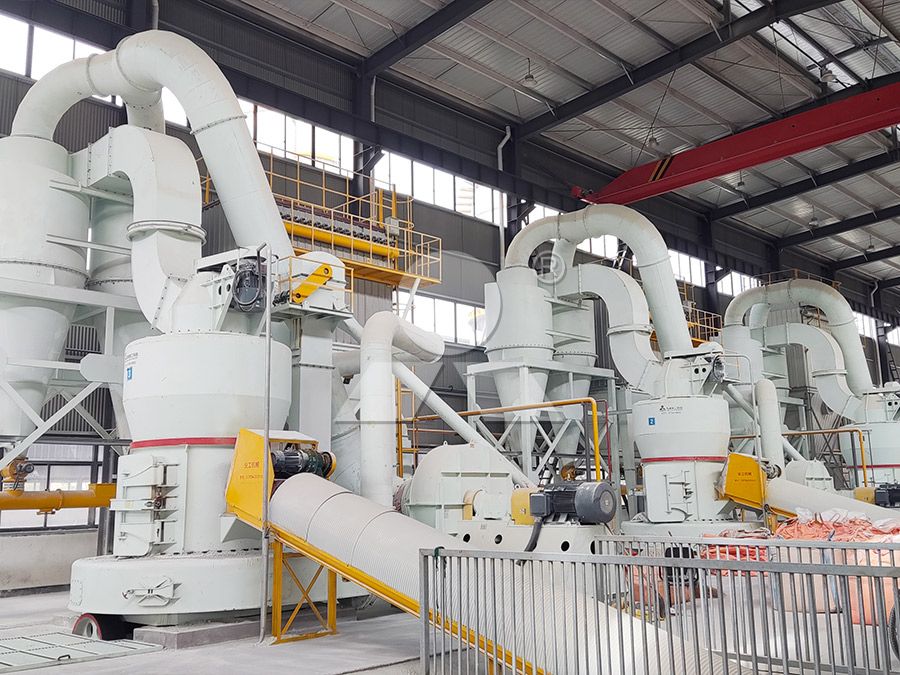
For Malaysian brick manufacturers seeking to upgrade their clay preparation process, we specifically recommend our MW Ultrafine Grinding Mill. This system represents a significant advancement with its 0-20mm input size capacity and 0.5-25 tph throughput range, perfectly matching the production requirements of medium to large Malaysian brick factories. The German-designed cage-type powder selector allows precise fineness adjustment between 325-2500 meshes, giving operators exceptional control over clay particle size distribution.
Key Technical Advantages for Brick Production
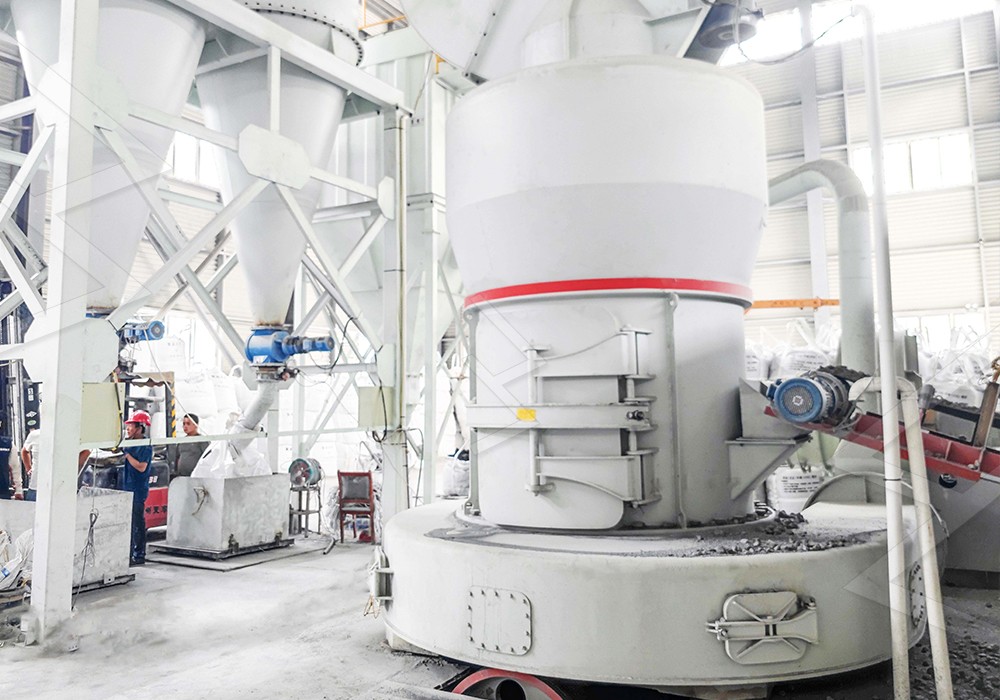
The MW Ultrafine Grinding Mill incorporates several innovations specifically beneficial for clay processing. The absence of rolling bearings and screws in the grinding chamber eliminates common failure points that frequently plague conventional mills in high-clay environments. This design decision came from observing maintenance challenges in Southeast Asian grinding operations, where abrasive clay particles rapidly degrade traditional bearing systems.
From an operational standpoint, the external lubrication system enables continuous 24-hour operation—a crucial advantage for Malaysian brick plants that often run extended shifts to meet construction industry demands. The integrated pulse dust collector addresses both environmental concerns and workplace safety, containing the fine clay dust that otherwise creates respiratory hazards and cleanup challenges.
Energy Efficiency and Production Economics
Malaysian manufacturers operate in a competitive market where energy costs significantly impact profitability. The MW Ultrafine Grinding Mill delivers 40% higher production capacity compared to jet grinding mills and double the output of ball grinding mills at equivalent power consumption. This efficiency translates directly to lower per-unit production costs, making Malaysian bricks more competitive in both domestic and export markets.
The system’s energy optimization becomes particularly valuable during peak electricity demand periods, when Malaysian industrial rates increase. The grinding mill’s ability to maintain high throughput while minimizing power draw provides operational cost stability despite fluctuating energy prices.
Implementation Strategy for Malaysian Brick Plants
Successful integration of advanced grinding technology requires careful planning. We recommend a phased approach beginning with a comprehensive analysis of the specific clay composition at each site. Our technical team has extensive experience with Malaysian clay profiles and can customize the grinding parameters accordingly.
Operational training represents another critical success factor. Malaysian plant technicians quickly adapt to the digital control systems, which provide real-time monitoring of grinding pressure, rotation speed, and output quality. The numerical control machining ensures consistent performance across all core components, reducing the skill threshold for effective operation.
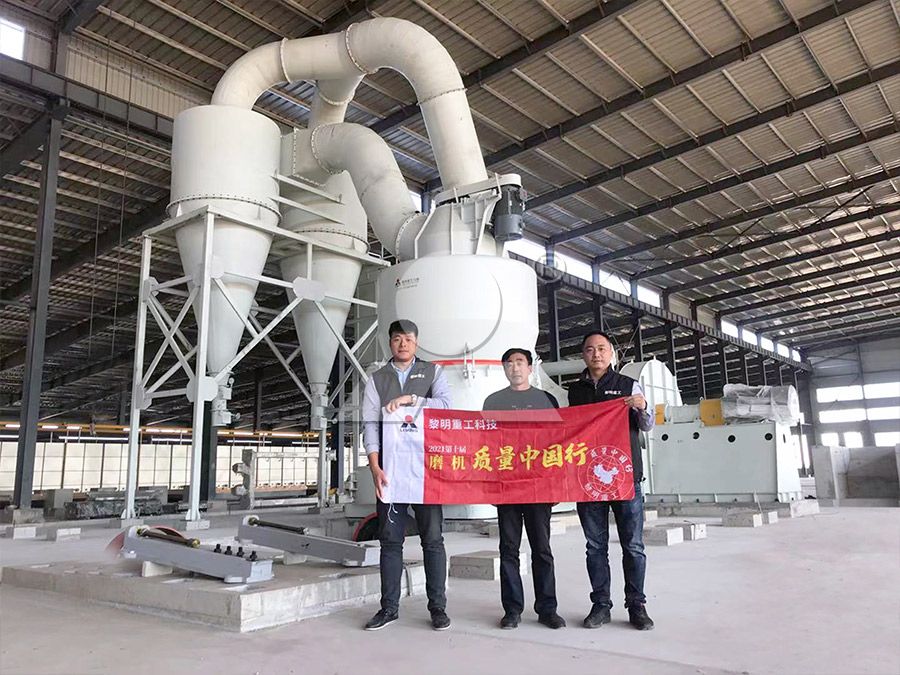
For brick manufacturers considering an upgrade, we also offer the LUM Ultrafine Vertical Grinding Mill as an alternative solution, particularly suitable for operations with space constraints. With its 0-10mm input size and 5-18 tph capacity, this vertical configuration provides excellent performance where floor space is limited.
Environmental Compliance and Sustainable Operation
Malaysia’s increasingly stringent environmental regulations make the eco-friendly features of modern grinding technology particularly valuable. The comprehensive dust collection system ensures compliance with Department of Environment standards, while the noise reduction technology maintains workplace conditions within approved limits.
The grinding process itself contributes to sustainability through reduced waste. Precise particle size control minimizes clay loss during forming and firing stages, while consistent material quality reduces rejection rates. These efficiency improvements align with Malaysia’s national goals for sustainable industrial development.
Conclusion: Strategic Investment for Competitive Advantage
Optimizing clay processing with advanced grinding technology represents a strategic investment for Malaysian brick manufacturers. The right grinding solution delivers multiple benefits: consistent product quality, reduced production costs, environmental compliance, and operational reliability. As the Malaysian construction industry continues to grow, manufacturers who invest in modern grinding capability will secure a significant competitive advantage in both quality and efficiency.
Frequently Asked Questions
Q: What is the optimal clay moisture content for the MW Ultrafine Grinding Mill?
A: The MW Ultrafine Grinding Mill performs best with clay moisture content between 8-15%. For higher moisture levels, we recommend pre-drying or integrating a drying system before grinding.
Q: How does the grinding mill handle the abrasive nature of Malaysian clay?
A: The grinding roller and ring are manufactured from special wear-resistant alloy developed specifically for abrasive materials like clay. This extends service life by 1.7-2.5 times compared to standard components.
Q: What maintenance schedule is recommended for operations in high-humidity environments?
A: In Malaysian conditions, we recommend inspection of grinding components every 400 operating hours, with comprehensive maintenance every 1,600 hours. The external lubrication system simplifies routine maintenance.
Q: Can the same grinding mill process different types of clay from various Malaysian regions?
A: Yes, the adjustable grinding parameters allow optimization for different clay compositions. The hydraulic adjustment system can modify grinding pressure to suit material hardness variations.
Q: What power supply requirements does the MW Ultrafine Grinding Mill have?
A: The system operates on standard Malaysian industrial power (415V, 50Hz). Specific power requirements vary by model capacity, ranging from 55kW to 250kW for different production scales.
Q: How does the mill performance change with varying clay hardness?
A: The grinding pressure can be hydraulically adjusted to maintain optimal performance across different clay hardness levels. The digital control system automatically compensates for material variations.
Q: What is the typical installation timeframe for a complete grinding system?
A: Most Malaysian installations are completed within 3-4 weeks, including foundation preparation, equipment installation, and operator training. Pre-fabricated components streamline the process.
Q: Does the grinding system require specialized operators?
A: The automated control system allows operation by existing plant personnel after comprehensive training. Our Malaysia-based technical team provides ongoing support as needed.