
How to optimize clay processing with grinding mill for absorbent in guyana
Unlocking Guyana’s Clay Potential: A Technical Roadmap for Absorbent Production
The rich clay deposits of Guyana present a significant opportunity for the production of high-quality absorbent materials used in agriculture, pet care, industrial spill control, and personal care products. However, transforming raw clay into a consistent, high-performance absorbent requires precise processing, where the choice and optimization of grinding technology become paramount. The key lies in achieving the ideal particle size distribution, maximizing surface area, and preserving the natural mineral structure that grants clay its absorbent properties.
The Critical Role of Particle Size in Absorbent Performance
For clay-based absorbents, efficacy is directly tied to fineness and particle morphology. Ultra-fine particles dramatically increase the surface area available for liquid adsorption, while a controlled, narrow particle size distribution ensures consistent performance and bulk density. Traditional grinding methods often fall short, causing overheating (which can degrade clay structure), introducing metallic contamination from wear parts, or failing to achieve the necessary fineness ranges between 325 to 2500 meshes. This is where advanced, purpose-built grinding mills make the definitive difference.
Selecting the Right Mill: Beyond Basic Grinding
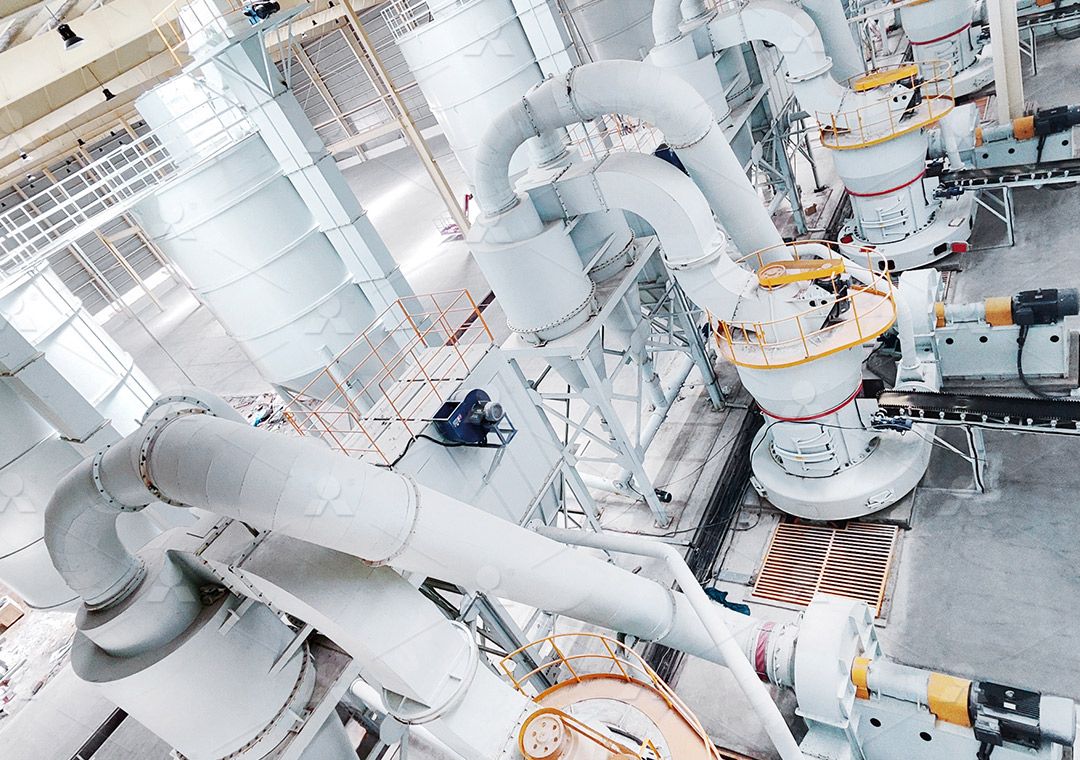
Not all grinding mills are created equal for absorbent clay processing. The ideal system must address several challenges simultaneously: energy efficiency, product purity, precise fineness control, and environmental compliance. Systems that integrate drying, grinding, and classifying in a single, sealed unit offer distinct advantages by reducing processing steps, minimizing contamination risk, and lowering overall energy consumption.
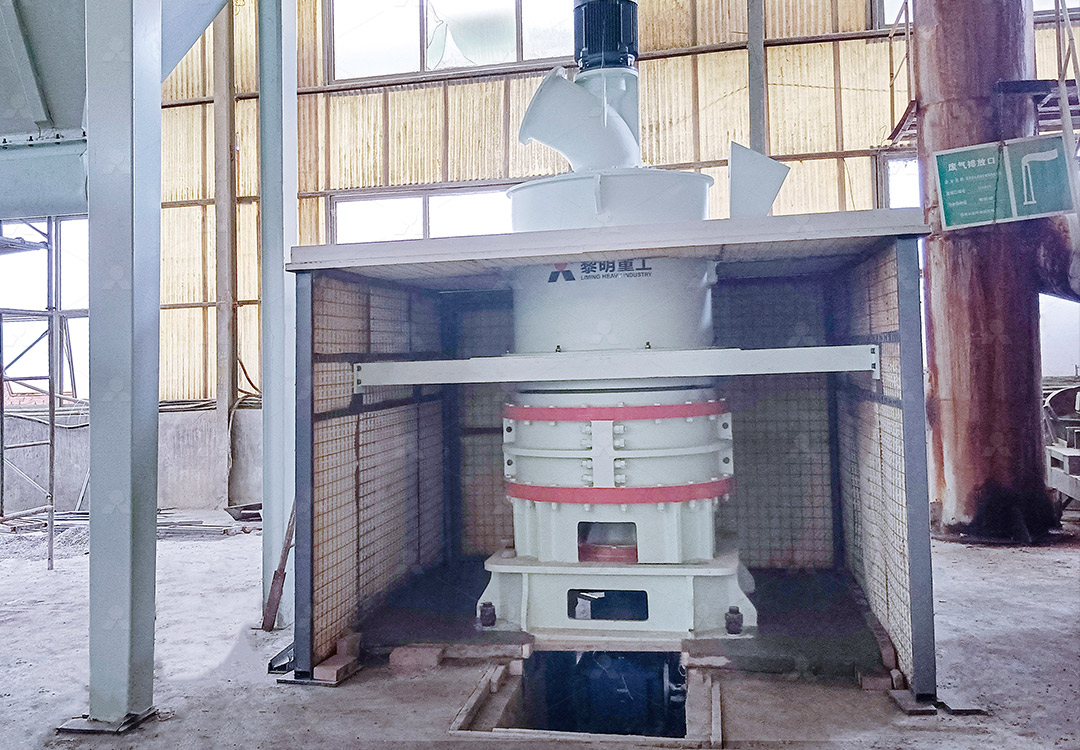
For operations targeting the premium absorbent market, where ultra-fine powders and exceptional whiteness are required, the MW Ultrafine Grinding Mill presents a compelling solution. Engineered for ultra-fine powder production, this mill is particularly suited for processing kaolin, bentonite, and other absorbent clays found in Guyana. Its cage-type powder selector, utilizing German technology, allows precise fineness adjustment between 325-2500 meshes, critical for tailoring absorbent grade. Notably, its design eliminates rolling bearings and screws within the grinding chamber, virtually removing the risk of metallic contamination from worn parts—a crucial factor for product purity. Furthermore, its efficient pulse dust collector ensures the entire milling process meets stringent environmental standards, a growing priority for sustainable mining in Guyana.
Optimization Strategies for Guyana’s Specific Conditions
Optimizing a grinding circuit for Guyanese clay involves more than just installing the right equipment. It requires a system-level approach:
- Feed Preparation: Ensure consistent feed size (ideally below 20mm for ultra-fine mills) through pre-crushing and drying if the raw clay has high moisture content.
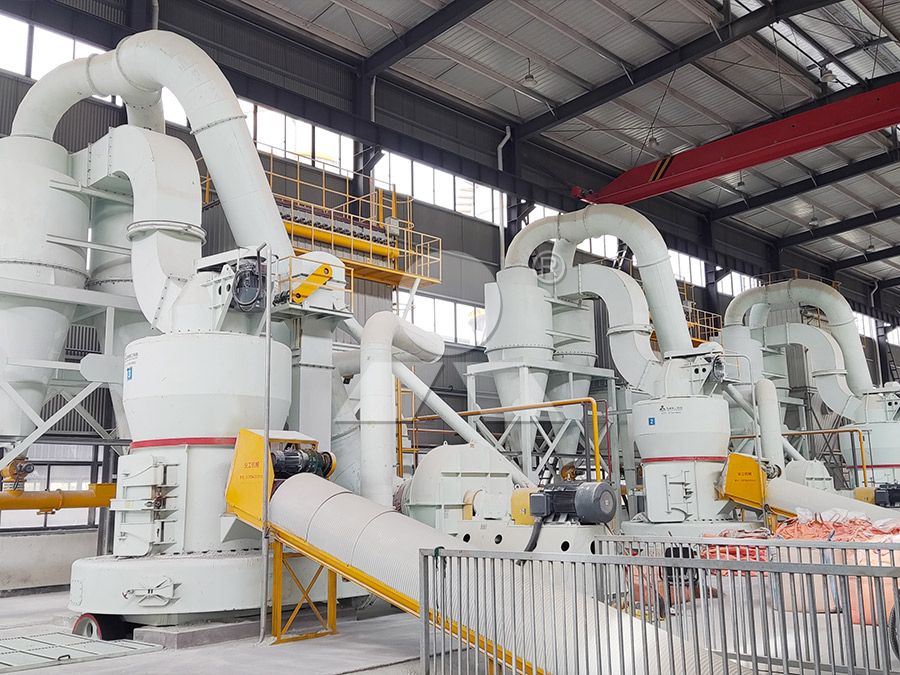
- Moisture Control: Integrate a drying function or pre-dryer if using a mill like the LUM Ultrafine Vertical Grinding Mill. The LUM mill is an excellent alternative for high-efficiency processing, featuring unique roller shell curves for stable material bed formation and reversible rollers for easier maintenance. Its multi-head powder separating technology and PLC control allow for exact adjustments to match specific clay characteristics and product demands.
- Process Monitoring: Utilize the digital control systems available with modern mills to continuously monitor grinding pressure, classifier speed, and temperature, making real-time adjustments for consistent output.
- Dust Management: Leverage the integrated pulse dust collection systems to capture all fines, improving yield, protecting worker health, and preventing environmental dust pollution.
Economic and Operational Advantages of Modern Mill Systems
Investing in advanced grinding technology like the MW or LUM series translates into tangible operational benefits. Their higher grinding efficiency can yield 40-50% higher capacity with 30-50% lower energy consumption compared to traditional jet or ball mills. The reduced mechanical wear and easy-access maintenance designs minimize downtime and spare part costs. For Guyanese operators, this means lower cost per ton, improved product quality for competitive export markets, and a smaller environmental footprint—aligning with both economic goals and responsible resource development.
Conclusion: Building a Sustainable Value Chain
The path to optimizing clay processing for absorbents in Guyana is clear. It hinges on moving beyond conventional crushing to embrace precision grinding technology that prioritizes fineness control, product purity, and energy efficiency. By implementing systems like the MW Ultrafine Grinding Mill or the LUM Ultrafine Vertical Grinding Mill, producers can consistently manufacture high-value absorbent clays that meet international standards. This technological upgrade is not merely an equipment change; it’s a strategic step towards establishing Guyana as a reliable source of premium industrial minerals in the global market.
Frequently Asked Questions (FAQs)
- What is the most important factor in choosing a mill for absorbent clay?
The ability to achieve a controlled, ultra-fine particle size (high mesh number) without metallic contamination is paramount. Mills with advanced classifier technology and minimal internal mechanical contact in the grinding zone, like the MW series, are ideal. - Can the same mill handle different types of Guyanese clay (e.g., kaolin vs. bentonite)?
Yes, modern vertical and ultrafine mills are versatile. The key is adjusting operational parameters like grinding pressure, classifier speed, and airflow. The PLC controls on mills like the LUM allow easy storage and recall of settings for different material recipes. - How significant is energy consumption in clay grinding?
It is a major operational cost. Advanced mills optimize energy use through efficient grinding curves and low-resistance systems. The MW and LUM mills report energy savings of 30-50% compared to older technologies, directly impacting profitability. - Is dust a major concern, and how is it managed?
Yes, dust affects yield, safety, and environmental compliance. Modern mills are closed-loop systems equipped with high-efficiency pulse jet dust collectors, ensuring over 99% collection efficiency and clean, dust-free operation. - What about maintenance and spare part availability for remote locations in Guyana?
Choosing a supplier with a global support network is crucial. Look for mills designed for easy maintenance (e.g., reversible rollers) and suppliers who guarantee the supply of original spare parts and remote technical support to minimize downtime. - What typical fineness (mesh size) is required for cat litter versus industrial oil absorbents?
Cat litter often requires a coarser granule (e.g., 10-40 mesh) for clumping, while high-performance oil or liquid absorbents need much finer powders (e.g., 800-1500 mesh) for maximum surface area. A mill with a wide adjustable range is essential for product flexibility. - Can the grinding process alter the natural absorbent properties of the clay?
If done incorrectly, yes. Overheating from excessive friction can dehydrate and degrade clay crystals. Modern mills with efficient air-swept cooling and precise temperature control preserve the clay’s natural structure and absorbency.