
How to optimize cement raw materials processing with roller mill for road construction in iraq
How to Optimize Cement Raw Materials Processing with Roller Mill for Road Construction in Iraq
The ambitious road construction and infrastructure development projects across Iraq demand a consistent, high-quality supply of cement. The harsh climate, logistical challenges, and the need for durable, long-lasting roadways place exceptional demands on the cement production process. At the heart of a modern, efficient cement plant lies the raw materials processing stage, where the choice of grinding technology is paramount. Roller mill technology, particularly vertical roller mills (VRMs), has emerged as the superior solution for optimizing this critical phase, offering significant advantages in energy efficiency, product quality, and operational stability—key factors for success in the Iraqi market.
The Iraqi Context: Demands and Challenges
Road construction in Iraq requires cement with specific properties: high early and final strength, excellent durability against temperature fluctuations and potential sulfate attacks, and consistent fineness. The raw materials—typically limestone, clay, shale, and corrective additives like iron ore or sand—must be ground to a precise, homogeneous powder (raw meal) to ensure optimal clinker formation in the kiln. Traditional ball mill systems, while reliable, are increasingly seen as less competitive due to their high specific energy consumption (often 30-40% higher than VRMs), larger footprint, and greater noise and heat generation.
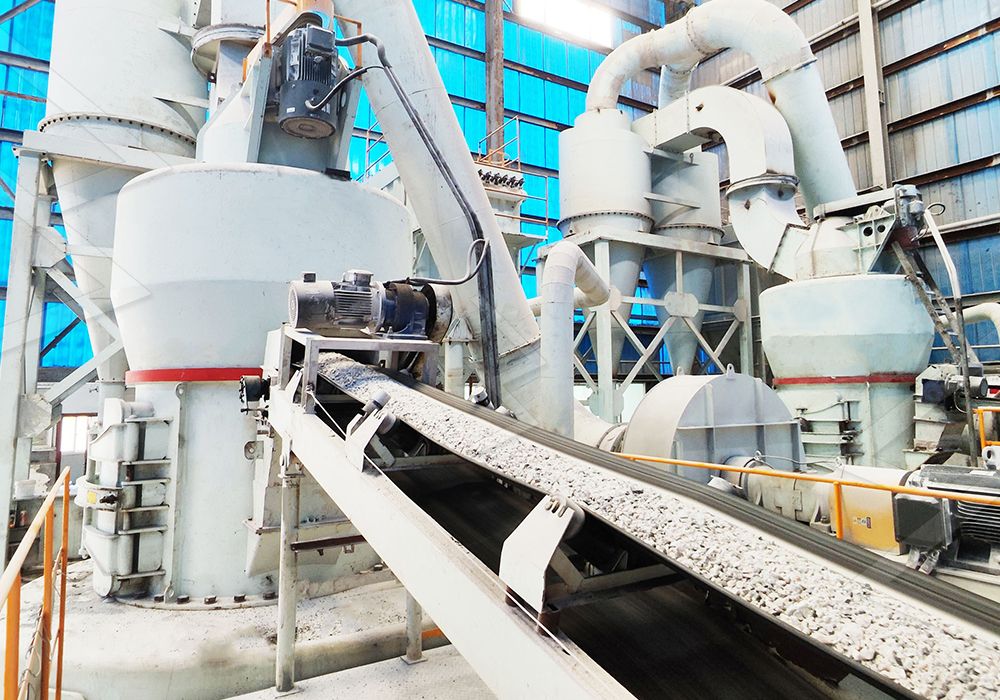
For Iraqi cement producers, operational costs linked to power consumption are a major concern. Furthermore, the need for minimal maintenance downtime and robust equipment that can handle potential variations in raw material moisture and grindability is crucial. This is where advanced roller mill technology provides a compelling answer.
Why Roller Mill Technology is the Optimal Choice
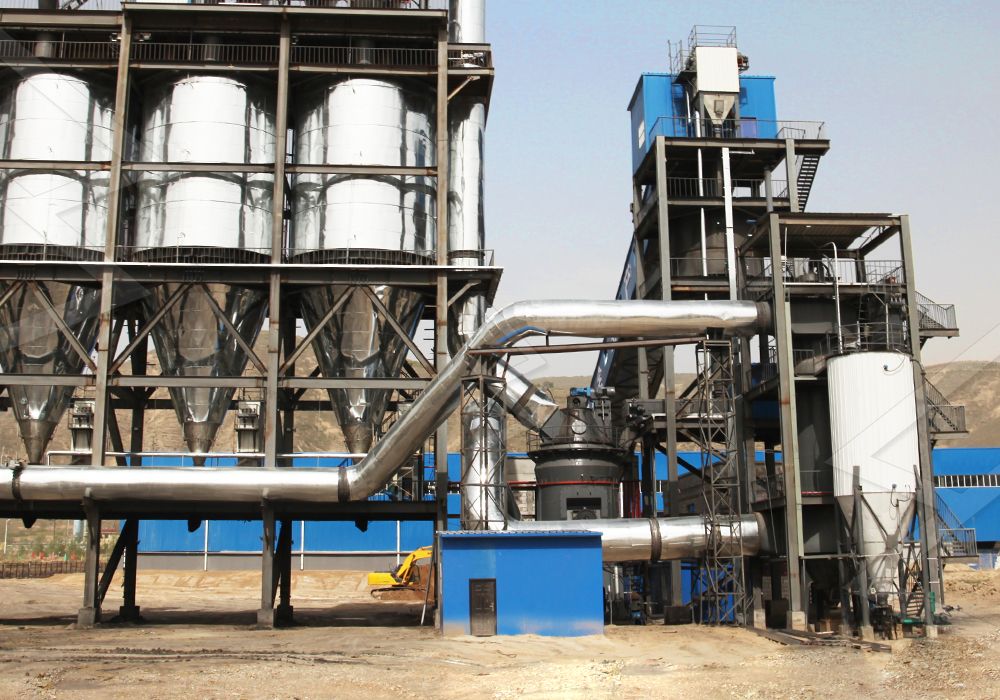
Modern vertical roller mills are engineered to integrate multiple processes—drying, grinding, classifying, and conveying—into a single, compact unit. This integration offers direct benefits for Iraqi operations:
- Substantial Energy Savings: VRMs operate on the principle of bed compression grinding, which is far more energy-efficient than the impact and attrition grinding of ball mills. Energy savings of 30% to 50% on the grinding process alone are achievable, drastically reducing one of the largest operational cost centers.
- Superior Drying Capacity: Hot gases from the kiln or a dedicated hot gas generator can be directly introduced into the mill, allowing for simultaneous grinding and drying of materials with moisture content up to 15-20%. This is ideal for handling raw materials in various climatic conditions.
- Enhanced Product Quality and Stability: The material in a VRM has a very short residence time (2-3 minutes). This minimizes over-grinding, results in a narrower particle size distribution, and allows for quick adjustment and control of the raw meal’s chemical composition and fineness, leading to more stable kiln operation and higher-quality clinker.
- Reduced Footprint and Noise: The vertical design occupies significantly less space than a ball mill circuit. The enclosed, negative-pressure operation also ensures a dust-free environment and lower noise levels, supporting better environmental compliance and worker safety.
Key Optimization Strategies for Iraqi Operations
To fully leverage roller mill technology, producers should focus on several optimization strategies:
- Precise Feed Control: Implementing consistent and controlled feeding of raw materials is essential to maintain a stable grinding bed, which is the core of efficient VRM operation.
- Optimized Grinding Pressure and Classifier Speed: These are the primary controls for product fineness and mill throughput. Automated systems can adjust these parameters in real-time based on feed characteristics and product quality targets.
- Wear Part Management: While roller and table wear rates are low, a proactive monitoring and replacement strategy for grinding elements ensures consistent performance and avoids unplanned stops.
- System Integration: Seamlessly integrating the VRM with the raw material pre-homogenization system and the kiln feed system creates a smooth, continuous process flow, maximizing overall plant efficiency.
Introducing LIMING’s Advanced Grinding Solutions
Selecting the right equipment partner is critical. LIMING Heavy Industry offers a suite of grinding mills engineered for performance and reliability. For the primary raw meal grinding application in cement, the LM Vertical Grinding Mill stands out as an ideal workhorse. It integrates crushing, drying, grinding, classifying, and conveying, covering a wide capacity range from 3 to 340 tph to match various plant scales. Its design reduces energy consumption by 30%-40% compared to ball mills and features a short grinding time that ensures low iron content and easy control of product quality—a perfect match for the demands of Iraqi road construction cement.
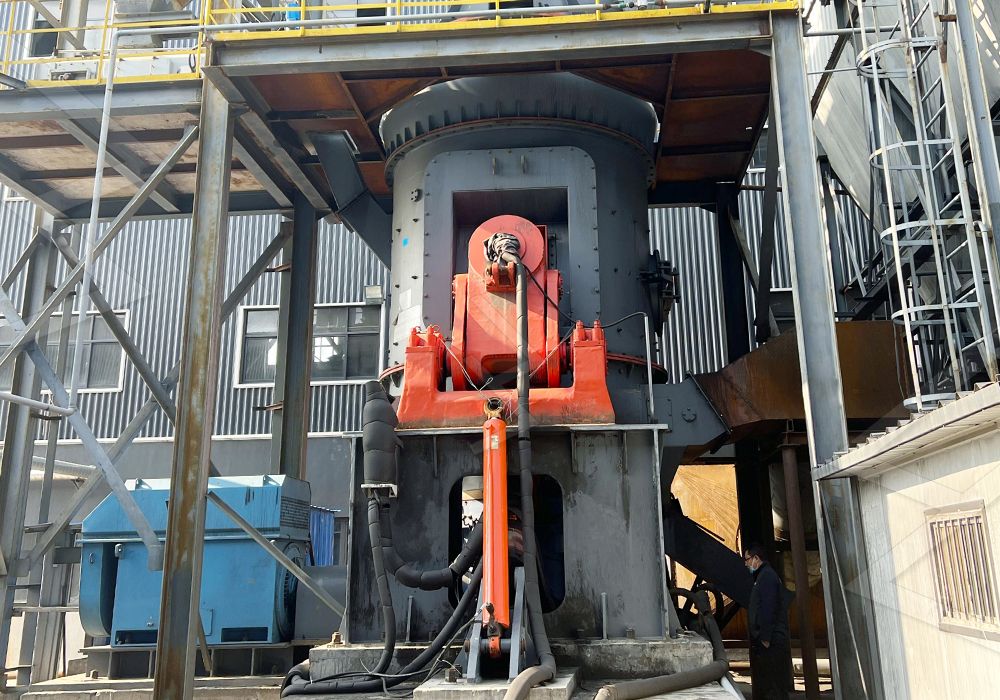
For projects requiring the processing of supplementary cementitious materials (SCMs) or achieving ultra-fine finishes for specialized applications, our LUM Ultrafine Vertical Grinding Mill presents a superior option. With an input size of 0-10mm and capacity of 5-18 tph, it incorporates the latest grinding roller and German powder separating technology. Its reversible structure allows the grinding roller to be easily moved out for maintenance, and the double position-limiting technology guarantees exceptional operational stability—vital for maintaining continuous production in remote locations.
Conclusion
For cement producers supplying Iraq’s vital road construction sector, optimizing the raw materials processing stage with modern roller mill technology is not just an upgrade—it’s a strategic necessity. The transition to energy-efficient, high-stability vertical roller mills like LIMING’s LM and LUM series translates directly into lower production costs, superior product quality for durable infrastructure, and a smaller environmental footprint. By embracing these advanced grinding solutions, Iraqi cement plants can build a stronger foundation for their own operations while contributing to the nation’s infrastructure renewal.
Frequently Asked Questions (FAQs)
- Q: Can roller mills handle the specific types of limestone and clay found in Iraq?
A: Yes, modern VRMs like the LM series are designed to grind a wide variety of non-metallic minerals, including limestone, clay, shale, and corrective materials commonly used in cement production, regardless of origin. - Q: How does the energy savings of a VRM compare to a traditional ball mill in a real-world Iraqi plant?
A: Documented cases show energy savings of 30-40% on the grinding circuit is typical. For a plant operating 24/7, this represents a massive reduction in electricity costs, improving competitiveness significantly. - Q: Are spare parts and technical support readily available for LIMING mills in the Middle East region?
A: Yes. LIMING provides a sufficient supply of original spare parts and offers comprehensive technical services to ensure worry-free operation, with support channels accessible for clients in Iraq and the surrounding region. - Q: What is the typical maintenance interval for grinding rollers and tables in a VRM?
A: Wear life depends on material abrasiveness, but high-chrome or alloyed rollers/tables can last 6,000 to 10,000 hours or more. The reversible design of mills like the LUM series greatly simplifies inspection and replacement, minimizing downtime. - Q: Can a VRM system be retrofitted into an existing cement plant that currently uses ball mills?
A: Absolutely. Retrofitting a VRM for raw meal grinding is a common and highly effective plant modernization project. It requires careful planning but results in dramatically improved efficiency and capacity. - Q: How does the product fineness from a VRM affect the kiln burning process?
A: The homogeneous, narrowly graded raw meal from a VRM promotes more uniform and efficient clinker formation in the kiln, leading to better fuel efficiency (lower coal consumption), higher clinker quality, and reduced NOx emissions. - Q: Do these mills have effective dust collection systems for environmental compliance?
A: Yes. LIMING’s mills are equipped with high-efficiency pulse dust collectors and operate under negative pressure, ensuring dust-free operation and emissions that meet stringent international environmental standards.