
How to Optimize Cement Raw Materials Processing with Raymond Mill for Mortar Production in UAE
Optimizing Cement Raw Material Processing for UAE’s Construction Boom
The United Arab Emirates continues to demonstrate remarkable growth in construction and infrastructure development, with mortar production playing a crucial role in this expansion. The unique environmental conditions and stringent quality requirements in the region demand specialized approaches to raw material processing. For decades, Raymond Mill technology has provided reliable solutions for grinding cement raw materials, though recent advancements have significantly enhanced its capabilities for modern mortar production.

The Critical Role of Proper Raw Material Preparation
Successful mortar production begins with precisely processed raw materials. In the UAE context, where temperature fluctuations and humidity can affect material properties, achieving consistent particle size distribution becomes paramount. Traditional grinding approaches often struggle with the limestone, gypsum, and clay mixtures commonly used in regional cement production, leading to inconsistent mortar quality and performance issues.
The Raymond Mill system, with its established grinding mechanism, offers distinct advantages for these challenging materials. The centrifugal force-driven grinding roller assembly provides consistent pressure against the grinding ring, ensuring uniform particle reduction. This mechanical reliability translates to predictable performance in the demanding UAE construction environment, where project timelines cannot accommodate equipment downtime or inconsistent output.
Advanced Raymond Mill Configurations for Modern Requirements
While traditional Raymond Mills have served the industry well, contemporary projects demand higher efficiency and precision. Modern iterations incorporate improved powder separation systems, enhanced drying capabilities for humid climates, and more robust construction to withstand the abrasive nature of cement raw materials.
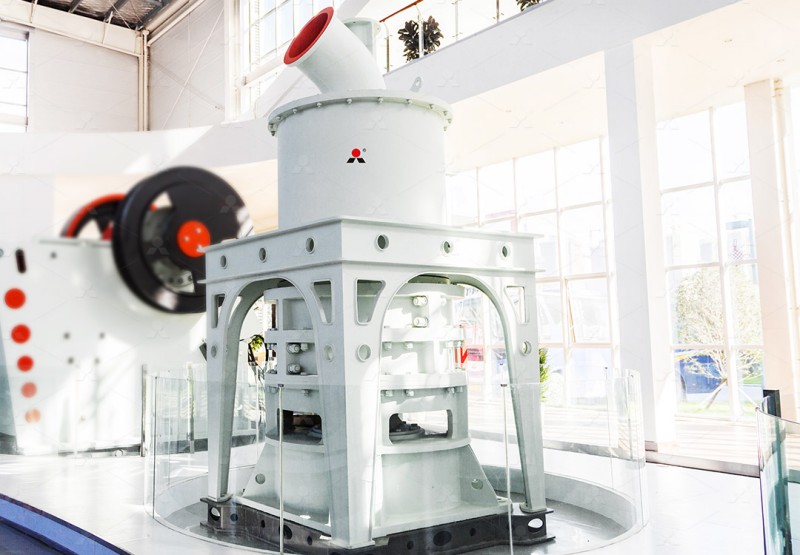
For operations requiring ultra-fine powder production with superior efficiency, our MW Ultrafine Grinding Mill represents a significant advancement. With an input size capacity of 0-20 mm and throughput of 0.5-25 tph, this equipment delivers exceptional performance for mortar production applications. The innovative design features higher yielding capacity with lower energy consumption – achieving 40% higher production capacity than jet grinding mills with system energy consumption reduced to just 30% of comparable systems.
Technical Advantages for UAE Operations
The MW Ultrafine Grinding Mill incorporates several features specifically beneficial for cement raw material processing in the UAE:
- Adjustable Fineness (325-2500 meshes): The German-technology cage-type powder selector enables precise control over particle size distribution, critical for optimal mortar performance in varying climatic conditions.
- Dust-Free Operation: Integrated pulse dust collection systems maintain clean operation, essential for meeting the UAE’s stringent environmental regulations.
- No Rolling Bearings in Grinding Chamber: This innovative design eliminates concerns about bearing damage from abrasive materials, reducing maintenance frequency and costs.
- 24-Hour Continuous Operation: External lubrication capability allows for non-stop production, maximizing output during optimal construction periods.
Another exceptional solution for operations requiring vertical grinding efficiency is our LUM Ultrafine Vertical Grinding Mill. With its compact input size range of 0-10 mm and capacity of 5-18 tph, this mill integrates the latest grinding roller technology with German powder separating expertise. The unique roller shell and lining plate grinding curve design generates material layers more effectively, enabling high rates of finished products through single-pass milling.
Implementation Strategies for UAE Mortar Producers
Successfully integrating Raymond Mill technology into UAE mortar production operations requires careful consideration of several factors:
- Material Characterization: Thorough analysis of raw material properties, including moisture content, abrasiveness, and grindability index, ensures proper mill selection and configuration.
- Climate Adaptation: Implementing appropriate drying systems to counter the high humidity prevalent in coastal UAE regions.
- Particle Engineering: Optimizing grinding parameters to produce particles that enhance mortar workability, water retention, and final strength.
- Energy Optimization: Leveraging the inherent efficiency of modern Raymond Mills to reduce operational costs in a region with significant energy expenses.
Economic Considerations and Return on Investment
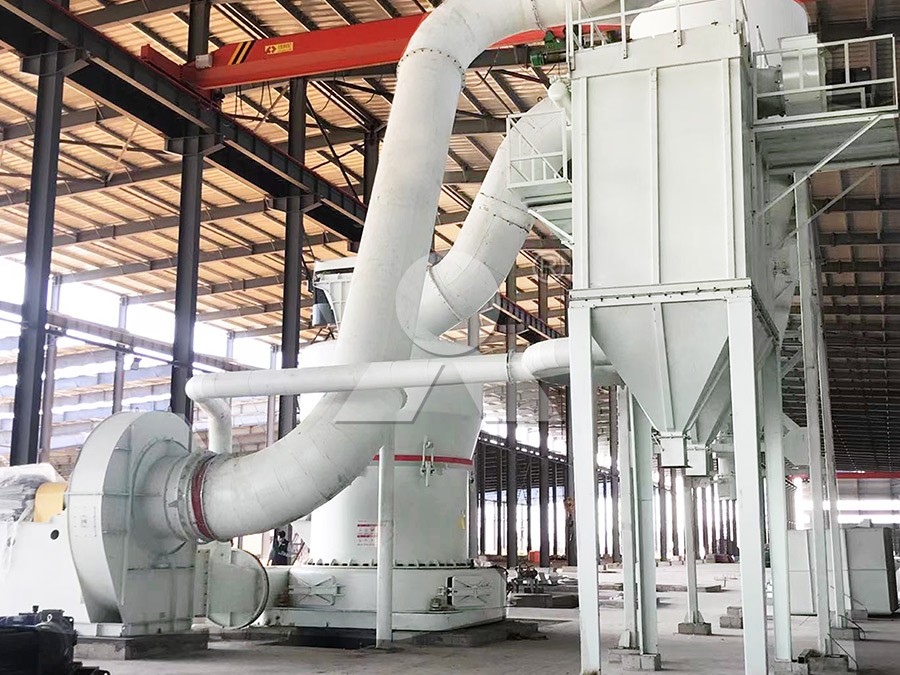
The construction boom in UAE creates both opportunity and competition for mortar producers. Implementing advanced grinding technology like the MW Ultrafine Grinding Mill delivers tangible economic benefits through reduced energy consumption (30-50% lower than conventional systems), decreased maintenance costs, and higher quality output that commands premium pricing. The system’s digitalized processing ensures consistent precision across production batches, while the comprehensive spare parts support network guarantees minimal downtime.
For operations processing slag or requiring specialized vertical grinding applications, our LM Vertical Slag Mill offers exceptional performance with capacity ranging from 7-100T/H. This system integrates drying, grinding, powder selection and conveying in a single compact unit, reducing overall footprint by approximately 50% compared to ball mill systems while cutting energy consumption by 30-40%.
Future-Proofing Your Operation
As UAE continues to implement stricter environmental standards and quality requirements for construction materials, investing in advanced Raymond Mill technology positions mortar producers for long-term success. The flexibility to adjust fineness, the reliability of robust construction, and the efficiency of modern grinding systems create a competitive advantage in this dynamic market.
The integration of smart monitoring systems with traditional grinding reliability represents the next evolution in cement raw material processing. By combining proven mechanical principles with contemporary control technologies, today’s Raymond Mills deliver the precision, efficiency, and consistency required for superior mortar production in the challenging UAE environment.
Frequently Asked Questions
What is the typical maintenance interval for Raymond Mills in cement raw material processing?
Maintenance requirements vary based on material abrasiveness and operating hours, but modern Raymond Mills typically require major servicing every 1,500-2,000 operating hours. The MW Ultrafine Grinding Mill’s design without rolling bearings in the grinding chamber significantly extends maintenance intervals.
How does humidity in UAE affect grinding efficiency?
High humidity can lead to material clogging and reduced grinding efficiency. Modern Raymond Mills address this through integrated drying systems and optimized airflow patterns that effectively handle materials with moisture content up to 15% without pre-drying.
What particle size distribution is optimal for mortar production?
For most mortar applications, a fineness between 325-600 meshes provides the ideal balance of workability, water retention, and final strength. The adjustable powder selection systems in modern mills allow precise tuning for specific application requirements.
Can Raymond Mills handle the abrasive materials common in UAE cement production?
Yes, contemporary mills feature wear-resistant alloys in grinding components that withstand highly abrasive materials. The MW Ultrafine Grinding Mill utilizes specially formulated materials that provide 1.7-2.5 times longer service life than traditional components.
What energy savings can be expected with modern grinding systems?
Advanced systems like the MW Ultrafine Grinding Mill typically reduce energy consumption by 30-50% compared to conventional grinding mills, while maintaining or increasing production capacity.
How does the grinding process affect final mortar quality?
The grinding process directly influences particle shape, size distribution, and surface area – all critical factors determining mortar workability, water demand, strength development, and durability. Properly configured Raymond Mills produce optimized particles for superior mortar performance.
What backup support is available for grinding operations in UAE?
Comprehensive technical support, original spare parts availability, and local service networks ensure minimal operational disruptions. Our company maintains extensive inventory and expert technicians specifically for the Middle Eastern market.