
How to optimize cement clinker processing with roller mill for concrete manufacturing in iraq
Revolutionizing Iraq’s Concrete Industry Through Advanced Grinding Technology
The Iraqi construction sector is experiencing unprecedented growth, with infrastructure projects spanning from residential developments to major industrial facilities. At the heart of this construction boom lies cement production – the fundamental building block of modern infrastructure. However, traditional cement clinker processing methods often struggle to meet the demanding requirements of contemporary concrete manufacturing, particularly in Iraq’s challenging environmental conditions.
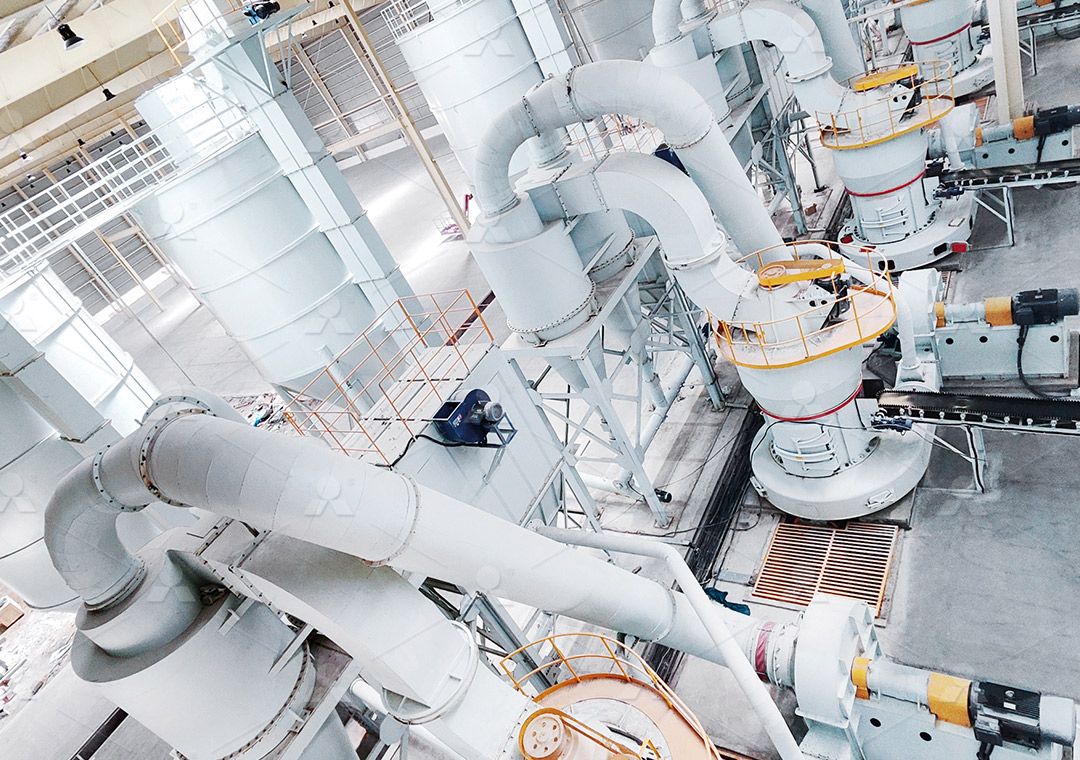
Cement clinker grinding represents one of the most energy-intensive stages in cement production, typically accounting for approximately 30-40% of total electrical energy consumption in a cement plant. In Iraq’s context, where energy efficiency and operational reliability are paramount concerns, optimizing this process becomes not just an economic imperative but a strategic necessity for sustainable development.
The Limitations of Traditional Grinding Systems
Traditional ball mills, while reliable, suffer from significant drawbacks in the modern cement industry. Their low grinding efficiency, high energy consumption, and limited flexibility in product fineness adjustment make them increasingly unsuitable for today’s competitive market. Additionally, the extreme summer temperatures in Iraq, which frequently exceed 50°C (122°F), pose additional challenges for cooling systems and operational stability.
Conventional systems often struggle with maintaining consistent product quality when processing Iraqi raw materials, which can vary significantly in composition and moisture content. The resulting inconsistencies in cement quality directly impact concrete performance, potentially compromising structural integrity in critical infrastructure projects.
The Roller Mill Advantage in Cement Clinker Processing
Vertical roller mills have emerged as the technology of choice for modern cement plants worldwide, offering substantial advantages over traditional grinding systems. These advanced mills integrate multiple processes – including drying, grinding, classification, and conveyance – into a single, compact unit, significantly reducing both capital and operational expenditures.
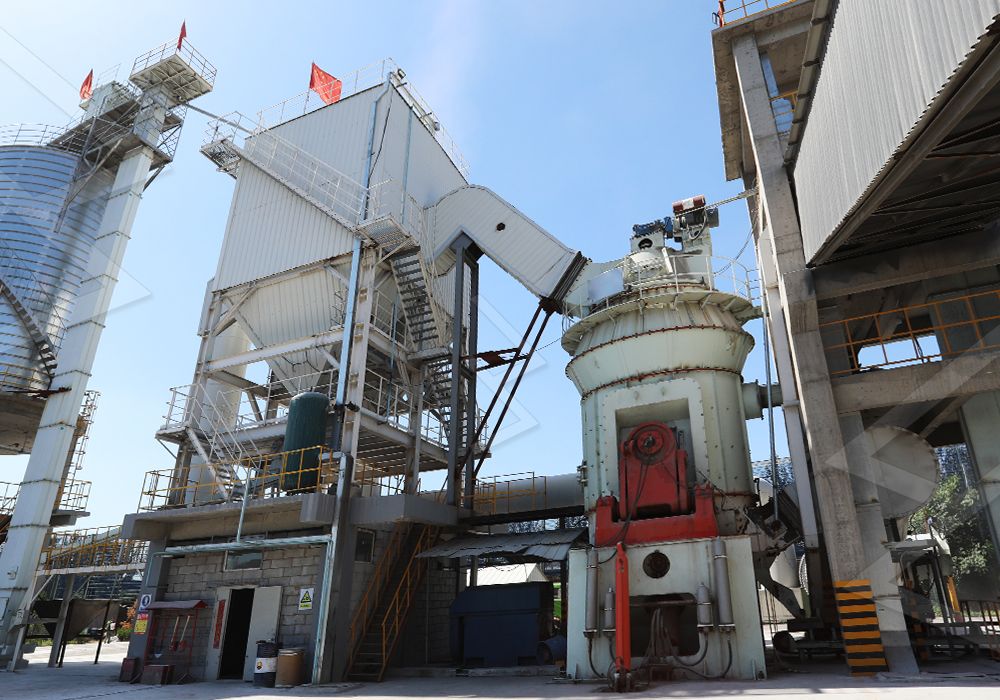
For Iraqi cement producers, the benefits are particularly compelling. The superior energy efficiency of roller mills – typically 30-50% lower power consumption compared to ball mills – translates directly to reduced operating costs, a critical factor given Iraq’s evolving energy pricing structures. Furthermore, the ability to utilize waste heat from kiln exhaust gases for drying raw materials provides additional energy savings while addressing the challenge of high moisture content in some Iraqi raw materials.
Introducing the MW Ultrafine Grinding Mill: Precision Engineering for Superior Performance
Among the advanced grinding solutions available, our MW Ultrafine Grinding Mill stands out as particularly well-suited for the demanding requirements of modern Iraqi cement production. This innovative machine represents the culmination of years of research and development in grinding technology, specifically engineered to deliver exceptional performance in challenging operating environments.
The MW Ultrafine Grinding Mill handles input sizes of 0-20 mm with capacities ranging from 0.5 to 25 tph, making it ideal for various production scales common in Iraq’s cement industry. What truly sets this equipment apart is its remarkable efficiency – achieving 40% higher production capacity than jet grinding mills and double the output of ball mills at the same fineness and power consumption levels.
For Iraqi operators, the mill’s adjustable fineness between 325-2500 meshes provides unprecedented flexibility to produce specialized cement products for different applications, from standard Portland cement to specialized formulations for specific construction needs. The German-designed cage-type powder selector ensures precise particle size distribution, critical for achieving optimal concrete performance characteristics.
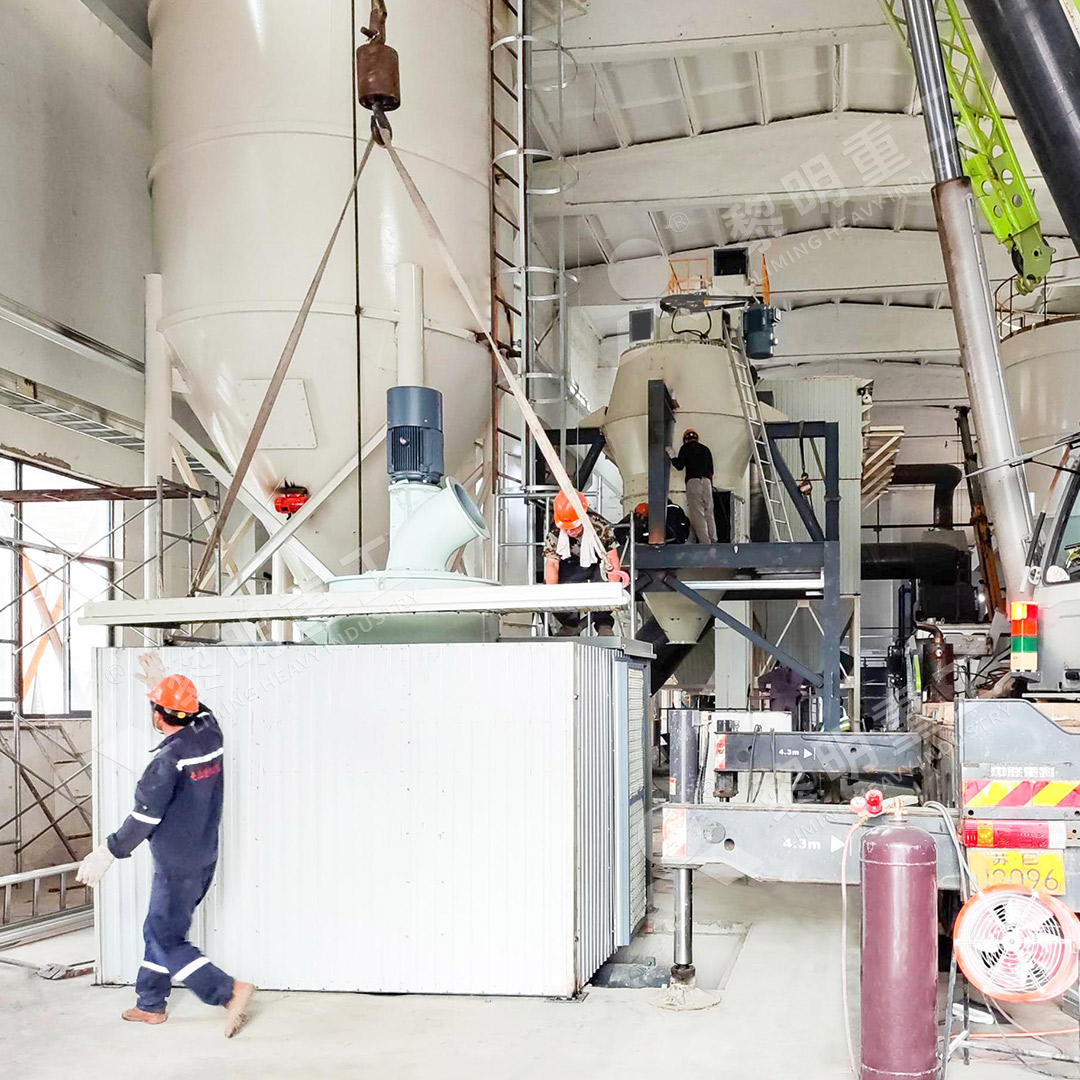
Technical Innovations Addressing Iraqi Operational Challenges
The MW Ultrafine Grinding Mill incorporates several groundbreaking features that directly address the specific challenges faced by Iraqi cement producers:
Dust and Noise Management: Equipped with an efficient pulse dust collector and muffler system, the MW Mill effectively minimizes environmental impact – a growing concern in Iraq’s urban and industrial areas. The complete system operates according to international environmental protection standards, ensuring compliance with increasingly stringent regulatory requirements.
Enhanced Reliability: The innovative design eliminates rolling bearings and screws in the grinding chamber, eliminating common failure points and concerns about bearing damage or loose fasteners causing operational disruptions. This robust construction is particularly valuable in Iraq, where access to specialized technical expertise and spare parts can sometimes be challenging.
External Lubrication System: With lubricating devices installed outside the main shaft, the mill enables lubrication without shutdown, supporting continuous 24-hour operation – essential for maximizing production efficiency in capital-intensive cement manufacturing.
Operational Benefits for Iraqi Cement Manufacturers
Implementing the MW Ultrafine Grinding Mill in Iraqi cement plants delivers tangible operational advantages:
Energy Efficiency: The system consumes only 30% of the energy required by jet grinding mills, significantly reducing electricity costs – a major operational expense in cement production.
Product Quality Consistency: Advanced control systems maintain consistent product quality despite variations in raw material characteristics, ensuring reliable cement performance in concrete applications.
Reduced Maintenance Requirements: The simplified mechanical design and absence of internal bearings dramatically reduce maintenance needs and associated downtime, increasing overall equipment effectiveness.
Environmental Compliance: Comprehensive dust collection and noise reduction features facilitate compliance with environmental standards, supporting sustainable development objectives.
Implementation Strategy for Iraqi Cement Plants
Successfully integrating advanced roller mill technology into existing Iraqi cement operations requires careful planning and execution. We recommend a phased approach, beginning with a comprehensive assessment of current operations, raw material characteristics, and product requirements. This evaluation informs the selection of appropriate mill configuration and ancillary equipment to optimize performance for specific operational conditions.
Our technical team has extensive experience supporting installations throughout the Middle East, including challenging environments similar to those found in Iraq. We provide complete project management, from initial feasibility studies through commissioning and operator training, ensuring smooth technology transfer and sustainable operational excellence.
Future Outlook: Positioning Iraqi Cement for Global Competitiveness
As Iraq continues its reconstruction and development journey, adopting advanced grinding technologies like the MW Ultrafine Grinding Mill will be crucial for building a globally competitive cement industry. These technologies not only enhance operational efficiency and product quality but also support the development of specialized cement products for specific applications, from high-performance concrete for infrastructure projects to specialized formulations for oil and gas installations.
The ongoing digitalization of cement manufacturing presents additional opportunities for optimization. Modern roller mills with integrated control systems provide the data infrastructure necessary for implementing Industry 4.0 concepts, enabling predictive maintenance, real-time optimization, and remote monitoring – capabilities that will define the next generation of cement production in Iraq and beyond.
Conclusion
The optimization of cement clinker processing through advanced roller mill technology represents a significant opportunity for Iraqi cement producers to enhance competitiveness, reduce environmental impact, and support the nation’s reconstruction efforts. The MW Ultrafine Grinding Mill, with its exceptional efficiency, reliability, and flexibility, provides a technological platform capable of meeting the diverse challenges of cement production in Iraq while positioning operations for long-term success in an increasingly competitive global marketplace.
Frequently Asked Questions
What makes roller mills more suitable than ball mills for cement clinker grinding in Iraq?
Roller mills offer 30-50% lower energy consumption, better product quality control, and superior drying capabilities – all critical advantages given Iraq’s high temperatures and energy costs. Their compact design also reduces installation footprint and capital costs.
How does the MW Ultrafine Grinding Mill handle Iraq’s extreme summer temperatures?
The mill incorporates advanced cooling systems and heat-resistant materials specifically engineered for high-temperature operations. The external lubrication system prevents overheating, while the robust construction ensures stable performance even in demanding environmental conditions.
What technical support is available for installations in Iraq?
We provide comprehensive technical support including installation supervision, operator training, and ongoing maintenance assistance. Our regional service network ensures prompt response times, while digital monitoring capabilities enable remote diagnostics and support.
Can the MW Mill process Iraqi raw materials with varying moisture content?
Yes, the integrated drying capability allows processing of materials with moisture content up to 15-20% without requiring separate drying equipment. The system can utilize waste heat from kiln exhaust gases, further enhancing energy efficiency.
What is the typical payback period for investing in advanced grinding technology?
Most operations achieve payback within 18-36 months through energy savings, increased production capacity, and reduced maintenance costs. The exact timeframe depends on specific operational factors and production volumes.
How does the mill ensure consistent product quality with varying raw material composition?
Advanced control systems continuously monitor and adjust operational parameters to maintain consistent product characteristics. The precision particle separation system ensures uniform particle size distribution regardless of feed variations.
What spare parts availability can Iraqi operations expect?
We maintain strategic inventory of critical spare parts in regional warehouses to ensure minimal downtime. Our digital tracking system enables proactive parts management, while local technical partnerships provide additional support capacity.
Can the equipment be integrated with existing cement plant systems?
Yes, the MW Mill is designed for seamless integration with existing plant infrastructure. Our engineering team conducts comprehensive compatibility assessments and provides customized interface solutions to ensure smooth integration.