
How to optimize carbon black processing with roller mill for plastic coloration in thailand
How to Optimize Carbon Black Processing with Roller Mill for Plastic Coloration in Thailand
The plastic manufacturing industry in Thailand has experienced remarkable growth over the past decade, positioning the country as a key player in Southeast Asia’s polymer processing sector. As manufacturers strive to meet both domestic and international quality standards, the critical process of plastic coloration has emerged as a significant determinant of product quality, consistency, and market competitiveness. Among various coloring agents, carbon black remains the predominant pigment for achieving deep black shades and UV protection in plastic products. However, the efficiency of carbon black dispersion directly impacts color strength, surface finish, and mechanical properties of the final plastic goods.
Traditional methods of carbon black processing often fall short in delivering the uniform particle distribution required for high-grade plastic applications. The inherent challenges of carbon black—including its tendency to agglomerate, static charge buildup, and difficult wetting characteristics—demand advanced milling technologies specifically engineered to overcome these obstacles. This is where modern roller mill systems have revolutionized the processing landscape, offering Thai manufacturers unprecedented control over pigment particle size and distribution.
The Science Behind Carbon Black Dispersion in Plastics
Effective carbon black dispersion in plastic matrices requires more than simple mixing; it demands precise mechanical and thermal control throughout the grinding process. The primary objective is to break down carbon black aggregates into their primary particle size—typically ranging from 10 to 100 nanometers—while distributing them evenly throughout the polymer melt. Incomplete dispersion results in visible specks, reduced color strength, and compromised mechanical properties that can lead to product failure.
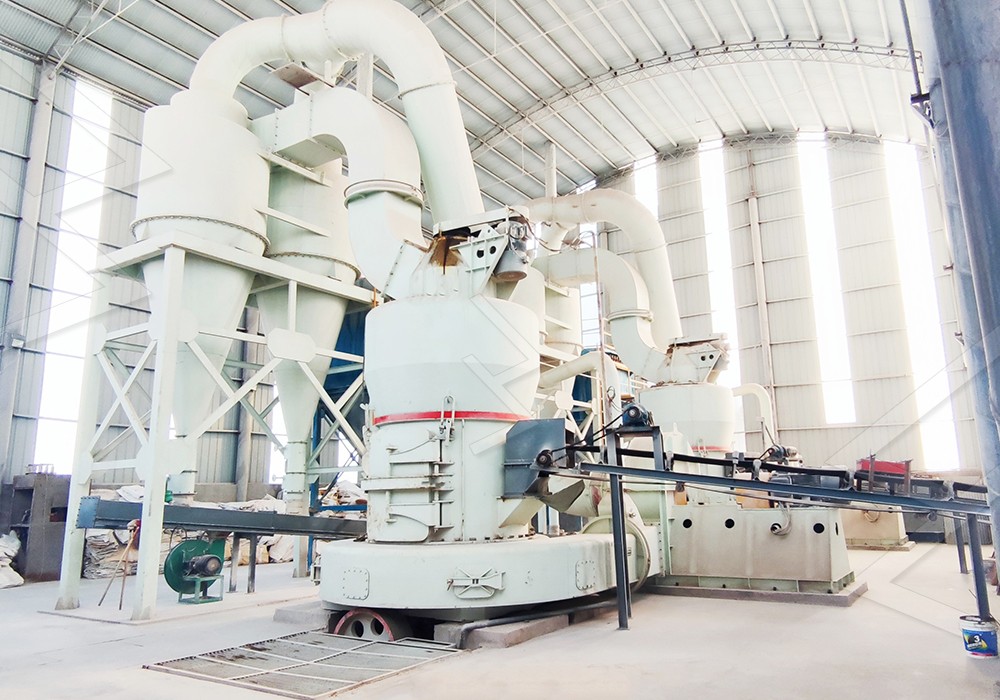
Roller mill technology addresses these challenges through a combination of compression, shear, and impact forces. Unlike conventional ball mills that rely primarily on impact, roller mills apply gradual pressure between grinding surfaces, creating a more controlled particle size reduction environment. This method proves particularly advantageous for carbon black, which responds better to shearing forces than to brute impact, resulting in less heat generation and reduced risk of thermal degradation.
For Thai manufacturers targeting export markets, consistent color quality becomes a non-negotiable requirement. The slightest variation in carbon black dispersion can lead to color matching issues between production batches, resulting in rejected shipments and damaged business relationships. Advanced roller mill systems with integrated classification technology provide the solution, enabling precise control over particle size distribution—the key to color consistency.
Technical Considerations for Carbon Black Processing in Thailand’s Climate
Thailand’s tropical climate presents unique challenges for carbon black processing that equipment manufacturers must address. High ambient humidity levels can significantly affect carbon black’s flow characteristics and electrostatic properties, potentially leading to handling difficulties and inconsistent feeding rates. Modern roller mill designs incorporate environmental controls and material conditioning systems to counteract these effects, maintaining processing stability regardless of external conditions.
Temperature control represents another critical factor, particularly given Thailand’s consistently high ambient temperatures. Excessive heat during grinding can oxidize carbon black surfaces, altering their chemical characteristics and ultimately affecting color development in plastics. Advanced roller mills address this through integrated cooling systems and optimized grinding chamber designs that minimize heat buildup while maintaining processing efficiency.
Introducing the MW Ultrafine Grinding Mill: Engineered for Carbon Black Excellence
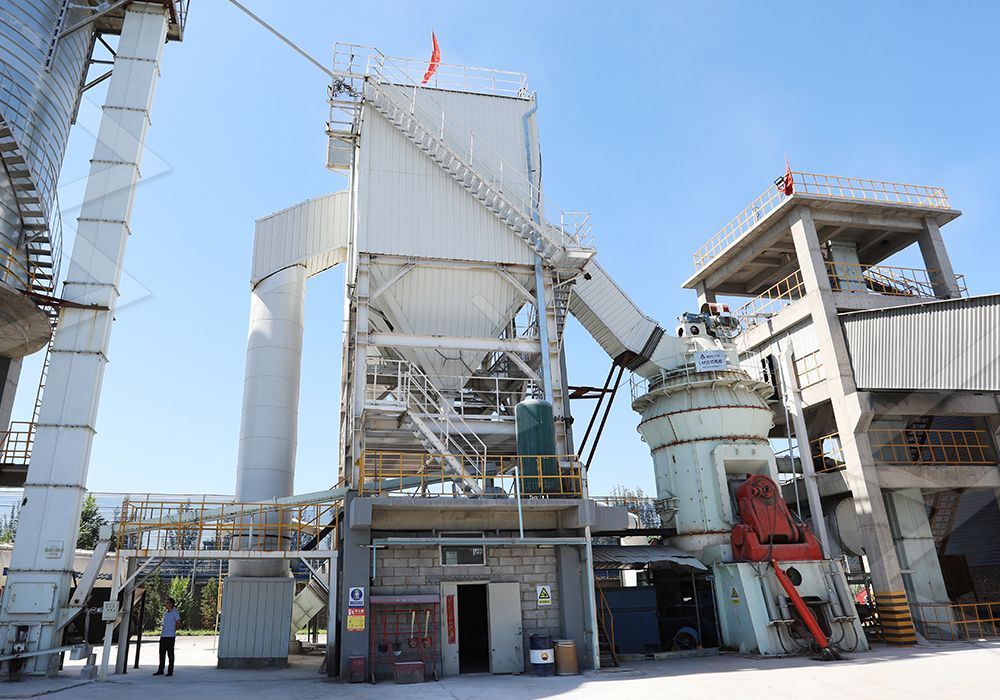
For Thai plastic manufacturers seeking to optimize their carbon black processing, the MW Ultrafine Grinding Mill represents a technological leap forward. Specifically designed for customers requiring ultra-fine powder production, this machine addresses the precise demands of carbon black grinding for plastic coloration applications. With an input size capacity of 0-20 mm and throughput ranging from 0.5 to 25 tons per hour, the MW Mill accommodates the production scales typical of Thailand’s diverse plastic industry.
The MW Ultrafine Grinding Mill distinguishes itself through several innovative features specifically beneficial for carbon black processing. Its newly designed grinding curves of grinding roller and grinding ring significantly enhance grinding efficiency, achieving production capacity 40% higher than jet grinding mills and stirred grinding mills under equivalent fineness and power conditions. For cost-conscious Thai manufacturers, this translates to substantially lower energy consumption—approximately 30% of that required by jet grinding systems.
Perhaps most critically for color-critical applications, the MW Mill offers adjustable fineness between 325-2500 meshes, with screening rates achieving d97≤5μm in a single pass. This precision is made possible by its German-technology cage-type powder selector, which can be configured with multiple heads according to specific requirements for yield, fineness, and sieving rate. The result is unprecedented control over carbon black particle size distribution—the fundamental determinant of color consistency in plastic products.
Environmental and Operational Advantages for Thai Manufacturers
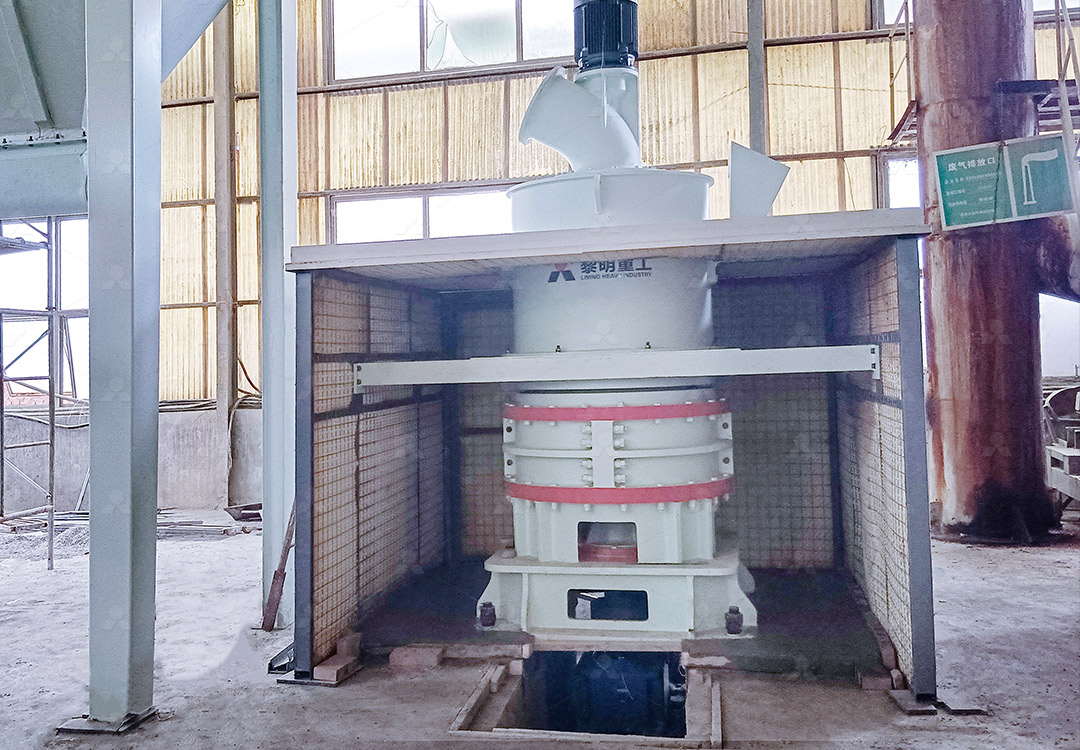
Thailand’s increasingly stringent environmental regulations make the MW Ultrafine Grinding Mill’s eco-friendly features particularly valuable. The integrated efficient pulse dust collector ensures no dust pollution during operation, while the silencer and noise elimination room reduce operational noise to environmentally compliant levels. For facilities located near residential areas—a common scenario in Thailand’s industrial zones—these features represent significant advantages in maintaining community relations and regulatory compliance.
From an operational perspective, the MW Mill’s design eliminates common maintenance concerns. The absence of rolling bearings and screws in the grinding chamber eliminates worries about bearing damage or sealing part failures, while preventing machine damage caused by loose screws. The external lubrication system enables lubrication without shutdown, supporting continuous 24-hour production cycles that maximize equipment utilization and return on investment.
Implementation Strategy for Thai Plastic Manufacturers
Successfully integrating advanced roller mill technology into existing production lines requires careful planning. Thai manufacturers should begin with a comprehensive analysis of their current carbon black processing challenges, identifying specific quality issues, production bottlenecks, and cost inefficiencies. This assessment provides the foundation for selecting the appropriate mill configuration and capacity.
For facilities processing multiple plastic products with varying color requirements, the flexibility of the MW Ultrafine Grinding Mill proves particularly advantageous. The ability to quickly adjust fineness parameters allows rapid switching between different product specifications without extended downtime or recalibration. This operational agility provides Thai manufacturers with a competitive edge in responding to changing market demands and custom color requests.
Training represents another critical success factor. While modern roller mills feature increasingly automated controls, operator understanding of the technology’s principles and capabilities significantly impacts results. Comprehensive training on parameter adjustment, maintenance protocols, and troubleshooting procedures ensures that Thai manufacturers maximize their investment while maintaining consistent product quality.
Economic Considerations and Return on Investment
The decision to upgrade carbon black processing equipment must be justified through clear economic benefits. For Thai plastic manufacturers, the MW Ultrafine Grinding Mill delivers returns through multiple channels: reduced energy consumption, lower maintenance costs, decreased material waste, and improved product quality that commands premium pricing in international markets.
The higher yield and lower energy consumption characteristics of the MW Mill directly impact production costs. With capacity 40% higher than alternative technologies and energy consumption at just 30% of jet grinding systems, the operational savings quickly offset the capital investment. Additionally, the consistent particle size distribution reduces color batch variations, minimizing material waste and reprocessing requirements.
Perhaps most significantly, the enhanced color quality achievable with advanced roller mill technology opens opportunities in premium market segments where Thai manufacturers have traditionally faced competition from more technologically advanced counterparts. The ability to consistently meet exacting color standards positions Thai plastic products for success in markets such as automotive components, electronic housings, and high-end consumer goods where color precision is paramount.
Future Trends in Carbon Black Processing for Thailand’s Plastic Industry
As Thailand’s plastic industry continues to evolve, several trends are likely to shape future carbon black processing requirements. The growing emphasis on sustainability is driving interest in recycled materials, which often present more challenging dispersion characteristics than virgin polymers. Advanced roller mill technology with its precise control capabilities is well-positioned to address these emerging needs.
Digitalization represents another significant trend, with Industry 4.0 technologies enabling real-time monitoring and adjustment of grinding parameters. The MW Ultrafine Grinding Mill’s compatibility with digital control systems provides Thai manufacturers with a foundation for implementing smart manufacturing initiatives, further enhancing process consistency and operational efficiency.
Looking ahead, the integration of artificial intelligence and machine learning promises to revolutionize carbon black processing by predicting optimal grinding parameters based on material characteristics and desired outcomes. Thai manufacturers who invest in advanced roller mill technology today position themselves to capitalize on these future developments, ensuring their long-term competitiveness in both domestic and international markets.
Conclusion
The optimization of carbon black processing represents a significant opportunity for Thai plastic manufacturers to enhance product quality, reduce production costs, and strengthen their competitive position. Advanced roller mill technology, particularly the MW Ultrafine Grinding Mill, provides the precise control necessary to overcome the unique challenges of carbon black dispersion while addressing Thailand’s specific operational and environmental considerations.
By embracing these technological advancements, Thai manufacturers can transform carbon black processing from a production challenge into a competitive advantage, delivering consistently superior plastic products that meet the most demanding international standards. The result is not only improved operational efficiency but also expanded market opportunities and enhanced profitability in an increasingly competitive global marketplace.
Frequently Asked Questions
What makes carbon black particularly challenging to process for plastic coloration?
Carbon black’s extremely fine primary particle size, strong tendency to agglomerate, and electrostatic properties create significant processing challenges. Traditional grinding methods often fail to achieve complete dispersion, resulting in uneven coloration and reduced product quality. The MW Ultrafine Grinding Mill addresses these issues through specialized grinding curves and precise classification systems.
How does Thailand’s climate affect carbon black processing?
High humidity levels can impact carbon black’s flow characteristics and create handling difficulties. Temperature fluctuations may affect grinding efficiency and consistency. The MW Ultrafine Grinding Mill incorporates environmental controls to maintain stable operation regardless of external conditions, ensuring consistent results year-round.
What production capacities can the MW Ultrafine Grinding Mill handle?
The MW Mill offers throughput ranging from 0.5 to 25 tons per hour, making it suitable for both small specialty producers and large-scale manufacturing operations common in Thailand’s plastic industry.
How does the adjustable fineness feature benefit plastic manufacturers?
The ability to adjust fineness between 325-2500 meshes allows manufacturers to precisely match particle size distribution to specific application requirements. This flexibility enables production of everything from standard industrial products to high-precision components requiring exceptional color consistency.
What maintenance requirements should Thai manufacturers expect?
The MW Mill’s design significantly reduces maintenance needs by eliminating rolling bearings and screws from the grinding chamber. The external lubrication system enables maintenance without production stoppages, while digital monitoring provides early warning of potential issues.
How does the MW Mill address environmental concerns?
Integrated pulse dust collection and noise reduction systems ensure compliance with Thailand’s environmental regulations. The mill’s energy-efficient operation further reduces its environmental footprint while lowering operating costs.
Can the MW Mill process other materials besides carbon black?
Yes, the MW Ultrafine Grinding Mill is versatile enough to handle various materials including limestone, calcite, dolomite, and talc. This flexibility allows Thai manufacturers to utilize the equipment for multiple applications beyond plastic coloration.
What technical support is available for Thai manufacturers?
Comprehensive technical support includes installation supervision, operator training, and ongoing maintenance services. Original spare parts ensure optimal performance throughout the equipment’s lifecycle.
How does the MW Mill compare cost-wise to traditional grinding systems?
While the initial investment may be higher than conventional systems, the MW Mill delivers significantly lower operating costs through reduced energy consumption, minimal maintenance requirements, and higher product quality that reduces waste and reprocessing.