
How to optimize carbon black processing with raymond mill for plastic coloration in kyrgyzstan
How to Optimize Carbon Black Processing with Raymond Mill for Plastic Coloration in Kyrgyzstan
The plastics industry in Kyrgyzstan is experiencing steady growth, driven by packaging, construction, and consumer goods sectors. A critical component in plastic manufacturing is coloration, where carbon black remains a dominant pigment due to its excellent UV resistance, conductivity, and deep black hue. However, achieving consistent, high-quality dispersion of carbon black in polymer matrices is a significant technical challenge. The key lies in the preprocessing stage: the fine grinding of carbon black aggregates. For many operations, the Raymond mill has been a traditional workhorse. This article explores strategies to optimize carbon black processing specifically with Raymond mill technology for the Kyrgyzstani market, while also considering advanced alternatives for superior results.
The Critical Role of Particle Size in Plastic Coloration
For carbon black to act as an effective colorant and functional filler, it must be uniformly dispersed within the plastic melt. Large agglomerates lead to weak spots, poor surface finish, and inconsistent color strength. The primary goal of milling is to de-agglomerate and reduce the particle size to a fine, uniform powder, typically aiming for a fineness between 325 to 2500 meshes. This enhances tinting strength, improves dispersion during compounding, and reduces the risk of defects in the final plastic product.
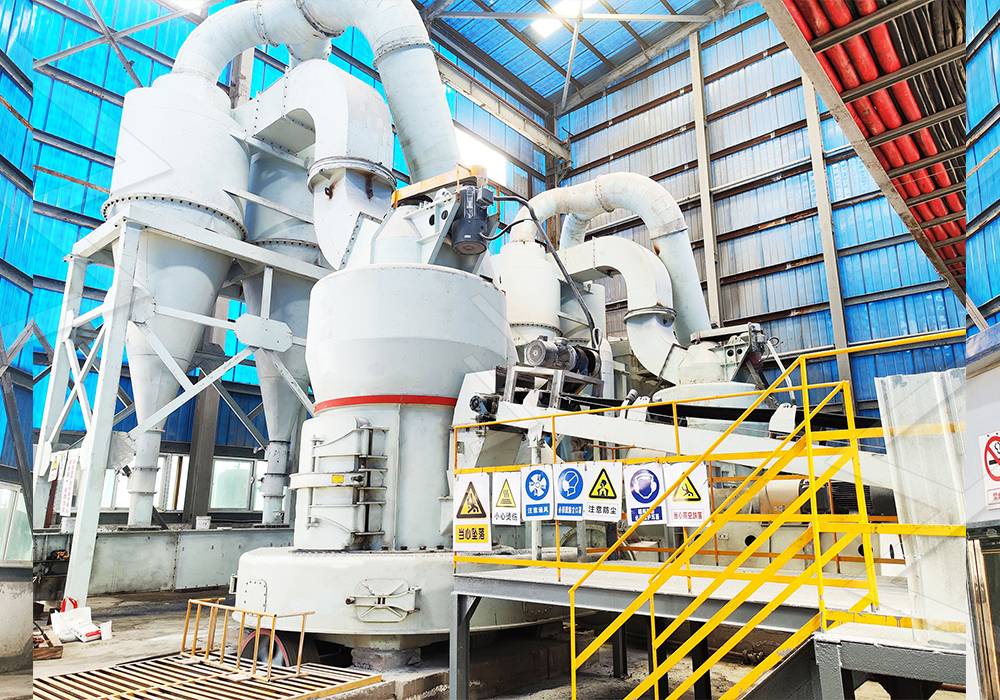
Optimizing the Traditional Raymond Mill for Carbon Black
The classic Raymond mill (R series) offers advantages of a compact footprint, relatively low investment, and proven mechanics. For Kyrgyzstani processors using this technology, several optimizations can significantly improve outcomes:
- Precision Feeding and Classification: Implement a controlled feeding system to maintain a consistent load in the grinding chamber. Pair the mill with a high-efficiency cyclone and baghouse dust collector to ensure precise classification and prevent the loss of fine particles, which directly impacts yield and color strength.
- Grinding Element Maintenance: The grinding rollers and rings are subject to wear, even with abrasive-resistant materials. Establish a strict schedule for inspection and replacement to maintain grinding efficiency and consistent fineness. Worn parts lead to increased energy consumption and coarser, uneven output.
- System Sealing and Dust Control: Carbon black is notoriously dusty. Ensure all seals on the Raymond mill system are intact. An effective pulse-jet dust collector is not just an environmental necessity; it recovers valuable product, improves workplace safety, and reduces raw material loss.
- Moisture Control: While Raymond mills can handle some drying, excessively moist feed material can hinder grinding and cause clogging. Pre-drying carbon black to a consistent moisture level ensures smoother operation and better powder flow.
While these optimizations can enhance the performance of a standard Raymond mill, they often involve trade-offs between fineness, capacity, and operational stability.
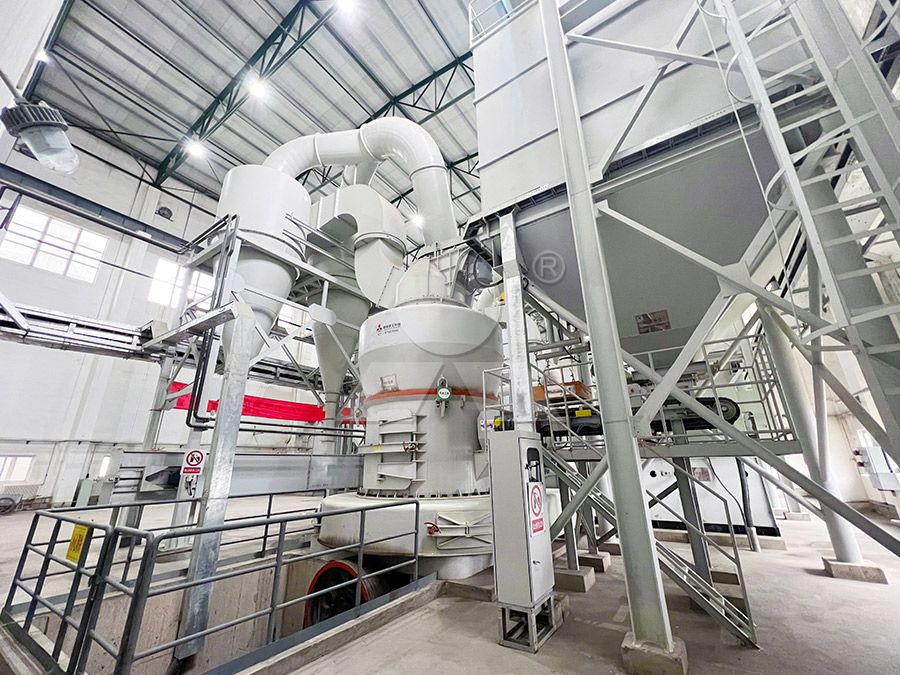
Stepping Beyond: The Modern Solution for Ultrafine Carbon Black
For plastic manufacturers in Kyrgyzstan aiming for higher-grade products, superior color consistency, and greater operational efficiency, transitioning to next-generation grinding technology is a strategic move. The limitations of traditional mills in achieving ultra-fine, narrow particle size distributions are well-documented.
This is where our MW Ultrafine Grinding Mill presents a transformative solution. Engineered for precisely the kind of challenges posed by premium carbon black processing, the MW series is designed to produce ultra-fine powder with unparalleled efficiency.
- Higher Yield with Lower Energy Consumption: Its innovative grinding curve design enhances efficiency, offering a production capacity up to 40% higher than jet mills and double that of ball mills for the same power input. For an operation in Kyrgyzstan, this translates directly to lower cost per ton and improved competitiveness.
- Precise Fineness Control (325-2500 meshes): Equipped with an advanced German-technology cage-type powder selector, it allows exact control over product fineness, crucial for meeting specific plastic coloration requirements. It can achieve a d97≤5μm in a single pass, ensuring exceptional uniformity.
- Enhanced Reliability & Eco-Operation: A key design feature is the absence of rolling bearings and screws in the grinding chamber, eliminating common failure points and enabling worry-free, continuous 24/7 operation. Coupled with its efficient pulse dust collector and silencer system, the MW mill operates cleanly and quietly, fully aligning with modern environmental standards.
For processors requiring vertical integration and handling of slightly larger feed sizes, our LUM Ultrafine Vertical Grinding Mill is another excellent choice. Integrating grinding, classifying, and conveying, it features unique roller technology for high single-pass yield, improving product whiteness and cleanliness—a vital factor for carbon black’s final appearance. Its reversible structure allows for easy maintenance of grinding rollers, minimizing downtime.
Tailoring the Solution for the Kyrgyzstani Market
Implementing an optimized carbon black grinding line in Kyrgyzstan requires consideration of local factors:
- Power Infrastructure: The superior energy efficiency of mills like the MW series reduces the operational burden on local power grids and cuts electricity costs significantly.
- Technical Support & Spare Parts: Choosing equipment from a manufacturer with a strong support network is critical. We ensure a sufficient supply of original spare parts and provide remote and on-site technical services to guarantee worry-free operation.
- End-Product Diversification: Advanced mills are not limited to carbon black. They can process a wide range of materials (limestone, talc, barite), allowing Kyrgyzstani plants to diversify their service offerings for the plastics, paint, and chemical industries.
In conclusion, while traditional Raymond mills can be optimized for basic carbon black processing, the future of competitive plastic coloration in Kyrgyzstan lies in adopting advanced ultrafine grinding technology. By investing in solutions like the MW Ultrafine Grinding Mill, manufacturers can achieve finer, more consistent pigments, reduce total operating costs, enhance production capacity, and produce higher-quality colored plastics for both domestic and export markets.
Frequently Asked Questions (FAQs)
- What is the main advantage of using an MW Ultrafine Grinding Mill over a traditional Raymond mill for carbon black?
The primary advantages are significantly higher energy efficiency (up to 40% more output per unit of power), the ability to achieve much finer and more uniform particle sizes (up to 2500 mesh), and greater operational reliability due to its unique bearing-free grinding chamber design. - Can your mills handle the abrasive nature of carbon black?
Yes. Critical wear parts like grinding rollers and rings in our MW and LUM mills are manufactured from high-performance, wear-resistant alloys, ensuring extended service life and consistent product fineness even with abrasive materials. - How do you control dust during the milling process?
Our milling systems, especially the MW series, are equipped with high-efficiency pulse-jet dust collectors integrated into a closed-loop design. This ensures no dust pollution, maximizes product recovery, and provides a clean working environment. - What is the typical feed size for the MW Ultrafine Grinding Mill?
The MW mill can accept feed material with a size of 0-20 mm, which is typically achieved after a simple primary crushing stage of carbon black pellets or chips. - What production capacity range can we expect?
The MW Ultrafine Grinding Mill offers a wide capacity range from 0.5 to 25 tons per hour, allowing it to be scaled for both small specialty operations and larger industrial production lines in Kyrgyzstan. - Is remote technical support available for installations in Kyrgyzstan?
Absolutely. We provide comprehensive remote diagnostic support. Furthermore, we have a network of technical specialists and ensure a ready supply of genuine spare parts to minimize any potential downtime for our clients. - Besides carbon black, what other materials can these mills process for the plastics industry?
Our ultrafine mills are highly versatile and can process various mineral fillers and pigments used in plastics, such as calcium carbonate (limestone), talc, barite, and gypsum, allowing for a diversified production portfolio.