
How to optimize carbon black processing with grinding mill for plastic coloration in algeria
How to Optimize Carbon Black Processing with Grinding Mill for Plastic Coloration in Algeria
The Algerian plastics industry is experiencing significant growth, driven by domestic demand and export potential. A critical component in this sector is the consistent, high-quality coloration of plastic products, where carbon black remains a dominant and essential pigment. However, achieving optimal dispersion and color strength from carbon black masterbatch or powder is a persistent technical challenge. The key lies in the grinding process. Selecting and operating the right grinding mill technology directly impacts product quality, operational efficiency, and overall profitability for Algerian processors.
Carbon black, due to its inherently fine particle size and strong tendency to agglomerate, requires precise milling to break down these clusters and achieve a uniform, stable dispersion within the polymer matrix. Inadequate grinding leads to poor color development, surface defects, and can even compromise the mechanical properties of the final plastic product. For Algerian manufacturers aiming to compete in both local and international markets, investing in advanced grinding solutions is not an option but a necessity.
The Core Challenge: Achieving Ultra-Fine, Consistent Dispersion
The primary goal in carbon black processing for plastics is to reduce the agglomerates to their primary particle size or to an optimal fineness that ensures maximum tinting strength and jetness. This requires mills capable of applying controlled mechanical force and shear. Traditional ball mills, while common, often suffer from limitations such as broad particle size distribution, high energy consumption, and potential for iron contamination—a critical issue that can lead to grey undertones in black plastics.
Modern grinding technologies address these shortcomings. The ideal system for carbon black in Algeria must offer:
- Precise Particle Size Control: Ability to produce powders in a narrow, targeted range (often between 325 to 2500 meshes).
- High Efficiency & Low Energy Use: Reducing operational costs is paramount, especially considering energy dynamics.
- Contamination-Free Grinding: Minimizing iron or other metallic wear to preserve carbon black’s purity and color.
- Environmental Compliance: Fully enclosed, dust-free operation to protect workers and meet environmental standards.
- Robustness & Ease of Maintenance: With reliable local technical support being a consideration.
Advanced Mill Technology: The Path to Superior Quality
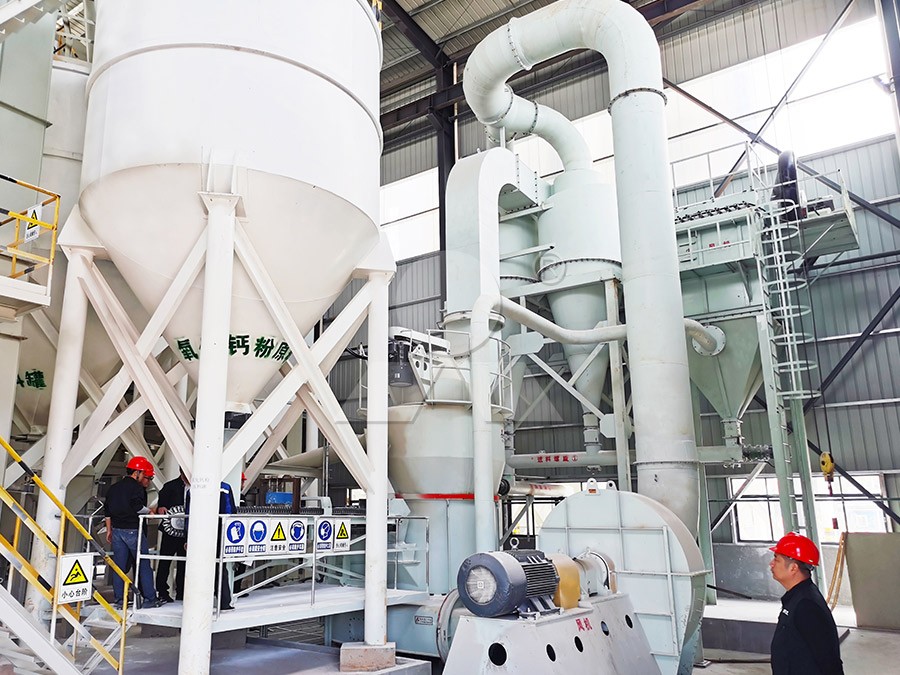
Moving beyond conventional systems, several grinding mill designs offer distinct advantages for carbon black processing. Vertical roller mills, for instance, integrate drying, grinding, and classifying in a single unit, offering compact footprints and excellent energy efficiency. Their grinding mechanism, where material is ground between rollers and a rotating table, provides consistent pressure and is well-suited for achieving fine powders.
However, for the ultimate in fineness and precision required for high-grade plastic coloration, especially in masterbatch production, ultrafine grinding mills represent the technological pinnacle. These mills are engineered to deliver particle sizes down to the micron and sub-micron level, which is crucial for unlocking the full color potential and dispersion quality of carbon black.
Recommended Solution: The MW Ultrafine Grinding Mill
For Algerian processors seeking to elevate their carbon black processing capabilities, the MW Ultrafine Grinding Mill presents a compelling, tailored solution. This machine is specifically designed for producing ultra-fine powder with exceptional consistency, making it ideal for demanding applications like plastic pigment preparation.
Key features that address the Algerian market’s needs include:
- Higher Yielding, Lower Energy Consumption: Its innovative grinding curve design enhances efficiency, offering up to 40% higher capacity than jet mills while consuming only about 30% of the energy. This directly translates to lower cost per ton of processed carbon black.
- Adjustable Fineness (325-2500 meshes): The advanced German-technology cage-type powder selector allows precise control over final particle size. You can dial in the exact fineness required for your specific plastic resin and application, ensuring optimal dispersion and color strength every time.
- Contamination-Free Operation: A critical design advantage is the absence of rolling bearings and screws within the grinding chamber. This eliminates a major source of iron wear and potential contamination, safeguarding the deep, pure black color of your pigment.
- Eco-Friendly and Compliant: The integrated efficient pulse dust collector ensures a completely dust-free operation, while silencers manage noise. The entire system is designed to meet stringent national and international environmental protection standards, a crucial factor for sustainable operation in Algeria.
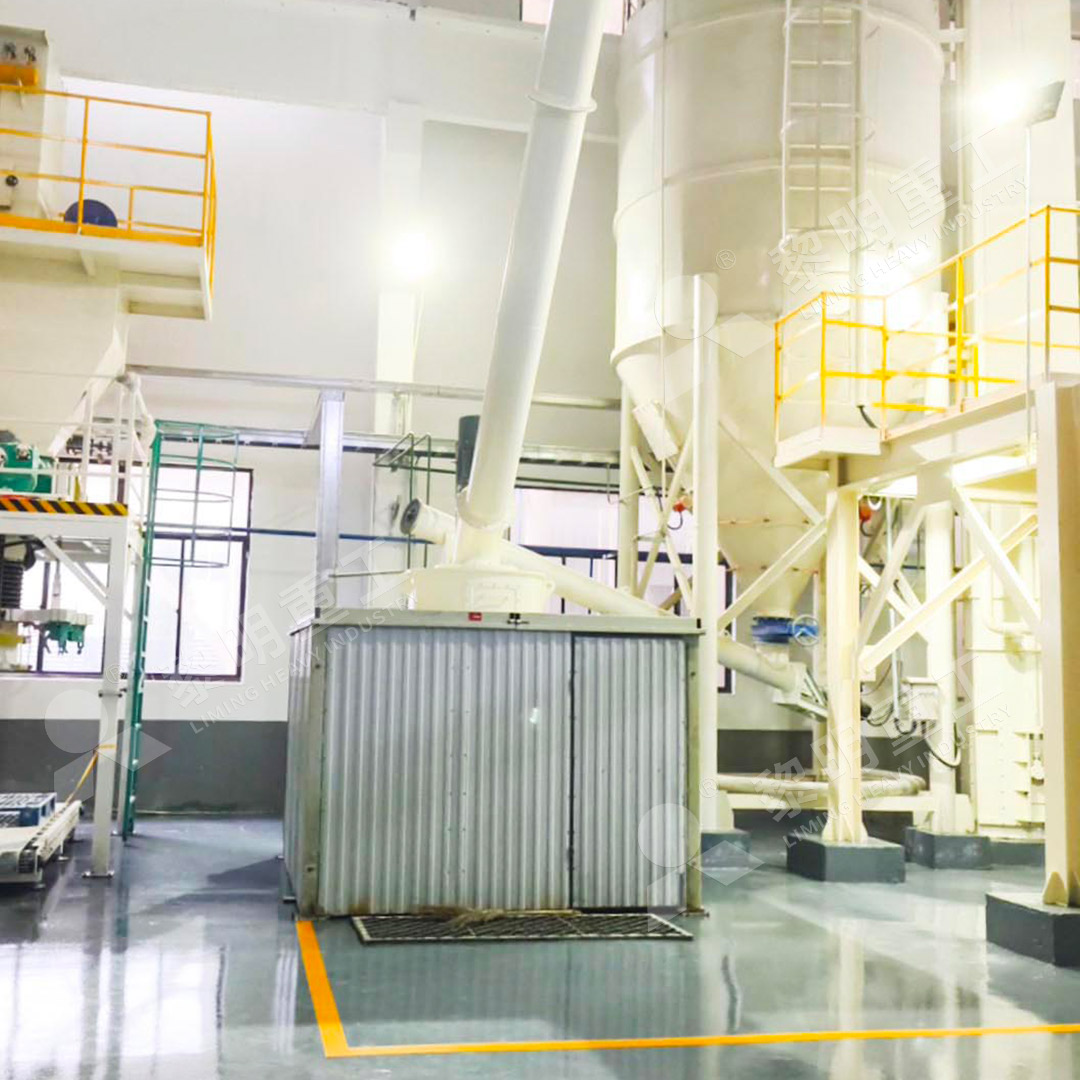
With an input size of 0-20 mm and a capacity range of 0.5-25 tph, the MW series offers flexibility for various production scales, from pilot projects to full-scale industrial lines.
Integration and Operational Best Practices in Algeria
Implementing an advanced mill like the MW series is part of a holistic optimization strategy. Successful integration for carbon black processing in Algeria should consider:
- Feedstock Preparation: Ensure carbon black feedstock is pre-crushed and dried to within the mill’s specified input parameters (0-20 mm for the MW Mill) for stable feeding and optimal grinding efficiency.
- System Sealing: Maintain the integrity of the closed-loop grinding and collection system to prevent pigment loss and environmental release.
- Preventive Maintenance: Leverage the mill’s external lubrication system and accessible design for regular checks. Partnering with a supplier that guarantees sufficient supply of original spare parts and worry-free technical support is essential for minimizing downtime.
- Quality Control: Regularly test the fineness and dispersion quality of the milled carbon black in your target polymer to calibrate the mill’s separator settings for perfect results.
Conclusion: A Strategic Investment for Competitive Advantage
Optimizing carbon black processing is a direct investment in product quality and market competitiveness for the Algerian plastics industry. By transitioning from outdated milling technology to advanced, purpose-built systems like the MW Ultrafine Grinding Mill, manufacturers can achieve unparalleled color quality, reduce operational costs through energy savings, and ensure environmentally responsible production. This technological upgrade not only solves the immediate challenge of pigment dispersion but also positions Algerian plastic products for success in quality-conscious markets, both at home and abroad.
Frequently Asked Questions (FAQs)
- What is the most important factor when choosing a mill for carbon black?
The ability to produce a consistent, ultra-fine powder (controllable within a narrow range like 325-2500 mesh) without metallic contamination is paramount for color quality. - How does the MW Mill prevent iron contamination?
Its design has no rolling bearings or screws inside the grinding chamber. The grinding elements use wear-resistant alloys, and lubrication points are external, virtually eliminating iron wear from mechanical parts contacting the pigment. - Can the same mill handle different carbon black grades?
Yes, mills like the MW series with adjustable fineness and separator speed can be tuned to optimally process various carbon black feedstocks, from furnace blacks to channel blacks, for different plastic applications. - Is the system suitable for Algeria’s environmental regulations?
Absolutely. The MW Mill is equipped with a high-efficiency pulse dust collector and noise reduction equipment, designed for full compliance with environmental standards, ensuring clean and safe operation. - What about after-sales service and spare parts availability?
Choosing a supplier with a strong commitment to after-sales is crucial. Look for providers who offer comprehensive technical services and guarantee the supply of original spare parts to ensure long-term, worry-free operation. - How significant are the energy savings compared to a traditional ball mill?
Savings are substantial. Advanced mills can reduce energy consumption by 30% to 50% or more compared to traditional ball milling systems, offering a rapid return on investment. - What production capacity range is available for medium-scale plastic plants?
Models like the MW Ultrafine Grinding Mill offer a flexible capacity range from 0.5 to 25 tons per hour, allowing selection of a unit that precisely matches your production volume requirements.