
How to optimize calcium carbonate processing with grinding mill for plastic filler in nigeria
How to Optimize Calcium Carbonate Processing with Grinding Mill for Plastic Filler in Nigeria
The Nigerian plastics industry represents one of Africa’s fastest-growing manufacturing sectors, with an increasing demand for high-quality fillers that enhance product properties while reducing production costs. Calcium carbonate (CaCO3) stands as the predominant filler material, prized for its ability to improve stiffness, impact resistance, and dimensional stability in plastic products while significantly lowering raw material expenses. However, the effectiveness of calcium carbonate as a plastic filler depends critically on its particle size distribution, purity, and surface properties—all factors directly influenced by grinding technology selection and processing optimization.

The Critical Role of Particle Size in Plastic Filler Applications
For plastic manufacturing applications, particularly in rigid PVC, polypropylene, and polyethylene products common in Nigerian markets, the ideal calcium carbonate filler typically requires a top cut of 10-20 microns with a significant proportion of particles below 5 microns. This specific particle size distribution ensures optimal dispersion within the polymer matrix while maintaining mechanical properties. Traditional ball mills often struggle to achieve this narrow distribution efficiently, resulting in either excessive energy consumption or inconsistent product quality that can compromise final plastic product performance.
The challenges are particularly pronounced in Nigeria, where operational costs, energy reliability, and environmental considerations demand robust, efficient solutions. Many local processors continue to rely on outdated equipment that produces calcium carbonate with broad particle size distributions, limiting its effectiveness as a functional filler and potentially introducing quality inconsistencies in finished plastic goods.
Advanced Grinding Technology for Superior Filler Production
Modern grinding mill technology has revolutionized calcium carbonate processing for plastic filler applications. Unlike conventional systems that merely crush materials, advanced mills integrate precise classification with efficient grinding mechanisms to produce tailored particle distributions with minimal energy input. This technological evolution is particularly valuable in the Nigerian context, where optimizing operational efficiency directly impacts competitiveness.
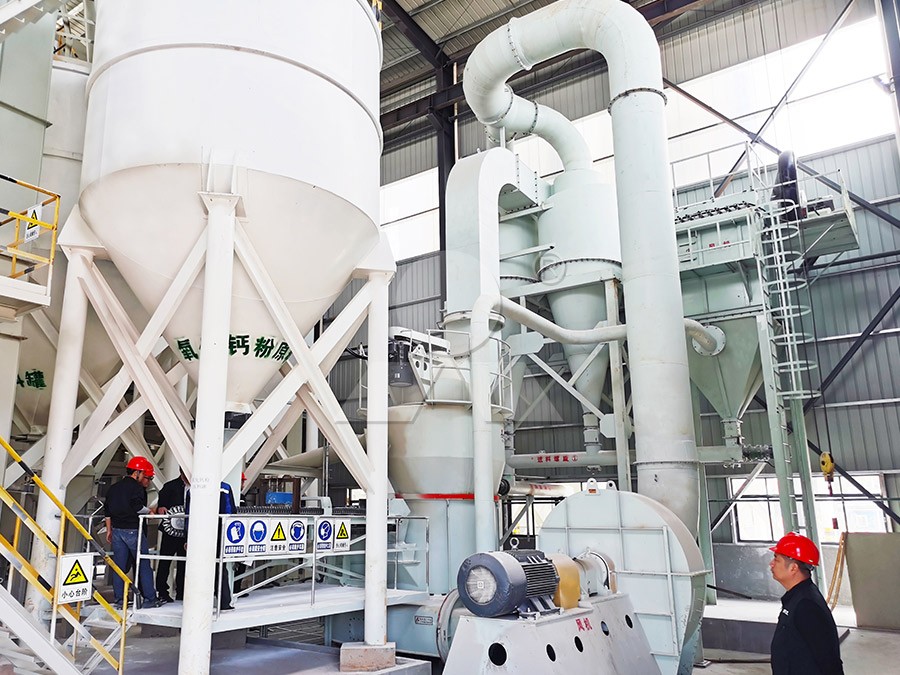
For plastic filler production, several technical parameters require careful consideration. The whiteness and brightness of calcium carbonate directly influence the color properties of finished plastic products, making iron contamination during grinding a critical concern. Additionally, the surface area and particle shape affect how the filler interacts with polymer matrices, influencing both processing characteristics and final product performance.
MW Ultrafine Grinding Mill: Precision Engineering for Premium Fillers
Among the available technologies, the MW Ultrafine Grinding Mill represents a particularly suitable solution for Nigerian calcium carbonate processors targeting the plastics industry. With an input size capacity of 0-20 mm and throughput ranging from 0.5 to 25 tph, this system accommodates the varied feed stocks commonly available in Nigeria’s mining sector while providing scalable production to match local market demands.
The MW Ultrafine Grinding Mill distinguishes itself through several innovative features specifically beneficial for plastic filler production. Its advanced cage-type powder selector, incorporating German technology, enables precise control over particle size distribution, allowing operators to target the 325-2500 mesh range (approximately 45-5 microns) ideal for most plastic applications. This precision ensures consistent filler quality batch after batch, a crucial factor for plastic manufacturers requiring predictable material performance.
Perhaps most significantly for Nigerian operations, the MW series delivers higher yielding at lower energy consumption—production capacity is 40% higher than jet grinding mills with system energy consumption only 30% of comparable systems. This efficiency translates directly to reduced operating costs and improved competitiveness in price-sensitive markets.
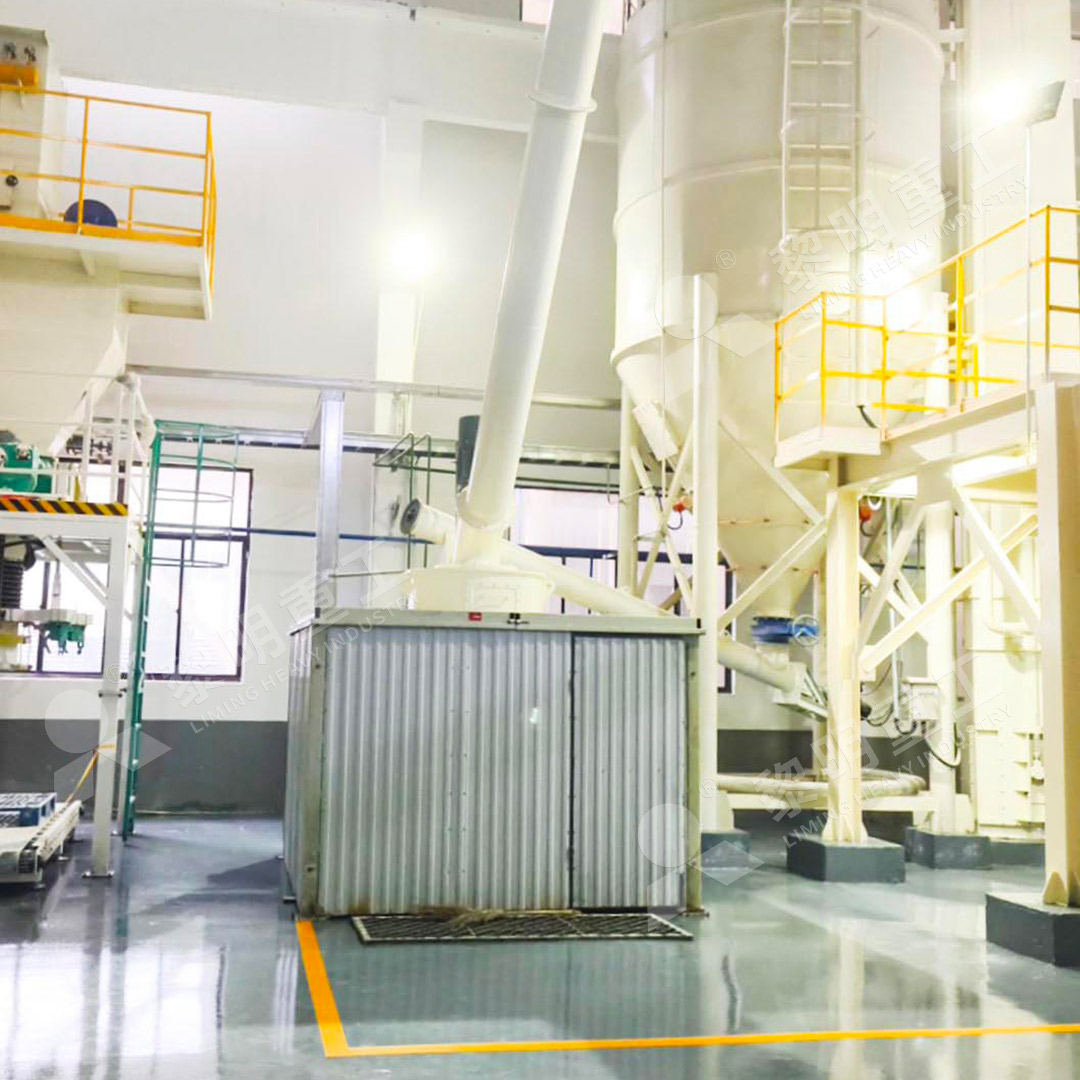
Complementary Technology: LUM Ultrafine Vertical Grinding Mill
For operations requiring even finer control over product characteristics, the LUM Ultrafine Vertical Grinding Mill offers an alternative approach with distinct advantages. With an input size of 0-10 mm and capacity range of 5-18 tph, this system incorporates both Taiwanese grinding roller technology and German powder separating technology to deliver exceptional product quality.
The LUM mill’s unique roller shell and lining plate grinding curve design promotes easier material layer formation, enabling high rates of finished product achievement through single-pass milling. This capability not only enhances operational efficiency but also improves the whiteness and cleanliness of finished calcium carbonate—critical parameters for plastic applications where color consistency matters. The reversible structure further simplifies maintenance, reducing downtime during roller shell replacement or other servicing needs.
Implementation Considerations for Nigerian Operations
Successfully integrating advanced grinding technology into Nigerian calcium carbonate processing requires attention to several local factors. Electrical power reliability remains a consideration, making energy-efficient systems like the MW and LUM mills particularly advantageous. The humid climate also necessitates proper material handling and storage to maintain feedstock quality before processing.
Additionally, the specific requirements of Nigeria’s plastic manufacturers should guide product specifications. While general-purpose polyolefins may tolerate slightly broader particle distributions, engineering plastics and rigid PVC applications typically demand tighter controls. The adjustable fineness of the MW Ultrafine Grinding Mill (325-2500 meshes) provides the flexibility to serve multiple market segments from a single installation.
The environmental features of modern grinding systems also align with increasingly important sustainability considerations in Nigerian industry. The MW Ultrafine Grinding Mill’s efficient pulse dust collector and muffler system minimize particulate emissions and noise pollution, supporting compliance with environmental regulations while maintaining positive community relations.

Economic Advantages of Optimized Grinding Systems
Beyond technical performance, the economic case for advanced grinding technology in Nigeria’s calcium carbonate sector is compelling. The significantly higher efficiency of systems like the MW Ultrafine Grinding Mill translates to reduced production costs per ton, improving profitability despite higher initial investment. The systems’ reliability and minimal maintenance requirements further enhance economic returns by maximizing operational uptime.
For Nigerian entrepreneurs, the ability to produce high-value calcium carbonate fillers locally creates import substitution opportunities while supporting the growth of domestic plastics manufacturing. With proper implementation, optimized grinding operations can supply fillers that compete with imported alternatives on both quality and cost, contributing to broader industrial development goals.
Conclusion
The transformation of Nigeria’s calcium carbonate processing sector through advanced grinding technology represents a significant opportunity for both mineral processors and plastic manufacturers. By adopting precision systems like the MW Ultrafine Grinding Mill, operators can produce fillers that enhance plastic product performance while reducing material costs. The technical capabilities of these systems—particularly their energy efficiency, product quality control, and operational reliability—align perfectly with the requirements and constraints of the Nigerian industrial landscape.
As the domestic plastics industry continues to expand, the availability of high-quality local fillers will become increasingly important for maintaining competitive advantage. Investing in optimized grinding technology today positions Nigerian processors to capture this growing market while supporting the broader development of the nation’s manufacturing sector.
Frequently Asked Questions
What is the ideal particle size for calcium carbonate in plastic filler applications?
For most plastic applications, the optimal calcium carbonate filler has a top cut of 10-20 microns with a significant proportion below 5 microns. The MW Ultrafine Grinding Mill can precisely control particle size between 325-2500 meshes (approximately 45-5 microns) to meet these specifications.
How does advanced grinding technology reduce operating costs?
Modern systems like the MW Ultrafine Grinding Mill achieve 40% higher production capacity than jet mills while consuming only 30% of the energy. This efficiency, combined with lower maintenance requirements and reduced downtime, significantly lowers cost per ton of processed material.
Can these grinding systems handle Nigerian calcium carbonate sources?
Yes, both the MW and LUM mills are designed to process various calcium carbonate sources with input sizes up to 20mm and 10mm respectively, accommodating the range of material qualities available in Nigeria.
What maintenance requirements should Nigerian operators expect?
The MW Ultrafine Grinding Mill features no rolling bearings or screws in the grinding chamber, eliminating common failure points. External lubrication allows maintenance without shutdown, while our comprehensive spare parts support ensures worry-free operation.
How does the grinding process affect calcium carbonate brightness?
Advanced grinding systems minimize iron contamination through specialized designs that prevent metal-to-metal contact in critical areas. The MW Mill’s construction avoids this issue entirely, preserving the natural brightness of calcium carbonate for plastic applications.
What production capacity range is suitable for Nigerian markets?
The MW Ultrafine Grinding Mill offers capacities from 0.5 to 25 tph, providing scalability for operations of various sizes. This range accommodates both emerging processors and established producers serving Nigeria’s growing plastics industry.
Are these systems compatible with Nigeria’s power infrastructure?
Yes, the high energy efficiency of modern grinding mills makes them well-suited for operations where power reliability or cost may be concerns. Their lower energy demands reduce operational vulnerability to power fluctuations.
What technical support is available for Nigerian installations?
We provide comprehensive technical services, including installation guidance, operational training, and original spare parts supply to ensure optimal performance and minimal downtime for Nigerian customers.