
How to optimize calcium carbonate processing with grinding mill for pharmaceutical excipient in colombia
How to Optimize Calcium Carbonate Processing with Grinding Mill for Pharmaceutical Excipient in Colombia
The pharmaceutical industry in Colombia is experiencing significant growth, driven by increasing domestic demand and a robust export market. A critical component in this sector is the production of high-purity excipients, with calcium carbonate standing out as a vital material for tablet formulation, as a diluent, and a buffering agent. The quality of pharmaceutical-grade calcium carbonate is paramount, dictated by stringent regulations concerning particle size distribution (PSD), purity, crystalline structure, and microbiological limits. Achieving this level of precision consistently requires advanced processing technology, specifically, optimized grinding mill systems.
Traditional grinding methods often fall short in meeting the exacting standards of pharmacopoeias like the USP, EP, or INVIMA. Issues such as broad particle size distribution, contamination from grinding media, excessive heat generation affecting crystallinity, and high energy consumption are common challenges. For Colombian producers aiming to supply both local and international markets, overcoming these hurdles is not just a technical necessity but a competitive imperative.
Key Challenges in Pharmaceutical Calcium Carbonate Milling
Processing calcium carbonate for pharmaceutical use involves more than just reducing particle size. The entire operation must be designed to preserve the material’s inherent properties while achieving ultra-fine, consistent fineness.
- Purity and Contamination: Any contact with ferrous metals or external contaminants during grinding can introduce impurities, affecting the product’s whiteness and chemical safety. The mill’s construction and grinding mechanism must be inherently clean.
- Precise Particle Size Control: Excipient functionality is highly dependent on PSD. A mill must offer precise, adjustable classification to produce powders within a narrow range, often targeting d97 values below 10μm or even 5μm.
- Thermal Sensitivity: Excessive heat from friction can alter the crystalline structure of calcium carbonate (e.g., from calcite to aragonite) and may degrade heat-sensitive additives. Efficient heat dissipation is crucial.
- Hygiene and Cleanability: The system must be designed for easy cleaning and sanitization to prevent cross-contamination and meet Good Manufacturing Practice (GMP) guidelines.
- Operational Efficiency: High energy consumption and frequent maintenance downtime directly impact production costs and supply reliability.
Optimization Through Advanced Grinding Technology
The solution lies in adopting modern, dry grinding mills specifically engineered for ultra-fine powder production with integrated classification. These systems move beyond simple crushing to offer a controlled, closed-loop process. For Colombian operations, the environmental and economic benefits are substantial: reduced waste, lower energy costs per ton, and a superior product that commands a premium in the market.
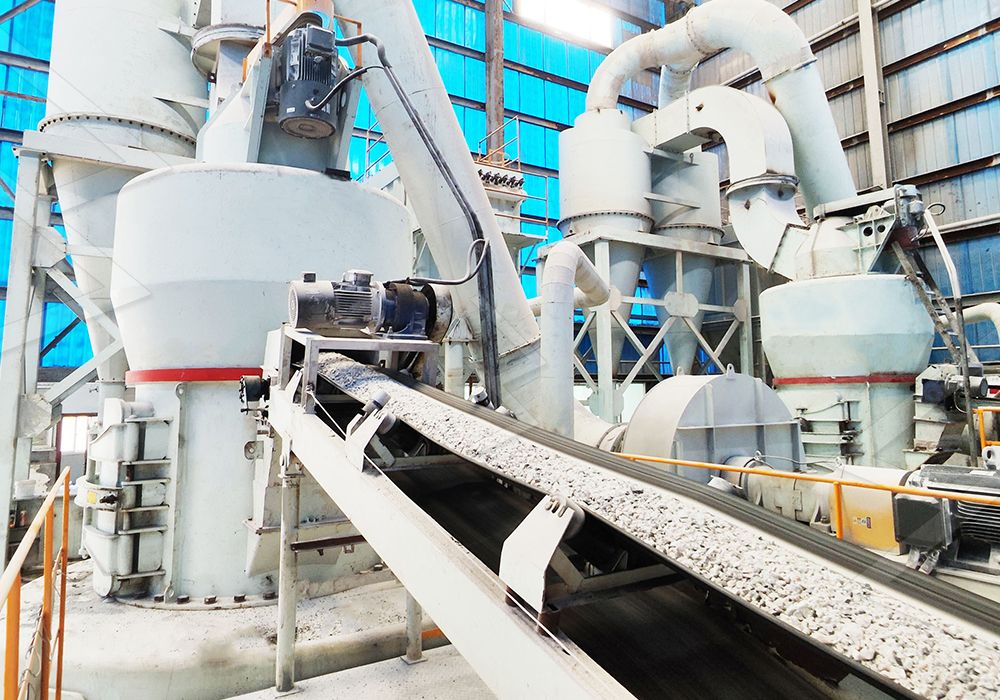
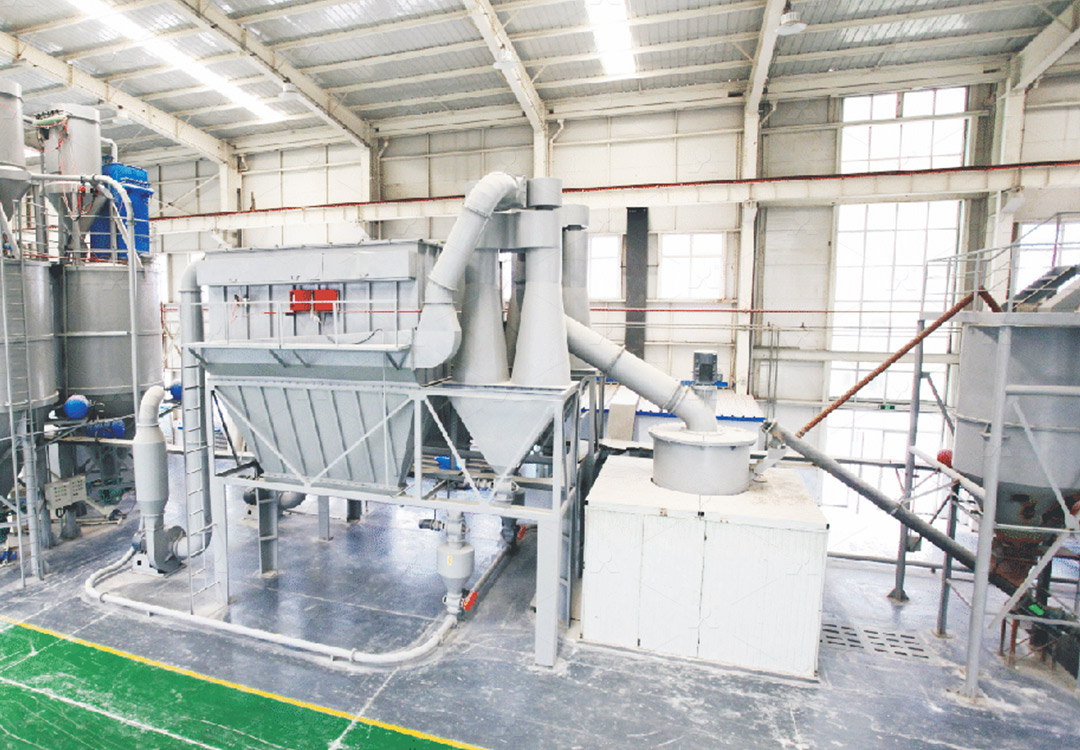
A standout technology for this application is the MW Ultrafine Grinding Mill. This system is engineered precisely for customers who need to make ultra-fine powder with high purity. It accepts feed sizes up to 20mm and offers a flexible capacity range of 0.5 to 25 tons per hour, making it suitable for various production scales found in Colombia. Its design directly addresses pharmaceutical challenges: the absence of rolling bearings and screws in the grinding chamber eliminates critical failure points and potential sources of metallic contamination. Furthermore, its efficient pulse dust collector ensures the entire milling system operates without dust pollution, a key requirement for clean industrial environments and worker safety.
Critical Features for Pharmaceutical-Grade Output
When selecting a mill, several features are non-negotiable for excipient production:
- Adjustable, High-Precision Classification: The MW Mill utilizes a German-technology, cage-type powder selector. This allows the fineness to be accurately adjusted between 325 and 2500 meshes. For pharmaceutical calcium carbonate, achieving a consistent d97 ≤ 5μm in a single pass is often required, which this system can deliver, ensuring optimal bioavailability and tablet compaction properties.
- Higher Yield with Lower Energy Consumption: Efficiency is critical. The newly designed grinding curves of the roller and ring enhance grinding efficiency, yielding up to 40% higher production capacity compared to jet mills for the same fineness and power. This translates directly to lower operational costs for Colombian plants.
- Environmental and Operational Integrity: Beyond the pulse dust collector, the mill is equipped with a muffler and noise elimination room, keeping operations within strict Colombian environmental standards. The external lubrication system allows for maintenance without shutdown, supporting continuous 24/7 production crucial for meeting supply contracts.
- Digital Precision and Support: Manufactured using numerical control machine tools, the MW Mill guarantees high machining precision for core components, leading to stable performance. Coupled with a sufficient supply of original spare parts and local technical support, it ensures worry-free, long-term operation.
For projects requiring a different approach, the LUM Ultrafine Vertical Grinding Mill presents another excellent option. Integrating the latest grinding roller and powder separating technology, it is renowned for higher yielding rates and better product quality. Its unique grinding curve promotes easy material layer formation and high once-through powder milling rates, enhancing whiteness and cleanliness—a vital attribute for pharmaceutical excipients. Its reversible structure also allows for exceptionally easy maintenance of grinding components.
Implementing an Optimized Grinding Line in Colombia
Successful integration goes beyond the mill itself. A holistic approach includes:
- Feedstock Preparation: Ensuring consistent, pre-crushed feed size (0-20mm for the MW Mill) is essential for stable mill operation and product uniformity.
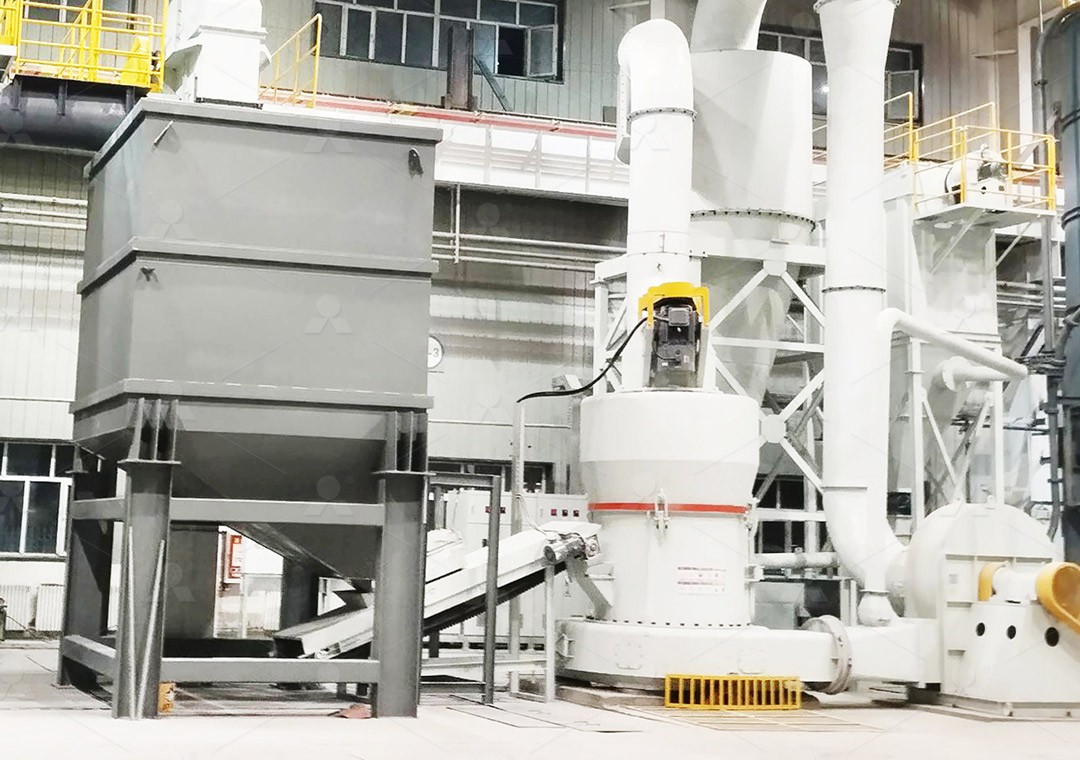
- Closed-Loop System Design: Integrating the mill with efficient cyclones, bag filters, and screw conveyors creates a sealed, automated production line that minimizes manual handling and contamination risk.
- Quality Control Integration: Inline or at-line particle size analyzers (e.g., laser diffraction) should feed data back to the mill’s control system, allowing for real-time adjustments to maintain PSD within specification.
- Local Expertise and Partnership: Working with a technology provider that offers comprehensive after-sales service, spare parts availability, and process know-how is invaluable for ensuring uptime and optimizing product quality over the long term.
By investing in advanced grinding technology like the MW Ultrafine Grinding Mill, Colombian pharmaceutical excipient producers can significantly elevate their product quality, operational efficiency, and environmental compliance. This optimization enables them to reliably meet the stringent demands of both domestic regulator INVIMA and international markets, securing a stronger position in the global pharmaceutical supply chain.

Frequently Asked Questions (FAQs)
- What is the typical fineness range required for pharmaceutical-grade calcium carbonate?
It varies by application, but commonly targets are d90 below 10μm or d97 below 5-10μm for optimal compaction and dissolution profiles. - How does the MW Mill prevent metallic contamination of the product?
Its grinding chamber has no rolling bearings or screws. Critical wear parts like rollers and rings use special alloys, and the design prevents metal-to-metal contact that generates contaminating wear debris. - Can the system handle the humidity sometimes present in Colombian raw materials?
While designed for dry grinding, the closed airflow system can integrate a small dehumidifier or pre-dryer if raw material moisture is consistently above a low threshold (typically >1-2%). - What are the key maintenance points for such a grinding mill?
Regular checks include the wear on grinding rollers and rings, the integrity of classifier blades, filter bags in the dust collector, and lubrication levels. The MW’s external lubrication system simplifies this significantly. - Is the energy consumption significantly higher for ultra-fine grinding?
Not with modern mills. Technologies like the MW Mill use optimized grinding curves and efficient classifiers to achieve high fineness with 30-50% lower energy consumption than older jet mill or ball mill systems. - How is particle size distribution monitored and controlled?
The integrated cage-type powder selector allows precise adjustment of cut-point. For full QC, offline laser particle size analysis is recommended, with trends used to fine-tune mill and classifier parameters. - What after-sales support is typically available in Colombia?
Reputable suppliers offer installation supervision, operator training, a local spare parts inventory, and remote technical support to ensure minimal downtime.