
How to optimize bentonite processing with grinding machine for drilling mud in turkmenistan
How to Optimize Bentonite Processing with Grinding Machine for Drilling Mud in Turkmenistan
The strategic development of Turkmenistan’s vast energy resources, particularly its natural gas fields, places immense importance on efficient and reliable drilling operations. At the heart of these operations lies drilling mud, a critical fluid whose performance is fundamentally dependent on the quality of its primary component: bentonite. For companies operating in the Karakum Desert or offshore in the Caspian Sea, achieving optimal mud properties—viscosity, yield point, and fluid loss control—is non-negotiable. The key to unlocking this performance lies not just in the bentonite deposit but in its processing, specifically the grinding technology employed. This article explores how modern grinding machinery can revolutionize bentonite processing for the Turkmen drilling industry.
The Critical Role of Particle Size in Drilling Mud Performance
Bentonite’s swelling capacity and colloidal properties are directly tied to its fineness. Coarse particles hydrate slowly and incompletely, leading to poor gel strength and high fluid loss. In contrast, ultra-fine bentonite powder exposes more surface area, allowing for rapid, complete hydration. This results in superior viscosity, enhanced cuttings carrying capacity, and a thinner, more impermeable filter cake—essential for stabilizing boreholes in Turkmenistan’s varied geological formations. Traditional grinding methods often fail to achieve the consistent, micron-level fineness required for high-performance muds, leading to increased material consumption and operational inefficiencies.
Beyond Basic Grinding: The Need for Precision and Efficiency
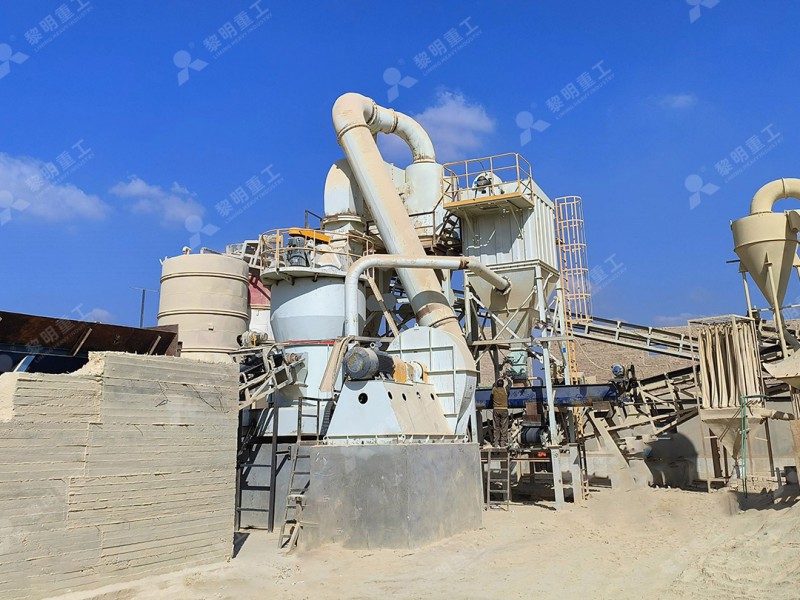
Optimization requires moving beyond simple size reduction. A modern bentonite processing line must integrate drying, precise grinding, and efficient classification. The goal is a closed, dust-free system that produces a tightly controlled particle size distribution (PSD). A narrow PSD centered on the 5-25 micron range is ideal for drilling applications. Furthermore, the grinding process itself must not contaminate the product; iron pollution from mechanical wear can degrade bentonite’s natural properties. Energy consumption is another major consideration, as operational costs directly impact project viability.
Introducing the MW Ultrafine Grinding Mill: Engineered for Purity and Performance
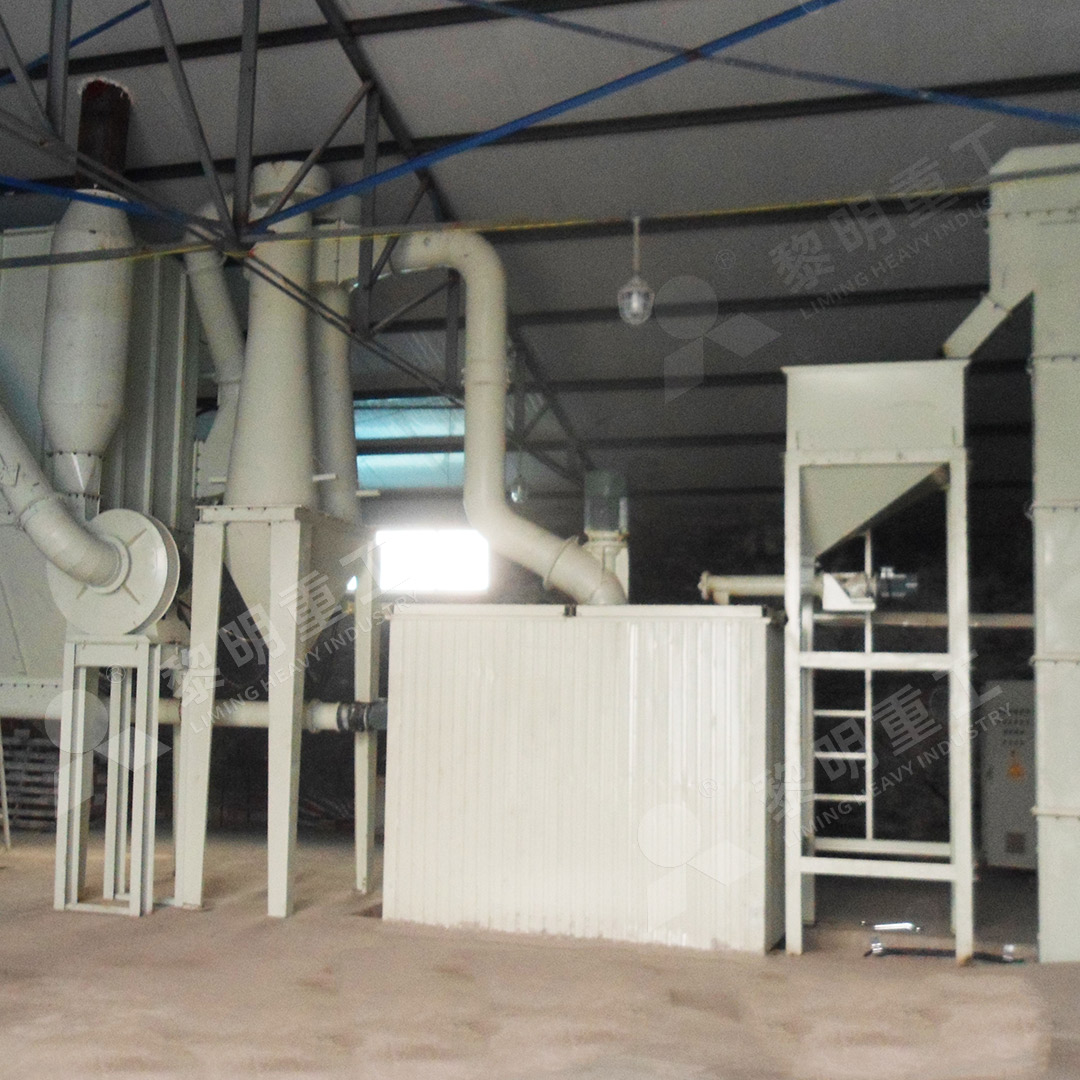
For operations demanding the highest quality bentonite powder, the MW Ultrafine Grinding Mill presents a compelling solution. This machine is specifically designed for producing ultra-fine powders with exceptional cleanliness. Its defining feature is the absence of rolling bearings and screws within the grinding chamber. This innovative design eliminates a primary source of iron contamination and machine failure, ensuring the bentonite’s natural mineralogy remains intact—a crucial factor for API-grade mud.
With an adjustable fineness range of 325 to 2500 meshes, the MW Mill can be precisely tuned to produce the exact specification required for specific drilling mud formulations. Its cage-type powder selector, utilizing German technology, guarantees a sharp cut-point, achieving a d97 ≤5μm in a single pass. This means more usable, high-performance product per ton of raw bentonite. Importantly, it delivers this precision with higher yield and 30% lower system energy consumption compared to traditional jet mills, making it both an effective and economical choice for high-volume processing.
For Large-Scale, Integrated Processing: The LM Vertical Grinding Mill
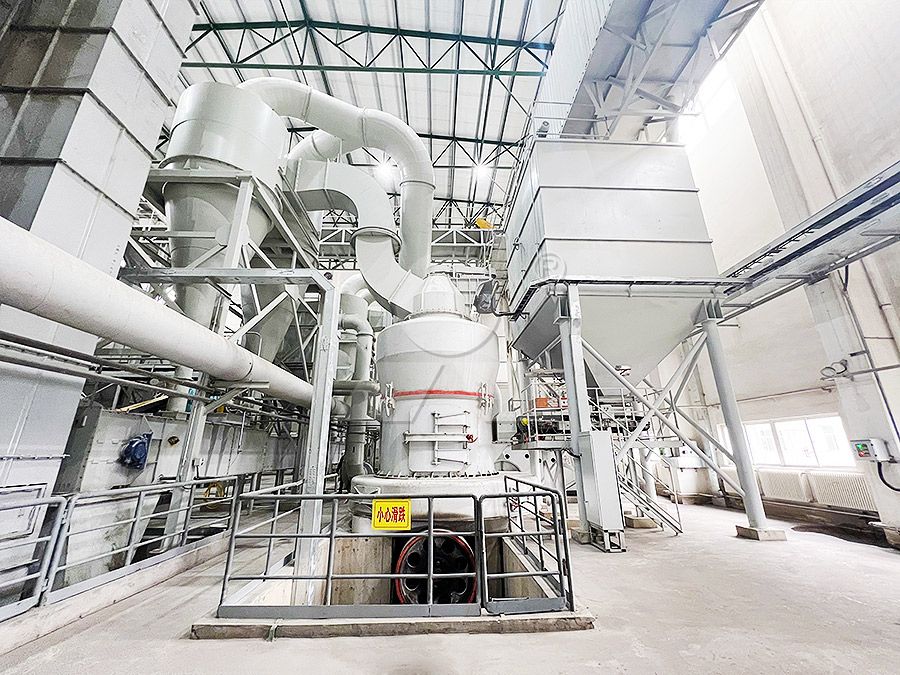
For major bentonite processing facilities supporting multiple drilling campaigns, an integrated system is key. The LM Vertical Grinding Mill is a powerhouse that combines crushing, drying, grinding, classifying, and conveying into a single, coherent unit. Its vertical structure reduces the plant’s footprint by 50% compared to a ball mill system, a significant advantage for greenfield projects.
The LM Mill excels in efficiency and stability. Materials have a short residence time, minimizing over-grinding and reducing iron content from mechanical wear. Its fully sealed, negative-pressure operation ensures a dust-free environment, aligning with stringent environmental standards. With a wide capacity range of 3-340 tph and energy savings of 30-40%, it is built for continuous, worry-free operation—a necessity for meeting the steady demand of Turkmenistan’s energy sector.
Implementing an Optimized Grinding Strategy in Turkmenistan
Success hinges on selecting the right technology for the specific scale and quality targets. A processing strategy might involve:
- Raw Material Analysis: Testing local bentonite from deposits like the Gaurdak region to determine its base properties and optimal grind curve.
- Pilot Testing: Running samples through mill systems like the MW or LM to verify final PSD, swelling volume, and rheological performance in mud.
- System Design: Integrating the grinding mill with auxiliary equipment (dryers, feeders, collectors) into an automated, closed-loop circuit.
- Dust and Noise Control: Utilizing the built-in pulse dust collectors and silencers of recommended mills to create an eco-friendly plant.
By investing in advanced grinding technology such as the MW Ultrafine Grinding Mill for premium-grade product or the LM Vertical Grinding Mill for large-scale production, companies in Turkmenistan can achieve a direct competitive edge. The result is a reliable supply of superior bentonite, leading to faster drilling rates, improved wellbore stability, and ultimately, lower total cost per meter drilled in the challenging pursuit of the nation’s subterranean wealth.
Frequently Asked Questions (FAQs)
- What is the most important factor in choosing a bentonite grinder for drilling mud?
The ability to produce a consistent, ultra-fine powder (typically targeting d97 ≤10μm) without iron contamination is paramount. The grinding mechanism must preserve the mineral’s natural swelling properties. - How does particle size affect bentonite’s yield point in mud?
Finer particles hydrate more completely and rapidly, forming a stronger colloidal network. This directly increases the yield point, which is critical for suspending cuttings when circulation stops. - Can the same mill process bentonite for other applications, like foundry or cat litter?
Yes, but specifications differ. Drilling-grade bentonite requires the finest grind. Mills with adjustable classifiers, like the MW series, allow for flexibility to produce different grades from the same raw material. - What are the main operational cost drivers in bentonite grinding?
Energy consumption and wear part replacement are the largest. Technologies that offer higher efficiency (like the LM Mill’s 30-40% energy saving) and longer-lasting grinding rollers directly lower operating expenses. - Is a drying stage necessary before grinding bentonite?
Typically, yes. Bentonite is often mined with significant moisture. Efficient grinding requires a dry feed. Some mill systems, like the LM Vertical Grinding Mill, integrate drying functionality. - How critical is dust control in a bentonite processing plant?
Extremely critical. Bentonite dust is a respiratory hazard and can create environmental issues. Modern mills with integrated pulse-jet dust collectors (standard on the MW Mill) are essential for a safe, compliant operation. - What after-sales support should I look for when installing a new mill in a remote location?
Ensure the supplier guarantees a sufficient supply of genuine spare parts and offers remote technical support. Look for a design that allows for easy maintenance, such as externally accessible lubrication points.