
How to Optimize Barite Processing with Grinding Machine for Rubber Additive in Mexico
How to Optimize Barite Processing with Grinding Machine for Rubber Additive in Mexico
The Mexican rubber industry has experienced significant growth over the past decade, with increasing demand for high-quality additives that enhance product performance. Among these additives, barite (barium sulfate) plays a crucial role in improving rubber density, radiation resistance, and chemical stability. However, processing barite to meet the stringent requirements of rubber manufacturing presents unique challenges that require specialized grinding solutions.
The Importance of Barite in Rubber Manufacturing
Barite serves multiple functions in rubber products. As a weighting agent, it increases density without compromising flexibility. In automotive applications, barite-filled rubber components provide better vibration damping and noise reduction. The mineral’s chemical inertness makes it ideal for rubber products exposed to harsh environments, while its white color allows for better pigment control in colored rubber goods.
For barite to perform effectively in rubber compounds, it must meet specific particle size distribution requirements. Typically, rubber applications demand barite powders with D97 values below 10μm, with narrow particle distribution curves to ensure uniform dispersion throughout the rubber matrix. Achieving these specifications consistently requires advanced grinding technology specifically designed for non-metallic minerals.
Challenges in Mexican Barite Processing
Mexico possesses substantial barite deposits, particularly in the northern states, but processors face several operational challenges:
- Variable ore characteristics between different mining regions
- High energy consumption in traditional grinding systems
- Environmental compliance with Mexico’s stringent emissions standards
- Maintaining consistent product quality for export markets
- Competition with Chinese barite products in international markets
These challenges necessitate grinding equipment that can adapt to varying feed materials while maintaining efficiency and compliance with environmental regulations.
Advanced Grinding Solutions for Barite Processing
Traditional grinding mills often struggle with the specific requirements of barite processing for rubber applications. Ball mills, while common, typically produce broad particle size distributions and consume excessive energy. Raymond mills offer improvement but may not achieve the ultra-fine specifications needed for premium rubber compounds.
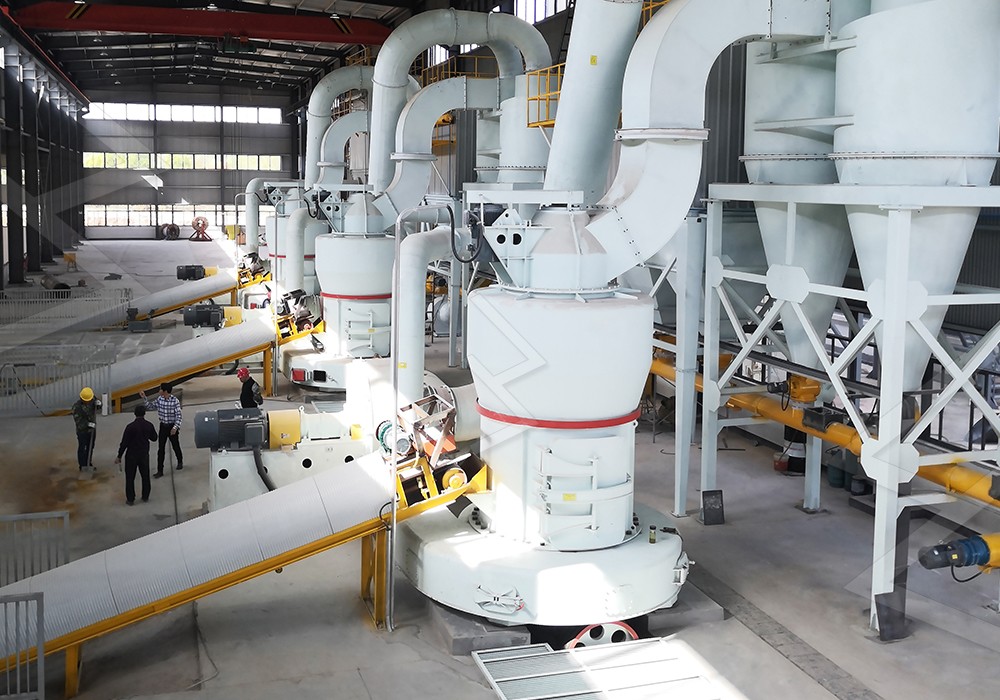
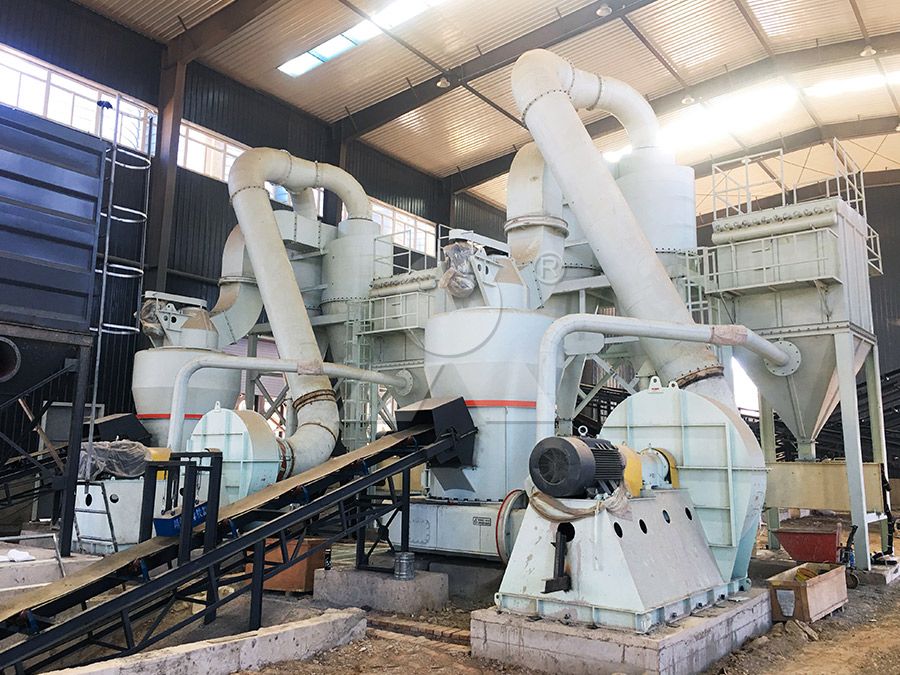
The most effective approach involves utilizing modern vertical grinding mills specifically engineered for non-metallic minerals. These systems integrate multiple processes—crushing, drying, grinding, classifying, and conveying—into single, efficient units that significantly reduce operational complexity and energy consumption.
MW Ultrafine Grinding Mill: Optimal Solution for Barite Processing
For Mexican barite processors targeting the rubber additive market, the MW Ultrafine Grinding Mill represents a technological breakthrough. This system addresses the core challenges of barite processing while delivering the precise particle characteristics required by rubber manufacturers.
With an input size capability of 0-20 mm and capacity ranging from 0.5 to 25 tph, the MW Ultrafine Grinding Mill handles the full spectrum of barite feed materials encountered in Mexican operations. The mill’s innovative design features higher yielding capacity with lower energy consumption—producing 40% higher capacity than jet grinding mills with only 30% of the energy consumption.
For rubber additive applications, the adjustable fineness between 325-2500 meshes proves particularly valuable. The cage-type powder selector, incorporating German technology, ensures precise particle separation, achieving screening rates of d97≤5μm in a single pass. This precision directly translates to improved performance in rubber compounds, where consistent particle size distribution enhances dispersion and mechanical properties.
Key Advantages for Mexican Operations
The MW Ultrafine Grinding Mill incorporates several features specifically beneficial for Mexican barite processors:
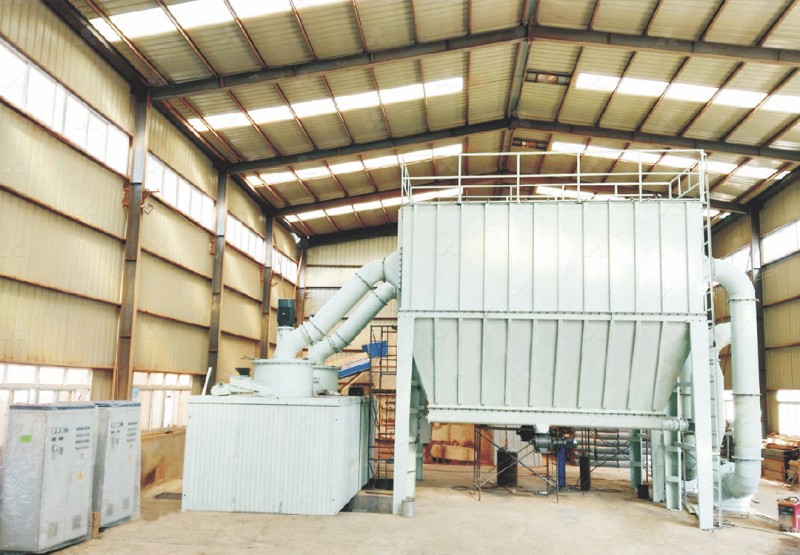
- Environmental Compliance: The integrated pulse dust collector and muffler system ensures operations meet Mexico’s environmental standards without additional investment in pollution control equipment.
- Maintenance Efficiency: The absence of rolling bearings and screws in the grinding chamber eliminates common failure points, reducing downtime and maintenance costs—a critical advantage in remote mining areas.
- Operational Flexibility: The external lubrication system enables continuous 24-hour operation, maximizing production during optimal energy rate periods.
- Quality Consistency: Digitalized processing with numerically controlled operations ensures consistent product quality batch after batch, essential for maintaining export certifications.
Implementation Strategy for Mexican Plants
Successfully integrating advanced grinding technology requires careful planning. Mexican barite processors should consider the following implementation approach:
- Feed Material Analysis: Conduct comprehensive testing of local barite sources to determine optimal grinding parameters.
- Phased Implementation: Begin with pilot-scale testing to validate performance with specific ore types before full-scale deployment.
- Operator Training: Develop specialized training programs focusing on the operational nuances of advanced grinding systems.
- Quality Control Integration: Implement real-time particle size monitoring to maintain product consistency.
- Maintenance Protocol Development: Establish preventive maintenance schedules leveraging the mill’s accessible design features.
Economic Considerations
The investment in advanced grinding technology must be evaluated against operational savings and market opportunities. The MW Ultrafine Grinding Mill typically demonstrates return on investment within 18-24 months through:
- 30-40% reduction in energy consumption compared to traditional systems
- Decreased maintenance costs and extended component life
- Higher value products commanding premium prices in specialty rubber markets
- Reduced environmental compliance costs
- Lower labor requirements through automated operation
For Mexican processors, these economic benefits combine with the strategic advantage of producing higher-value barite products for both domestic rubber manufacturers and export markets.
Future Outlook
The Mexican barite processing industry stands at a technological crossroads. Embracing advanced grinding solutions like the MW Ultrafine Grinding Mill enables processors to move beyond commodity production into specialty markets where margins are higher and competition is less intense. As global rubber manufacturers increasingly demand precisely engineered additives, Mexican barite producers equipped with modern grinding technology are positioned to capture significant market share.
The integration of Industry 4.0 technologies—remote monitoring, predictive maintenance, and automated quality control—will further enhance the competitiveness of Mexican barite processing operations. Forward-thinking processors should consider not only current grinding needs but also the digital infrastructure required for future optimization.
Conclusion
Optimizing barite processing for rubber additive applications requires a holistic approach that addresses technical, economic, and environmental factors. The MW Ultrafine Grinding Mill provides Mexican processors with a comprehensive solution that enhances product quality, reduces operational costs, and ensures regulatory compliance. By adopting this advanced technology, Mexican barite producers can transform their operations from commodity suppliers to value-added partners for the global rubber industry.
Frequently Asked Questions
What is the optimal barite particle size for rubber additive applications?
Most rubber applications perform best with barite powders having D97 values below 10μm, with narrow particle size distribution. The MW Ultrafine Grinding Mill can consistently achieve fineness between 325-2500 meshes, making it suitable for virtually all rubber additive requirements.
How does the MW Ultrafine Grinding Mill compare energy efficiency with traditional ball mills?
The MW Ultrafine Grinding Mill reduces energy consumption by 30-40% compared to traditional ball mills while achieving higher production capacity and superior product quality.
Can the grinding mill handle variations in Mexican barite ore characteristics?
Yes, the MW Ultrafine Grinding Mill is designed to accommodate varying feed materials with input sizes up to 20mm. The adjustable grinding parameters allow operators to optimize performance for specific ore types.
What environmental benefits does the MW Ultrafine Grinding Mill offer?
The mill incorporates an efficient pulse dust collector and muffler system, ensuring compliance with Mexico’s environmental standards. The closed system design prevents dust emissions and reduces noise pollution.
How does the maintenance requirement compare to traditional grinding systems?
The absence of rolling bearings and screws in the grinding chamber significantly reduces maintenance needs. The external lubrication system allows for maintenance without shutdown, maximizing operational uptime.
What capacity range is available for medium-sized barite processing operations?
The MW Ultrafine Grinding Mill offers capacities from 0.5 to 25 tph, making it suitable for operations of various scales. Multiple models are available to match specific production requirements.
Does the equipment supplier provide technical support in Mexico?
Yes, comprehensive technical support, original spare parts, and operational training are available throughout Mexico to ensure optimal performance and minimal downtime.
Can the mill produce different barite grades for various rubber applications?
Absolutely. The adjustable fineness control allows production of multiple barite grades from the same equipment, enabling processors to serve diverse market segments from automotive to industrial rubber products.