
How to improve productivity and reduce energy consumption when processing carbon black for conductive materials
Introduction: The Critical Balance in Carbon Black Processing
The manufacturing of conductive materials from carbon black represents one of the most demanding applications in powder processing technology. Achieving optimal conductivity requires precise particle size distribution, surface area control, and morphological characteristics—all while maintaining economic viability through energy efficiency and high throughput. Traditional milling approaches often struggle to meet these competing demands, leading manufacturers to seek advanced solutions that can deliver both superior product quality and operational efficiency.

The Energy Intensity Challenge
Carbon black processing has historically been energy-intensive, with conventional ball mills and jet mills consuming substantial power while generating excessive heat. This not only drives up operational costs but can also compromise material properties through overheating and oxidation. The industry faces mounting pressure to reduce its carbon footprint while maintaining competitive production rates, creating a compelling case for technological innovation in grinding equipment.
Advanced Grinding Technologies: The Path to Efficiency
Modern grinding mills have evolved significantly from their predecessors, incorporating sophisticated engineering solutions that address the specific challenges of carbon black processing. Key advancements include precision particle classification systems, optimized grinding geometries, and intelligent control mechanisms that adapt to material characteristics in real-time.
MW Ultrafine Grinding Mill: A Breakthrough in Carbon Black Processing
For operations requiring ultra-fine carbon black powders with consistent conductive properties, the MW Ultrafine Grinding Mill represents a significant technological advancement. With an input size capability of 0-20 mm and throughput ranging from 0.5 to 25 tph, this system is particularly well-suited for conductive material production. The mill’s innovative design features higher yielding capacity with lower energy consumption—achieving production rates 40% higher than jet mills and twice that of ball mills while consuming only 30% of the energy of comparable jet milling systems.
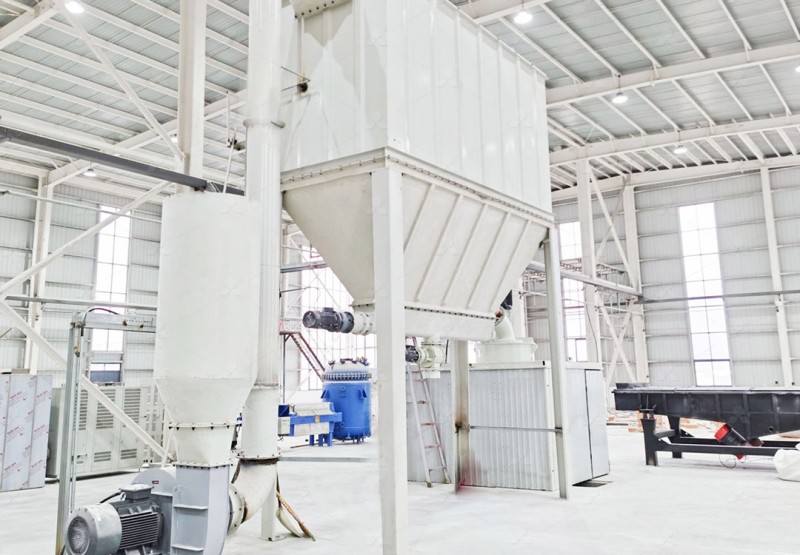
The adjustable fineness between 325-2500 meshes allows precise control over particle size distribution, critical for optimizing conductivity in end products. The cage-type powder selector, incorporating German technology, ensures exceptional separation precision, achieving screening rates of d97≤5μm in a single pass. This eliminates the need for repeated processing cycles that consume additional energy and reduce overall productivity.
LUM Ultrafine Vertical Grinding Mill: Vertical Integration Advantages
For operations with space constraints or requiring integrated drying capabilities, the LUM Ultrafine Vertical Grinding Mill offers compelling benefits. With its 0-10 mm input size and 5-18 tph capacity, this system combines grinding, classification, and transportation in a single compact unit. The unique roller shell and lining plate grinding curve design generates stable material layers more efficiently, enabling high rates of finished product yield from single-pass processing.
Operational Excellence: Practical Strategies for Enhanced Performance
Optimizing Feed Material Characteristics
Consistent feed material properties significantly impact grinding efficiency. Implementing proper pre-processing steps, including uniform drying and precise size reduction of feedstock, can reduce energy consumption by up to 15%. The MW Ultrafine Grinding Mill’s tolerance for varied input sizes (0-20 mm) provides operational flexibility while maintaining processing efficiency.
Intelligent Process Control Systems
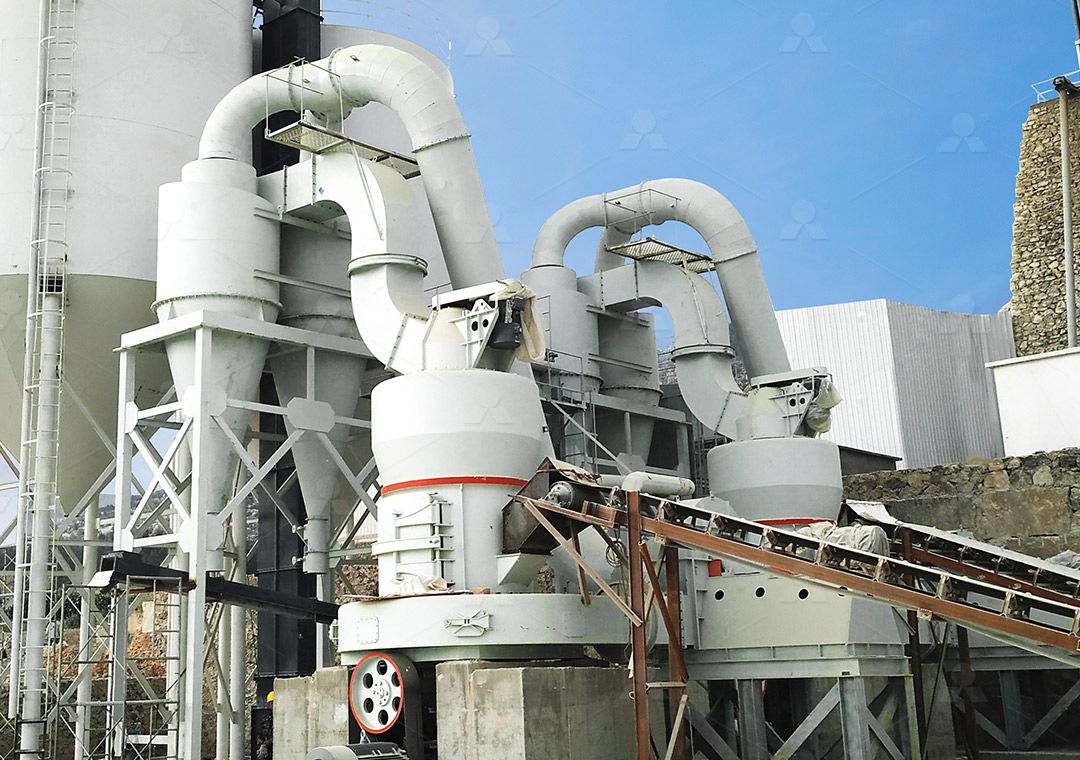
Modern grinding mills incorporate advanced control systems that continuously monitor and adjust operational parameters. The MW Ultrafine Grinding Mill’s external lubrication system enables 24-hour continuous operation without shutdowns for maintenance, while the absence of rolling bearings and screws in the grinding chamber eliminates common failure points that disrupt production.
Dust Management and Environmental Compliance
The integrated pulse dust collector in the MW Ultrafine Grinding Mill ensures compliance with environmental standards while recovering valuable product that would otherwise be lost. This closed-system approach not only minimizes waste but also contributes to a safer working environment by eliminating airborne carbon black particles.
Economic and Environmental Benefits
The transition to advanced grinding technology delivers measurable returns through multiple channels. Operations implementing the MW Ultrafine Grinding Mill typically report 30-50% reductions in energy consumption alongside 40% increases in production capacity. The system’s durable construction and accessible maintenance features further reduce lifecycle costs through extended service intervals and minimal downtime.
Conclusion: The Future of Carbon Black Processing
The evolution of grinding technology has reached a point where manufacturers no longer need to choose between product quality, production throughput, and energy efficiency. Advanced systems like the MW Ultrafine Grinding Mill demonstrate that these objectives can be simultaneously achieved through thoughtful engineering and integrated system design. As the demand for conductive materials continues to grow across electronics, automotive, and energy storage applications, embracing these technological advancements will separate industry leaders from followers.
Frequently Asked Questions
What is the optimal particle size for conductive carbon black applications?
While specific requirements vary by application, most conductive applications benefit from particle sizes in the range of 20-50 nanometers. The MW Ultrafine Grinding Mill’s ability to achieve fineness up to 2500 meshes provides ample flexibility to meet these specifications.
How does the energy consumption of modern grinding mills compare to traditional systems?
Advanced systems like the MW Ultrafine Grinding Mill typically consume 30-50% less energy than conventional ball mills and 60-70% less than jet mills while achieving higher production rates.
What maintenance requirements should we anticipate with advanced grinding systems?
The MW Ultrafine Grinding Mill’s design minimizes maintenance needs through features like external lubrication systems and the elimination of internal rolling bearings. Routine maintenance primarily involves inspection of grinding elements and classification components, typically requiring minimal downtime.
Can these systems handle variations in carbon black feedstock quality?
Yes, modern grinding mills incorporate adjustable parameters that accommodate variations in feedstock. The MW Ultrafine Grinding Mill’s flexible fineness control and robust construction enable consistent performance across a range of material characteristics.
What safety features are incorporated into these grinding systems?
Comprehensive safety systems include integrated pulse dust collectors to prevent combustible dust accumulation, temperature monitoring systems, pressure relief mechanisms, and automated shutdown protocols for abnormal operating conditions.
How does the MW Ultrafine Grinding Mill address noise pollution concerns?
The system incorporates specialized mufflers and noise elimination technology that reduce operational noise to levels compliant with industrial workplace standards, typically achieving noise reductions of 15-25 dB compared to conventional milling equipment.
What is the typical payback period for upgrading to advanced grinding technology?
Most operations achieve full return on investment within 12-24 months through combined energy savings, increased production capacity, reduced maintenance costs, and improved product quality that commands premium pricing.
Can these systems be integrated with existing production lines?
Yes, both the MW and LUM grinding mills are designed for straightforward integration with existing material handling, classification, and packaging systems, with flexible configuration options to match specific facility layouts.