
Grinding mill price & cost analysis for phosphate for animal feed in thailand
Grinding Mill Price & Cost Analysis for Phosphate Animal Feed in Thailand
The animal feed industry in Thailand represents a significant sector of the country’s agricultural economy, with phosphate being a crucial mineral additive for livestock nutrition. Properly ground phosphate is essential for bioavailability, ensuring that animals can absorb the necessary nutrients efficiently. The selection of an appropriate grinding mill, therefore, becomes a critical decision that directly impacts product quality, operational costs, and overall profitability. This analysis delves into the key cost factors and performance considerations for grinding phosphate used in animal feed within the Thai market.
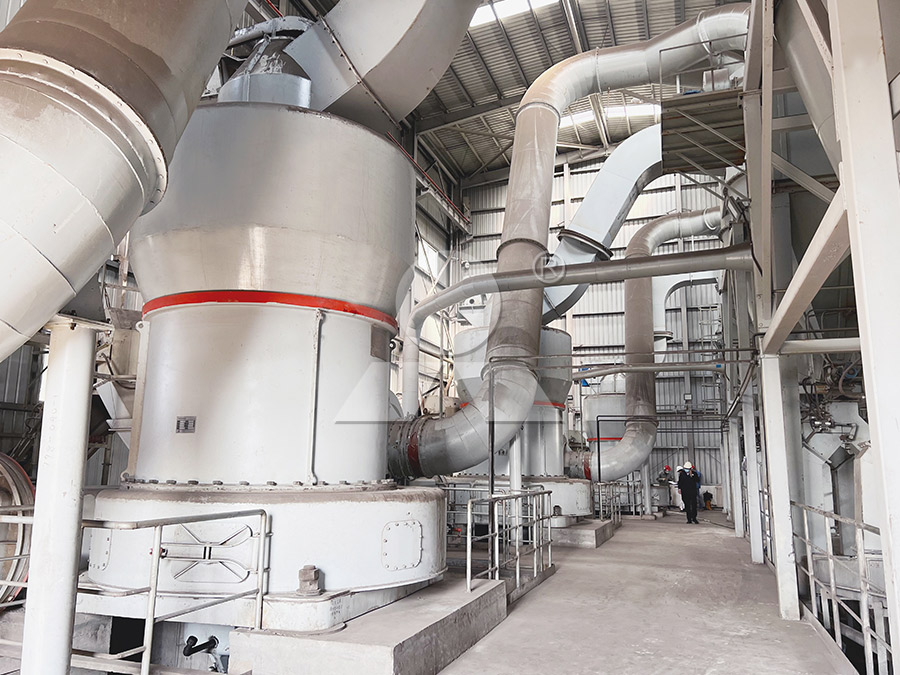
The Importance of Particle Size in Phosphate for Animal Feed
For phosphate to be effectively utilized in an animal’s digestive system, it must be ground to a specific fineness. Coarse particles pass through the animal undigested, leading to wasted nutritional input and increased feed costs. Conversely, excessively fine powder can cause dusting issues in feed mills and potentially lead to respiratory problems in livestock. The ideal particle size for phosphate in animal feed typically falls within a range of 150 to 300 microns. Achieving this consistent grind requires milling equipment capable of precise particle size control without generating excessive heat, which can degrade the nutritional quality of the mineral.
Key Cost Factors in Phosphate Grinding Operations
When analyzing the total cost of ownership for a grinding mill in Thailand, several factors extend beyond the initial purchase price. These include:
- Energy Consumption: Grinding is an energy-intensive process. Mills with higher efficiency can reduce electricity costs significantly, which is a major operational expense in Thailand.
- Wear Part Replacement: The abrasiveness of phosphate leads to gradual wear of grinding elements like rollers and rings. The frequency and cost of replacing these parts directly affect long-term operating costs.
- Maintenance Downtime: Unplanned shutdowns for repairs disrupt production schedules and incur losses. Reliable mills with easy maintenance features minimize this risk.
- Labor Costs: Automated systems that require less manual intervention can reduce labor expenses over time.
- Environmental Compliance: Dust emission controls are essential for meeting Thai environmental regulations. Mills with integrated dust collection systems help avoid potential fines and ensure a cleaner, safer work environment.
Technical Solutions for the Thai Market
Given the specific requirements for grinding phosphate, not all milling technologies are equally suitable. Traditional ball mills, while having a lower initial cost, often suffer from high energy consumption, inconsistent particle size distribution, and significant heat generation. For modern, cost-effective production, advanced grinding technologies offer superior performance.
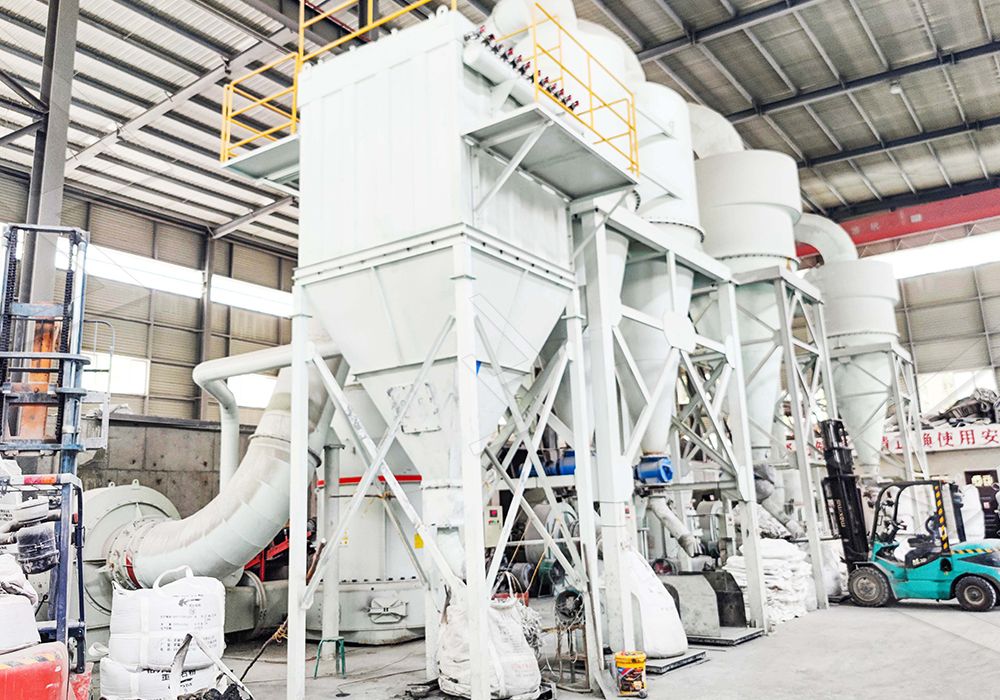
For operations requiring high-capacity production of phosphate powder with precise fineness control, the MW Ultrafine Grinding Mill presents an excellent solution. With an input size of 0-20 mm and a capacity range of 0.5-25 tph, it is well-suited for medium to large-scale Thai feed producers. Its key advantage lies in its higher yielding and lower energy consumption, being 40% more efficient than jet mills and using only 30% of the energy. The adjustable fineness between 325-2500 meshes allows operators to dial in the exact specification needed for animal feed. Furthermore, its design with no rolling bearings or screws in the grinding chamber eliminates common failure points, drastically reducing maintenance worries and downtime—a crucial factor for continuous feed production.
For operations with stricter space constraints or those processing slightly smaller raw material, the LUM Ultrafine Vertical Grinding Mill is another formidable option. Its compact vertical design integrates multiple processes, and its more energy-saving multi-head powder separating technology reduces energy consumption by 30%-50%. The reversible structure makes maintenance tasks like replacing the roller shell remarkably straightforward, keeping operational disruptions to a minimum.
Making the Right Investment for Long-Term Profitability
The choice of grinding equipment is a strategic investment. While the upfront cost is a consideration, the long-term operational savings from reduced energy bills, lower maintenance costs, and higher product quality often justify selecting a more technologically advanced mill. For Thai animal feed producers aiming to enhance their competitive edge, investing in efficient, reliable, and environmentally sound grinding technology is not just an operational upgrade—it’s a business imperative.
Conclusion
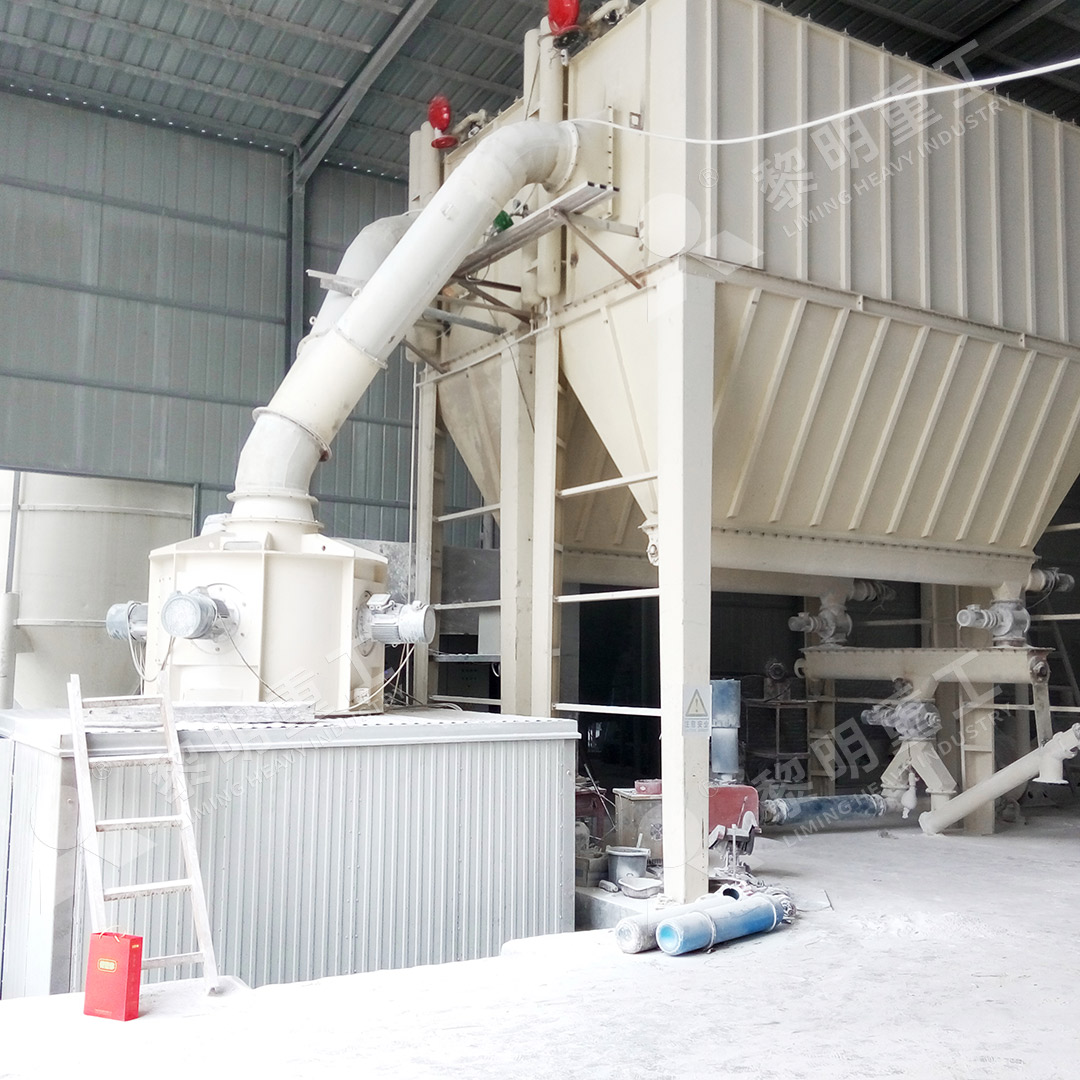
The Thai animal feed industry’s growth hinges on efficiency and quality. A thorough cost analysis for grinding phosphate must look beyond the price tag and evaluate the total cost of ownership. Advanced mills like the MW Series, with their proven efficiency, reliability, and environmental benefits, offer a compelling value proposition that aligns with the needs of modern feed producers in Thailand, ensuring consistent quality and sustainable operations for years to come.
Frequently Asked Questions (FAQs)
- What is the typical energy consumption for grinding phosphate with the MW Ultrafine Grinding Mill?
The MW Mill is designed for high efficiency, typically consuming about 30% of the energy of a comparable jet mill. Exact consumption depends on the desired fineness and feed rate, but its advanced design prioritizes lower kWh per ton of output. - How often do the grinding rollers and rings need replacement when processing abrasive phosphate?
The wear-resistant alloy used in the MW Mill’s rollers and rings significantly extends service life. Under normal phosphate grinding conditions, you can expect a much longer operational lifespan compared to standard manganese steel, often 1.5 to 2 times longer, reducing the frequency and cost of replacements. - Can the fineness of the ground phosphate be easily adjusted on the MW Mill?
Yes, absolutely. The MW Mill features a cage-type powder selector that allows operators to accurately adjust the product fineness between 325 and 2500 meshes. This is crucial for dialing in the perfect particle size for animal feed bioavailability. - Does the mill generate a lot of dust, and how is it controlled?
The MW Ultrafine Grinding Mill comes equipped with an efficient integrated pulse dust collector. This system ensures that the entire milling operation is contained, with no dust pollution, helping you easily comply with workplace safety and environmental regulations in Thailand. - What is the lead time for acquiring spare parts in Thailand?
As a company with integrated production and sales, we maintain a sufficient supply chain for original spare parts. While lead times can vary, we prioritize support for our Thai customers to ensure worry-free operation and minimize potential downtime. - Is the MW Mill suitable for other minerals used in animal feed, like limestone or calcite?
Yes, the MW Ultrafine Grinding Mill is highly versatile and is successfully used for a wide range of non-metallic minerals, including limestone, calcite, and dolomite, making it an ideal single solution for a feed mill’s mineral grinding needs. - What kind of after-sales support can we expect in Thailand?
We provide comprehensive technical services, including installation guidance, operational training, and troubleshooting support. Our responsibility covers every machine we produce, backed by a network of technical experts.