
Grinding mill price & cost analysis for kaolin for cosmetic clay in pakistan
Grinding Mill Price & Cost Analysis for Kaolin for Cosmetic Clay in Pakistan
The cosmetic industry in Pakistan is witnessing significant growth, with a rising demand for high-quality, locally sourced ingredients. Kaolin clay, prized for its oil-absorbing, soothing, and gentle exfoliating properties, is a cornerstone mineral for face masks, powders, and other skincare formulations. For manufacturers aiming to capitalize on this trend, establishing an efficient, cost-effective kaolin processing line is paramount. The heart of this operation is the grinding mill, and its selection directly impacts product quality, operational expenditure, and long-term profitability. This analysis delves into the key cost factors and performance considerations for kaolin grinding in the Pakistani market.
Understanding Kaolin Grinding Requirements for Cosmetics
Cosmetic-grade kaolin demands exceptional purity and precise particle size control. The fineness directly affects the clay’s texture, spreadability, and performance on the skin. Typically, a fineness ranging from 325 to 2500 meshes (d97 ≤ 5μm) is required to achieve the smooth, silky feel expected in premium products. Furthermore, the grinding process must preserve the mineral’s natural whiteness and avoid metallic contamination, which could introduce impurities and affect the product’s safety and color. Therefore, the chosen grinding technology must offer not only adjustable fineness but also a low-iron, clean grinding environment.
Key Cost Components in Kaolin Milling
The total cost of ownership for a grinding mill extends far beyond the initial purchase price. A comprehensive analysis must include:
- Capital Investment (CAPEX): The upfront cost of the mill, auxiliary equipment (crusher, feeder, collector), installation, and commissioning.
- Energy Consumption (OPEX): This is often the single largest ongoing cost. Mills with higher grinding efficiency and lower specific energy consumption (kWh/ton) drastically reduce operating expenses.
- Wear Parts & Maintenance: The frequency and cost of replacing grinding rollers, rings, and other vulnerable parts. Designs that extend service life or simplify maintenance lower downtime and spare parts inventory costs.
- Labor & Operational Simplicity: Automated, easy-to-control systems reduce the need for specialized, constant supervision, lowering labor costs and human error.
- Environmental Compliance: Costs associated with dust control and noise reduction. Modern mills with integrated, efficient pulse dust collectors and silencers help avoid fines and additional investment in external pollution control equipment.
- Yield & Product Quality: A mill that produces a higher percentage of in-spec powder on the first pass (high sieving rate) maximizes raw material utilization and minimizes waste reprocessing.
Technology Showcase: The MW Ultrafine Grinding Mill for Premium Cosmetic Kaolin
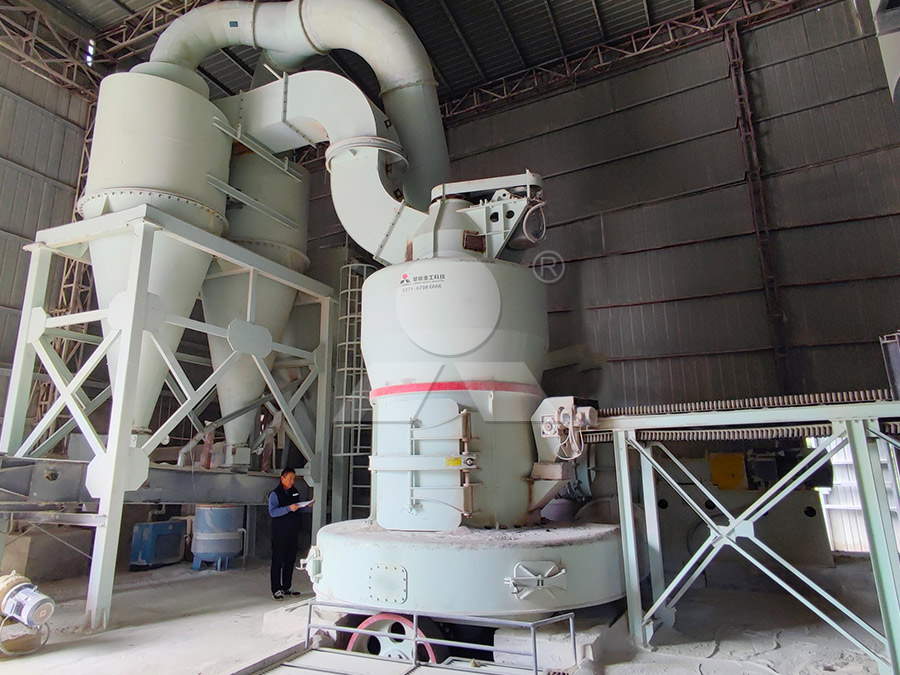
For Pakistani producers targeting the high-value cosmetic clay segment, the MW Ultrafine Grinding Mill presents a compelling, cost-optimized solution. Engineered specifically for ultra-fine powder production, it addresses the core challenges of kaolin processing.

Its advanced cage-type powder selector, incorporating German technology, allows precise fineness adjustment between 325-2500 meshes, ensuring the exact particle size distribution needed for cosmetic applications. Crucially, its innovative design eliminates rolling bearings and screws inside the grinding chamber. This feature is a game-changer for maintenance cost and product purity, virtually eliminating the risk of bearing lubricant contamination or machine failure from loose parts, thereby safeguarding the clay’s whiteness and integrity.
From an operational cost perspective, the MW series demonstrates superior economics. It boasts a 40% higher production capacity compared to jet mills and twice the yield of ball mills at the same power level, while reducing system energy consumption by up to 70%. This dramatic efficiency directly translates to lower electricity bills per ton of processed kaolin. Furthermore, its integrated high-efficiency pulse dust collector ensures a clean, environmentally friendly operation that meets national standards, mitigating compliance risks and costs.
Market Considerations and Operational Stability in Pakistan
The Pakistani industrial environment requires robust and reliable machinery. Power fluctuations and the need for minimal operational disruption make reliability a critical factor. Here, the design philosophy behind mills like the MW series and the LUM Ultrafine Vertical Grinding Mill proves advantageous. The LUM mill, for instance, features double position-limiting technology that protects the grinding assembly from destructive vibration and impact, ensuring remarkable operational stability. Its reversible roller structure allows for easier and faster maintenance, significantly reducing downtime during wear part inspection or replacement—a vital consideration for maintaining consistent supply chains to cosmetic manufacturers.

Conclusion: A Strategic Investment for Value Addition
Selecting the right grinding mill for kaolin in Pakistan’s cosmetic industry is a strategic decision that balances technical performance with total lifecycle cost. While traditional ball mills may have a lower initial price tag, their higher energy consumption, greater wear, and potential for product contamination make them less economical and suitable for high-grade applications in the long run. Investing in advanced, integrated grinding technology like the MW Ultrafine Grinding Mill or the LUM Ultrafine Vertical Mill represents a focus on value addition. It enables local processors to produce consistent, premium-grade cosmetic clay that can compete with imported alternatives, reduce production costs through energy and maintenance savings, and build a sustainable, profitable business aligned with the quality demands of the beauty industry.
Frequently Asked Questions (FAQs)
- What is the typical fineness range required for kaolin in cosmetic applications?
Cosmetic-grade kaolin typically requires a fine, smooth powder ranging from 325 to 2500 meshes, with many high-end products aiming for d97 ≤ 5μm for optimal skin feel. - Why is iron contamination a concern when grinding kaolin for cosmetics?
Iron impurities can alter the natural bright white color of kaolin to a yellowish or reddish tint, affect the chemical stability of formulations, and are generally undesirable for purity and safety standards in cosmetics. - How significant is energy cost in the overall milling operation?
Energy consumption is often the largest recurring operational cost, frequently accounting for over 40% of the total processing cost per ton. Selecting an energy-efficient mill is crucial for profitability. - Can one mill handle both crushing and fine grinding of raw kaolin?
Typically, a two-stage process is more efficient. A jaw crusher or similar equipment first reduces large lumps to a smaller feed size (e.g., 0-20mm), which is then fed into the fine grinding mill for final processing. - What are the advantages of a mill with an integrated dust collection system?
An integrated pulse dust collector ensures a clean workshop, protects workers’ health, recovers valuable product, and ensures the entire system complies with environmental regulations without needing additional, costly external filtration units. - How does the MW Ultrafine Grinding Mill protect product purity?
Its chamber has no rolling bearings or screws, eliminating risks of lubricant leakage and metallic wear debris from fasteners contaminating the kaolin powder. - What is the importance of after-sales service and spare parts availability in Pakistan?
Prompt technical support and guaranteed availability of original spare parts are essential to minimize costly downtime and ensure the mill operates at designed efficiency throughout its lifespan. - Is remote monitoring or automation available for these grinding systems?
Yes, modern mills like the LUM series often feature PLC control systems, allowing for precise parameter control, operational data tracking, and easier integration into automated production lines.