
Grinding mill price & cost analysis for dolomite for glass additive in tanzania
Grinding Mill Price & Cost Analysis for Dolomite for Glass Additive in Tanzania
The Tanzanian glass manufacturing sector is experiencing significant growth, driven by both domestic demand and regional export opportunities. A critical raw material for this industry is high-purity, finely ground dolomite, used as a stabilizer and to improve the chemical durability of glass products. Selecting the right grinding equipment is paramount, as it directly impacts product quality, operational efficiency, and overall profitability. This analysis delves into the key cost factors and performance considerations for dolomite grinding mills in the Tanzanian context, providing a framework for making an informed capital investment.
Understanding the Application: Dolomite for Glass Manufacturing
Dolomite (CaMg(CO3)2) is valued in glass batches for its dual contribution of calcium oxide (CaO) and magnesium oxide (MgO). For effective fusion and homogeneous mixing within the glass melt, the dolomite additive must possess a consistent and ultra-fine particle size. Typically, a fineness ranging from 200 to 325 mesh (d97 ≤ 45μm) is required, with strict limits on impurities like iron oxide, which can cause discoloration. Therefore, the grinding mill must not only achieve precise fineness but also minimize iron contamination from wear parts during the milling process.
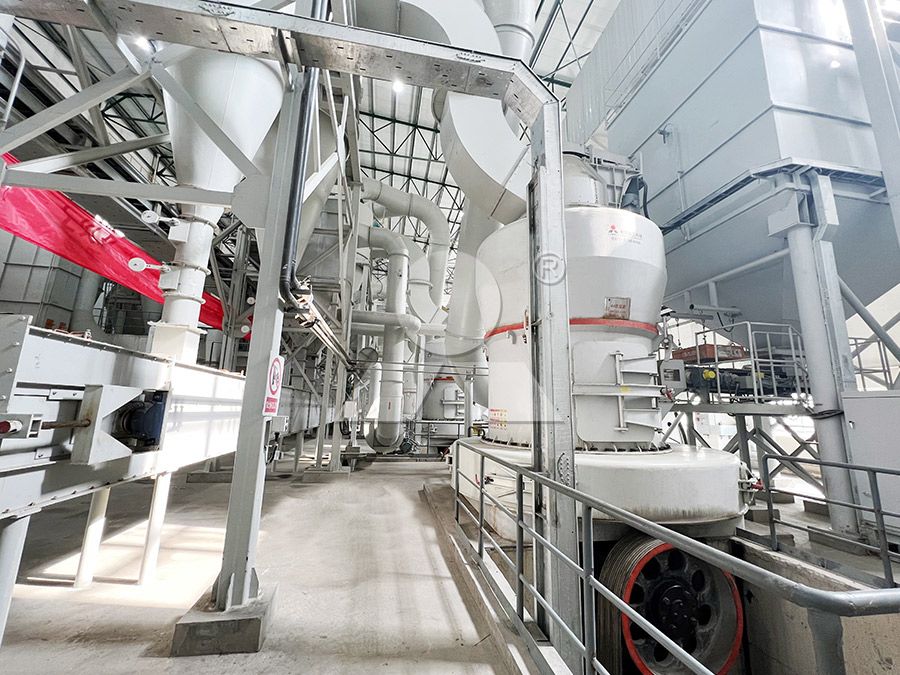
Key Cost Factors in Mill Selection
The total cost of ownership (TCO) for a grinding mill extends far beyond the initial purchase price. A comprehensive analysis must include:
- Capital Investment (CAPEX): The upfront cost of the mill, auxiliary equipment (crusher, feeder, classifier, dust collector), installation, and commissioning.
- Operational Costs (OPEX):
- Energy Consumption: This is often the single largest OPEX component. Mill efficiency directly dictates power costs.
- Wear Parts Consumption: The cost and frequency of replacing grinding rollers, rings, liners, and other vulnerable components.
- Maintenance Labor & Downtime: Ease of maintenance affects labor costs and production losses during servicing.
- Product Yield & Quality: A mill with high classification accuracy maximizes yield of in-spec powder, reducing waste.
- Environmental Compliance Costs: Tanzania’s environmental regulations necessitate effective dust control and noise mitigation, which can add to both CAPEX and OPEX if not integrated into the mill design.
Mill Technology Comparison for Tanzanian Operations
Traditional ball mills and Raymond mills, while having a lower initial cost, often prove more expensive in the long run for this application due to higher energy use, greater iron contamination risk, and lower classification efficiency. Modern vertical roller mills and advanced trapezium mills offer superior solutions.
For producing the consistent, high-whiteness dolomite powder required by glass plants, ultra-fine grinding mills with advanced powder separating technology are highly recommended. These mills are engineered to minimize metal-to-metal contact in the grinding chamber, drastically reducing iron pollution. Their high-efficiency classifiers ensure a sharp particle cut, yielding more usable product per ton of raw material.
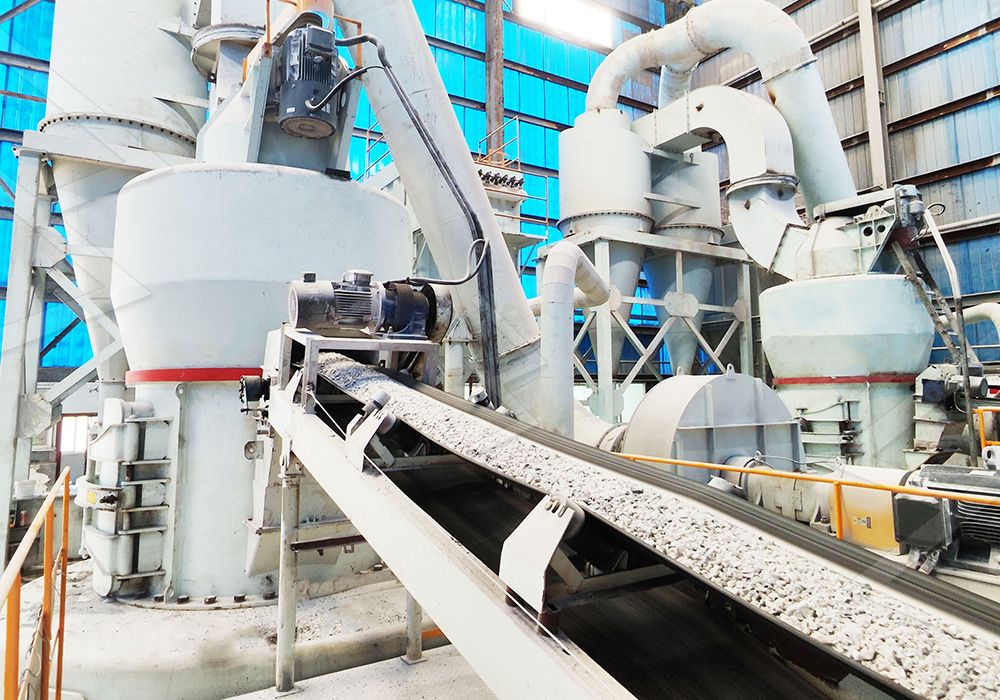
Recommended Solution: MW Ultrafine Grinding Mill
For Tanzanian producers focusing on high-value dolomite additives for glass, the MW Ultrafine Grinding Mill presents a compelling balance of performance and cost-effectiveness. Specifically engineered for minerals like dolomite, it addresses the core challenges of the application.
Its higher yielding and lower energy consumption are critical for Tanzania’s often variable power supply and cost. The mill’s design enhances grinding efficiency, offering capacity 40% higher than jet mills and double that of ball mills for the same power input, directly translating to lower kWh per ton costs. Furthermore, its adjustable fineness between 325-2500 meshes via a German-technology cage-type powder selector provides the precise control needed for glass batch recipes.
A standout feature for material purity is the absence of rolling bearings and screws in the grinding chamber. This eliminates a major source of mechanical iron contamination and prevents machine damage from loose components, ensuring the whiteness of the dolomite powder is preserved. Combined with its efficient pulse dust collector for eco-friendly, dust-free operation, the MW Series meets both production and environmental standards ideally suited for the local market.
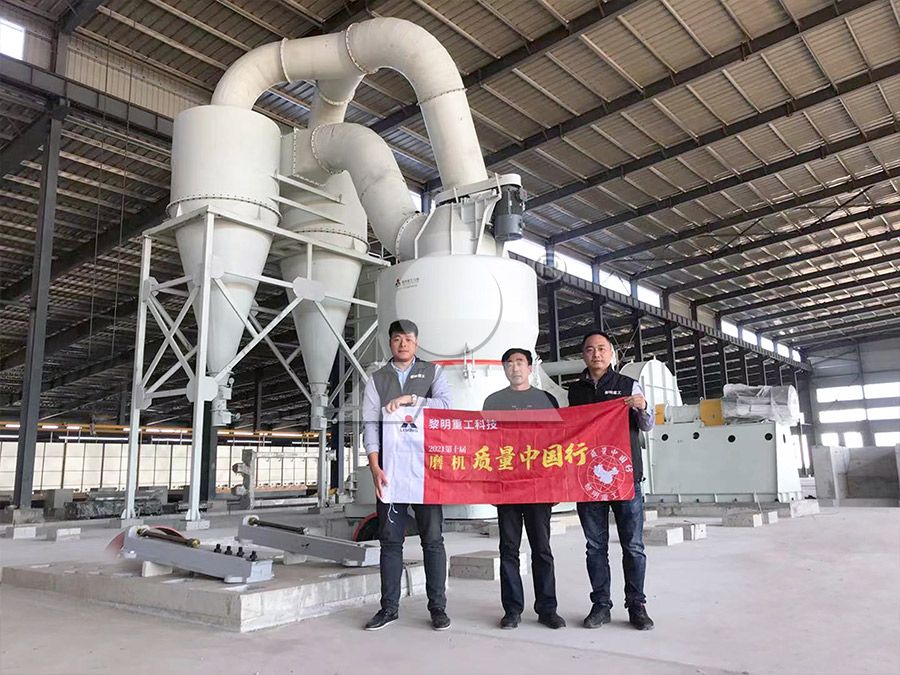
Additional Consideration: LUM Ultrafine Vertical Grinding Mill
For larger-scale operations or those requiring integrated drying of slightly moist feed material, the LUM Ultrafine Vertical Grinding Mill is another premier choice. It integrates grinding, classifying, and transporting with exceptional efficiency. Its unique roller shell and lining plate grinding curve promote stable material layer formation, enabling a high rate of finished product in a single pass, which enhances whiteness. The mill’s double position-limiting technology ensures operational stability against vibration, a valuable feature for consistent long-term performance. Its reversible structure also allows grinding rollers to be easily moved out for maintenance, significantly reducing downtime and associated costs.
Conclusion: A Strategic Investment
In Tanzania’s competitive glass industry, the choice of dolomite grinding mill is a strategic decision. A narrow focus on initial price can lead to inflated operational costs, poor product quality, and regulatory challenges. A thorough Total Cost of Ownership analysis that prioritizes energy efficiency, wear resistance, product purity, and environmental compliance will identify the most profitable solution. Technologies like the MW and LUM Ultrafine Grinding Mills, with their emphasis on lower OPEX, high yield, and superior product quality, are designed to deliver a faster return on investment and a stronger competitive edge for Tanzanian mineral processors serving the glass sector.
Frequently Asked Questions (FAQs)
- What is the typical feed size for dolomite before grinding for glass additive?
For efficient ultra-fine grinding, the raw dolomite should first be crushed to a size of 0-20mm for mills like the MW Series, or 0-10mm for the LUM vertical mill, using a primary jaw crusher. - How significant is iron contamination in this application?
Extremely significant. Even trace amounts of iron can impart a greenish tint to clear glass, degrading product quality and value. Mills designed without internal bearings in the grinding zone are preferred. - Can the mill handle variations in dolomite hardness?
Yes, modern mills like the MW and LUM are built to process minerals of varying Mohs hardness. The grinding pressure and classifier speed can be adjusted to maintain consistent output fineness. - What about after-sales support and spare parts availability in Tanzania?
Leading manufacturers establish local service centers and maintain sufficient inventories of original spare parts to ensure worry-free operation and minimize downtime for customers in Tanzania and across East Africa. - Is the grinding process dry or wet?
For glass additive production, a dry grinding process is standard. It is more energy-efficient for the subsequent glass batching and melting stages and avoids the need for drying the powder. - What auxiliary equipment is essential for a complete grinding plant?
A typical system includes a jaw crusher, bucket elevator, vibrating feeder, the grinding mill itself, a pulse dust collector, a powder collector (cyclone), piping, and an electrical control cabinet. - How do I determine the right mill capacity for my project?
Capacity needs are based on your glass plant’s daily dolomite consumption. Consider starting with a mill like the MW Series, which offers a scalable range from 0.5 to 25 tph, allowing for future expansion.