
Grinding mill price & cost analysis for coal for activated carbon in canada
Grinding Mill Price & Cost Analysis for Coal in Activated Carbon Production in Canada
The Canadian activated carbon market continues to expand, driven by stringent environmental regulations and growing industrial applications. For producers, selecting the right coal grinding equipment represents one of the most critical capital investment decisions, with significant implications for operational efficiency, product quality, and long-term profitability. This comprehensive analysis examines the key factors influencing grinding mill pricing and operational costs specifically for coal processing in activated carbon manufacturing.
Understanding Coal Grinding Requirements for Activated Carbon
Activated carbon production demands precise control over coal particle size distribution, as the activation process and final product performance heavily depend on specific surface area and pore structure. The grinding phase directly impacts the efficiency of subsequent activation stages and determines the quality of the final product. Canadian producers face unique challenges, including varying coal characteristics from different regional sources and the need to comply with strict environmental standards.

Traditional ball mills, while initially less expensive, often prove costly in the long run due to high energy consumption, significant maintenance requirements, and limitations in achieving the ultra-fine particle sizes needed for premium-grade activated carbon. More advanced grinding technologies offer superior efficiency but command higher initial investment.
Key Cost Factors in Coal Grinding Operations
When evaluating grinding mill options, Canadian activated carbon producers should consider both capital expenditure (CAPEX) and operational expenditure (OPEX) components:
Capital Investment Considerations
- Mill purchase price and installation costs
- Foundation and structural requirements
- Auxiliary equipment (feeders, classifiers, dust collectors)
- Electrical infrastructure upgrades
- Initial spare parts inventory
Operational Cost Components
- Energy consumption (typically 60-70% of operating costs)
- Wear part replacement frequency and costs
- Maintenance labor and downtime
- Dust collection and environmental compliance
- Product quality consistency and yield
Advanced Grinding Solutions for Canadian Market
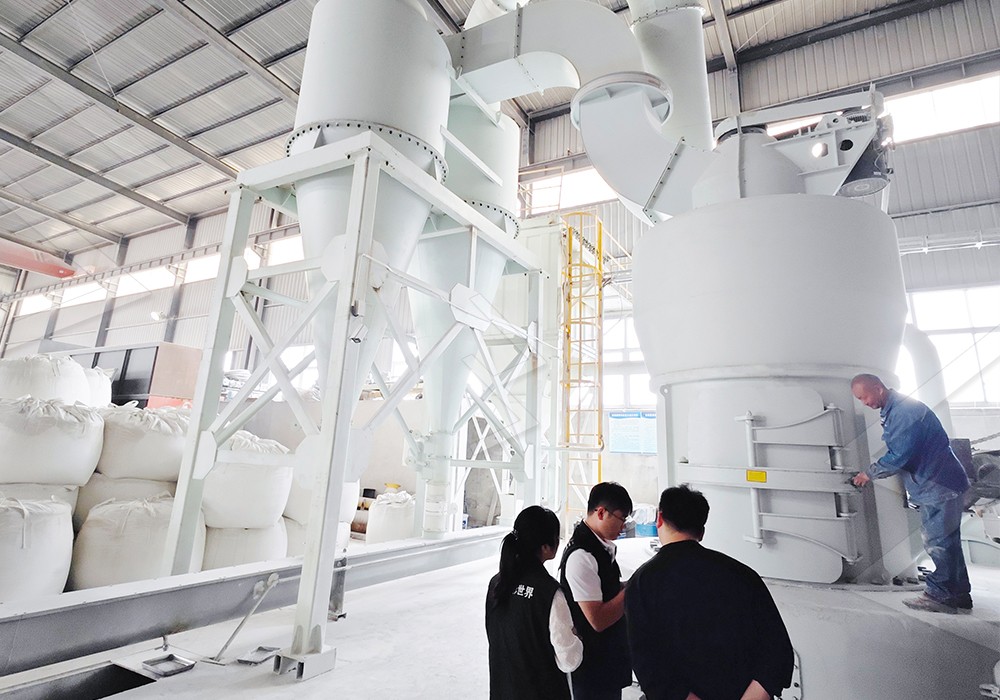
For operations requiring ultra-fine coal powder for high-grade activated carbon, the MW Ultrafine Grinding Mill presents an optimal solution. With an input size capability of 0-20 mm and capacity ranging from 0.5 to 25 tph, this mill excels in producing precisely controlled particle sizes between 325-2500 meshes. The innovative design eliminates rolling bearings and screws in the grinding chamber, significantly reducing maintenance concerns and potential contamination risks that can compromise activated carbon quality.
The MW Ultrafine Grinding Mill demonstrates particular advantages for Canadian operations through its energy-efficient operation, consuming approximately 30% less energy compared to jet mills while achieving 40% higher production capacity. The integrated pulse dust collection system ensures compliance with Canada’s stringent environmental regulations, making it an environmentally responsible choice for modern activated carbon facilities.
Vertical Mill Applications in Coal Processing
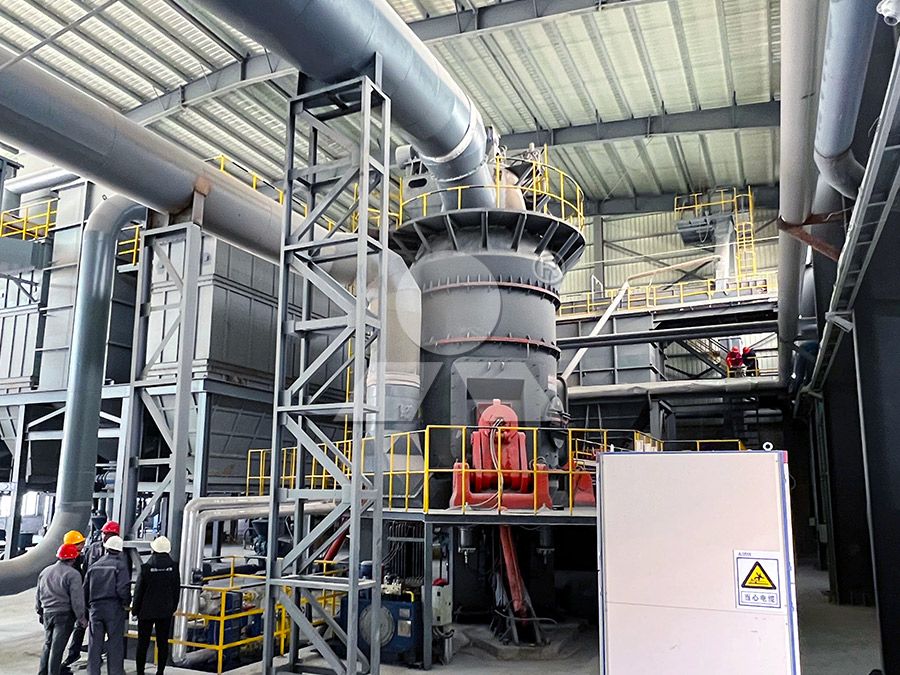
Another excellent option for Canadian producers is the LUM Ultrafine Vertical Grinding Mill, which combines advanced German powder separating technology with efficient grinding principles. With an input size of 0-10 mm and capacity of 5-18 tph, this mill offers exceptional control over particle size distribution while reducing energy consumption by 30-50% compared to conventional mills.
The LUM mill’s double position-limiting technology provides operational stability crucial for maintaining consistent product quality in activated carbon production. The reversible structure simplifies maintenance procedures, reducing downtime during wear part replacement – a significant advantage in Canada’s competitive manufacturing environment where production continuity directly impacts profitability.
Cost-Benefit Analysis for Canadian Operations
When conducting a thorough cost analysis, Canadian activated carbon producers should evaluate the total cost of ownership over a 5-10 year period. While advanced grinding mills may command a 20-40% premium in initial investment compared to basic models, the operational savings typically justify this premium within 18-36 months through:
- Reduced energy consumption (saving $15,000-$45,000 annually per mill)
- Lower maintenance costs and reduced downtime
- Higher product quality commanding premium market prices
- Reduced environmental compliance costs
- Longer equipment lifespan and better residual value
Regional Considerations for Canadian Producers
Canadian activated carbon manufacturers must account for regional factors when selecting grinding equipment:
- Energy Costs: With varying electricity rates across provinces, energy-efficient mills provide greater savings in regions with higher power costs
- Climate Conditions: Equipment must perform reliably in diverse Canadian climates, from harsh winters to humid summers
- Regulatory Environment: Stricter emissions standards in certain provinces may favor mills with advanced dust collection systems
- Local Support: Availability of technical support and spare parts within Canada reduces downtime risks

Making the Right Investment Decision
Selecting the appropriate grinding mill for coal processing in activated carbon production requires careful consideration of both technical specifications and economic factors. Canadian producers should conduct material testing with potential mill suppliers to verify performance claims with their specific coal sources. Additionally, evaluating supplier reputation, service capabilities within Canada, and spare parts availability should form part of the decision-making process.
The MW Ultrafine Grinding Mill and LUM Ultrafine Vertical Grinding Mill both represent technologically advanced solutions that address the specific needs of the Canadian activated carbon industry. Their combination of energy efficiency, precise particle size control, and environmental compliance makes them worthy of serious consideration for operations focused on long-term competitiveness and sustainability.
Frequently Asked Questions
What is the typical payback period for upgrading to more efficient coal grinding equipment?
Most Canadian operations experience payback periods of 18-36 months when upgrading to advanced grinding mills, primarily through energy savings, reduced maintenance, and improved product quality.
How does coal moisture content affect grinding mill selection?
Higher moisture coals typically benefit from mills with integrated drying capabilities. Both the MW and LUM series offer excellent performance with various moisture contents common in Canadian coal sources.
What particle size range is optimal for activated carbon production?
Most activation processes require particle sizes between 200-800 meshes, with specific applications demanding even finer grinding. The MW Ultrafine Grinding Mill’s adjustable fineness between 325-2500 meshes covers this range effectively.
How significant are energy costs in the total operating expenses?
Energy typically constitutes 60-70% of grinding operational costs, making efficiency a primary consideration in equipment selection, especially in Canadian provinces with higher electricity rates.
What maintenance requirements should Canadian operators expect?
Advanced mills like the MW series significantly reduce maintenance through designs that eliminate internal bearings and screws. Typical maintenance involves periodic inspection of grinding elements and classifier components.
Can the same mill process different coal types from various Canadian sources?
Yes, both recommended mills handle various coal types effectively. However, minor adjustments to grinding pressure and classifier speed may optimize performance for specific coal characteristics.
How important is after-sales support for grinding operations in Canada?
Critical. Given Canada’s geographic challenges, reliable technical support and spare parts availability significantly impact operational continuity and total cost of ownership.
What environmental compliance considerations are unique to Canadian operations?
Canadian facilities must meet strict particulate emission standards. Mills with integrated pulse dust collectors, like the MW series, help maintain compliance without additional filtration systems.