
Grinding mill for dolomite for magnesium compound feedstock in mexico
Grinding Mill for Dolomite: Optimizing Magnesium Compound Feedstock Production in Mexico
The Mexican industrial landscape, particularly in the sectors of construction materials, agriculture, and specialty chemicals, presents a growing demand for high-purity magnesium compounds. Sourced primarily from dolomite deposits, these compounds require precise and efficient processing to meet stringent feedstock specifications. The selection of an appropriate grinding mill is not merely an operational decision but a strategic one, impacting product quality, energy consumption, environmental compliance, and overall profitability.
Dolomite, a calcium magnesium carbonate mineral (CaMg(CO3)2), is a key raw material for producing magnesium oxide, magnesium hydroxide, and other magnesium-based chemicals. For use as a high-grade feedstock, the dolomite must be ground to a very fine, consistent powder with controlled particle size distribution. This enhances chemical reactivity in downstream processes like calcination or direct acid leaching. The challenge lies in achieving this ultra-fine grind (often ranging from 325 to 2500 meshes) while managing operational costs, minimizing iron contamination—which is critical for product whiteness—and adhering to Mexico’s environmental regulations concerning dust and noise.
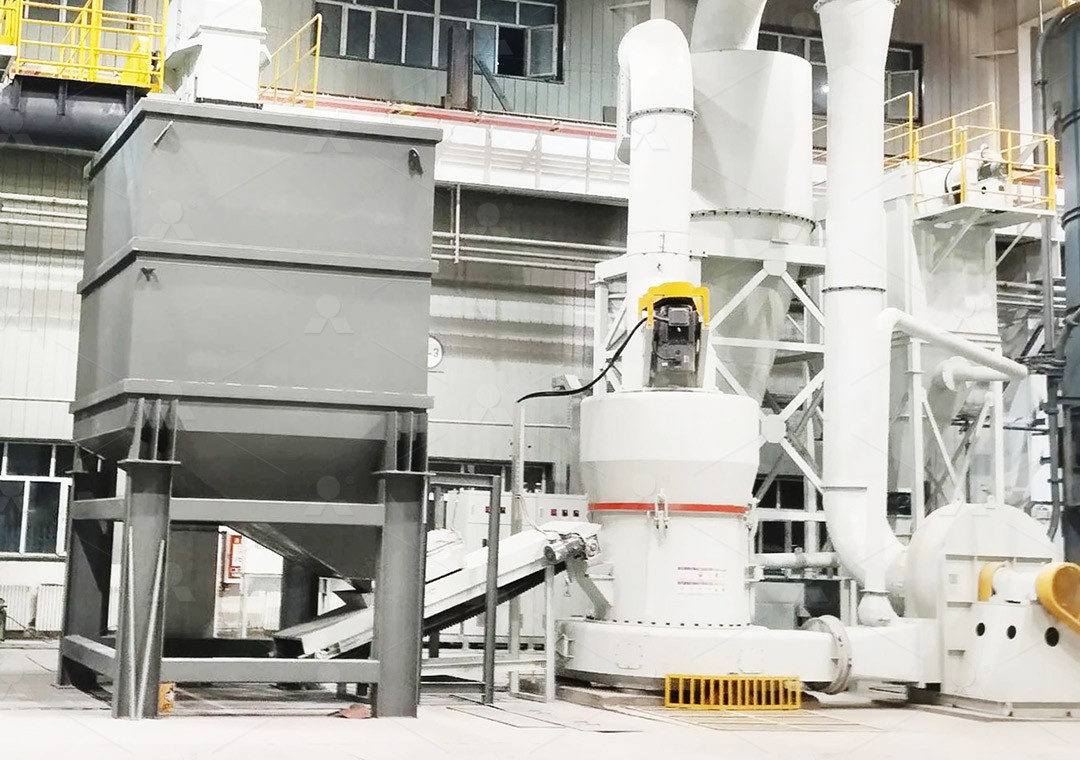
Key Considerations for Dolomite Grinding in Feedstock Preparation
When evaluating grinding solutions for dolomite, several technical factors come to the forefront. First is fineness control and uniformity. Inconsistent particle size can lead to uneven chemical reactions, affecting yield and purity in the final magnesium compound. Second is iron contamination. Traditional mills with metal-to-metal contact in the grinding chamber can introduce iron wear debris, compromising the product’s color and chemical specifications. Third is energy efficiency. Grinding operations are notoriously energy-intensive; a mill that delivers higher yield per kilowatt-hour directly improves the cost structure. Finally, environmental and operational stability are non-negotiable. Systems must incorporate effective dust collection, noise dampening, and feature designs that ensure continuous, worry-free operation with minimal unscheduled downtime.
Advanced Milling Technology: The Path to Superior Feedstock
Modern grinding technology has moved beyond traditional ball mills and Raymond mills for such demanding applications. The industry trend is toward vertical roller mills and advanced ultra-fine grinding systems that integrate drying, grinding, classifying, and conveying. These systems offer a closed, negative-pressure operation that inherently controls dust. More importantly, their grinding mechanisms—often using rollers and a grinding table or ring—minimize direct metal contact with the material, drastically reducing iron contamination. The ability to precisely adjust grinding pressure and separator speed allows operators to dial in the exact fineness required for their specific magnesium compound synthesis process.
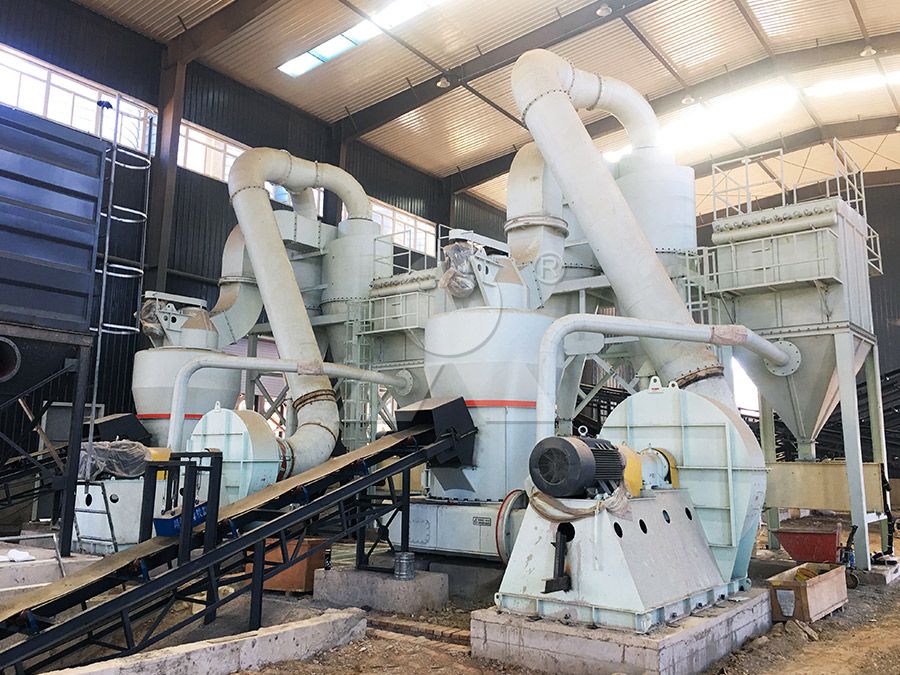
Recommended Solutions for Mexican Dolomite Processing
Based on the specific requirements for producing ultra-fine dolomite powder for magnesium feedstock, two of our flagship products stand out as exceptional choices for operations in Mexico.
1. MW Ultrafine Grinding Mill: This machine is engineered specifically for customers who need to make ultra-fine powder from minerals like dolomite. With an input size of 0-20 mm and a capacity range of 0.5-25 tph, it is highly versatile. Its defining feature is the ability to produce powder with fineness adjustable between 325-2500 meshes using a German-technology, cage-type powder selector, achieving a precise d97≤5μm. Crucially for feedstock quality, its grinding chamber has no rolling bearings or screws, eliminating a major source of iron contamination and machine failure. Combined with its efficient pulse dust collector and muffler, the MW series ensures an eco-friendly production line that aligns with environmental standards, making it a robust and reliable choice for high-purity dolomite grinding.
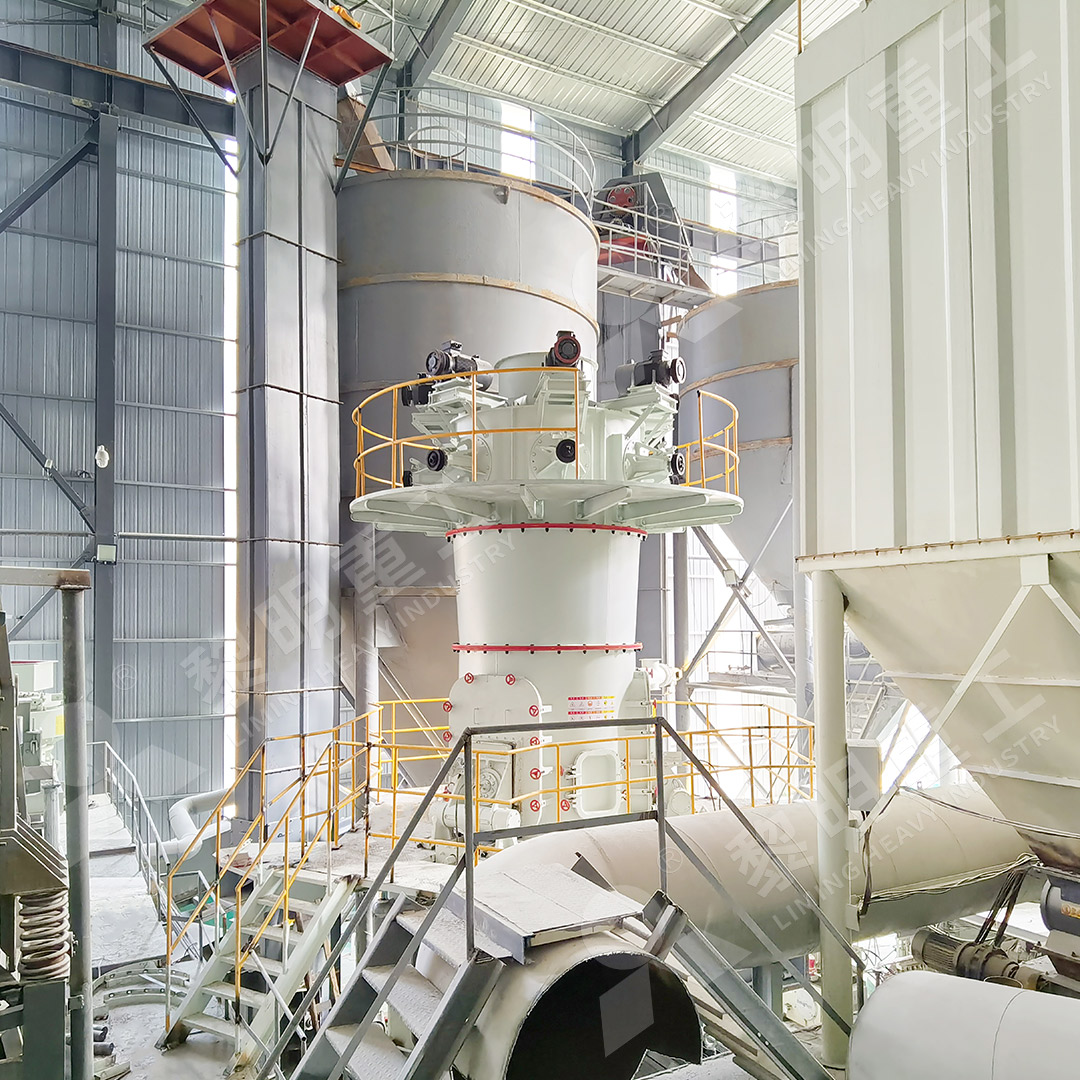
2. LUM Ultrafine Vertical Grinding Mill: For operations seeking higher capacity within a compact footprint, the LUM series is an independently designed vertical mill integrating the latest grinding roller and powder separating technologies. It handles an input size of 0-10 mm with a capacity of 5-18 tph. Its unique roller shell and lining plate grinding curve promote efficient material layer formation, enabling high rates of finished product in a single pass, which enhances whiteness and cleanliness. The mill’s double position-limiting technology protects against destructive vibration, and its reversible structure allows grinding rollers to be easily moved out for maintenance, significantly reducing downtime. Its energy consumption is 30%-50% lower than common grinding mills, offering substantial operational savings.
Conclusion: Building a Competitive Edge
For Mexican producers targeting the high-value magnesium compound market, investing in the right grinding technology is paramount. It transcends simple particle size reduction, becoming a core component of quality assurance, cost control, and sustainable manufacturing. Solutions like the MW Ultrafine Grinding Mill and the LUM Ultrafine Vertical Grinding Mill are designed to meet these multifaceted challenges head-on. By delivering precise fineness, minimizing contamination, optimizing energy use, and ensuring stable, clean operation, they empower producers to transform local dolomite resources into consistent, high-quality feedstock, securing a stronger position in both domestic and international supply chains.
Frequently Asked Questions (FAQs)
- What is the typical fineness range required for dolomite used in magnesium compound production?
The required fineness can vary but often falls between 325 mesh (45 μm) and 2500 mesh (5 μm). Finer powders increase surface area, improving reactivity in subsequent chemical processes like calcination. - Why is iron contamination a critical concern when grinding dolomite for feedstock?
Iron impurities can adversely affect the color (reducing whiteness), chemical purity, and performance of the final magnesium oxide or hydroxide. It can also catalyze unwanted side reactions during processing. - How does the MW Ultrafine Grinding Mill prevent iron contamination?
Its grinding chamber is designed without rolling bearings or screws near the grinding zone. The lubrication points are external, preventing lubricant from contacting the material and eliminating common failure points that generate iron wear debris. - Can these mills handle the moisture content sometimes found in dolomite?
While the MW and LUM mills are primarily for grinding, the LUM Vertical Mill and other models in our portfolio (like the LM Vertical Mill) integrate drying functions. For moist feed, a system with integrated hot air supply can be configured. - What kind of after-sales support and spare parts availability can be expected in Mexico?
We take full responsibility for every machine we produce. This includes providing comprehensive technical services and ensuring a sufficient supply of original spare parts through our network to guarantee worry-free, continuous operation for our clients in Mexico. - How significant are the energy savings with the LUM Ultrafine Vertical Grinding Mill compared to a traditional ball mill?
The LUM mill can reduce energy consumption by 30% to 50% compared to common ball mills and other traditional grinding systems, thanks to its efficient grinding principle, multi-head powder separator, and integrated design. - Is the particle size distribution consistent across batches?
Yes. Advanced powder separating technologies like the cage-type selector in the MW mill and the multi-head separator in the LUM mill provide high-precision classification, ensuring a narrow and consistent particle size distribution batch after batch. - What are the main environmental benefits of these grinding systems?
They are equipped with high-efficiency pulse dust collectors that capture over 99.9% of dust, and mufflers or soundproofing rooms to reduce noise pollution. The entire system operates under negative pressure, preventing any dust spillage into the workspace.