
Grinding mill for dolomite for ceramics raw material in kenya
Unlocking Kenya’s Ceramics Potential: The Critical Role of Dolomite Grinding
Kenya’s burgeoning ceramics industry stands at a pivotal juncture. With abundant deposits of high-quality dolomite—a key raw material for ceramic glazes, tiles, and sanitaryware—the nation possesses a solid foundation for industrial growth. However, the true value of this mineral wealth is only realized through precise, efficient, and reliable processing. The transformation of raw dolomite into a consistent, ultra-fine powder is the single most critical step in determining the final product’s quality, strength, and aesthetic appeal. This process demands grinding technology that is not only powerful but also intelligent, adaptable, and environmentally conscious.
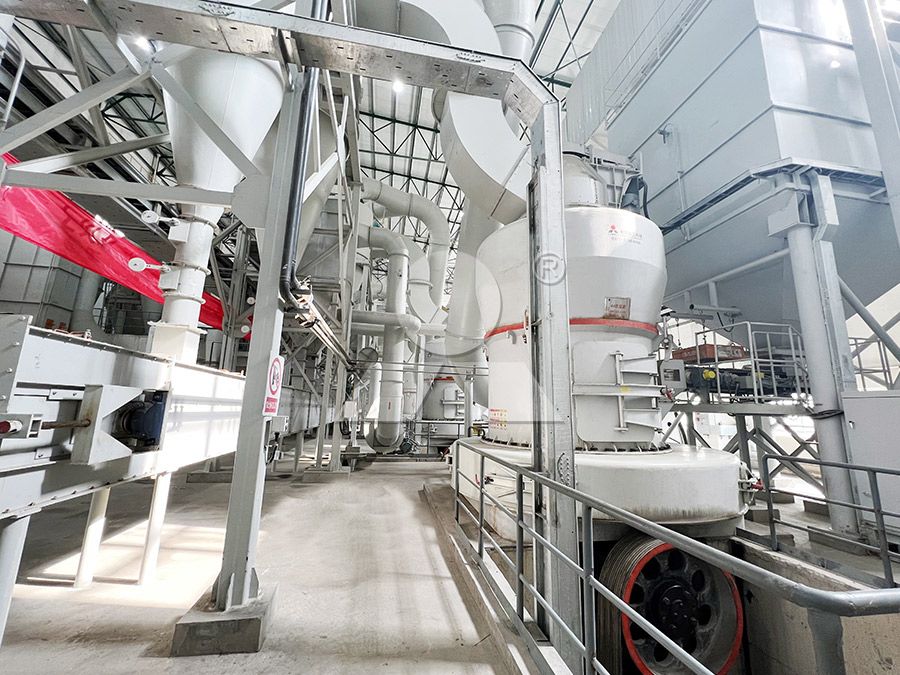
The Dolomite Advantage in Ceramics Manufacturing
Dolomite (CaMg(CO3)2) serves as a versatile flux and stabilizer in ceramic bodies and glazes. Its controlled addition lowers firing temperatures, reduces energy consumption, enhances mechanical strength, and improves whiteness. For Kenyan manufacturers aiming to compete in both domestic and export markets, consistency in the chemical and physical properties of their dolomite powder is non-negotiable. Impurities, inconsistent particle size distribution, or high iron content can lead to defects like pinholes, discoloration, or warping. Therefore, the choice of grinding mill directly impacts production yield, product quality, and operational profitability.
Beyond Basic Milling: The Need for Technological Sophistication
Traditional grinding methods often fall short. Ball mills, while common, can introduce iron contamination from wear parts, are energy-intensive, and offer limited control over fineness. For high-value ceramics production, the industry requires advanced solutions that deliver:
- Ultra-Fine & Consistent Particle Size: A narrow particle size distribution (often requiring d97 ≤ 10μm) ensures uniform sintering and a flawless surface finish.
- High Purity & Low Iron Contamination: Critical for whiteware and high-grade ceramics where even trace elements can cause staining.
- Energy Efficiency: Grinding is an energy-heavy process; modern mills must maximize output per kilowatt-hour to keep operating costs sustainable.
- Environmental Compliance: Dust-free operation and low noise are essential for meeting Kenya’s environmental and workplace safety standards.
- Adaptability: The ability to adjust fineness quickly to meet different product specifications for various ceramic lines.
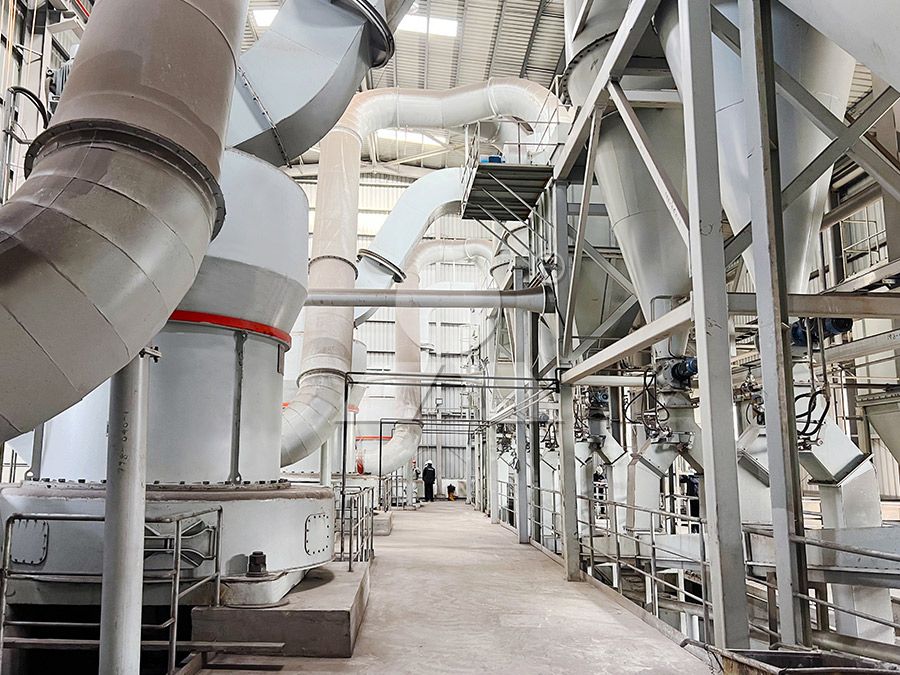
Engineered for Excellence: The MW Ultrafine Grinding Mill Solution
For Kenyan ceramics producers seeking to overcome these challenges, the MW Ultrafine Grinding Mill presents a compelling, purpose-built solution. This mill is specifically engineered for the production of high-purity, ultra-fine powders like dolomite, with features that directly address the stringent demands of the ceramics sector.
Its core advantage lies in a higher yield with significantly lower energy consumption. Through newly designed grinding curves for the roller and ring, the MW Mill achieves a production capacity up to 40% higher than jet or stirred mills at the same power input, while consuming only about 30% of the energy of a jet mill. This translates directly to a lower cost per ton of processed dolomite, a key competitive edge.
Precision is paramount. The mill’s German-technology-derived cage-type powder selector allows operators to precisely adjust the fineness of the dolomite powder between 325 and 2500 meshes. This ensures ceramic manufacturers can dial in the exact specification needed for a particular glaze or body formulation, achieving a consistent d97≤5μm output. Furthermore, the innovative design eliminates rolling bearings and screws within the grinding chamber. This revolutionary feature eradicates the primary source of mechanical wear and iron contamination, guaranteeing the whiteness and purity of the dolomite powder and, by extension, the final ceramic product.
Operating in an environmentally responsible manner is seamlessly integrated. The MW Mill comes equipped with an efficient pulse dust collector and silencer system, ensuring the entire milling process is free from dust pollution and operates within strict noise limits. This makes it an ideal partner for facilities committed to sustainable and community-friendly production practices.
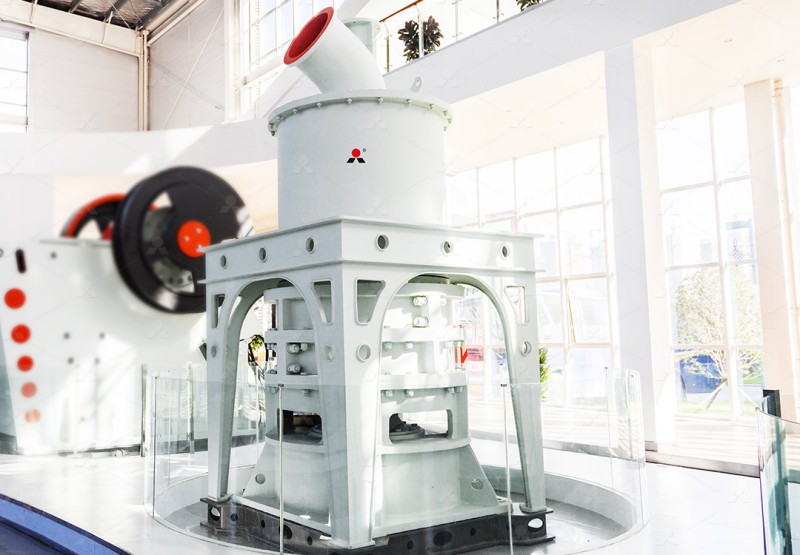
A Robust Vertical Alternative: The LUM Ultrafine Vertical Grinding Mill
For operations requiring a different footprint or processing flow, the LUM Ultrafine Vertical Grinding Mill offers another top-tier option. Integrating the latest grinding roller and powder separating technologies, the LUM Mill excels in producing superfine dolomite powder with exceptional efficiency. Its unique roller shell and lining plate design promotes stable material layer formation, enabling high rates of finished product yield from a single pass, which enhances whiteness and cleanliness. The mill’s multi-head powder separating technology, controlled by a PLC system, provides unparalleled accuracy in particle size control and rapid switching between different product fineness requirements, reducing energy use by 30-50%. A key feature for maintenance and purity is its reversible structure, allowing grinding rollers to be easily swung out for inspection or liner replacement without major disassembly, minimizing downtime and ensuring continued production of contamination-free powder.
Strategic Investment for a Competitive Future
The selection of a grinding mill is a strategic decision that influences a ceramics plant’s capabilities for years to come. Investing in advanced technology like the MW or LUM series is an investment in product quality, operational efficiency, and environmental stewardship. For Kenyan enterprises, leveraging such technology means transforming local dolomite into a premium, value-added raw material that can elevate the quality of finished ceramics, reduce import dependence, and open doors to international markets. By partnering with a provider like LIMING, which offers comprehensive technical support and genuine spare parts, manufacturers secure not just a machine, but a foundation for reliable, worry-free, and profitable production.
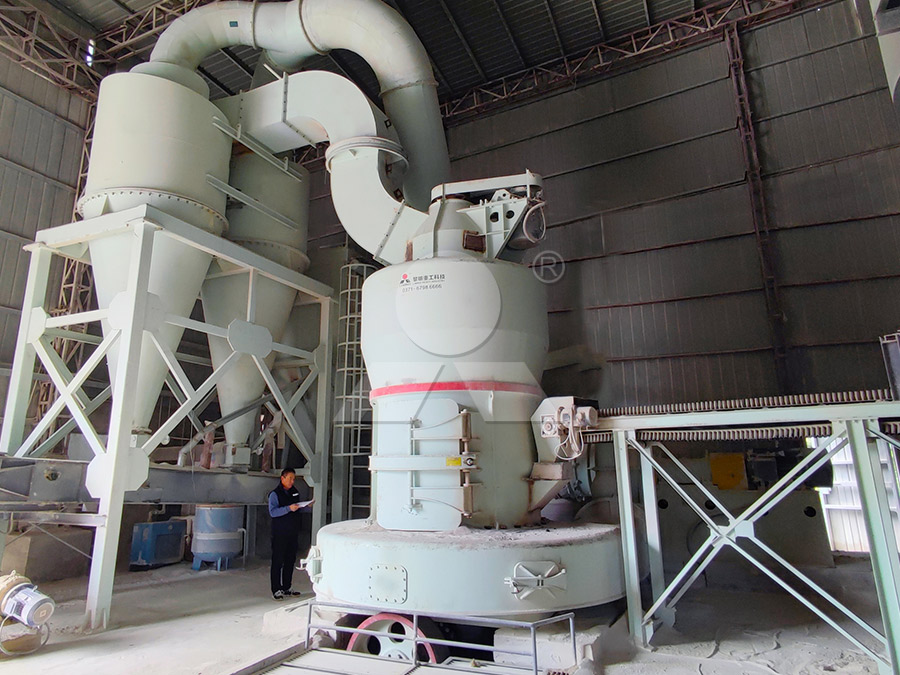
Frequently Asked Questions (FAQs)
1. What is the typical fineness range required for dolomite in ceramics?
For most ceramic applications, including glaze and body formulations, a fineness between 400 to 1250 meshes (approximately d97 = 38μm to 10μm) is common. Advanced products may require even finer powders up to 2500 meshes.
2. How does the MW Mill prevent iron contamination in the dolomite powder?
The MW Ultrafine Grinding Mill features a unique design with no rolling bearings or screws inside the grinding chamber. This eliminates the primary sources of mechanical wear and metal shedding, ensuring the final powder maintains high whiteness and low iron content.
3. What are the key advantages of the cage-type powder selector?
The cage-type selector offers higher precision in particle separation compared to traditional blade-type selectors. It allows for accurate and adjustable fineness control between 325-2500 meshes and achieves a high screening efficiency, ensuring a consistent and narrow particle size distribution.
4. Can these mills handle the varying moisture content of raw dolomite?
While the MW and LUM mills are primarily designed for dry grinding, the overall system can be integrated with pre-drying equipment if the raw dolomite has high surface moisture. For materials with inherent crystal water, the grinding process itself can generate some heat to aid in drying.
5. What is the expected energy saving compared to a traditional ball mill?
The MW Ultrafine Grinding Mill can reduce system energy consumption by approximately 40-50% compared to a traditional ball mill producing powder of similar fineness, due to its more efficient grinding principle and design.
6. How is dust control managed during operation?
Both the MW and LUM mills are equipped with high-efficiency pulse jet dust collectors. These systems ensure the milling circuit operates under negative pressure, capturing over 99.9% of airborne particles, resulting in a clean workshop and compliance with environmental regulations.
7. What kind of after-sales support is available in Kenya?
LIMING provides comprehensive support including installation guidance, commissioning, operator training, and a reliable supply of original spare parts. Technical service is available to ensure continuous, worry-free operation of the equipment.
8. Are these mills suitable for grinding other ceramic raw materials?
Absolutely. Both the MW and LUM series are highly versatile and can effectively process a wide range of non-metallic minerals used in ceramics, including quartz, feldspar, calcite, and kaolin, allowing for a standardized processing setup for multiple raw materials.