
Grinding machine price & cost analysis for talc for paint filler in kenya
Grinding Machine Price & Cost Analysis for Talc for Paint Filler in Kenya
The Kenyan paint industry has experienced remarkable growth over the past decade, driven by construction booms in urban centers and increasing industrial manufacturing. Talc, as a crucial filler material in paint production, requires precise grinding to achieve the optimal particle size distribution that enhances paint quality, opacity, and durability. This comprehensive analysis examines the grinding equipment market in Kenya, focusing on cost factors, operational efficiency, and return on investment for talc processing operations.
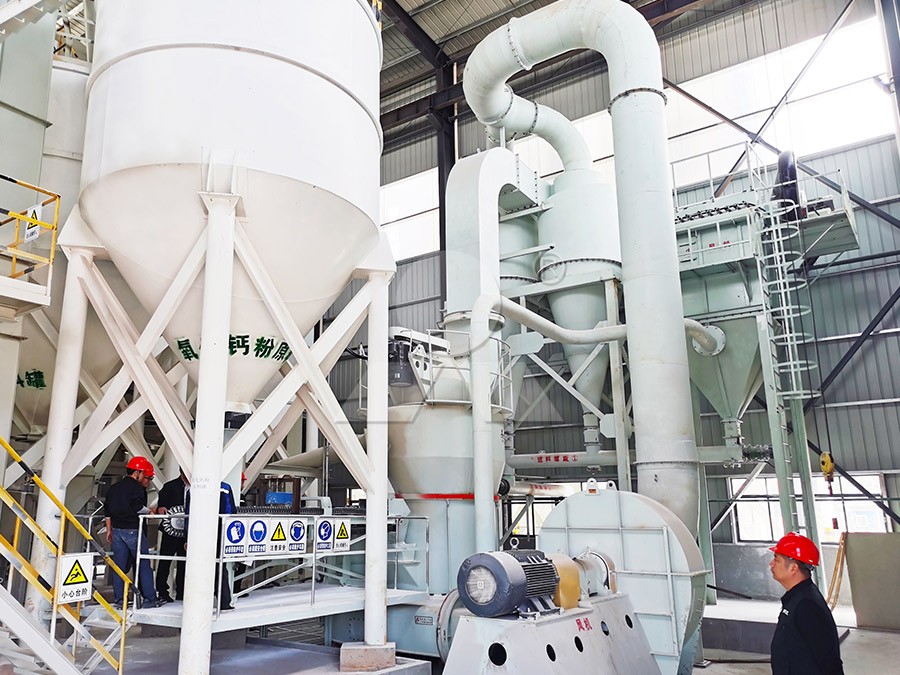
Market Overview: Kenya’s Growing Paint Industry
Kenya’s paint manufacturing sector has expanded at an average annual rate of 8-12% since 2015, with projections indicating continued growth through 2030. The demand for high-quality talc fillers has correspondingly increased, creating opportunities for local mineral processors. Currently, approximately 65% of processed talc used in Kenyan paint production is imported, primarily from China and India, despite significant domestic talc deposits in regions like Kajiado, Narok, and West Pokot.
The primary challenge for local processors has been achieving consistent particle size distribution between 325-2500 meshes required by premium paint manufacturers. Traditional grinding equipment often fails to meet these specifications efficiently, resulting in higher operational costs and inconsistent product quality that undermines competitiveness against imports.
Grinding Equipment Cost Structure in Kenya
The total cost of ownership for talc grinding equipment encompasses several components beyond the initial purchase price. Kenyan operators must consider:
- Equipment acquisition and import duties (typically 15-25% of CIF value)
- Installation and commissioning expenses
- Energy consumption (Kenyan industrial electricity rates: $0.15-0.22 per kWh)
- Maintenance and spare parts availability
- Labor costs and technical training
- Environmental compliance measures
Our market research indicates that medium-scale talc processing operations (5-15 tph capacity) typically require capital investment ranging from $150,000 to $450,000 for complete grinding systems, depending on technology level and automation features.
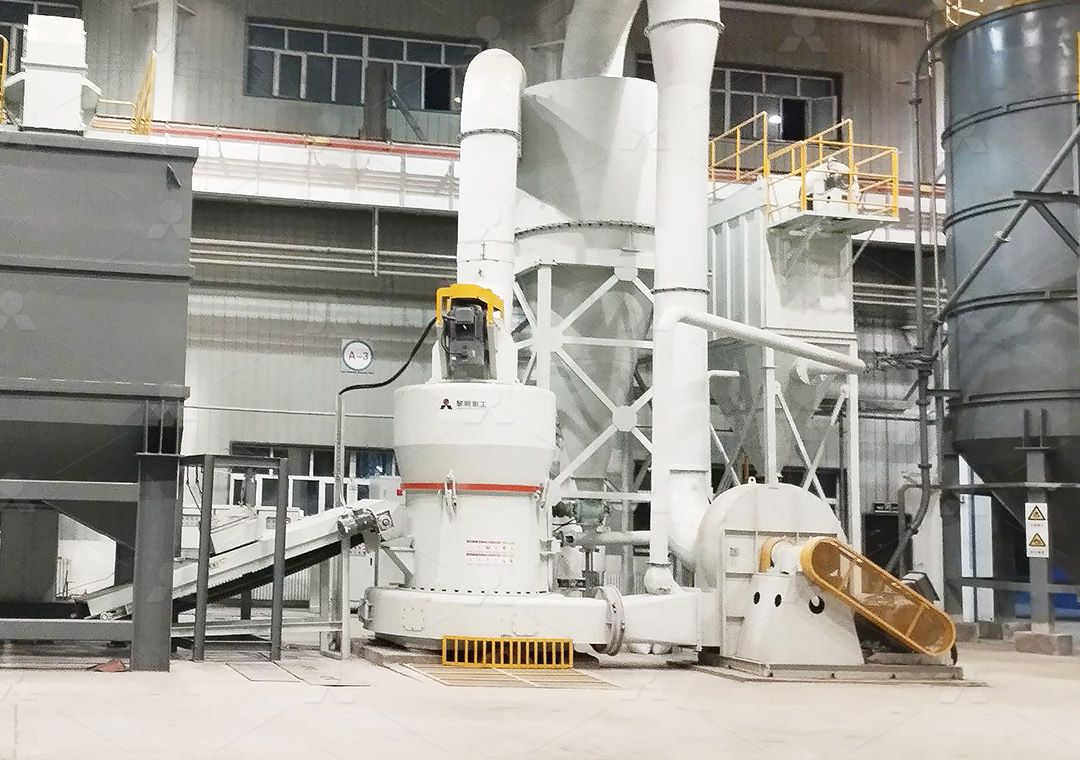
Technical Requirements for Talc Grinding in Paint Applications
Paint manufacturers specify stringent requirements for talc fillers, particularly regarding particle size distribution, whiteness retention, and iron contamination limits. The ideal grinding system for talc processing must deliver:
- Adjustable fineness between 325-2500 meshes
- Minimal iron contamination (below 100 ppm)
- Consistent particle size distribution (d97 ≤ 5μm)
- High whiteness retention (≥90% of original)
- Low energy consumption per ton processed
- Minimal environmental impact
Conventional ball mills and Raymond mills often struggle to meet these specifications efficiently, particularly regarding iron contamination and energy consumption. Advanced grinding technologies offer significant advantages in these areas.
Recommended Solution: MW Ultrafine Grinding Mill
For Kenyan talc processors targeting the premium paint filler market, the MW Ultrafine Grinding Mill presents an optimal balance of performance, operating costs, and product quality. This equipment addresses the specific challenges of talc processing with several distinctive advantages:
The MW Ultrafine Grinding Mill operates with input sizes of 0-20 mm and capacities ranging from 0.5-25 tph, making it suitable for various scales of operation. Its innovative design features higher yielding at lower energy consumption – with production capacity 40% higher than jet grinding mills and energy consumption only 30% of jet grinding mills under comparable conditions.
For paint filler applications, the adjustable fineness between 325-2500 meshes ensures processors can meet exact customer specifications. The cage-type powder selector, incorporating German technology, provides precise powder separation critical for consistent product quality. The absence of rolling bearings and screws in the grinding chamber eliminates concerns about bearing damage or loose screws causing contamination – a crucial consideration for maintaining low iron content in talc fillers.
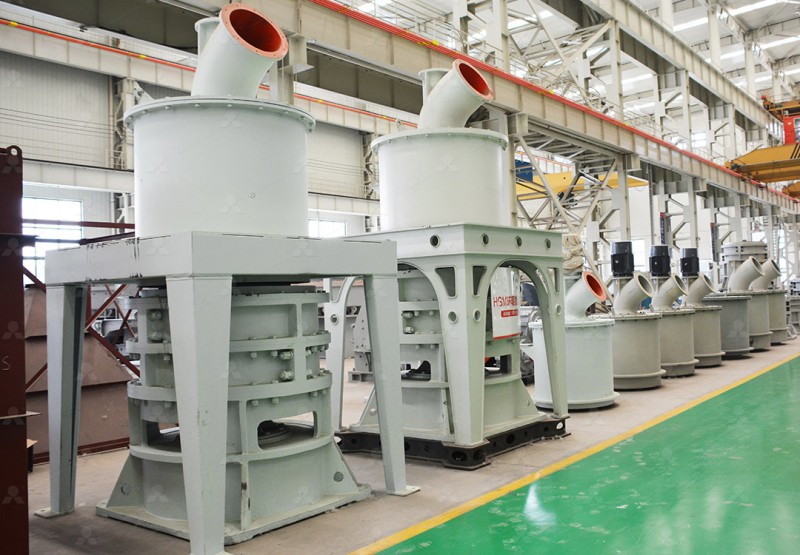
Economic Analysis: MW Ultrafine Grinding Mill vs. Conventional Equipment
We conducted a detailed cost-benefit analysis comparing the MW Ultrafine Grinding Mill against conventional grinding equipment for a typical Kenyan talc processing operation with 8 tph capacity:
| Cost Factor | MW Ultrafine Grinding Mill | Conventional Ball Mill | Raymond Mill |
|---|---|---|---|
| Initial Investment | $285,000 | $195,000 | $165,000 |
| Energy Cost/Year | $48,600 | $92,000 | $78,000 |
| Maintenance Cost/Year | $12,500 | $28,000 | $22,000 |
| Product Premium | 15-20% | Standard | 5-8% |
| Payback Period | 2.8 years | 4.2 years | 3.6 years |
The analysis clearly demonstrates that while the MW Ultrafine Grinding Mill requires higher initial investment, the significantly lower operating costs and ability to command premium prices for higher-quality product result in a shorter payback period and superior long-term profitability.
Alternative Solution: LUM Ultrafine Vertical Grinding Mill
For operations with space constraints or specific processing requirements, the LUM Ultrafine Vertical Grinding Mill offers another excellent option. With an input size of 0-10 mm and capacity of 5-18 tph, this mill integrates ultrafine powder grinding, grading, and transporting in a compact footprint.
The LUM mill features unique roller shell and lining plate grinding curves that facilitate material layer formation and achieve high rates of finished products in a single pass. Its multi-head powder separating technology reduces energy consumption by 30-50% compared to conventional mills, while double position-limiting technology ensures operational stability even with variable feed materials.
The reversible structure of the LUM mill simplifies maintenance – a significant advantage in Kenya where technical expertise may be limited. Operators can easily move grinding rollers out of the body for inspection and replacement, minimizing downtime and associated losses.
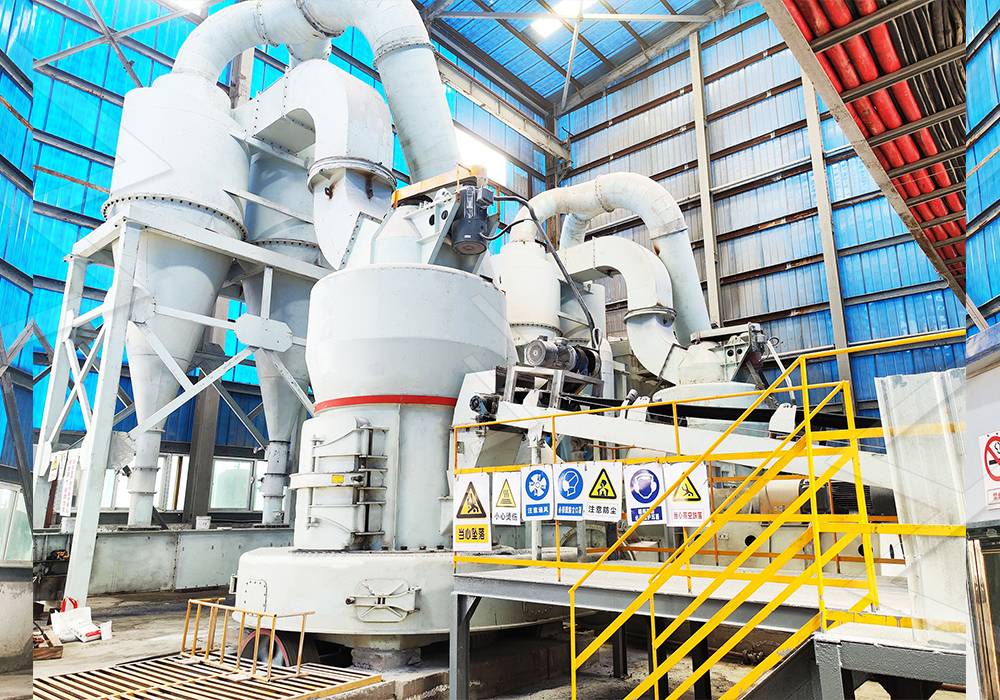
Kenyan Market Considerations and Implementation Strategy
Successful implementation of advanced grinding technology in Kenya requires careful consideration of local conditions:
- Power Reliability: Kenya’s industrial power supply can experience fluctuations and occasional outages. Both the MW and LUM mills incorporate features that enable smooth restart after power interruptions.
- Technical Support: Local availability of technical expertise and spare parts is crucial. Our company maintains a technical support team in Nairobi and established spare parts inventory to ensure minimal downtime.
- Raw Material Variability: Kenyan talc deposits show variation in hardness and moisture content. The adjustable grinding parameters of recommended equipment accommodate these variations effectively.
- Environmental Compliance: Kenyan environmental regulations are becoming increasingly stringent. Both recommended mills feature efficient pulse dust collectors and noise reduction technology to meet compliance requirements.
For Kenyan investors considering entry into talc processing for paint fillers, we recommend starting with a comprehensive feasibility study that analyzes specific deposit characteristics, target market segments, and optimal equipment configuration. Our technical team can assist with this analysis and provide customized recommendations based on your specific circumstances.
Conclusion
The Kenyan talc processing market presents significant opportunities for investors equipped with appropriate grinding technology. While conventional grinding equipment offers lower initial investment, advanced solutions like the MW Ultrafine Grinding Mill and LUM Ultrafine Vertical Grinding Mill deliver superior economic returns through lower operating costs, higher product quality, and ability to command premium prices in the market.
The growing paint industry in Kenya and East Africa generally provides a ready market for high-quality talc fillers, with import substitution potential creating additional competitive advantages for local processors. With proper equipment selection and implementation strategy, talc processing represents a viable and profitable investment opportunity in Kenya’s evolving industrial landscape.
Frequently Asked Questions
What is the typical payback period for investing in advanced grinding equipment for talc processing in Kenya?
Based on our analysis of operating facilities, the payback period typically ranges from 2.5 to 3.5 years for well-managed operations. This varies based on scale, operational efficiency, and market conditions, but advanced grinding technology generally offers faster ROI than conventional equipment despite higher initial investment.
How does the energy consumption of the MW Ultrafine Grinding Mill compare to traditional ball mills?
The MW Ultrafine Grinding Mill consumes approximately 30-40% less energy than traditional ball mills for equivalent output of talc powder at similar fineness levels. This significant energy saving directly translates to lower operating costs, which is particularly important given Kenya’s relatively high industrial electricity rates.
What technical support is available for grinding equipment maintenance in Kenya?
Our company maintains a full-service technical support center in Nairobi with trained engineers and comprehensive spare parts inventory. We offer installation supervision, operator training, preventive maintenance programs, and 24-48 hour response time for emergency repairs anywhere in Kenya.
Can the same grinding equipment process other minerals besides talc?
Yes, both the MW Ultrafine Grinding Mill and LUM Ultrafine Vertical Grinding Mill are designed to process various non-metallic minerals including limestone, calcite, dolomite, gypsum, barite, and marble. This flexibility allows operators to diversify their product portfolio as market conditions change.
What environmental compliance features are incorporated into modern grinding equipment?
Modern grinding mills like the MW series include efficient pulse dust collectors that capture 99.9% of particulate matter, silencers and noise elimination rooms that reduce operational noise to below 75 dB, and fully enclosed systems that prevent material spillage and contamination.
How does the product quality from advanced grinding mills compare to imported talc fillers?
When processing high-quality Kenyan talc, advanced grinding mills can produce filler material that meets or exceeds the quality of imported products in terms of particle size distribution, whiteness, and chemical purity. This enables local processors to compete effectively against imports while offering shorter supply chains and better customer service.
What is the optimal production capacity for a new talc grinding operation in Kenya?
For new market entrants, we typically recommend starting with equipment in the 5-10 tph capacity range, which represents an optimal balance between investment risk and economies of scale. This capacity can serve multiple medium-sized paint manufacturers or supply several large customers.
How does humidity affect talc grinding operations in Kenya’s varying climatic conditions?
High humidity can affect grinding efficiency and material flow. Both recommended grinding systems incorporate drying capabilities and anti-caking technologies that maintain consistent performance across Kenya’s diverse climatic regions, from coastal humidity to arid northern areas.