
Grinding machine price & cost analysis for slag for cement additive in uganda
Grinding Machine Price & Cost Analysis for Slag Cement Additive in Uganda
The Ugandan construction sector is experiencing sustained growth, driving demand for high-quality and cost-effective building materials. The use of ground granulated blast-furnace slag (GGBS) as a supplementary cementitious material (SCM) presents a significant opportunity. It enhances concrete durability, reduces the carbon footprint of construction, and can lower overall binder costs. However, the economic viability of producing slag powder hinges on selecting the right grinding equipment. This analysis delves into the key cost factors and machine considerations for establishing a profitable slag grinding operation in Uganda.
Understanding the Total Cost of Ownership (TCO)
When evaluating grinding machinery, the initial purchase price is just one component. A comprehensive TCO analysis for the Ugandan context must include:
- Capital Expenditure (CAPEX): The upfront cost of the mill, auxiliary equipment (crushers, feeders, classifiers, dust collectors), installation, and commissioning.
- Operational Expenditure (OPEX): This is where long-term profitability is determined. Key factors are:
- Energy Consumption: Power costs are a major operational expense. Mills with higher grinding efficiency directly translate to lower kWh per ton of product.
- Wear Part Consumption: The abrasiveness of slag demands robust grinding elements. The frequency and cost of replacing rollers, rings, or liners critically impact operating costs.
- Maintenance & Labor: Machines designed for easy maintenance reduce downtime and require less specialized labor. Features like external lubrication systems or reversible rollers are highly valuable.
- Dust Control & Environmental Compliance: Investing in integrated, efficient dust collection systems avoids future fines, protects worker health, and is essential for sustainable operation.
- Output Quality & Market Value: The ability to consistently produce slag powder with the required fineness (typically 400-550 m²/kg Blaine for cement) and low iron contamination determines its market price and acceptance by cement blenders.

Critical Machine Selection Criteria for Slag
Not all grinding mills are equally suited for slag. The ideal machine must handle its moderate hardness and abrasive nature while achieving high efficiency.
- Grinding Mechanism: Vertical roller mills (VRMs) are generally preferred over ball mills for slag due to their significantly lower specific energy consumption (30-50% less) and integrated drying capability.
- Wear Protection: Look for mills with specially hardened or alloyed grinding rollers and tables. Designs that avoid metal-to-metal contact in the grinding zone minimize iron contamination.
- Drying Capacity: Slag often contains residual moisture. Mills with hot gas intake can dry and grind in a single step, eliminating the need for a separate, costly drying plant.
- Product Fineness Control: A high-efficiency, dynamic classifier is crucial for achieving the tight particle size distribution required for optimal pozzolanic activity in cement.
Spotlight on Optimal Solutions: The Vertical Mill Advantage
For mid to large-scale slag grinding projects in Uganda aiming for the lowest TCO, vertical roller mills stand out. Their compact footprint, low energy use, and ability to handle moist feed materials make them a technically and economically sound choice.
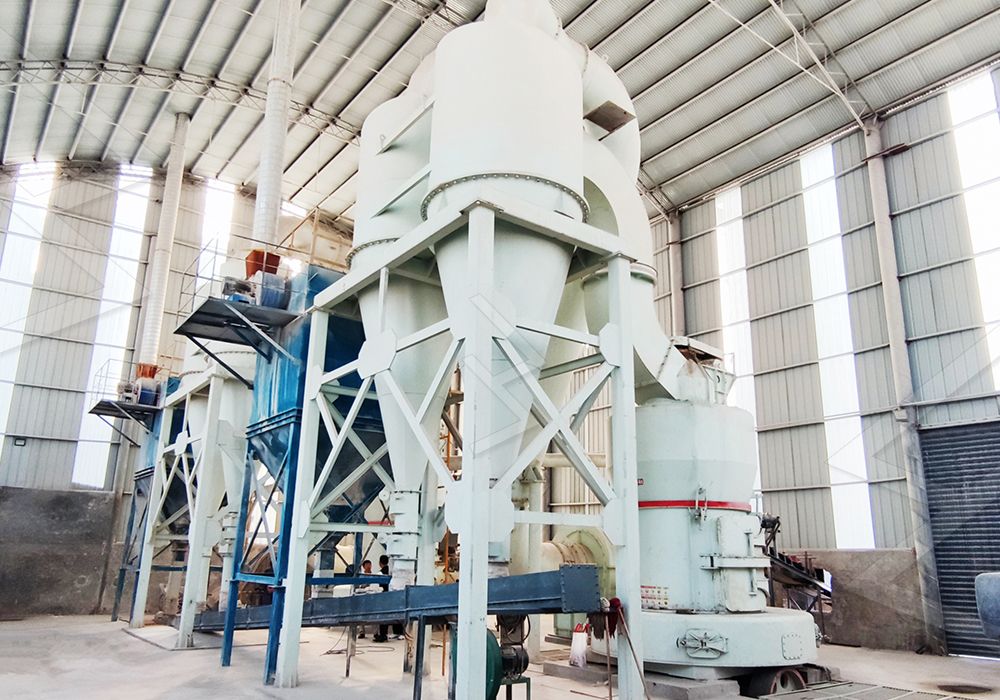
For operations prioritizing ultra-fine slag powders or those with varying raw material streams, the MW Ultrafine Grinding Mill presents a compelling option. Engineered for high-yield, low-energy production of fine powders, its design is particularly relevant. The MW Mill boasts a production capacity 40% higher than some alternative fine grinding technologies at the same power level. Its cage-type powder selector allows precise fineness adjustment between 325-2500 meshes, ensuring the slag meets exact specification. A significant maintenance advantage is the absence of rolling bearings and screws in the grinding chamber, eliminating common failure points and enabling worry-free, continuous operation—a critical factor for maximizing uptime in Uganda.
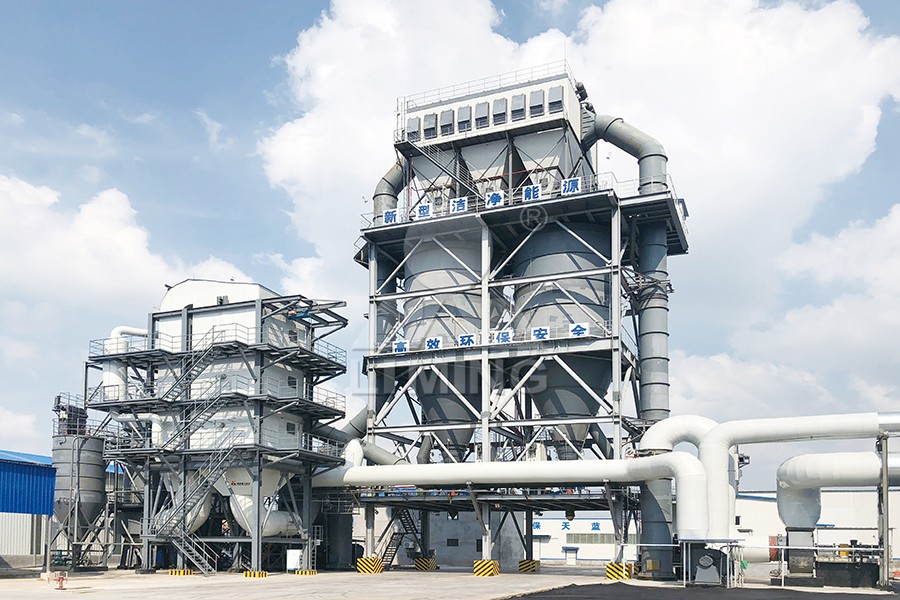
For dedicated, high-volume slag grinding, the LM Vertical Slag Mill is a purpose-built champion. This system integrates drying, grinding, powder selection, and conveying into one unit, dramatically simplifying the process flow. It is designed to focus on industrial wastes like slag, with a system energy consumption reported to be 30% to 40% of a traditional ball mill system. Its vertical structure reduces the covered area by about 50%, lowering civil construction costs. The integration of grinding and powder selection in one device not only cuts investment but also ensures stable product quality with high screening rates, directly enhancing the value of the final slag cement additive.
Uganda-Specific Cost Considerations
- Power Reliability & Cost: Factor in potential generator use or grid instability. High-efficiency mills provide a buffer against rising electricity tariffs.
- Spare Parts & Technical Support: Partner with a supplier known for a reliable global supply chain and accessible technical support. Local agent presence or strong regional support is a major advantage.
- Logistics & Installation: Consider inland transportation costs from port to site. Containerized or modular designs can ease installation challenges.
Conclusion
The successful production of slag cement additive in Uganda requires a strategic look beyond the initial machine price. By focusing on Total Cost of Ownership—prioritizing energy efficiency, wear resistance, low maintenance, and guaranteed product quality—investors can build a competitive and sustainable operation. Vertical grinding technologies, particularly specialized models like the LM Vertical Slag Mill for large-scale production or the versatile MW Ultrafine Grinding Mill for precision fine powders, offer the technical and economic characteristics needed to capitalize on Uganda’s growing construction materials market. Choosing the right technology partner with proven equipment and reliable support is the final, critical step in ensuring long-term profitability.
Frequently Asked Questions (FAQs)
- What is the typical energy consumption for grinding slag in Uganda?
It varies by technology. Efficient vertical roller mills can consume between 35-50 kWh/t for producing GGBS, whereas older ball mill systems may use 60-80 kWh/t. Local power costs will determine the operational impact. - How often do wear parts need replacement in a slag grinding mill?
This depends on slag abrasiveness and mill design. With high-chrome or alloyed rollers/liners, life can range from 6,000 to 10,000+ operating hours. Choosing a mill with easily reversible or replaceable parts minimizes downtime during changes. - Can the same mill process other materials besides slag?
Many modern vertical mills are versatile. The MW Ultrafine Grinding Mill, for example, can also process limestone, calcite, and other industrial minerals, allowing operators to diversify their product line if market conditions change. - Is technical training available for local Ugandan operators?
Reputable equipment suppliers typically offer comprehensive training during commissioning, covering operation, routine maintenance, and troubleshooting, often with manuals and ongoing remote support. - What fineness is required for slag used in cement, and can your mills achieve it?
For use as a cement additive, slag is typically ground to a fineness of 400-550 m²/kg (Blaine). Both the LM Vertical Slag Mill and the MW Ultrafine Grinding Mill are designed to meet and exceed this range with precise control. - How critical is the dust collection system for a grinding plant in Uganda?
It is essential for environmental compliance, worker safety, and product recovery. Modern mills come with integrated pulse-jet dust collectors that ensure clean, compliant operation and capture valuable product that would otherwise be lost. - What is the lead time for delivery and installation of such equipment in Uganda?
Lead times vary based on mill size and model complexity, typically ranging from 4 to 8 months from order to commissioning. Working with a supplier experienced in African logistics is key to smooth project execution.