
Grinding machine price & cost analysis for phosphate for detergent production in morocco
Grinding Machine Price & Cost Analysis for Phosphate in Detergent Production in Morocco
The Moroccan phosphate industry is a cornerstone of the global detergent supply chain, providing a critical raw material for phosphate-based builders. Efficiently processing raw phosphate rock into the fine, consistent powders required for detergent formulations is a significant operational challenge. Selecting the right grinding equipment is not merely a capital expenditure decision; it is a strategic choice that directly impacts long-term profitability, product quality, and environmental compliance. This analysis delves into the key cost factors and performance considerations for grinding machines in this specific application, offering insights for Moroccan producers aiming to optimize their operations.
The Critical Role of Grinding in Phosphate Processing
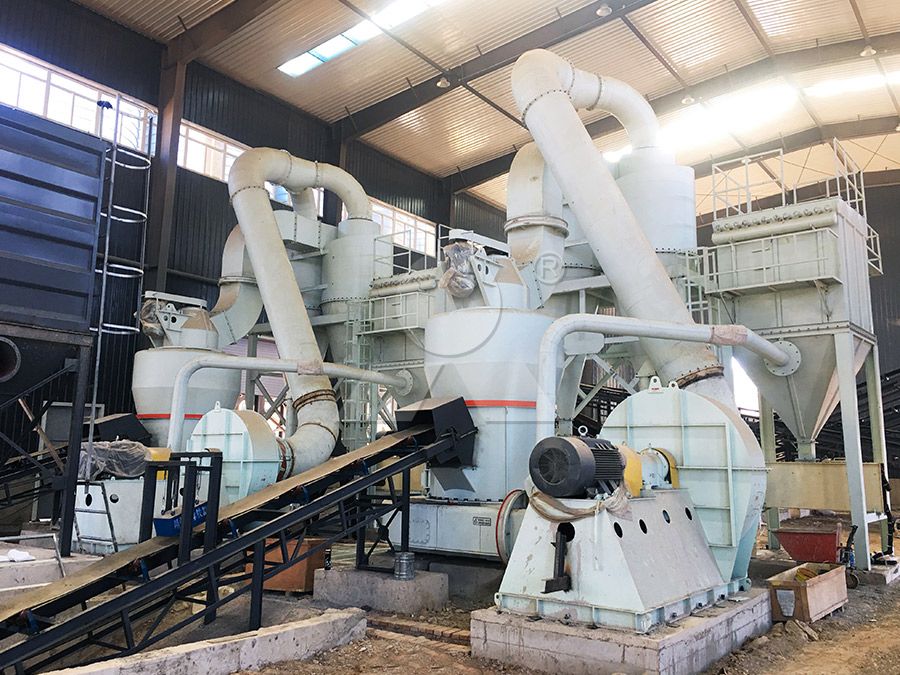
Phosphate rock used in detergents must be ground to a very fine powder, typically ranging from 200 to 500 meshes, to ensure rapid solubility and effective chemical activity. The grinding process consumes a substantial portion of a plant’s energy budget. Therefore, the efficiency of the grinding mill directly translates to operational cost. Beyond energy, factors like wear part longevity, maintenance complexity, product fineness control, and environmental footprint (dust and noise) are integral to the total cost of ownership.
Key Cost Components in Grinding Machine Investment
A comprehensive cost analysis extends far beyond the initial purchase price. Savvy operators evaluate the following:
- Capital Expenditure (CAPEX): The upfront cost of the mill, auxiliary equipment (feeders, collectors, classifiers), and installation.
- Operational Expenditure (OPEX): The ongoing costs, dominated by electrical power consumption. A mill that saves 30-40% on energy can pay for itself in a remarkably short time.
- Maintenance & Spare Parts: Costs associated with replacing grinding rollers, rings, liners, and other wear parts. Machines designed for easy maintenance and with durable, long-life components drastically reduce downtime and parts inventory costs.
- Product Yield & Quality: A mill that produces a higher percentage of in-spec powder on the first pass increases throughput and reduces waste. Consistent fineness is crucial for detergent efficacy.
- Environmental Compliance: Costs related to dust collection and noise suppression. Modern mills with integrated, efficient pulse dust collectors help plants meet Morocco’s environmental standards without additional, costly retrofits.
Technical Requirements for Phosphate Grinding
Phosphate rock can be moderately abrasive. The ideal grinding solution must handle an input size of up to 20-25mm and deliver a controllable output fineness between 325-2500 meshes to cater to various detergent grades. System reliability is non-negotiable in continuous production environments. Furthermore, the grinding process should minimize iron contamination to preserve the whiteness of the final detergent powder, a key market differentiator.

Evaluating Grinding Mill Technologies for Moroccan Operations
Traditional ball mills, while having a lower initial cost, are often less energy-efficient and offer less precise control over particle size distribution. For modern, cost-conscious phosphate processors in Morocco, advanced vertical roller mills and ultra-fine grinding mills present a compelling case.
These systems integrate drying (if needed), grinding, classification, and conveying, reducing the plant’s footprint and infrastructure complexity. Their grinding mechanism—using rollers to compress and shear the material against a stationary table or ring—is inherently more energy-efficient than the impact-and-attrition method of ball mills.
Strategic Equipment Recommendation: The MW Ultrafine Grinding Mill
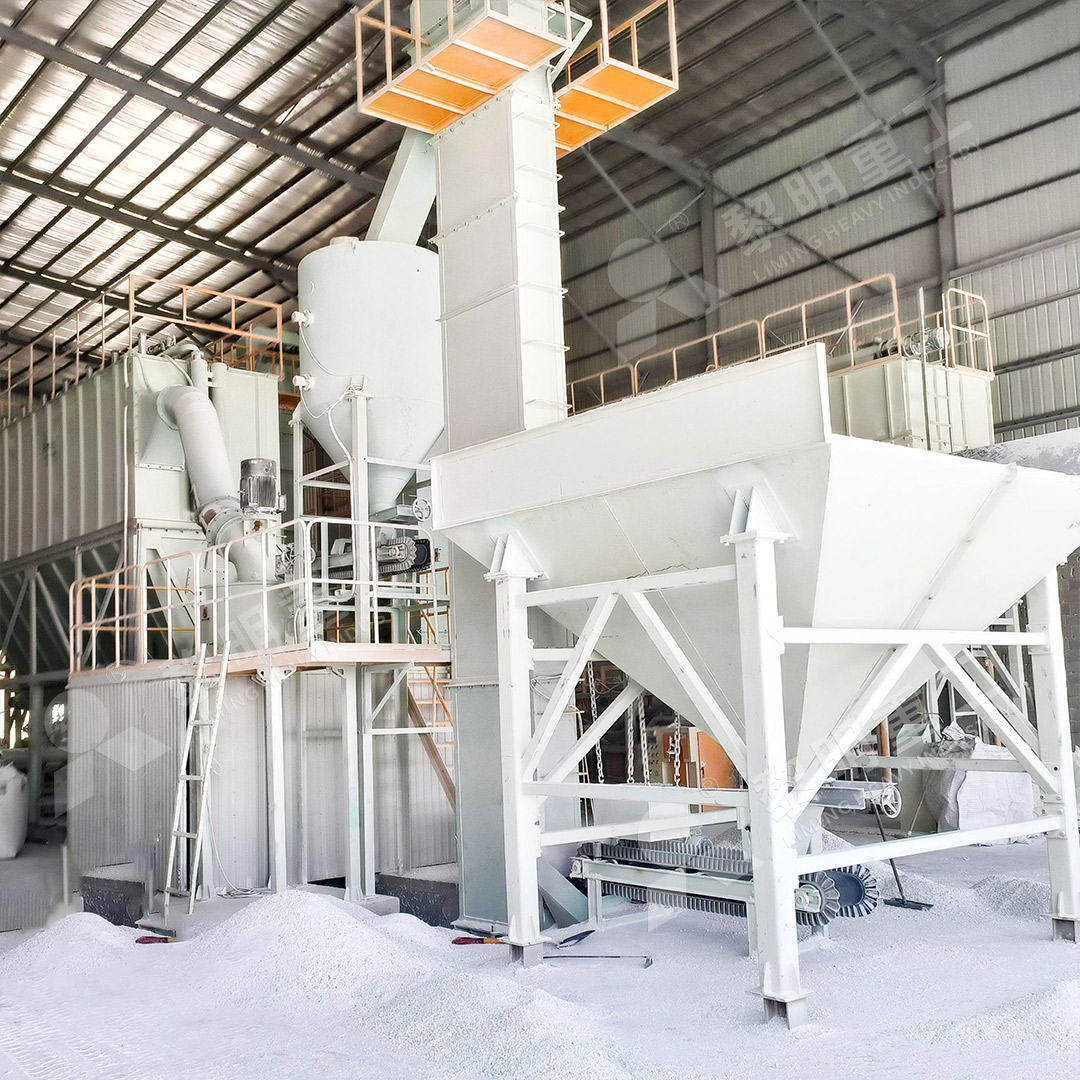
For Moroccan detergent phosphate producers targeting high-value, ultra-fine powders with stringent quality controls, the MW Ultrafine Grinding Mill stands out as a technologically advanced and economically sound solution. This machine is engineered precisely for applications demanding ultra-fine powder between 325-2500 meshes, making it ideal for premium detergent formulations.
Its economic advantages are clear: it boasts a production capacity 40% higher than jet mills and stirred mills at the same power level, while reducing system energy consumption by approximately 70%. For a processing plant, this directly slashes the largest portion of OPEX. The innovative design, with no rolling bearings or screws in the grinding chamber, eliminates common failure points, leading to exceptional operational stability and reduced maintenance worries. Furthermore, its integrated efficient pulse dust collector and muffler ensure the production process is clean and quiet, aligning perfectly with environmental and workplace safety regulations. With an input size of 0-20 mm and a capacity range of 0.5-25 tph, it offers flexibility for various production scales within the Moroccan market.
Conclusion: A Focus on Total Cost of Ownership
The choice of grinding machinery for phosphate processing in Morocco should be guided by a detailed analysis of the Total Cost of Ownership (TCO). While the initial price tag is a factor, the long-term savings from reduced energy consumption, lower maintenance costs, higher product yield, and inherent environmental compliance deliver a far greater return on investment. Investing in modern, efficient technology like the MW Ultrafine Grinding Mill positions Moroccan phosphate producers for greater competitiveness in the global detergent industry, ensuring they can deliver high-quality powder reliably and cost-effectively for years to come.
Frequently Asked Questions (FAQs)
- What is the typical energy saving when switching from a traditional ball mill to a modern vertical or ultra-fine mill for phosphate grinding?
Savings of 30% to 50% on grinding energy consumption are commonly achievable, depending on the fineness requirement and the specific technology adopted. - How important is particle size distribution (PSD) for phosphate in detergents?
Extremely important. A consistent and narrow PSD ensures uniform dissolution and chemical reactivity, directly affecting the cleaning performance and efficiency of the final detergent product. - Can the grinding equipment handle variations in moisture content of the raw phosphate?
Many modern mills, including vertical roller mills, integrate drying capabilities using hot air. It’s crucial to specify this requirement when selecting equipment to handle feedstock with higher moisture. - What is the expected lifespan of major wear parts like grinding rollers and tables?
This varies by material abrasiveness and operating hours. However, mills using high-performance wear-resistant alloys can see service life 1.5 to 2.5 times longer than standard materials, often lasting several thousand hours before replacement. - Are these grinding systems automated?
Yes, contemporary mills feature advanced PLC control systems that allow for remote monitoring and operation, automatic adjustment of parameters like grinding pressure and classifier speed, and help maintain consistent product quality with minimal manual intervention. - What kind of after-sales support and spare parts availability is crucial for operations in Morocco?
Choosing a supplier with a strong local or regional support network is vital. Ensure they provide guaranteed access to genuine spare parts and offer timely technical service to minimize potential production stoppages. - How does the MW Ultrafine Grinding Mill control product fineness so precisely?
It utilizes an advanced, multi-head cage-type powder selector (classifier) with technology that allows precise adjustment of the cut point. Operators can accurately control the fineness between 325-2500 meshes to meet exact product specifications.