
Grinding machine price & cost analysis for limestone for cement production in peru
Grinding Machine Price & Cost Analysis for Limestone in Peru’s Cement Production
The Peruvian cement industry has experienced significant growth over the past decade, driven by infrastructure development and construction projects throughout the country. As a key component of cement production, limestone grinding represents a critical process that directly impacts both product quality and operational costs. This comprehensive analysis examines the factors influencing grinding machine selection, pricing structures, and total cost of ownership for limestone processing operations in Peru.
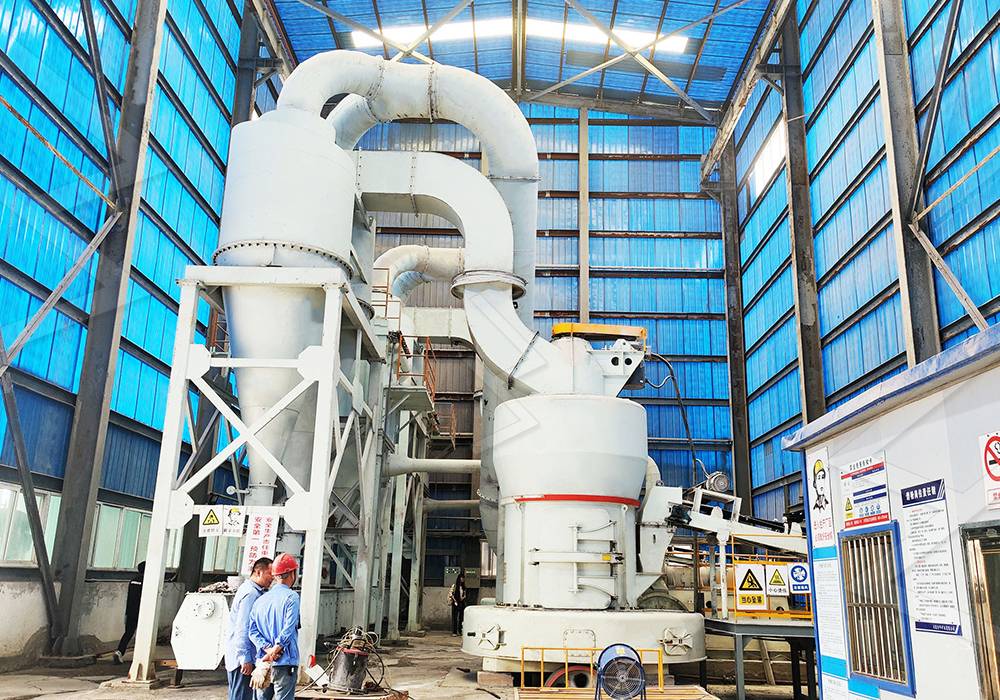
Market Overview: Peru’s Cement Production Landscape
Peru’s cement production capacity has expanded considerably, with major players like Cementos Pacasmayo, UNACEM, and Cementos Yura operating multiple facilities across the country. The unique geological characteristics of Peruvian limestone deposits present specific challenges for grinding operations, including variations in hardness, moisture content, and silica percentages. These factors directly influence equipment selection and operational efficiency.
The Andean region’s limestone tends to be harder than coastal deposits, requiring more robust grinding solutions. Additionally, transportation costs from quarry to plant significantly impact the overall economics, making on-site grinding efficiency paramount to profitability.
Grinding Technology Options and Price Considerations
When evaluating grinding equipment for limestone processing, cement producers must consider several technological options, each with distinct price points and operational characteristics:
- Ball Mills: Traditional workhorses with lower initial investment but higher energy consumption
- Vertical Roller Mills: Higher efficiency with moderate capital expenditure
- Raymond Mills: Mid-range pricing with reliable performance for medium-scale operations
- Ultrafine Grinding Mills: Premium technology offering superior efficiency for specialized applications
The price range for complete grinding systems in Peru varies significantly based on capacity and technology level. Small to medium operations (5-25 tph) can expect investments between $150,000 and $500,000, while large-scale installations (50+ tph) typically range from $800,000 to $2 million, including auxiliary equipment and installation.
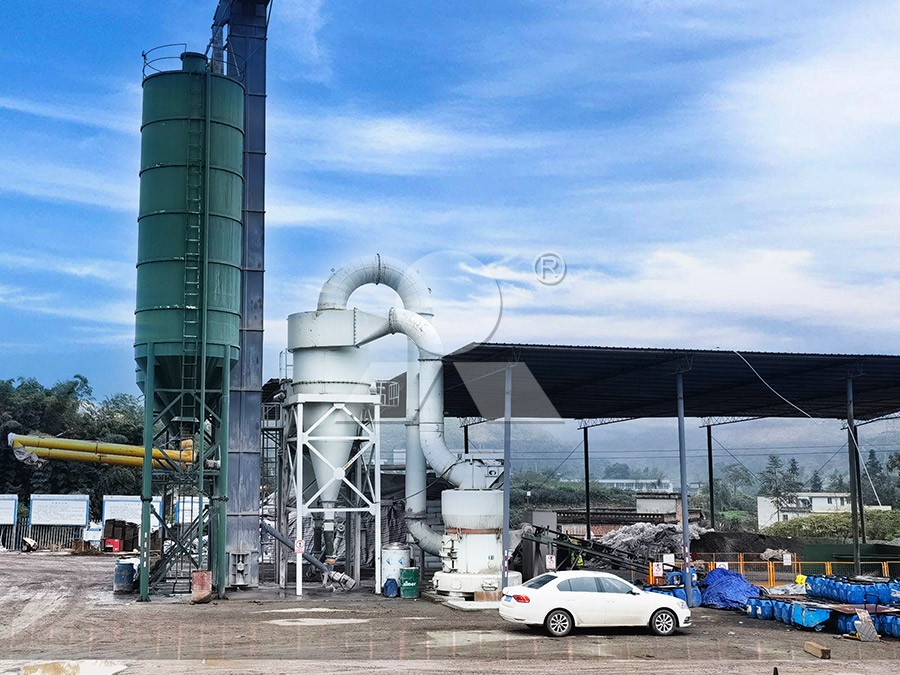
Total Cost of Ownership Analysis
Beyond initial purchase price, savvy operators consider the total cost of ownership, which includes:
- Energy Consumption: Typically represents 40-60% of operating costs
- Wear Parts Replacement: Regular maintenance of grinding elements
- Labor Requirements: Varies by automation level
- Downtime Impact: Production losses during maintenance
- Environmental Compliance: Dust collection and noise control systems
Our analysis indicates that advanced grinding technologies, while commanding higher initial prices, often deliver superior ROI through reduced energy consumption and maintenance requirements. For Peruvian operations facing rising electricity costs (currently $0.12-0.18 per kWh for industrial users), energy efficiency becomes increasingly critical.
Specialized Solution for Peruvian Applications
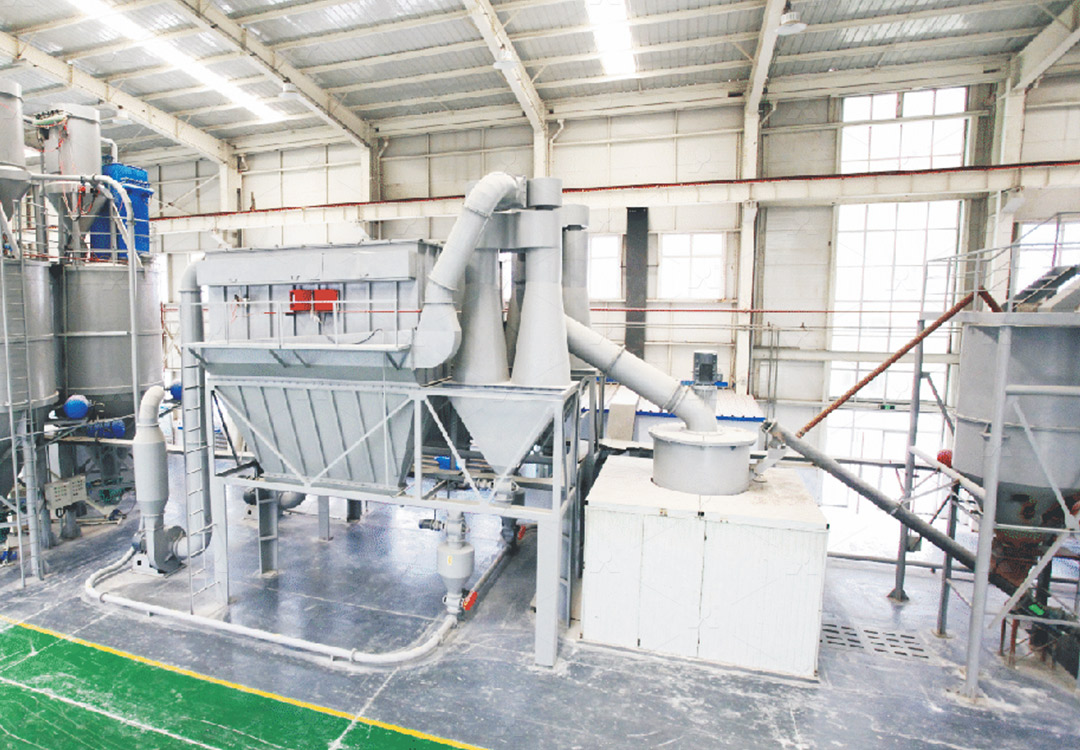
For operations requiring ultra-fine limestone powder for specialized cement blends or other applications, the MW Ultrafine Grinding Mill presents an optimal solution. This advanced system processes 0-20 mm input material with capacities ranging from 0.5 to 25 tph, making it suitable for various production scales found in Peru.
The MW series distinguishes itself through several key advantages particularly relevant to the Peruvian market:
- Energy Efficiency: Operating at just 30% of the energy consumption compared to jet grinding mills, this represents significant cost savings given Peru’s volatile energy pricing
- Adjustable Fineness: Capable of producing powder between 325-2500 meshes, allowing producers to adapt to varying market demands
- Environmental Compliance: Integrated pulse dust collector and muffler system ensures operations meet Peru’s increasingly stringent environmental regulations
- Reliable Operation: The unique design without rolling bearings or screws in the grinding chamber minimizes maintenance issues and unexpected downtime
Operational Cost Breakdown
A detailed cost analysis for a medium-sized grinding operation (15 tph capacity) in Northern Peru reveals the following annual expenditure distribution:
| Cost Component | Percentage | Notes |
|---|---|---|
| Energy Consumption | 52% | Varies by region and time of use |
| Wear Parts Replacement | 18% | Highly dependent on material abrasiveness |
| Labor | 15% | Lower with automated systems |
| Maintenance | 10% | Scheduled and unscheduled |
| Environmental Compliance | 5% | Filter replacement, monitoring |
Strategic Recommendations for Peruvian Operators
Based on our analysis of the Peruvian market, we recommend cement producers consider the following when selecting grinding equipment:
- Prioritize Energy Efficiency: With electricity costs projected to increase, high-efficiency systems like the MW Ultrafine Grinding Mill offer better long-term economics despite higher initial investment
- Consider Local Support: Equipment suppliers with local technical support and spare parts inventory minimize downtime risks
- Evaluate Material Characteristics: Test grinding performance with specific limestone samples from your quarry
- Plan for Regulatory Changes: Invest in equipment that exceeds current environmental standards to accommodate future tightening
- Analyze Total Cost of Ownership: Look beyond purchase price to include 5-year operational costs
The LUM Ultrafine Vertical Grinding Mill presents another compelling option for operations requiring precise particle size control. With input size of 0-10 mm and capacity of 5-18 tph, this system incorporates advanced German powder separating technology and Taiwanese grinding roller innovations. Its reversible structure simplifies maintenance, while multi-head powder separating technology reduces energy consumption by 30-50% compared to conventional mills.
Conclusion
Selecting the appropriate grinding technology for limestone processing in Peru’s cement industry requires careful consideration of both technical specifications and economic factors. While traditional ball mills may appear cost-effective initially, advanced solutions like the MW Ultrafine Grinding Mill and LUM Ultrafine Vertical Grinding Mill typically deliver superior long-term value through reduced operating costs, higher efficiency, and better product quality. As the Peruvian cement market continues to evolve, operators who invest in modern grinding technology will gain competitive advantages through lower production costs and enhanced product capabilities.
Frequently Asked Questions
What is the typical payback period for upgrading to more efficient grinding technology?
Most Peruvian operations report payback periods of 18-36 months when upgrading from traditional ball mills to advanced systems like the MW Ultrafine Grinding Mill, primarily through energy savings and reduced maintenance costs.
How does altitude affect grinding mill performance in Peru’s Andean region?
High-altitude operations (above 2,500 meters) may require adjustments to air flow systems and motor specifications. Our engineers have extensive experience optimizing equipment for Peru’s varied topography.
What maintenance support is available for grinding equipment in remote Peruvian locations?
We maintain technical support teams in Lima, Arequipa, and Trujillo, with mobile service units capable of reaching most operational sites within 48 hours. Remote monitoring options are also available for proactive maintenance.
Can the same grinding equipment process different types of limestone?
Yes, both the MW and LUM series can accommodate variations in limestone characteristics through adjustable operating parameters. We recommend testing with your specific material to optimize settings.
What environmental permits are required for installing new grinding equipment in Peru?
Requirements vary by region, but typically include air quality permits for dust emissions and noise compliance certificates. Our systems are designed to exceed Peruvian standards, simplifying the permitting process.
How does humidity affect limestone grinding in coastal versus highland operations?
Coastal operations typically deal with higher moisture content, requiring adequate drying capacity. Highland operations face drier conditions but harder materials. Both the MW and LUM series include configurations optimized for these different environments.
What financing options are available for equipment purchases in Peru?
We work with several international and local financial institutions to provide equipment financing with terms from 24-60 months. Lease-to-own options are also available for qualifying operations.