
Grinding machine price & cost analysis for coal for gasification in south africa
Grinding Machine Price & Cost Analysis for Coal Gasification in South Africa
The South African energy landscape is undergoing a significant transformation, with coal gasification emerging as a strategic technology for converting abundant coal reserves into cleaner synthetic fuels and chemicals. At the heart of any efficient gasification process lies the critical operation of coal pulverization. The selection of appropriate grinding equipment directly impacts operational costs, energy consumption, and ultimately, the economic viability of the entire project. This analysis delves into the key cost factors and presents optimal technical solutions for South African operations.
The Critical Role of Coal Grinding in Gasification
Coal gasification requires feedstock with very specific particle size distribution and surface area characteristics. Inefficient grinding leads to poor gasification kinetics, reduced syngas quality, and increased oxygen consumption. The ideal coal powder for gasification typically falls within a fine to ultra-fine range, demanding grinding technology that can deliver consistent fineness with minimal energy expenditure.
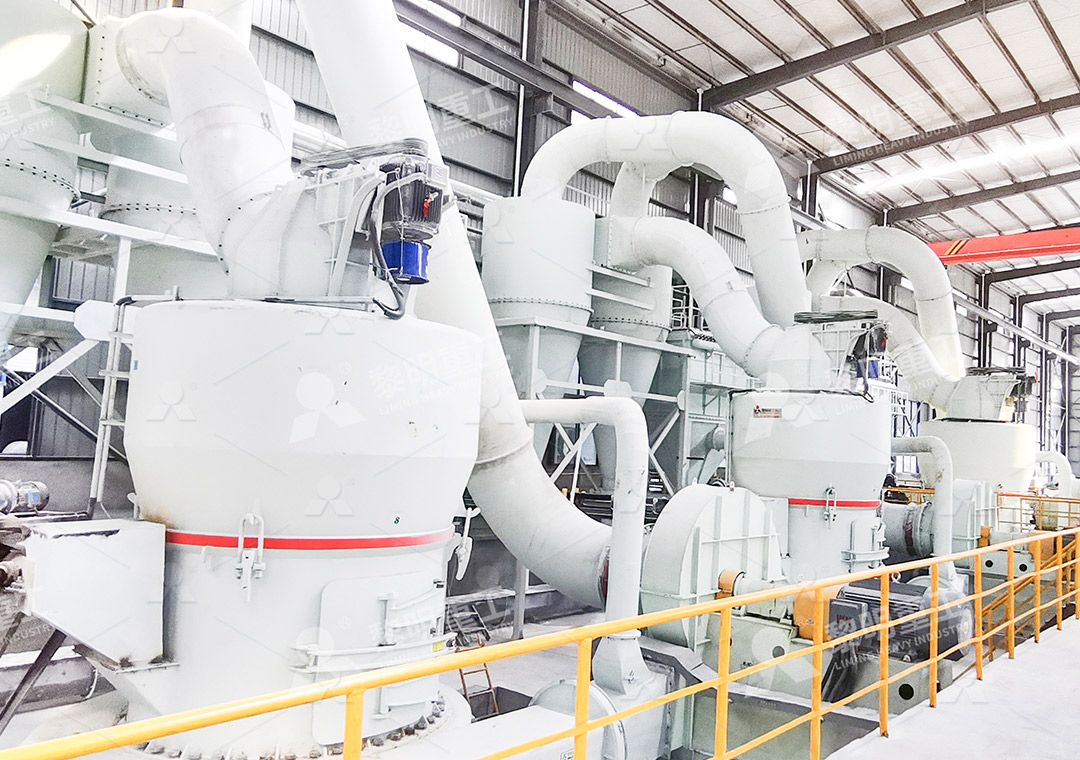
Traditional grinding solutions like ball mills often prove inadequate for modern gasification requirements, suffering from high energy consumption, excessive wear part costs, and limited control over final product fineness. The South African context, with its particular coal characteristics and operational challenges, demands a more sophisticated approach.
Cost Factors in Coal Grinding Operations
A comprehensive cost analysis must consider both capital expenditure (CAPEX) and operational expenditure (OPEX):
Capital Investment Considerations
- Equipment purchase price
- Installation and commissioning costs
- Auxiliary systems (dust collection, feeding, classification)
- Civil works and infrastructure requirements
- Spare parts inventory
Operational Cost Drivers
- Power consumption (typically 60-70% of operating cost)
- Wear part replacement frequency and cost
- Maintenance labor and downtime
- Consumables (lubricants, hydraulic fluids)
- Environmental compliance costs
Technical Solutions for South African Operations
After extensive analysis of various grinding technologies, we’ve identified that ultra-fine grinding mills offer the most compelling value proposition for coal gasification applications. The ability to precisely control particle size distribution while minimizing energy consumption makes these systems particularly suitable for South Africa’s specific requirements.
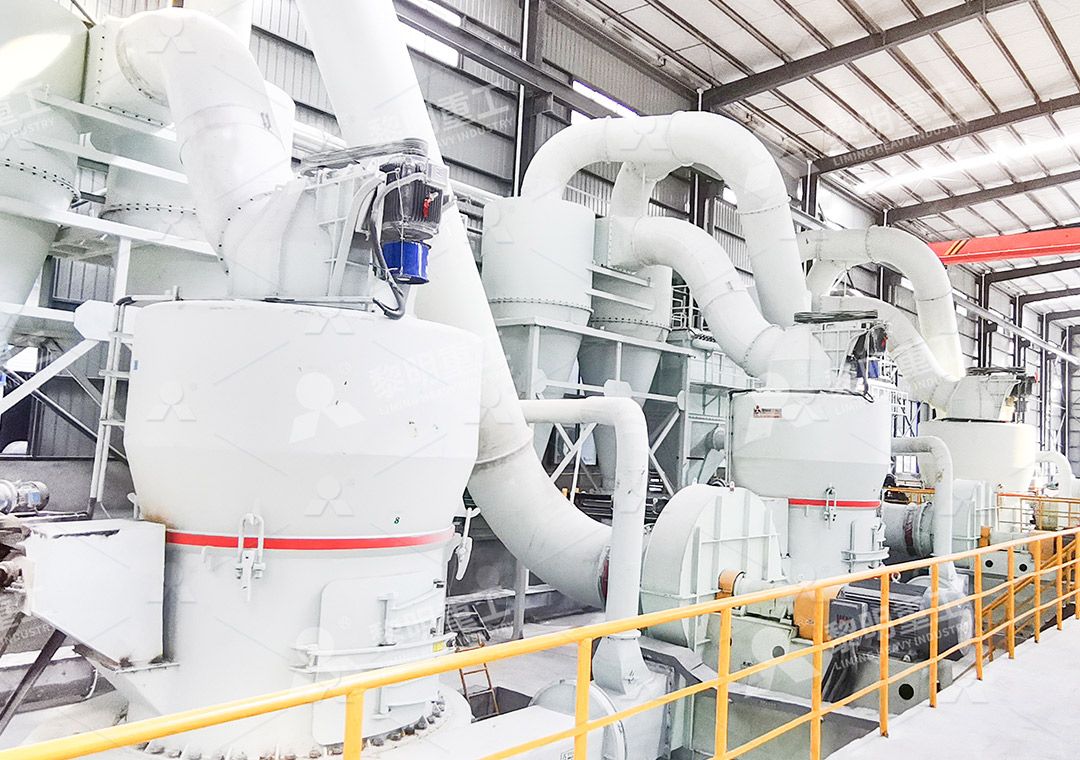
Recommended Solution: MW Ultrafine Grinding Mill
For operations requiring the finest coal powders with maximum efficiency, the MW Ultrafine Grinding Mill represents the optimal choice. This advanced system delivers exceptional performance characteristics specifically beneficial for coal gasification:
- Higher Yielding, Lower Energy Consumption: With production capacity 40% higher than jet grinding mills and energy consumption reduced to just 30% of comparable systems, the MW Ultrafine Grinding Mill significantly reduces operating costs.
- Adjustable Fineness (325-2500 meshes): The German-technology cage-type powder selector enables precise control over particle size distribution, crucial for optimizing gasification performance.
- Robust Design: The absence of rolling bearings and screws in the grinding chamber eliminates common failure points, reducing maintenance requirements and downtime.
- Environmental Compliance: Integrated pulse dust collector and noise reduction features ensure operations meet South Africa’s stringent environmental regulations.
With an input size capability of 0-20 mm and capacity ranging from 0.5-25 tph, the MW Ultrafine Grinding Mill accommodates various production scales while maintaining consistent product quality.
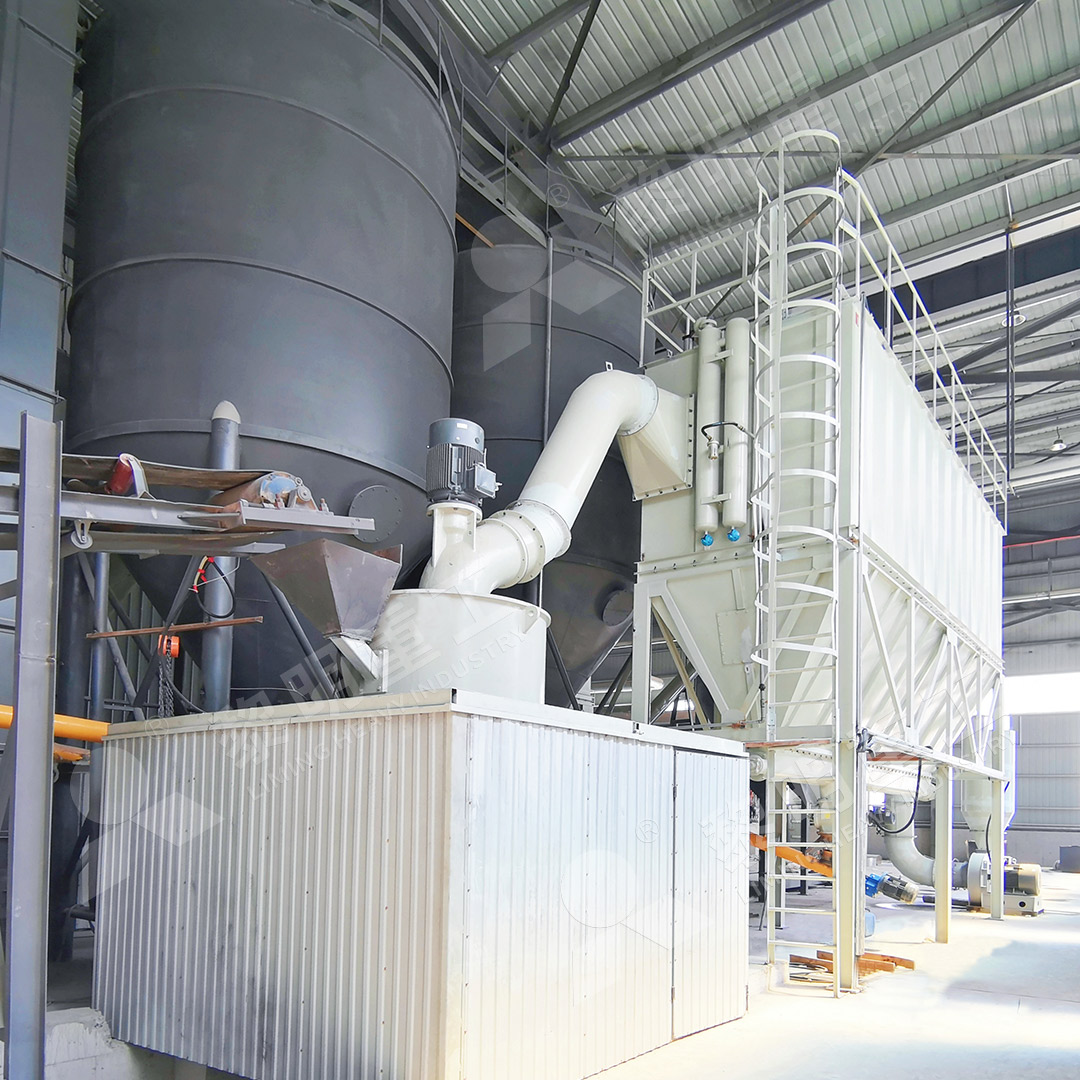
Alternative Solution: LUM Ultrafine Vertical Grinding Mill
For operations with space constraints or requiring different capacity parameters, the LUM Ultrafine Vertical Grinding Mill offers another excellent option. Featuring advanced roller technology and energy-saving multi-head powder separating technology, this system reduces energy consumption by 30%-50% compared to conventional mills while maintaining precise control over product specifications.
Economic Analysis and Return on Investment
When evaluating grinding solutions for coal gasification, the total cost of ownership must be considered rather than just the initial purchase price. Advanced ultra-fine grinding systems typically demonstrate:
- Payback periods of 12-24 months through energy savings alone
- Reduced maintenance costs of 40-60% compared to traditional systems
- Improved gasification efficiency yielding 5-15% better syngas production
- Longer equipment lifespan with proper maintenance
Implementation Considerations for South Africa
Successful implementation of grinding technology in South Africa requires attention to local conditions:
- Adaptation to specific coal characteristics (moisture content, hardness, abrasiveness)
- Compliance with local environmental regulations and emission standards
- Availability of technical support and spare parts within the region
- Training for local operational and maintenance personnel
- Integration with existing plant infrastructure and control systems
Conclusion
The selection of grinding technology for coal gasification in South Africa requires careful consideration of both technical performance and economic factors. Advanced ultra-fine grinding systems like the MW Ultrafine Grinding Mill offer significant advantages in energy efficiency, operational reliability, and product quality control. By investing in appropriate grinding technology, South African energy producers can enhance the competitiveness of their coal gasification projects while meeting environmental objectives and optimizing long-term operational costs.
Frequently Asked Questions
What is the typical energy consumption of the MW Ultrafine Grinding Mill for coal applications?
The MW Ultrafine Grinding Mill typically consumes 30-40% less energy than conventional grinding systems, with specific consumption varying based on coal hardness and required fineness.
How does the MW mill handle variations in coal moisture content?
The system can integrate with drying equipment and features design elements that accommodate moderate moisture variations, though optimal performance is achieved with consistent feedstock conditions.
What maintenance intervals can we expect with the MW Ultrafine Grinding Mill?
With its innovative design excluding rolling bearings in the grinding chamber, the MW mill typically requires less frequent maintenance than traditional systems, with major service intervals of 6,000-8,000 operating hours.
Can the grinding fineness be adjusted during operation?
Yes, the advanced cage-type powder selector allows operators to adjust product fineness between 325-2500 meshes without stopping production.
How does the MW mill compare to traditional Raymond mills for coal grinding?
The MW Ultrafine Grinding Mill offers significantly higher efficiency, better product quality control, and lower operating costs, though at a higher initial investment that typically pays back within 18-24 months.
What is the expected service life of wear parts in the MW mill?
Wear-resistant alloy grinding rollers and rings typically last 1.5-2 times longer than conventional materials, with service life depending on coal abrasiveness and operating conditions.
Does the MW system require special foundations or structural support?
The compact design requires standard industrial foundations similar to other grinding equipment of comparable capacity, with detailed specifications provided during the engineering phase.
How does the noise level compare to other grinding technologies?
With integrated mufflers and noise reduction features, the MW mill operates at significantly lower noise levels than many traditional grinding systems, typically below 85 dB at operating stations.