
Grinding machine price & cost analysis for coal for cement additive in brazil
Grinding Machine Price & Cost Analysis for Coal for Cement Additive in Brazil
The Brazilian cement industry, a cornerstone of the nation’s construction and infrastructure development, increasingly relies on finely ground coal as a critical additive and fuel source. Selecting the optimal grinding equipment is not merely a capital expenditure decision; it’s a strategic calculation impacting long-term operational efficiency, product quality, and overall profitability. This analysis delves into the key cost factors and performance considerations for coal grinding in Brazil, providing a framework for informed investment.
The Brazilian Context: Demands and Challenges
Brazil’s diverse geography and industrial scale present unique challenges. Plants often deal with varying coal characteristics, stringent environmental regulations, and the constant pressure to reduce energy consumption—a significant cost component. The primary goal is to achieve a consistent, ultra-fine powder (typically ranging from 200 to 1000 meshes) that ensures optimal combustion efficiency and cement quality. The total cost of ownership (TCO) extends far beyond the initial machine price, encompassing energy use, wear part replacement, maintenance downtime, and environmental compliance costs.
Deciphering the Cost Structure: Beyond the Price Tag
A holistic cost analysis must evaluate several interconnected factors:
- Capital Investment (CAPEX): The upfront price of the grinding mill, auxiliary equipment (crushers, feeders, collectors), and installation. While vertical mills may have a higher initial cost than some traditional systems, their integrated design often reduces overall plant footprint and auxiliary equipment needs.
- Operational Expenditure (OPEX): This is where the true differentiation occurs.
- Energy Consumption: Grinding is energy-intensive. Mills that offer higher efficiency and lower specific power consumption (kWh/ton) directly translate to substantial, continuous savings on electricity bills.
- Wear Parts & Maintenance: The frequency and cost of replacing grinding rollers, rings, and liners are critical. Machines designed for easy maintenance and with longer-lasting, high-performance wear materials reduce both part costs and valuable production time lost during replacements.
- Labor & Automation: Highly automated systems with remote monitoring capabilities reduce manual intervention, lower labor costs, and minimize human error.
- Environmental Compliance: Systems with integrated, efficient pulse dust collectors and noise reduction features prevent costly fines and plant shutdowns, ensuring adherence to Brazil’s environmental standards.
Technology Spotlight: Matching the Mill to the Mission
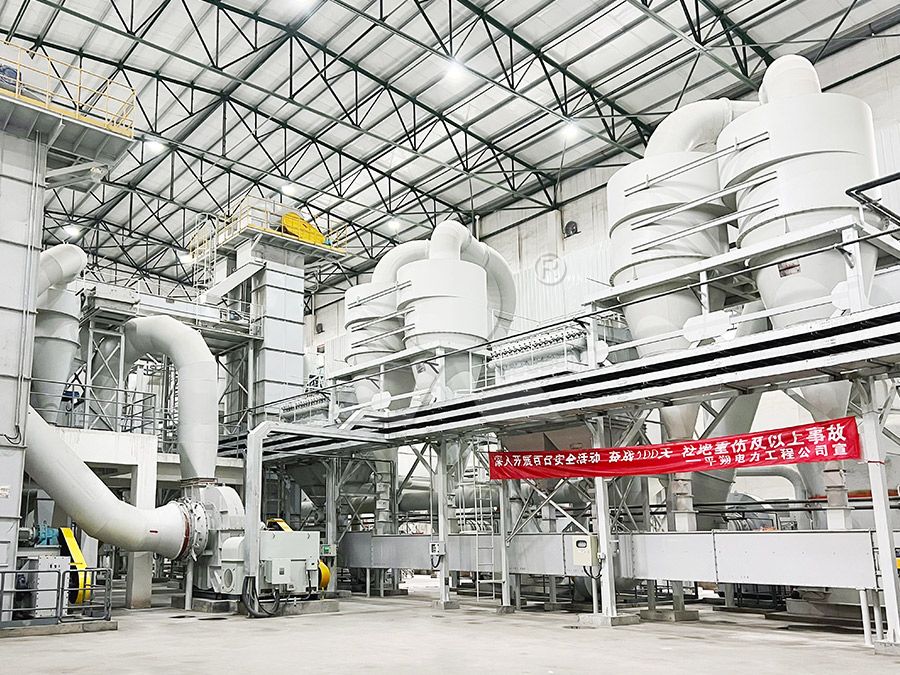
For processing coal to the fine specifications required for cement additives, not all grinding technologies are equal. Traditional ball mills, while lower in initial cost, are often less energy-efficient and offer less control over particle size distribution. Modern vertical roller mills and advanced trapezium mills have become the preferred choice for their superior efficiency and control.
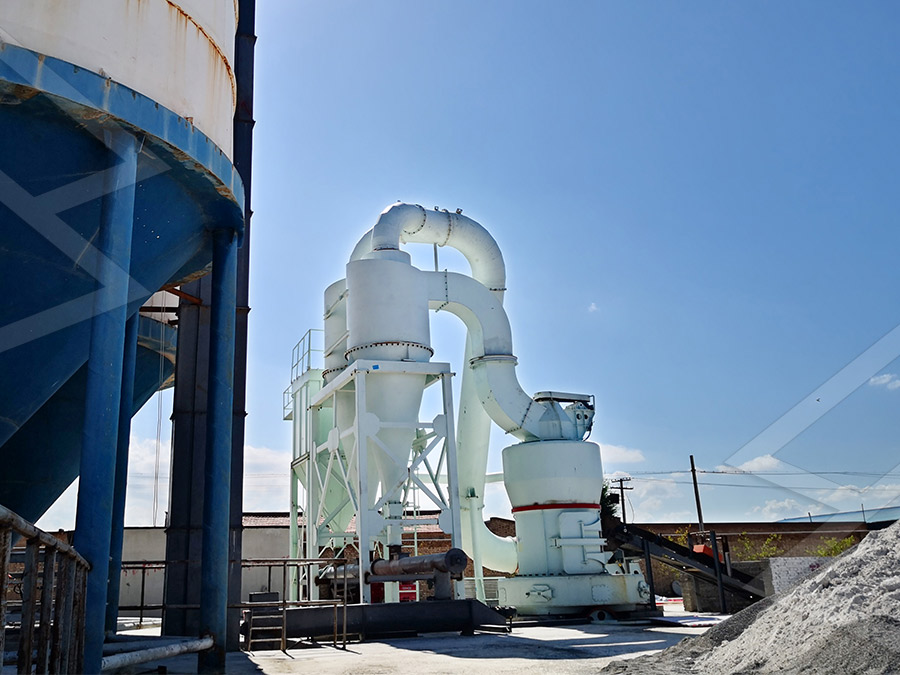
In this context, for operations prioritizing ultra-fine output (up to 2500 meshes) with exceptional energy savings, the MW Ultrafine Grinding Mill presents a compelling solution. Its innovative design features a cage-type powder selector for precise fineness adjustment between 325-2500 meshes and a grinding chamber free of rolling bearings and screws, eliminating common failure points. Crucially, it boasts a production capacity 40% higher than jet mills with system energy consumption only 30% of that technology, making it a potent tool for reducing OPEX. Its efficient pulse dust collector ensures the entire milling process meets stringent environmental regulations, a non-negotiable aspect in modern Brazilian industry.

For larger-scale production requirements where integrated drying and grinding of raw coal is essential, the LM Vertical Coal Mill is engineered for robustness and efficiency. It integrates crushing, drying, grinding, and powder selection in a single unit, significantly reducing comprehensive investment. Its performance advantages include saving 40%-50% power compared to ball mills, stable product quality due to short material residence time, and a fully automated control system. The hydraulic roller turning-out device allows for quick and easy maintenance, drastically cutting downtime—a key factor in maintaining continuous production flow in a high-output cement plant.
Strategic Investment for Long-Term Competitiveness
The choice of grinding equipment in Brazil’s cement sector is a strategic one. A narrow focus on the lowest initial machine price can lead to exponentially higher operating costs, regulatory issues, and unreliable production. A thorough TCO analysis that prioritizes energy efficiency, maintenance simplicity, operational stability, and environmental compliance will reveal the true value of advanced grinding technology.
Investing in a mill like the MW Ultrafine Grinding Mill for premium additive production or the LM Vertical Coal Mill for high-volume fuel preparation is an investment in long-term cost control and production reliability. These technologies directly address the core economic and regulatory pressures facing Brazilian producers, transforming the grinding process from a cost center into a source of competitive advantage through superior efficiency and unwavering consistency.
Conclusion
Navigating the grinding machine market for coal processing in Brazil requires a balanced view of performance and economics. By meticulously analyzing both CAPEX and the multifaceted OPEX, decision-makers can select equipment that delivers not just the required fineness, but also the operational resilience and cost-effectiveness essential for thriving in a competitive and regulated market. The future belongs to intelligent, efficient, and clean grinding solutions that safeguard both profitability and the environment.
Frequently Asked Questions (FAQs)
- What is the most critical factor affecting the operating cost of a coal grinding mill in Brazil?
Energy consumption is typically the single largest ongoing cost. Selecting a mill with high grinding efficiency and low specific power consumption (kWh/ton) is paramount for controlling long-term operational expenses. - How important is particle size distribution for coal used as a cement additive?
Extremely important. A consistent and fine particle size ensures complete combustion, optimal heat release in the kiln, and can improve the final properties of the cement. Inconsistent grinding leads to fuel waste and process instability. - Can the same mill handle different types or moisture levels of coal?
It depends on the mill’s design. Vertical roller mills like the LM series often integrate drying capabilities, making them suitable for coal with moderate moisture. It’s essential to match the mill’s specifications (like input size and drying capacity) to your specific raw material characteristics. - What are the main advantages of a vertical roller mill over a traditional ball mill for this application?
Key advantages include significantly lower energy consumption (30-50% savings), integrated drying, smaller footprint, lower noise, easier maintenance access, and better control over product fineness and iron content. - How do environmental regulations in Brazil impact equipment choice?
Regulations mandate strict control over dust emissions and noise. Mills must be equipped with high-efficiency pulse jet dust collectors (like those on the MW Mill) and feature sound-dampening designs. Non-compliance can result in heavy fines and operational restrictions. - What should I consider regarding spare parts and service in Brazil?
Opt for suppliers with a strong local presence or reliable supply chain for genuine spare parts. Consider the design life of wear parts and the ease of maintenance—features like externally accessible lubrication and reversible/hydraulic roller systems can minimize downtime. - Is a higher-capacity mill always a better investment?
Not necessarily. Over-sizing a mill leads to higher capital cost and potentially inefficient operation at partial load. The ideal choice matches your required throughput (with some future margin) to ensure the mill operates near its designed efficiency point.