
Grinding machine price & cost analysis for bentonite for foundry sand in nigeria
Grinding Machine Price & Cost Analysis for Bentonite for Foundry Sand in Nigeria
The Nigerian foundry industry represents a significant segment of the nation’s industrial sector, with bentonite serving as a crucial binding agent in foundry sand mixtures. The quality of processed bentonite directly impacts casting quality, surface finish, and defect rates in metal castings. This comprehensive analysis examines the grinding equipment market for bentonite processing in Nigeria, focusing on pricing structures, operational costs, and equipment selection criteria.
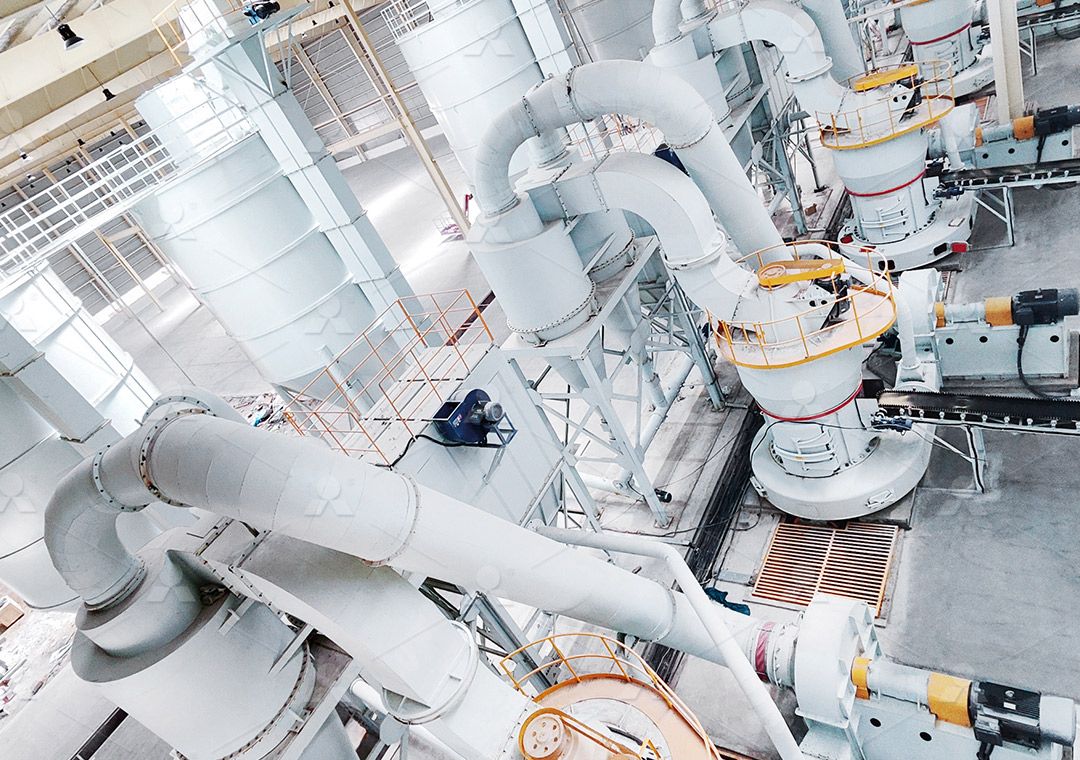
Market Overview: Bentonite Processing in Nigeria
Nigeria’s bentonite deposits, primarily located in the northern regions, require efficient grinding solutions to meet foundry industry specifications. The typical bentonite processing workflow involves mining, drying, crushing, and fine grinding to achieve the required particle size distribution between 200-325 mesh for optimal binding performance in foundry applications.
The Nigerian market presents unique challenges including inconsistent power supply, high operating costs, and technical skill gaps. These factors significantly influence equipment selection decisions and total cost of ownership calculations. Foundries must balance initial investment against long-term operational efficiency, maintenance requirements, and production consistency.
Grinding Equipment Options and Price Ranges
The Nigerian market offers various grinding technologies for bentonite processing, each with distinct price points and operational characteristics:
- Raymond Mills: Entry-level pricing between $15,000-$45,000 with capacities of 0.6-5 tph
- Ball Mills: Traditional option priced at $25,000-$80,000 with 0.65-50 tph capacity
- European Trapezium Mills: Mid-range equipment at $40,000-$120,000 offering 3-55 tph
- Vertical Grinding Mills: Premium solutions from $60,000-$200,000 with 3-340 tph capacity
- Ultrafine Grinding Mills: Specialized equipment priced $75,000-$250,000 for superior fineness
These price variations reflect differences in automation levels, material handling capabilities, energy efficiency, and production capacities. Nigerian foundries must consider import duties, transportation costs, and installation expenses which can add 15-30% to the base equipment price.
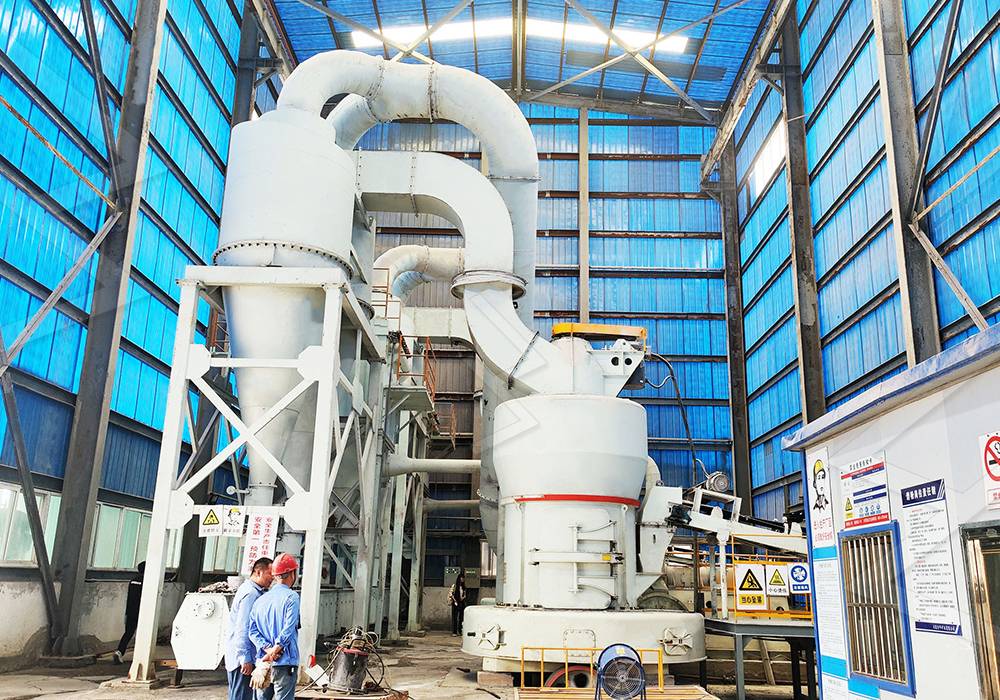
Critical Factors in Equipment Selection
Selecting appropriate grinding equipment for bentonite processing involves evaluating multiple technical and economic factors:
Production Requirements
Foundries must match equipment capacity to their production volumes. Small-scale operations (1-5 tpd) might opt for Raymond or ball mills, while medium-scale facilities (5-20 tpd) typically choose trapezium mills. Large-scale operations exceeding 20 tpd benefit from vertical grinding mills or ultrafine grinding systems.
Particle Size Specifications
Foundry-grade bentonite typically requires 200-325 mesh fineness. Equipment capable of precise particle size control minimizes binder consumption and improves casting quality. Advanced separation technology becomes crucial for consistent product quality.
Energy Efficiency
With Nigeria’s high electricity costs and frequent power disruptions, energy-efficient equipment provides significant operational savings. Mills with integrated drying capabilities reduce preprocessing steps and overall energy consumption.
Operational Cost Analysis
The total cost of ownership for bentonite grinding equipment extends far beyond the initial purchase price. Nigerian foundries should evaluate these operational cost components:
Power Consumption
Grinding mills account for 50-70% of total bentonite processing energy costs. Advanced vertical mills can reduce specific energy consumption by 30-50% compared to traditional ball mills, translating to annual savings of $8,000-$25,000 depending on production scale.
Wear Part Replacement
Grinding rollers, rings, and liners represent significant recurring costs. Equipment with extended wear life and local availability of spare parts reduces downtime and maintenance expenses. Some advanced mills offer 1.7-2.5 times longer service life for critical wear components.
Labor Requirements
Automated grinding systems with remote monitoring capabilities can reduce operational staffing by 40-60% compared to manual systems. This is particularly valuable in Nigeria’s competitive labor market.
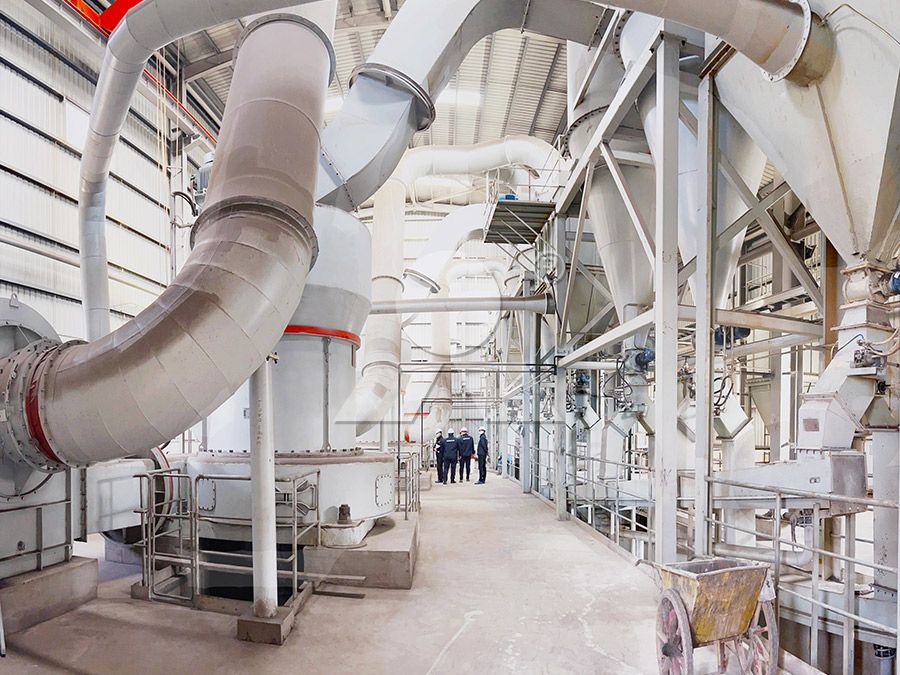
Recommended Solution: MW Ultrafine Grinding Mill
For Nigerian foundries seeking optimal balance between performance and operating costs, the MW Ultrafine Grinding Mill presents an compelling solution. This advanced grinding system offers several advantages specifically beneficial for Nigeria’s challenging operating environment.
The MW Series handles 0-20 mm input material with production capacities of 0.5-25 tph, making it suitable for various production scales. Its innovative design delivers 40% higher production capacity compared to jet mills and twice the output of ball mills with equivalent power consumption. For Nigerian operations facing high electricity costs, the system’s 30% reduction in energy usage versus conventional mills provides substantial operational savings.
Particularly valuable for Nigerian conditions is the mill’s robust construction with no rolling bearings or screws in the grinding chamber. This eliminates common failure points and reduces maintenance requirements – a critical advantage in regions where technical expertise may be limited. The external lubrication system enables maintenance without shutdown, supporting continuous 24-hour operation that maximizes productivity during available power periods.
The MW Ultrafine Grinding Mill achieves adjustable fineness between 325-2500 meshes using German-derived cage-type powder selector technology, ensuring precise control over bentonite particle size distribution. This precision directly translates to improved foundry sand performance and reduced binder consumption.
Investment Justification and Return Analysis
While premium grinding equipment requires higher initial investment, the operational benefits frequently justify the additional cost. Nigerian foundries can typically achieve payback periods of 18-36 months through:
- 30-50% reduction in energy costs
- 40-60% decrease in maintenance expenses
- 15-25% improvement in product quality and consistency
- 20-40% reduction in labor requirements
- Minimized production downtime
The environmental compliance features of modern grinding equipment, including efficient pulse dust collectors and noise reduction systems, also help Nigerian operations meet increasingly stringent regulatory requirements while maintaining community relations.
Market Outlook and Strategic Recommendations
The Nigerian foundry industry shows promising growth potential, driven by domestic manufacturing expansion and infrastructure development. Bentonite grinding equipment investments should align with this growth trajectory while addressing local operational challenges.
Strategic recommendations for Nigerian foundries include:
- Prioritize energy-efficient equipment to mitigate power cost and availability issues
- Select mills with robust construction and minimal maintenance requirements
- Ensure adequate technical training for operational staff
- Consider modular systems that allow capacity expansion as production grows
- Evaluate total cost of ownership rather than focusing solely on initial purchase price
With careful equipment selection and proper operational practices, Nigerian foundries can achieve international quality standards in bentonite processing while maintaining competitive production costs.
Frequently Asked Questions
What is the typical payback period for investing in advanced grinding equipment for bentonite processing in Nigeria?
Most Nigerian operations achieve payback within 18-36 months through energy savings, reduced maintenance, and improved productivity. The exact period depends on production volume, local electricity costs, and equipment utilization rates.
How does power instability in Nigeria affect grinding mill operation and selection?
Frequent power interruptions necessitate equipment with quick restart capabilities and minimal surge currents. Systems with external lubrication and easy maintenance access reduce downtime during power transitions. Generators or UPS systems are recommended for critical control components.
What particle size distribution is optimal for foundry-grade bentonite?
Most foundry applications require 200-325 mesh fineness with consistent distribution. The MW Ultrafine Grinding Mill’s adjustable separation system allows precise control between 325-2500 meshes to meet specific foundry requirements.
Are spare parts readily available in Nigeria for imported grinding equipment?
Availability varies by manufacturer. Reputable suppliers maintain local spare part inventories or establish reliable supply chains. The MW Series’ design minimizes spare part requirements by eliminating vulnerable components like grinding chamber bearings.
Can Nigerian technical staff effectively operate and maintain advanced grinding mills?
Yes, with proper training. Modern mills feature automated controls and diagnostic systems that simplify operation. Suppliers typically provide comprehensive training and technical support during commissioning and beyond.
What environmental regulations apply to bentonite grinding operations in Nigeria?
Operations must comply with NESREA standards for dust emissions and noise pollution. Equipment with integrated pulse dust collectors and noise reduction features, like the MW Series, typically meet these requirements without additional modifications.
How does bentonite moisture content affect grinding mill selection?
High moisture content requires mills with integrated drying capabilities or preprocessing drying steps. Nigerian bentonite typically contains 15-25% moisture, making systems with thermal efficiency advantages particularly valuable.
What production capacity range is most practical for medium-sized Nigerian foundries?
Most medium operations find 5-15 tph capacity optimal, balancing investment cost with production flexibility. The MW Ultrafine Grinding Mill’s 0.5-25 tph range accommodates various production scales with future expansion potential.