
Grinding machine for slag for construction aggregate in mexico
Grinding Machine for Slag: Transforming Industrial Byproduct into Premium Construction Aggregate in Mexico
The construction industry in Mexico is experiencing sustained growth, driven by infrastructure development, urbanization, and a booming housing sector. This growth places immense pressure on the supply of traditional natural aggregates like sand and gravel, leading to resource depletion and increased environmental concerns. Simultaneously, industries such as steel production generate significant quantities of slag, a byproduct often viewed as waste. The strategic processing of this slag into construction aggregate presents a compelling solution—turning an industrial residue into a valuable resource. This article explores the critical role of specialized grinding machinery in this transformation, focusing on the technical requirements and optimal equipment choices for the Mexican market.
The Slag Opportunity in Mexican Construction
Slag, particularly granulated blast furnace slag (GBFS) and steel slag, possesses latent hydraulic properties and excellent mechanical characteristics when properly processed. Ground into fine powder or specific particle sizes, it can be used as a supplementary cementitious material (SCM) or as a high-quality aggregate for concrete and road bases. The benefits are multifaceted: it reduces the carbon footprint of construction by lowering clinker factor in cement, conserves natural resources, and provides a cost-effective waste management solution for heavy industries. For Mexico, with its active industrial corridors and ambitious infrastructure projects, adopting slag valorization is a step toward a more circular and sustainable economy.

Key Challenges in Slag Grinding for Aggregate
Processing slag into construction-grade material is not a simple task. The material is often abrasive, variable in composition, and requires precise particle size distribution (PSD) control to meet strict ASTM or NMX standards for concrete aggregate. The primary challenges include:
- Abrasion Resistance: Slag’s hardness demands grinding components with exceptional wear resistance to minimize downtime and maintenance costs.
- Moisture Content: Some slag may carry moisture, necessitating integrated drying capabilities within the grinding system.
- Product Fineness & Yield: Achieving the target fineness (from coarse aggregate to ultra-fine SCM) with high efficiency and consistent output is paramount for profitability.
- Energy Consumption: Grinding is energy-intensive. Selecting equipment with high grinding efficiency directly impacts operational expenses.
- Environmental Compliance: The process must be dust-free and low-noise to adhere to Mexico’s environmental regulations.
Selecting the Right Grinding Technology
Not all grinding mills are created equal for slag processing. While traditional ball mills have been used, their high energy consumption, significant wear, and limited drying capability make them less ideal. Modern vertical roller mills and advanced trapezium mills offer superior solutions. The ideal machine should integrate drying, grinding, classifying, and conveying in a single, compact system.
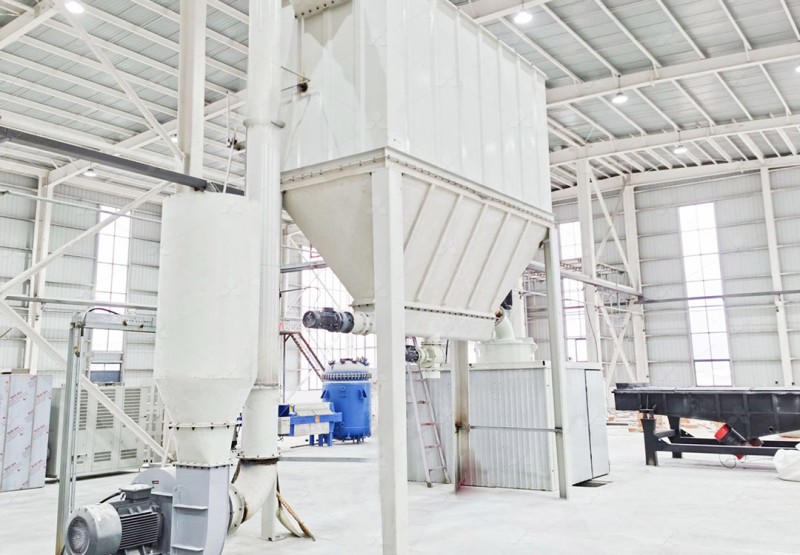
For producers aiming to create high-value, ultra-fine slag powder (GGBS) for concrete enhancement, the MW Ultrafine Grinding Mill stands out. Engineered for precision, it handles input sizes up to 20mm with a capacity ranging from 0.5 to 25 tph. Its cage-type powder selector, leveraging German technology, allows precise fineness adjustment between 325 and 2500 meshes, ensuring the exact PSD required for reactive SCM. A significant design advantage is the absence of rolling bearings and screws in the grinding chamber, eliminating common failure points and enabling worry-free, continuous 24/7 operation—a critical factor for meeting large project demands. Furthermore, its efficient pulse dust collector and muffler system guarantee an eco-friendly process with minimal dust and noise, aligning perfectly with stringent operational standards.
A Tailored Solution for Integrated Slag Milling
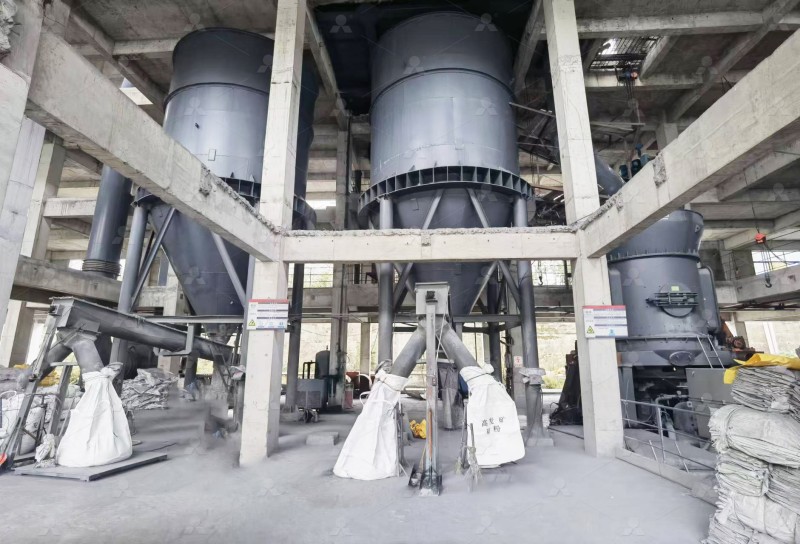
For larger-scale operations focused on grinding slag for use as a primary aggregate or for cement blending, the LM Vertical Slag Mill is the industry benchmark. Specifically designed for industrial wastes like slag, it integrates drying, grinding, powder selection, and conveying into one unit. With an input size of 38-65mm and a robust capacity range of 7-100 tph, it is built for heavy-duty, continuous processing. Its vertical structure reduces the footprint by approximately 50% compared to a ball mill system, while its energy consumption is 30-40% lower. The grinding roller and table are designed with high-performance wear-resistant materials, directly countering slag’s abrasiveness. The system operates under negative pressure, ensuring no dust spillage and a clean plant environment. This mill transforms slag into a uniform, high-screening-rate powder ideal for cement and concrete production across Mexico.
Implementation and Economic Viability in Mexico
Investing in the right grinding technology is the cornerstone of a successful slag valorization project. The economic argument is strong: reducing waste disposal costs, creating a new revenue stream from a low-cost raw material, and contributing to greener construction practices that may qualify for incentives. When selecting equipment, Mexican operators should prioritize suppliers that offer comprehensive after-sales support, original spare parts availability, and a deep understanding of local material characteristics and regulatory frameworks. A successful installation not only requires high-performance machinery like the MW or LM series but also a partner committed to ensuring long-term, worry-free operation.
In conclusion, the strategic processing of slag into construction aggregate is a win-win for Mexico’s industrial and construction sectors. By leveraging advanced, efficient, and environmentally sound grinding technology, such as the specialized MW Ultrafine Grinding Mill for premium applications or the high-capacity LM Vertical Slag Mill for integrated processing, businesses can unlock significant economic and sustainability benefits, paving the way for a more resource-efficient future.
Frequently Asked Questions (FAQs)
- What are the primary benefits of using slag as a construction aggregate in Mexico?
Using slag reduces reliance on natural resources, lowers the carbon footprint of construction projects, provides a cost-effective solution for industrial waste, and can result in concrete with improved durability and strength. - Is processed slag aggregate compliant with Mexican construction standards (NMX)?
Yes, when processed to the correct particle size distribution and quality, slag aggregate can meet or exceed relevant NMX standards for use in concrete and road bases. It is crucial to control the grinding process to ensure consistency. - How does the MW Ultrafine Grinding Mill handle the abrasive nature of slag?
The MW Mill is designed with wear-resistant materials for key components. Its unique design, which eliminates rolling bearings and screws in the grinding chamber, removes common wear points, significantly enhancing reliability and reducing maintenance related to abrasion. - Can the LM Vertical Slag Mill process slag with some moisture content?
Yes, a key feature of the LM Vertical Slag Mill is its integrated drying capability. Hot air can be introduced into the mill concurrently with grinding, effectively drying slag with moderate moisture content in a single pass. - What is the typical energy saving compared to a traditional ball mill for slag grinding?
Modern vertical mills like the LM series typically offer 30% to 50% energy savings compared to traditional ball mill systems, making a substantial impact on long-term operational costs. - How important is after-sales support for such grinding equipment in Mexico?
Extremely important. Access to technical service, genuine spare parts, and local expertise is vital for minimizing downtime and ensuring the grinding system operates at peak efficiency over its entire lifespan. - What fineness range can be achieved for slag powder intended as a cement substitute?
For use as a supplementary cementitious material (like GGBS), a fineness of around 400-450 m²/kg (Blaine) is common. The MW Ultrafine Grinding Mill can precisely produce powder in this range and finer, up to 2500 meshes, offering great flexibility.