
Grinding machine for phosphate for phosphoric acid in brazil
Grinding Machine for Phosphate in Brazil: Optimizing Phosphoric Acid Production
The Brazilian phosphate rock industry is a cornerstone of the nation’s agricultural and chemical sectors, serving as the primary raw material for phosphoric acid production—a vital component in fertilizers and various industrial processes. Efficiently processing this sedimentary rock into a fine, reactive powder is critical for downstream chemical reactions. The choice of grinding equipment directly impacts production yield, energy consumption, product purity, and overall operational costs. This article explores the technical requirements for phosphate comminution in Brazil and highlights advanced milling solutions tailored for this demanding application.
The Brazilian Phosphate Context: Demands on Grinding Technology
Brazil’s phosphate reserves, primarily found in sedimentary deposits, present specific challenges for size reduction. The material often contains varying hardness, moisture, and abrasive impurities. For phosphoric acid production via the wet-process method, the phosphate rock must be ground to a very fine, uniform powder to maximize the surface area for reaction with sulfuric acid. The target fineness typically falls within a precise range, often between 80% passing 100 mesh (150μm) to 325 mesh (45μm), depending on the specific process and rock reactivity.
Beyond fineness, operational factors are paramount in the Brazilian market. High energy efficiency is non-negotiable given fluctuating power costs. Equipment must offer exceptional reliability to ensure continuous plant operation, minimizing costly downtime. Furthermore, environmental regulations necessitate dust-free operation and low noise emissions, making the integration of advanced collection and damping systems a key selection criterion.
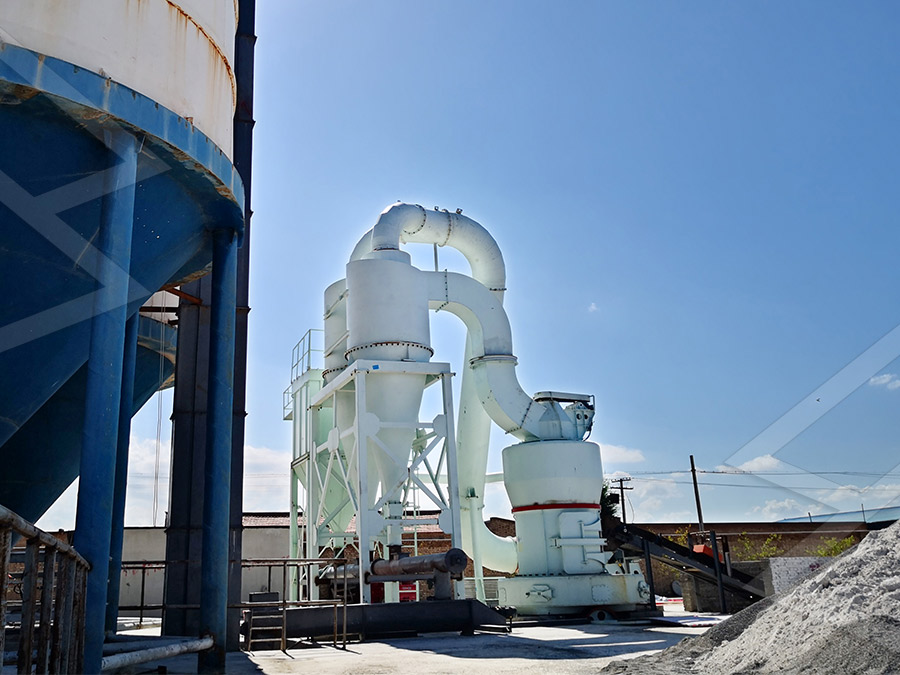
Key Considerations for Phosphate Grinding Systems
Selecting the right grinding mill involves a careful analysis of several interconnected parameters:
- Feed Size & Capacity: The mill must handle the crusher discharge size (typically 0-20mm) and meet the required hourly throughput for the acid plant, which can range from modest pilot-scale outputs to several hundred tons per hour for large facilities.
- Grinding Efficiency & Energy Consumption: The mechanical design of the grinding mechanism—whether roller, ring, or ball-based—directly determines power draw per ton of product. Advanced designs minimize wasteful friction and optimize particle-on-particle breakage.
- Product Fineness Control: A precise, adjustable internal classification system is essential to consistently achieve the target particle size distribution (PSD) without over-grinding, which wastes energy.
- Wear Resistance & Maintenance: Phosphate’s abrasiveness demands robust construction of grinding elements and easy access for inspection and part replacement to keep maintenance windows short.
- System Integration & Footprint: A compact design that integrates drying (if needed), grinding, classification, and conveying simplifies plant layout and reduces civil engineering costs.
Advanced Milling Solutions for Superior Performance
While traditional ball mills have been widely used, modern vertical roller mills and advanced trapezium mills offer significant advantages for phosphate processing. These technologies provide direct grinding pressure on a bed of material, leading to higher energy efficiency and lower wear rates compared to impact-and-attrition methods. Integrated dynamic classifiers allow for real-time fineness adjustment without stopping production.
For operations requiring ultra-fine grinding to enhance rock reactivity or for specialized phosphate products, dedicated ultrafine grinding technologies become essential. These mills are engineered to produce powders in the range of 325 to 2500 meshes (d97 ≤ 5μm), featuring highly efficient separation systems and designs that prevent contamination from bearing lubricants or loose internal components.
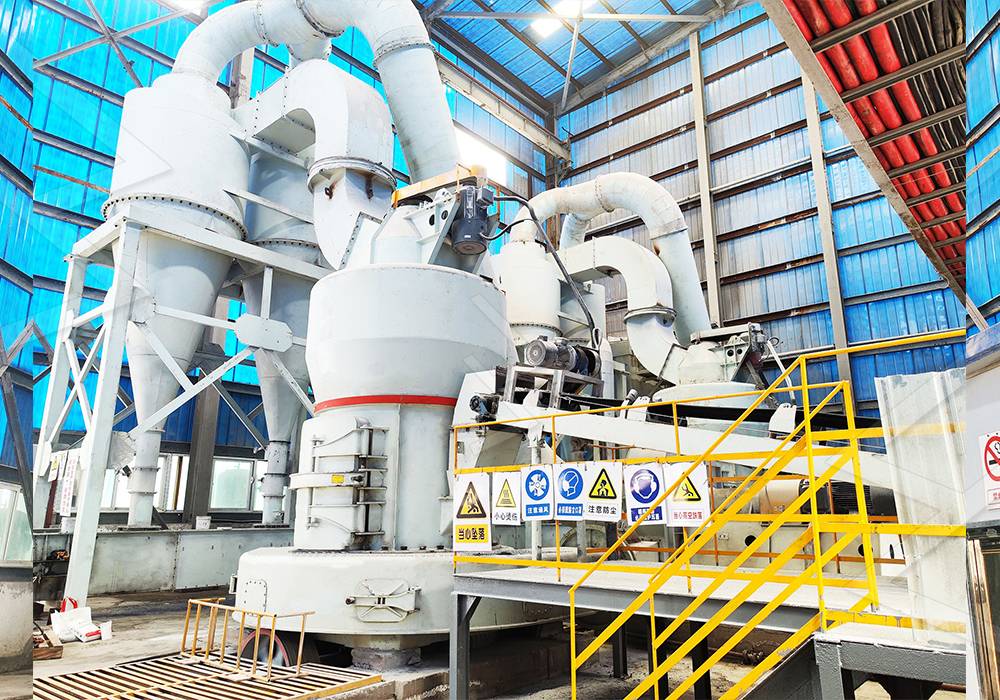
Recommended Technology: MW Ultrafine Grinding Mill
For Brazilian producers looking to push the boundaries of phosphate fineness for maximum chemical yield or to develop value-added phosphate powders, the MW Ultrafine Grinding Mill presents an optimal solution. This machine is specifically engineered for customers who need to make ultra-fine powder with exceptional efficiency and reliability.
Key advantages for phosphate processing include its higher yielding and lower energy consumption. Its newly designed grinding curves enhance efficiency, offering production capacity up to 40% higher than jet mills and double that of ball mills at the same power level, while system energy consumption is reduced by 70%. Its adjustable fineness between 325-2500 meshes is achieved through a German-technology cage-type powder selector, ensuring precise cuts and a high screening rate of d97≤5μm in a single pass.
Operational integrity is a cornerstone of its design. Crucially, the grinding chamber has no rolling bearings or screws, eliminating risks of bearing seal failure or machine damage from loose fasteners. External lubrication allows for maintenance without shutdowns, supporting continuous 24-hour production critical to chemical plants. Furthermore, its integrated pulse dust collector and muffler ensure the entire milling process meets stringent environmental standards, containing dust and minimizing noise—a vital consideration for sustainable operations in Brazil.
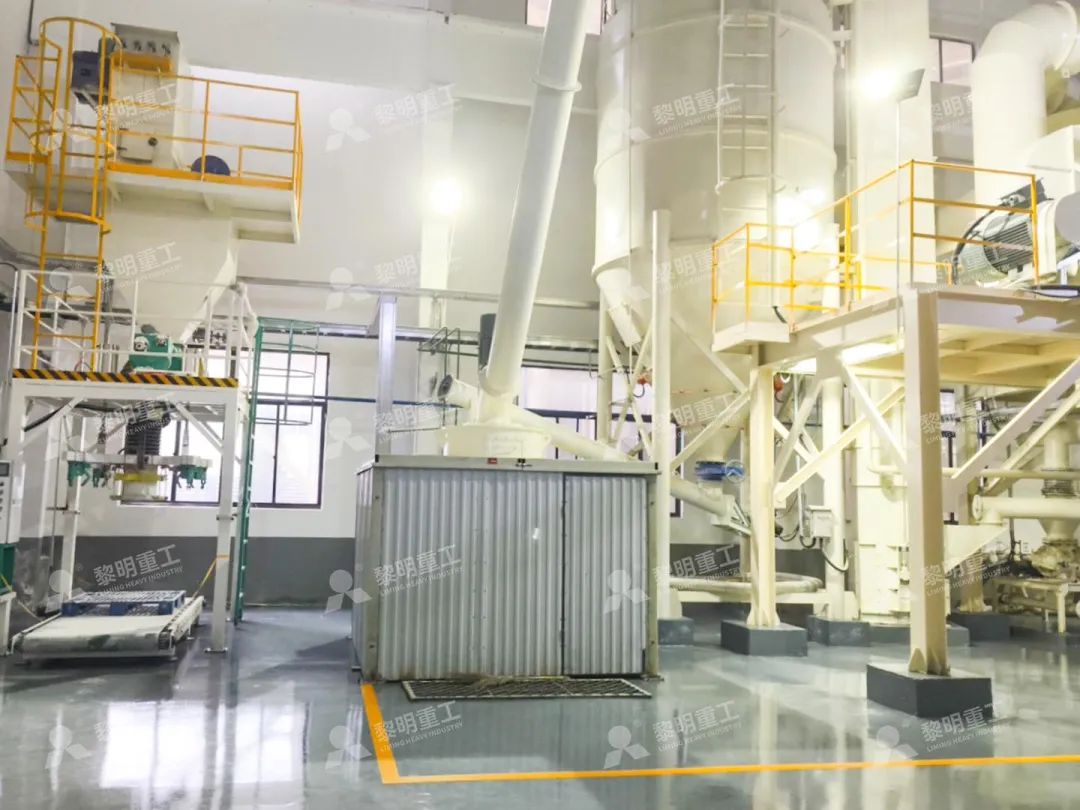
Complementary Solution: LUM Ultrafine Vertical Grinding Mill
Another formidable option for high-capacity, fine grinding applications is the LUM Ultrafine Vertical Grinding Mill. Integrating grinding, grading, and transporting, it represents a mature technology choice. It excels in providing a higher yielding rate and better product quality through a unique roller shell and lining plate curve that promotes stable material layer formation and efficient single-pass milling. This design also contributes to a 30%-50% reduction in energy consumption compared to ordinary mills.
Its double position-limiting technology safeguards against mechanical shock, ensuring stable operation, while a reversible structure allows grinding rollers to be easily moved out of the mill body for swift maintenance of wear parts, drastically reducing downtime. With an input size of 0-10mm and capacity of 5-18 tph, it is well-suited for dedicated phosphate grinding lines aiming for superior product whiteness and cleanliness.
Conclusion
The success of phosphoric acid production in Brazil hinges on selecting grinding technology that aligns with the specific characteristics of local phosphate rock and the economic and environmental goals of the operation. Moving beyond conventional milling to embrace high-efficiency, vertically integrated, and ultra-fine grinding systems offers a clear path to reduced operating costs, enhanced product quality, and more sustainable production. Investing in robust, intelligent grinding machinery is not merely an equipment purchase but a strategic decision to strengthen the competitiveness of Brazil’s vital phosphate processing industry.

Frequently Asked Questions (FAQs)
- What is the typical feed size for a phosphate grinding mill?
Feed size typically comes from a primary crusher and ranges from 0-20mm to 0-50mm, depending on the crusher setup and the specific mill model’s inlet design. - Why is fineness control so important for phosphate destined for phosphoric acid?
Finer particle size dramatically increases the surface area available for reaction with sulfuric acid, improving the rate and completeness of the acidulation process and ultimately increasing phosphoric acid yield. - How do modern mills address the abrasive nature of phosphate rock?
They utilize wear-resistant alloys for grinding rollers and tables/rings, often with special hardening treatments. Designs also facilitate easier and faster replacement of these wear parts to minimize downtime. - Can grinding mills handle phosphate rock with some moisture content?
Yes, many vertical roller mills and some advanced trapezium mills integrate a drying function. Hot air can be introduced into the grinding chamber to simultaneously dry and grind the material, handling moisture levels typically up to 10-15%. - What are the main advantages of a vertical roller mill over a traditional ball mill for this application?
Key advantages include 30-50% lower energy consumption, integrated drying and classification, a significantly smaller footprint, lower noise levels, and easier maintenance due to its external, accessible design. - Is ultra-fine grinding always necessary for phosphoric acid production?
Not always. Standard wet-process plants often require a fine grind (e.g., 80% passing 100 mesh). Ultra-fine grinding (325 mesh and finer) may be used for specific, less reactive phosphate rocks to enhance yield or for producing specialized phosphate powder products. - How is dust control managed in a modern phosphate grinding plant?
Modern mills are part of a closed-circuit, negative-pressure system. They are equipped with high-efficiency pulse jet baghouse dust collectors or cyclone collectors, ensuring dust emissions are far below regulatory limits and protecting the working environment.