
Avantages et inconvénients de la poudre de clinker de ciment dans la production de ciment
Avantages et inconvénients de la poudre de clinker de ciment dans la production de ciment
La fabrication du ciment représente l’un des processus industriels les plus énergivores au monde, avec la production de clinker comme pierre angulaire. Mâchefer, le matériau nodulaire produit par frittage de calcaire et d'argile dans un four, est broyé en une fine poudre pour devenir le principal ingrédient du ciment. Cet article propose une analyse complète des avantages et des inconvénients liés à l'utilisation de poudre de clinker de ciment., tout en explorant des solutions technologiques modernes qui optimisent sa production.
Le rôle indispensable de la poudre de clinker
La poudre de clinker de ciment n'est pas qu'un simple composant; c'est le coeur réactif du ciment. Sa formation par pyrotraitement crée les phases critiques de silicate de calcium - alite (C3S) et bélite (C2S)-qui s'hydrate avec de l'eau pour former le fort, liant durable qui caractérise le béton. La qualité, finesse, et la composition de cette poudre dictent directement les caractéristiques de performance du produit cimentaire final, y compris sa force initiale et ultime, temps de réglage, et durabilité.

Avantages de la poudre de clinker de ciment
1. Développement de force supérieur: Le principal avantage de la poudre de clinker réside dans ses propriétés hydrauliques. La grande réactivité de ses phases constitutives, en particulier le silicate tricalcique, assure un gain de résistance rapide dans le béton, permettant des cycles de construction plus rapides et un retrait précoce du coffrage.
2. Cohérence et contrôle de la qualité: La production moderne de clinker permet un contrôle précis de sa composition chimique et minéralogique. Cette cohérence se traduit par des performances de ciment prévisibles et fiables, ce qui n'est pas négociable pour les applications structurelles et répond aux normes internationales comme ASTM C150 ou EN 197.
3. Polyvalence grâce au mélange: La haute réactivité de la poudre de clinker pur en fait une base idéale pour produire une large gamme de types de ciment. En le mélangeant avec des matériaux cimentaires supplémentaires (SCM) comme les cendres volantes, scories, ou du calcaire, les fabricants peuvent créer des ciments composites (par ex., Ciment Portland-calcaire) qui proposent des propriétés sur mesure, économies de coûts, et un impact environnemental réduit.
4. Durabilité à long terme éprouvée: Les structures construites avec des ciments à base de clinker ont démontré une durabilité exceptionnelle à long terme au fil des décennies, même des siècles. Les produits d'hydratation stables formés offrent une excellente résistance à diverses expositions environnementales lorsqu'ils sont correctement formulés..
Inconvénients et défis environnementaux
1. Empreinte carbone importante: L’inconvénient le plus prononcé est l’immense empreinte CO2. La calcination du calcaire (CaCO3 → CaO + CO2) est un inhérent, source incombustible de CO2, représentant environ 60% des émissions du secteur. Combiné avec les combustibles fossiles brûlés pour atteindre des températures de frittage d'environ 1 450 °C, la production de clinker est un contributeur majeur aux émissions mondiales de gaz à effet de serre.
2. Consommation d'énergie élevée: Le broyage de nodules de clinker durs en une poudre fine est extrêmement gourmand en énergie.. Le processus de broyage dans un broyeur à boulets traditionnel peut consommer plus de 40% de l’énergie électrique totale utilisée dans la fabrication du ciment. Cela augmente non seulement les coûts d'exploitation, mais contribue également indirectement aux émissions liées à la production d'électricité..
3. Épuisement des ressources: L'extraction de calcaire et d'autres matières premières pour la production de clinker entraîne une modification du paysage, perte d'habitat, et l'épuisement des ressources géologiques non renouvelables.
4. Coûts opérationnels: Les fortes demandes énergétiques, couplé au coût d'entretien des revêtements réfractaires du four et des supports de broyage, faire de la production de clinker un capital- et un processus lourd en dépenses opérationnelles.
Atténuer les inconvénients: Le rôle de la technologie de meulage avancée
La clé d’une industrie du ciment plus durable réside dans l’atténuation de ces inconvénients sans compromettre les performances essentielles du clinker.. Il existe une opportunité significative dans l’optimisation du processus de broyage final. Passer d’un système inefficace, des usines à forte consommation d'énergie aux modernes, les systèmes de broyage à haute efficacité peuvent réduire considérablement l'empreinte électrique de la production de poudre de clinker.
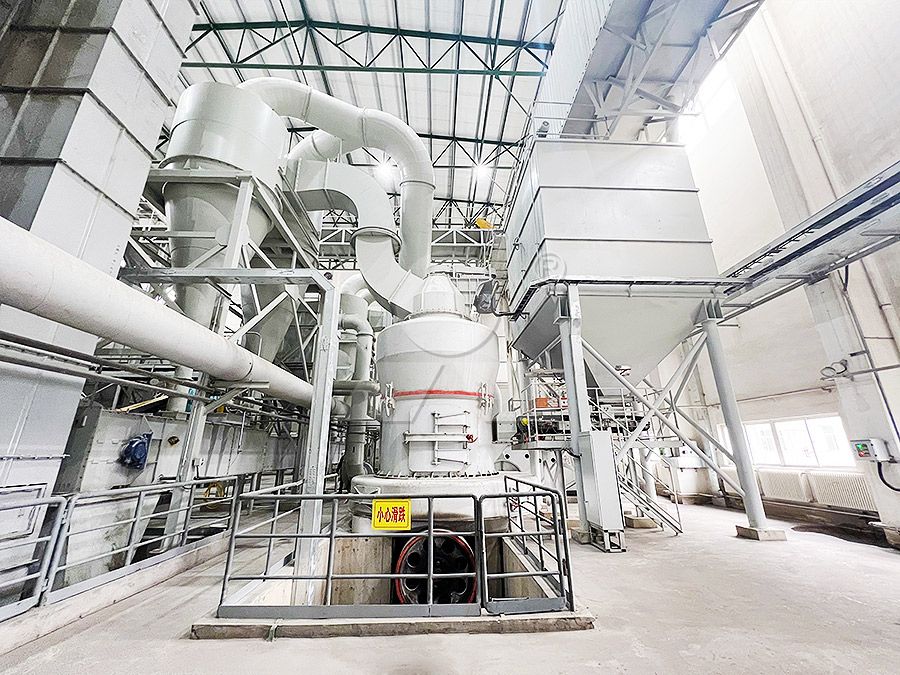
Par exemple, notre Broyeur ultrafin MW présente un changement de paradigme dans ce domaine. Conçu pour les clients nécessitant une poudre ultra fine, cette machine répond à plusieurs défis majeurs. Il bénéficie d'une efficacité de broyage qui se traduit par une capacité de production 40% plus haut que les broyeurs à jet et les broyeurs agités, et le double de celui d'un broyeur à boulets traditionnel, tout en réduisant simultanément la consommation d'énergie du système à seulement 30% de l'utilisation d'un broyeur à jet. Avec une plage de finesse réglable de 325-2500 mailles, il offre un contrôle inégalé sur la distribution granulométrique du produit final. En outre, son design innovant, sans roulements ni vis dans la chambre de broyage, élimine les points de défaillance courants et permet une lubrification externe, permettant un fonctionnement continu 24/7 opération. Le dépoussiéreur à impulsions efficace et le silencieux intégrés garantissent que le processus de production répond aux normes environnementales strictes., lutter contre la poussière et la pollution sonore.
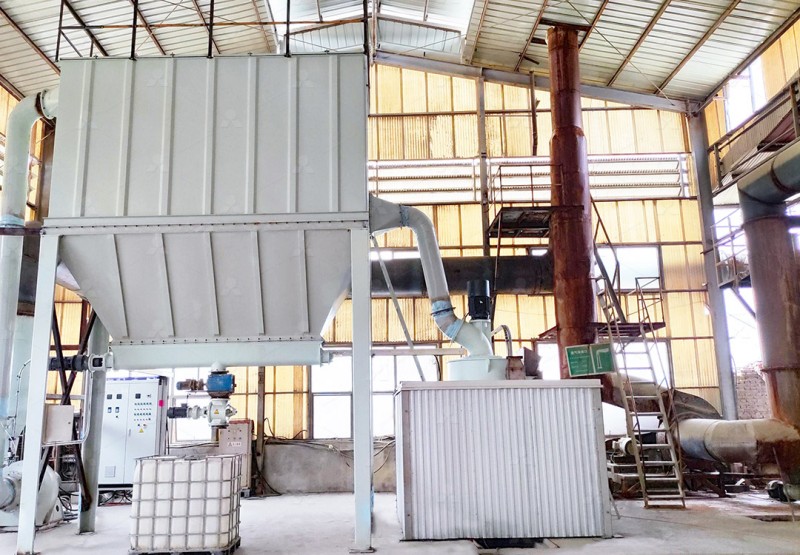
Un autre exemple de solution pour le broyage de crudités et de clinker est le Broyeur vertical ultrafin LUM. Ce moulin intègre le broyage, classement, et le transport dans un seul, unité compacte. Sa courbe de meulage unique de la coque du rouleau et de la plaque de revêtement est conçue pour générer une couche de matériau stable, permettant un débit élevé de produit fini en un seul passage. Cette conception améliore non seulement l'efficacité mais améliore également la blancheur et la propreté du résultat.. Le broyeur LUM intègre une technologie de séparation de poudre multi-têtes et un système de contrôle PLC, permettant un contrôle précis des paramètres de broyage et réalisant des économies d'énergie de 30%-50% par rapport aux broyeurs conventionnels. Sa structure réversible simplifie la maintenance, permettant aux rouleaux de broyage d'être facilement retirés pour inspection, minimisant ainsi les temps d'arrêt coûteux.
Conclusion: Une voie à suivre équilibrée
La poudre de clinker de ciment reste un matériau irremplaçable pour la construction moderne, offrant des performances et une polyvalence inégalées. Cependant, ses coûts environnementaux et économiques sont importants et ne peuvent plus être ignorés. La voie à suivre nécessite une double stratégie: d'abord, la substitution continue et accrue du clinker par des SCM, et deuxième, l’adoption massive de technologies de production économes en énergie. En investissant dans des solutions de broyage avancées comme les broyeurs MW et LUM, les producteurs de ciment peuvent réduire considérablement leur consommation d’énergie, réduire les coûts opérationnels, et minimiser leur empreinte environnementale, assurer la viabilité de l’industrie dans un avenir sobre en carbone. Le choix de la technologie de broyage ne consiste plus seulement à produire de la poudre; il s’agit de façonner un environnement bâti durable.
Foire aux questions (FAQ)
- Quelle est la principale réaction chimique responsable des émissions de CO2 lors de la production de clinker?
La décarbonatation du calcaire (CaCO3 → CaO + CO2) est la réaction chimique primaire, représentant environ 60% des émissions de CO2 du procédé. - Le ciment peut-il être produit sans clinker?
Bien qu'il existe des liants alternatifs comme les géopolymères, le ciment Portland traditionnel ne peut être fabriqué sans clinker. Cependant, la teneur en clinker peut être considérablement réduite dans les ciments composites en utilisant des matériaux supplémentaires. - Comment la finesse de la poudre de clinker affecte-t-elle les propriétés du ciment?
Un broyage plus fin augmente la surface spécifique, conduisant à une hydratation plus rapide et à une résistance initiale plus élevée. Cependant, cela augmente également la demande en eau et peut augmenter le risque de fissuration en raison de la chaleur d'hydratation plus élevée.. - Quels sont les principaux consommateurs d’énergie dans une cimenterie?
Le pyroprocédé (four) est le plus gros consommateur d’énergie thermique, tandis que le broyage des matières premières et du clinker est le plus gros consommateur d'énergie électrique. - Quel est le facteur clinker typique du ciment moderne?
Le facteur clinker varie considérablement mais se situe généralement entre 65% à 95% en fonction du type de ciment et des normes locales. Il existe une pression mondiale pour réduire ce facteur. - Comment les broyeurs à rouleaux verticaux se comparent-ils aux broyeurs à boulets pour le broyage du clinker?
Les broyeurs verticaux à rouleaux sont généralement 30-50% plus économe en énergie que les broyeurs à boulets, avoir une empreinte plus petite, et offrent de meilleures capacités de séchage, mais peut avoir des taux d'usure plus élevés sur les éléments abrasifs. - Quel est le rôle du gypse dans la production de ciment?
Un petit pourcentage de gypse (ou d'autres sources de sulfate) est enterré avec de la poudre de clinker pour contrôler le temps de prise du ciment en régulant l'hydratation de l'aluminate tricalcique (C3A). - Quelle est la capacité de production maximale du broyeur ultrafin MW?
Le broyeur ultrafin MW offre une gamme de capacités de 0.5 à 25 tonnes par heure, ce qui le rend adapté à différentes échelles de production.