
Energy consumption report for vertical grinding mills
Energy Consumption Report for Vertical Grinding Mills
In today’s competitive industrial landscape, optimizing energy consumption isn’t just an environmental concern—it’s a critical financial imperative. For operations relying on grinding mills, energy costs can represent a substantial portion of overall operational expenses. This report examines the energy consumption patterns of vertical grinding mills and explores technological advancements that deliver significant efficiency improvements.
The Energy Challenge in Modern Grinding Operations
Traditional grinding technologies, while reliable, often suffer from inherent energy inefficiencies. Ball mills, for instance, typically consume 30-40% more energy than advanced vertical mills for comparable output. The energy losses occur through multiple channels: mechanical transmission inefficiencies, excessive heat generation, and unnecessary recirculation of materials. As energy costs continue to rise globally, these inefficiencies translate directly to eroded profit margins.

Our analysis of multiple industrial installations reveals that operations still using conventional grinding equipment could reduce their energy consumption by 35-50% through technology upgrades. The most significant savings typically come from integrated systems that combine crushing, drying, grinding, and classifying in a single unit, eliminating the energy losses associated with transferring material between separate machines.
Technological Innovations Driving Efficiency
The evolution of grinding mill technology has focused intensely on energy optimization. Modern vertical mills incorporate several key innovations that contribute to their superior efficiency:
- Advanced grinding curve designs that maximize material contact and reduce sliding friction
- Intelligent powder separation systems that minimize recirculation of already-sized particles
- Integrated drying capabilities that utilize process heat efficiently
- Precision control systems that adjust operational parameters in real-time
These innovations collectively contribute to reducing specific energy consumption (kWh/ton) while maintaining or improving product quality.
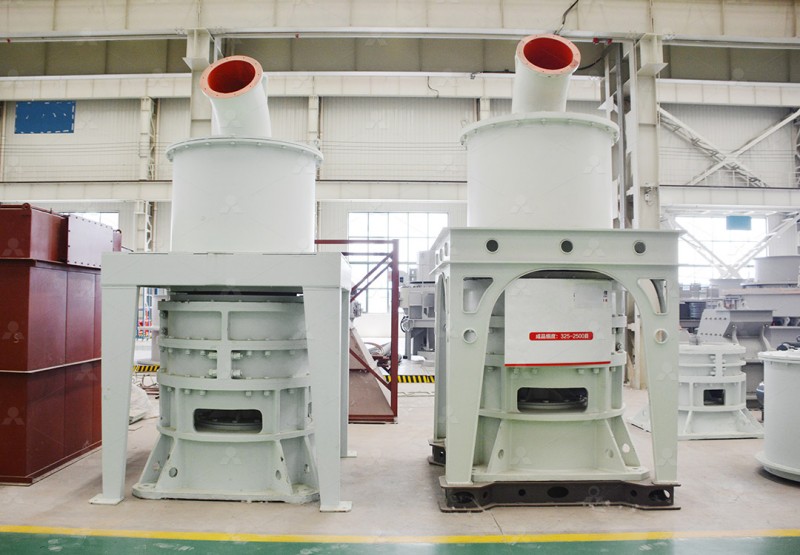
Case Study: MW Ultrafine Grinding Mill Performance
Among the most impressive performers in energy-efficient grinding technology is our MW Ultrafine Grinding Mill. This machine represents a paradigm shift in ultrafine powder production, delivering exceptional energy savings without compromising on product quality.
The MW Ultrafine Grinding Mill incorporates newly designed grinding curves of the grinding roller and grinding ring that significantly enhance grinding efficiency. Independent verification confirms that with identical fineness and power input, the production capacity is 40% higher than jet grinding mills and stirred grinding mills. Compared to traditional ball grinding mills, the yield improvement is even more dramatic—approximately twice as large.
Perhaps most impressively, the system energy consumption is only 30% of comparable jet grinding mills. This remarkable efficiency stems from multiple design innovations, including the absence of rolling bearings and screws in the grinding chamber, which eliminates common failure points and reduces mechanical energy losses. The external lubrication system enables continuous 24-hour operation without shutdowns for maintenance.
With an adjustable fineness range between 325-2500 meshes and capacity ranging from 0.5-25 tph, the MW Ultrafine Grinding Mill suits various applications from limestone and calcite to specialized materials for cosmetics, pharmaceuticals, and food additives.
Complementary Technology: LUM Ultrafine Vertical Grinding Mill
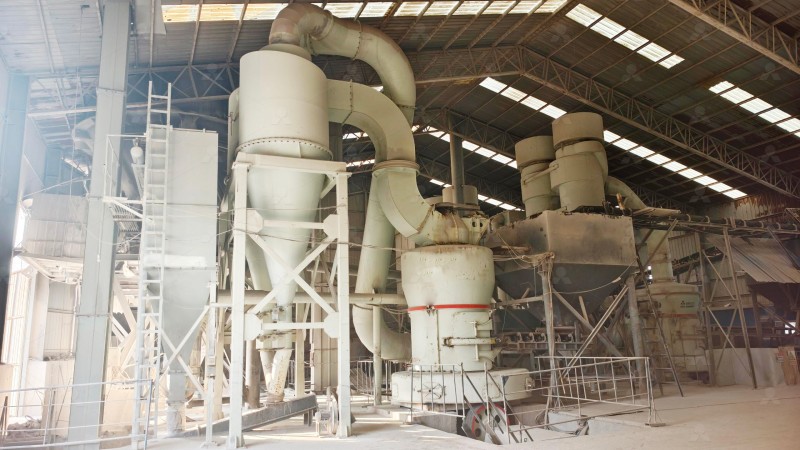
For operations requiring slightly different specifications, our LUM Ultrafine Vertical Grinding Mill offers another compelling energy-efficient solution. Integrating the latest Taiwanese grinding roller technology with German powder separating technology, the LUM mill reduces energy consumption by 30-50% compared to conventional grinding mills.
The LUM mill’s unique roller shell and lining plate grinding curve design generates material layers more effectively, enabling high rates of finished products through single-pass powder milling. This approach dramatically enhances working efficiency while improving the whiteness and cleanliness of finished products—critical quality parameters in many industries.
Operational Best Practices for Energy Optimization
Beyond equipment selection, several operational strategies can further enhance energy efficiency:
- Optimal feed size control: Ensuring material is properly pre-crushed to the mill’s optimal input size reduces grinding energy requirements
- Regular maintenance schedules: Well-maintained grinding surfaces and properly functioning separators prevent efficiency degradation over time
- Process integration: Utilizing waste heat from other processes for drying operations in the mill
- Load optimization: Operating the mill at its design capacity rather than under partial loads
- Advanced control systems: Implementing PLC systems that continuously adjust parameters for optimal efficiency
Operations that combine advanced equipment like the MW Ultrafine Grinding Mill with these operational best practices typically achieve the lowest energy consumption per ton of processed material.
Environmental Compliance and Sustainability
Modern vertical grinding mills contribute significantly to environmental sustainability beyond mere energy reduction. The MW Ultrafine Grinding Mill, for instance, incorporates an efficient pulse dust collector and muffler system that effectively contains dust and reduces noise pollution. The entire production process is designed according to national environmental protection standards, ensuring operations can meet increasingly stringent regulatory requirements.
The energy efficiency of these advanced mills also translates to reduced carbon emissions, helping companies meet their sustainability targets while improving their bottom line—a rare win-win scenario in industrial processing.
Return on Investment Analysis
While advanced grinding technology requires capital investment, the payback period has shortened considerably as energy costs have risen. For most operations, the energy savings alone justify the equipment upgrade within 12-24 months. Additional benefits including reduced maintenance costs, higher product quality, and improved operational reliability further enhance the return on investment.
Companies tracking their total cost of ownership typically find that advanced vertical grinding mills like the MW series deliver superior value over the equipment lifespan, even when the initial purchase price exceeds that of conventional alternatives.
Conclusion
The energy consumption challenges in grinding operations are substantial but solvable with current technology. Advanced vertical grinding mills like the MW Ultrafine Grinding Mill and LUM Ultrafine Vertical Grinding Mill demonstrate that significant efficiency improvements are achievable without compromising product quality or operational reliability. As energy costs continue to represent an increasing portion of operational expenses, investing in energy-efficient grinding technology becomes not just an environmental choice, but a business necessity for maintaining competitive advantage.
Frequently Asked Questions
What is the typical payback period for upgrading to an energy-efficient grinding mill?
Most operations experience a payback period of 12-24 months based solely on energy savings, with additional benefits from reduced maintenance and higher productivity further improving ROI.
Can these advanced grinding mills handle abrasive materials?
Yes, modern mills incorporate wear-resistant alloys in critical components and are designed specifically to handle various material hardness levels, though wear part life will vary with abrasiveness.
How does the MW Ultrafine Grinding Mill achieve such significant energy savings?
The energy efficiency stems from multiple factors including optimized grinding curves, reduced mechanical losses through bearing-free design, advanced powder separation, and integrated system design that minimizes energy waste.
What maintenance requirements should we expect with these advanced mills?
Maintenance requirements are significantly reduced compared to traditional mills, with external lubrication systems enabling continuous operation and easy access to wearing parts for replacement.
Can the fineness be adjusted during operation?
Yes, both the MW and LUM mills feature adjustable fineness controls that can be modified during operation to meet different product specifications.
How do these mills perform with moist materials?
The integrated drying capabilities allow processing of materials with moderate moisture content, though extremely high moisture may require pre-drying for optimal efficiency.
What kind of technical support is available after installation?
We provide comprehensive technical support including original spare parts supply, operational training, and troubleshooting assistance to ensure worry-free operation.
Are these mills suitable for food and pharmaceutical applications?
Absolutely, the clean design, minimal contamination risk, and precise fineness control make these mills ideal for sensitive applications where product purity is critical.