
Egypt mineral grinding mill solution for phosphate fertilizer manufacturing process
Unlocking Egypt’s Phosphate Potential: The Critical Role of Precision Grinding
Egypt, blessed with substantial phosphate rock reserves, stands as a pivotal player in the global fertilizer market. The transformation of raw phosphate ore into high-quality, soluble fertilizers is a complex industrial ballet, where efficiency, particle size control, and operational cost are paramount. At the heart of this transformation lies a single, crucial process: mineral grinding. The choice of grinding technology directly influences product quality, plant throughput, energy consumption, and ultimately, market competitiveness. For Egyptian fertilizer producers aiming to maximize yield and minimize environmental footprint, selecting an advanced, tailored grinding solution is not just an operational decision—it’s a strategic imperative.
The Grinding Challenge in Phosphate Processing
Phosphate rock intended for fertilizer production, whether for single superphosphate (SSP), triple superphosphate (TSP), or phosphoric acid, must be ground to a specific fineness. This increases the surface area for chemical reactions, ensuring complete acidulation and high nutrient availability. The target fineness typically ranges from fine powders where a high percentage passes through 100-mesh (150μm) to ultra-fine grinds for certain advanced formulations. Traditional grinding methods often struggle with the abrasive nature of phosphate rock, leading to high wear part consumption, inconsistent particle size distribution, and excessive energy use. Furthermore, modern environmental regulations demand dust-free, low-noise operations—a challenge for older mill designs.
Engineering the Ideal Solution: Beyond Conventional Milling
The evolution of grinding technology has moved far beyond simple ball mills. Today’s solutions integrate drying, grinding, classifying, and conveying into cohesive, intelligent systems. For phosphate processing, key performance indicators include:
- Energy Efficiency: Grinding is energy-intensive. Modern mills can reduce specific energy consumption by 30-50% compared to traditional systems.
- Precise Particle Size Control: Consistent fineness (e.g., d97 ≤ 45μm) is critical for predictable chemical reaction rates and final product quality.
- Low Iron Contamination: The grinding process itself must not introduce metallic impurities that could affect product color or chemistry.
- System Reliability & Easy Maintenance: Minimizing downtime in a continuous process plant is essential for profitability.
- Environmental Compliance: Fully sealed, negative-pressure systems with integrated dust collectors are non-negotiable for sustainable operation.

Tailored Technology for Egyptian Fertilizer Excellence
Based on the specific requirements of phosphate rock grinding—ranging from high-capacity primary grinding to the production of ultra-fine powders for specialized applications—two of our flagship technologies stand out as exemplary solutions for Egyptian manufacturers.
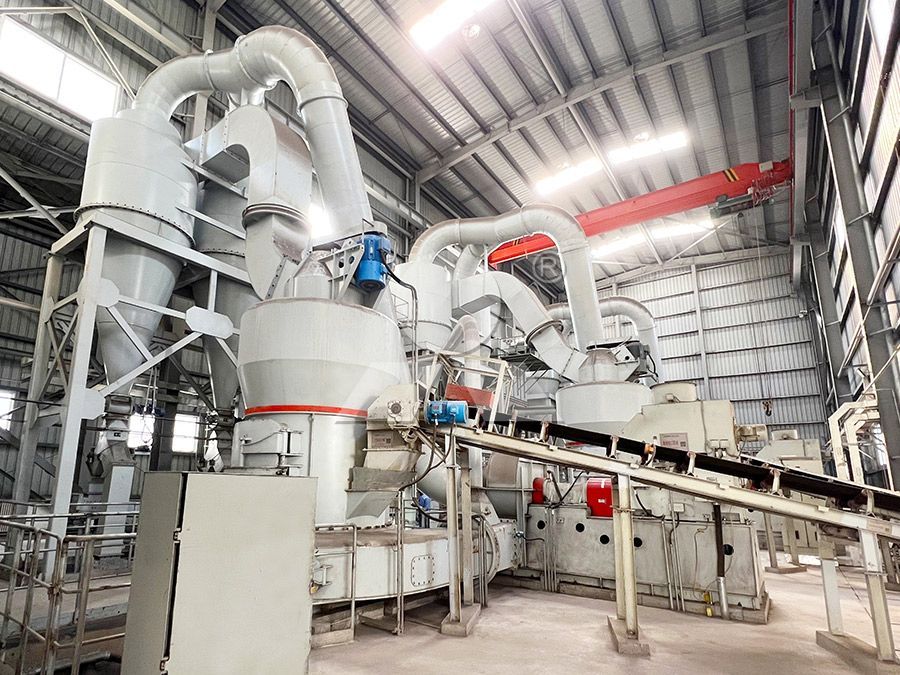
For operations requiring the production of consistent, high-volume fine phosphate powder, the LM Vertical Grinding Mill presents an outstanding solution. Its integrated design crushes, dries, grinds, and classifies in a single unit, reducing the plant’s footprint by up to 50%. With a capacity range of 3-340 tph and the ability to handle feed sizes up to 70mm, it is perfectly suited for large-scale fertilizer production lines. Its grinding rollers and millstone do not make direct contact, drastically reducing metallic wear and iron contamination—a key factor in maintaining product purity. The system operates under full negative pressure, ensuring a dust-free environment that aligns with stringent operational standards.
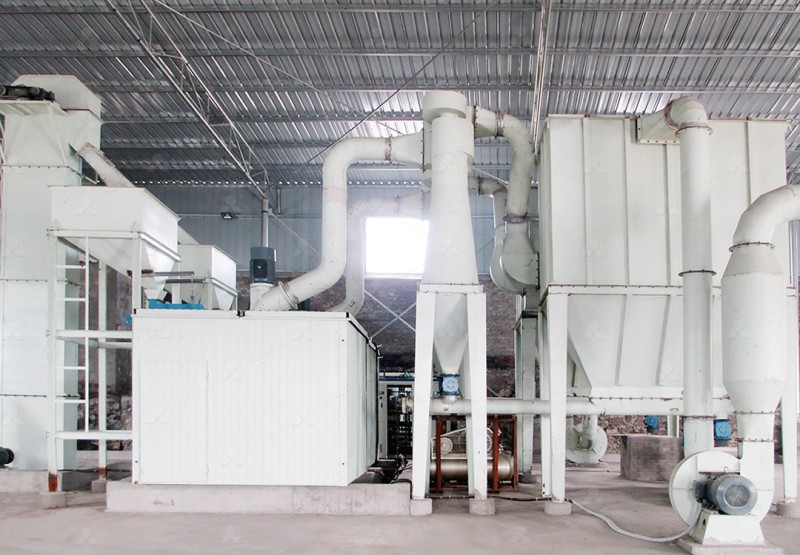
When the process demands ultra-fine grinding for advanced phosphate-based products, the MW Ultrafine Grinding Mill is the definitive choice. Engineered for precision, it can adjust product fineness between 325-2500 meshes, achieving a precise cut-point of d97≤5μm. This is made possible by its advanced German-derived cage-type powder selector. For phosphate fertilizer applications requiring extremely high surface area for maximum reactivity, this level of control is invaluable. Notably, its grinding chamber contains no rolling bearings or screws, eliminating common failure points and concerns about loose parts contaminating the product. With higher yield and 40% greater efficiency compared to some conventional fine grinders, coupled with its eco-friendly pulse dust collection system, the MW Series ensures that pushing the boundaries of fineness does not come at the cost of reliability or environmental responsibility.
The Path Forward: A Partnership for Growth
Egypt’s ambition to strengthen its position in the global fertilizer market hinges on adopting world-class processing technology. Investing in the right grinding mill is an investment in product quality, operational efficiency, and environmental stewardship. It transforms a challenging raw material into a consistent, high-value commodity. By leveraging engineered solutions like the LM Vertical Mill for high-capacity fine grinding and the MW Ultrafine Mill for specialized, high-finesse applications, Egyptian producers can optimize their entire manufacturing process. This technological partnership paves the way for not only meeting current demand but also innovating for the future of sustainable agriculture.

Frequently Asked Questions (FAQs)
- What is the typical feed size your mills can handle for phosphate rock?
Our range covers various stages. The LM Vertical Mill can accept feed up to 70mm, ideal for primary grinding after initial crushing. For finer feed or secondary grinding, the MW Ultrafine Mill handles 0-20mm material efficiently. - How do you manage the abrasive nature of phosphate rock to reduce wear part costs?
Our mills use wear-resistant alloys for grinding rollers and rings, developed in-house for extended service life. Designs like the non-contact grinding zone in the LM Mill and the bearing-free chamber in the MW Mill specifically minimize abrasive wear and part failure. - Can your grinding systems integrate with existing drying or classifying equipment?
Absolutely. Both the LM and MW series are designed as complete systems but are highly modular. They can be seamlessly integrated into existing production lines for drying, pre-crushing, or final product collection. - What kind of particle size distribution can we expect for standard SSP/TSP production?
For standard fertilizer grades, our mills can reliably produce powders where over 90% passes 100 mesh (150μm). The MW Mill offers even tighter control, allowing you to tailor the distribution curve to your specific process chemistry. - Are your mills suitable for remote or automated operation?
Yes. Our mills feature advanced PLC control systems, enabling remote monitoring, automated adjustment of grinding pressure and classifier speed, and integration into plant-wide DCS systems for minimal manual intervention. - What are the key environmental benefits of your grinding solutions?
Our systems operate under negative pressure with high-efficiency pulse dust collectors, ensuring near-zero dust emission. They also feature noise reduction technologies, making them compliant with the strictest international environmental and workplace safety standards. - How is energy consumption compared to a traditional ball mill circuit?
The energy savings are significant. Vertical roller mills like our LM series typically use 30-40% less energy than a ball mill system for the same output. The MW Ultrafine Mill also demonstrates superior energy efficiency per ton of product in the fine and ultra-fine grinding ranges.