
Vor- und Nachteile von Zementklinkerpulver in der Zementproduktion
Vor- und Nachteile von Zementklinkerpulver in der Zementproduktion
The manufacturing of cement represents one of the most energy-intensive industrial processes globally, Der Grundstein hierfür ist die Klinkerproduktion. Klinker, das knotenförmige Material, das durch Sintern von Kalkstein und Ton in einem Ofen entsteht, wird zu einem feinen Pulver gemahlen und ist der Hauptbestandteil von Zement. Dieser Artikel bietet eine umfassende Analyse der Vor- und Nachteile, die mit der Verwendung von Zementklinkerpulver verbunden sind, Gleichzeitig erforscht es moderne technologische Lösungen, die seine Produktion optimieren.
The Indispensable Role of Clinker Powder
Cement clinker powder is not merely a component; it is the reactive heart of cement. Its formation through pyroprocessing creates the critical calcium silicate phases—alite (C3S) and belite (C2S)—that hydrate with water to form the strong, durable binder that characterizes concrete. Die Qualität, Feinheit, and composition of this powder directly dictate the performance characteristics of the final cement product, including its early and ultimate strength, Abbindezeit, und Haltbarkeit.

Advantages of Cement Clinker Powder
1. Superior Strength Development: The primary advantage of clinker powder lies in its hydraulic properties. The high reactivity of its constituent phases, particularly tricalcium silicate, ensures rapid strength gain in concrete, enabling faster construction cycles and early removal of formwork.
2. Quality Consistency and Control: Modern clinker production allows for precise control over its chemical and mineralogical composition. This consistency translates to predictable and reliable cement performance, which is non-negotiable for structural applications and meeting international standards like ASTM C150 or EN 197.
3. Versatility through Blending: The high reactivity of pure clinker powder makes it an ideal base for producing a wide range of cement types. By blending it with supplementary cementitious materials (SCMs) such as fly ash, Schlacke, oder Kalkstein, manufacturers can create composite cements (z.B., Portland-limestone cement) that offer tailored properties, cost savings, und geringere Umweltbelastung.
4. Proven Long-Term Durability: Structures built with clinker-based cements have demonstrated exceptional long-term durability over decades, even centuries. The stable hydration products formed provide excellent resistance to a variety of environmental exposures when properly formulated.
Disadvantages and Environmental Challenges
1. Significant Carbon Footprint: The most pronounced disadvantage is the immense CO2 footprint. The calcination of limestone (CaCO3 → CaO + CO2) is an inherent, non-combustible source of CO2, accounting for roughly 60% of the sector’s emissions. Combined with the fossil fuels burned to achieve sintering temperatures of ~1450°C, clinker production is a major contributor to global greenhouse gas emissions.
2. High Energy Consumption: The grinding of hard clinker nodules into a fine powder is extremely energy-intensive. The comminution process in a traditional ball mill can consume over 40% of the total electrical energy used in cement manufacturing. This not only increases operational costs but also contributes indirectly to emissions from power generation.
3. Resource Depletion: The quarrying of limestone and other raw materials for clinker production leads to landscape alteration, habitat loss, and depletion of non-renewable geological resources.
4. Betriebskosten: The high energy demands, coupled with the cost of maintaining kiln refractory linings and grinding media, make clinker production a capital- and operational expenditure-heavy process.
Mitigating the Drawbacks: Die Rolle fortschrittlicher Schleiftechnologie
The key to a more sustainable cement industry lies in mitigating these disadvantages without compromising the essential performance of clinker. A significant opportunity exists in optimizing the final grinding process. Transitioning from inefficient, high-energy-consumption mills to modern, high-efficiency grinding systems can dramatically reduce the electrical footprint of clinker powder production.
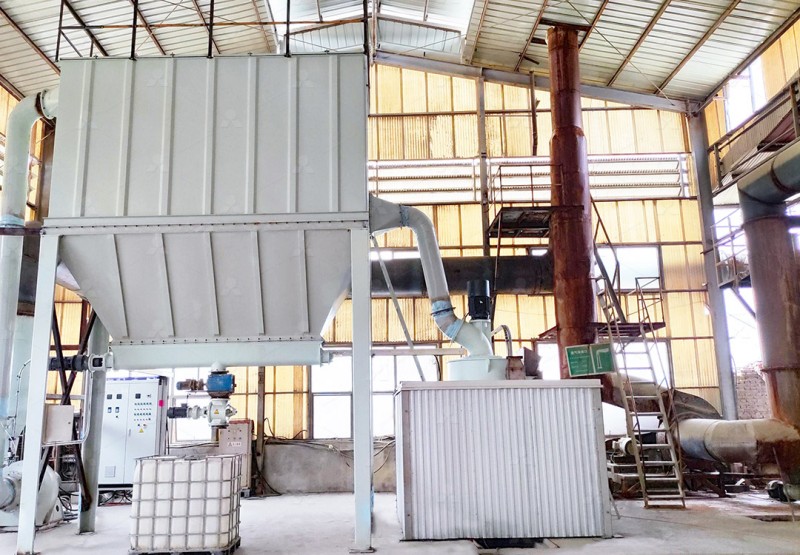
Zum Beispiel, unser MW Ultrafeine Mahlmühle presents a paradigm shift in this arena. Entwickelt für Kunden, die ultrafeines Pulver benötigen, this machine addresses several core challenges. It boasts a grinding efficiency that results in a production capacity 40% höher than jet mills and stirred mills, und doppelt so viel wie eine herkömmliche Kugelmühle, bei gleichzeitiger Reduzierung des Systemenergieverbrauchs auf gerade einmal 30% of a jet mill’s usage. Mit einem einstellbaren Feinheitsbereich von 325-2500 Maschen, it offers unparalleled control over the final product’s particle size distribution. Außerdem, its innovative design, ohne Wälzlager und Schrauben im Mahlraum, eliminates common failure points and allows for external lubrication, Ermöglicht eine kontinuierliche 24/7 Betrieb. Der integrierte effiziente Impulsstaubabscheider und Schalldämpfer stellen sicher, dass der Produktionsprozess strenge Umweltstandards erfüllt, addressing both dust and noise pollution.
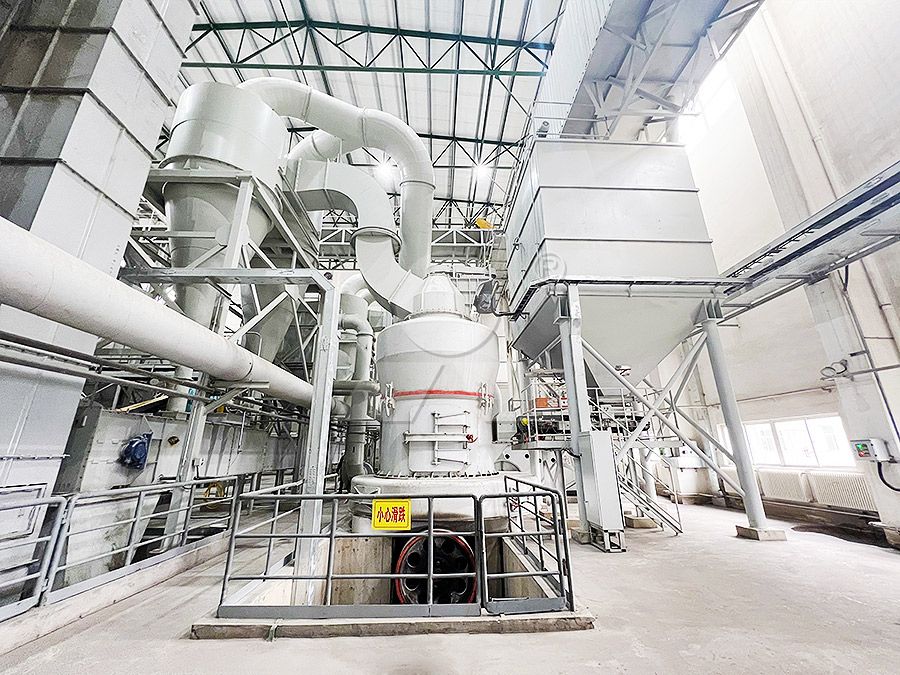
Another exemplary solution for raw meal and clinker grinding is the LUM Ultrafeine Vertikalmahlmühle. Diese Mühle integriert das Mahlen, Benotung, und Transport in einem, kompakte Einheit. Die einzigartige Schleifkurve des Walzenmantels und der Auskleidungsplatte ist darauf ausgelegt, eine stabile Materialschicht zu erzeugen, Dies ermöglicht eine hohe Endproduktrate in einem einzigen Durchgang. This design not only enhances efficiency but also improves the whiteness and cleanliness of the output. The LUM mill incorporates multi-head powder separating technology and a PLC control system, allowing for precise control over grinding parameters and achieving energy savings of 30%-50% im Vergleich zu herkömmlichen Mühlen. Seine reversible Struktur vereinfacht die Wartung, allowing grinding rollers to be easily moved out for inspection, thereby minimizing costly downtime.
Abschluss: A Balanced Path Forward
Cement clinker powder remains an irreplaceable material for modern construction, offering unmatched performance and versatility. Jedoch, its environmental and economic costs are substantial and can no longer be ignored. The path forward requires a dual strategy: first, the continued and increased substitution of clinker with SCMs, and second, the wholesale adoption of energy-efficient production technologies. By investing in advanced grinding solutions like the MW and LUM mills, cement producers can significantly lower their energy consumption, Betriebskosten senken, and minimize their environmental footprint, ensuring the industry’s viability in a low-carbon future. The choice of grinding technology is no longer just about producing powder; it’s about shaping a sustainable built environment.
Häufig gestellte Fragen (FAQs)
- What is the primary chemical reaction responsible for CO2 emissions during clinker production?
The decarbonation of limestone (CaCO3 → CaO + CO2) is the primary chemical reaction, macht ungefähr aus 60% of the process CO2 emissions. - Can cement be produced without clinker?
While there are alternative binders like geopolymers, traditional Portland cement cannot be made without clinker. Jedoch, clinker content can be significantly reduced in composite cements by using supplementary materials. - How does the fineness of clinker powder affect cement properties?
Durch feineres Schleifen vergrößert sich die spezifische Oberfläche, leading to faster hydration and higher early strength. Jedoch, it also increases water demand and can raise the risk of cracking due to higher heat of hydration. - What are the main energy consumers in a cement plant?
The pyroprocess (kiln) is the largest thermal energy consumer, while the grinding of raw materials and clinker is the largest electrical energy consumer. - What is the typical clinker factor in modern cement?
The clinker factor varies widely but typically ranges from 65% Zu 95% depending on the cement type and local standards. There is a global push to reduce this factor. - How do vertical roller mills compare to ball mills for clinker grinding?
Vertical roller mills are generally 30-50% more energy-efficient than ball mills, haben einen kleineren Platzbedarf, and offer better drying capabilities, but may have higher wear rates on grinding elements. - What is the role of gypsum in cement production?
Ein kleiner Prozentsatz Gips (oder andere Sulfatquellen) is interground with clinker powder to control the setting time of cement by regulating the hydration of tricalcium aluminate (C3A). - What is the maximum production capacity of the MW Ultrafine Grinding Mill?
Die MW Ultrafine Grinding Mill bietet einen Kapazitätsbereich von 0.5 Zu 25 Tonnen pro Stunde, Dadurch ist es für verschiedene Produktionsmaßstäbe geeignet.