
Cement kiln fuel optimization using coal
Advanced Coal Preparation for Cement Kiln Fuel Optimization: Maximizing Efficiency and Reducing Environmental Impact
The cement manufacturing industry faces increasing pressure to optimize fuel consumption while maintaining product quality and reducing environmental footprint. Coal remains a primary fuel source for many cement kilns worldwide, and its efficient preparation represents a significant opportunity for operational improvement. Proper coal grinding and preparation can dramatically impact combustion efficiency, clinker quality, and emissions control in cement production.
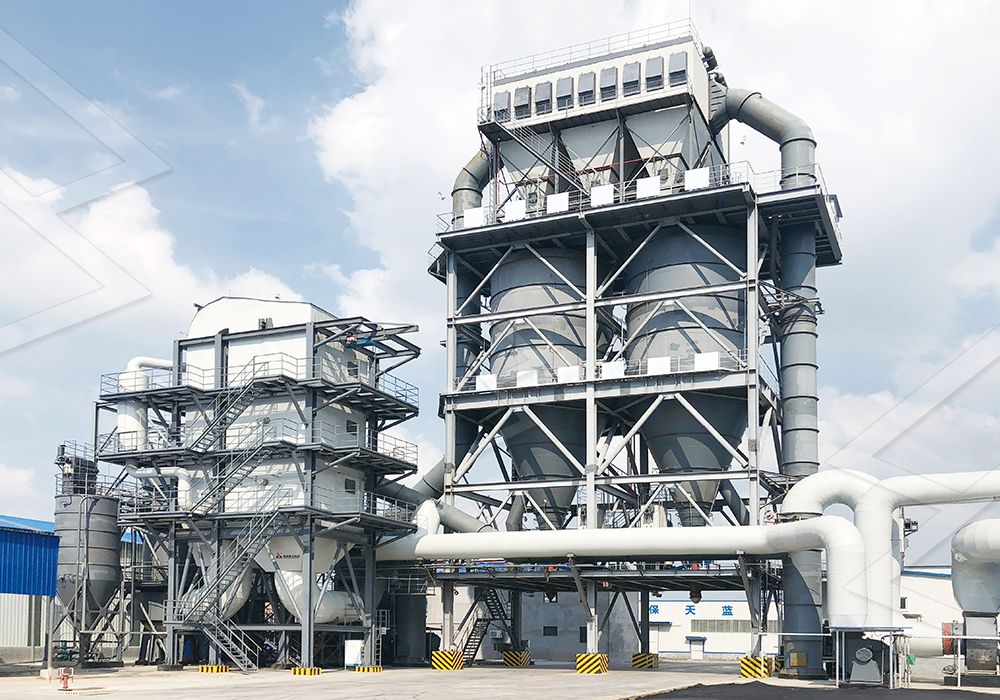
The Critical Role of Coal Particle Size in Kiln Performance
Coal particle size distribution directly influences combustion characteristics in cement kilns. Finely ground coal burns more completely and uniformly, leading to stable kiln temperatures and consistent clinker quality. Optimal coal fineness ensures complete combustion before the material reaches the calcining zone, preventing reducing conditions that can damage refractory linings and impair clinker quality. The ideal coal powder should have a narrow particle size distribution with minimal coarse particles that might escape complete combustion.
Traditional coal grinding systems often struggle to achieve the consistent fineness required for optimal kiln performance. Variations in coal hardness, moisture content, and feed rate can lead to fluctuations in product quality that directly impact kiln operation. Modern grinding technologies address these challenges through advanced control systems and optimized grinding mechanics.
Revolutionizing Coal Preparation with Advanced Grinding Technology
Among the innovative solutions transforming coal preparation for cement kilns, the MW Ultrafine Grinding Mill stands out for its exceptional performance characteristics. This advanced grinding system represents a significant leap forward in processing technology specifically designed for fuel optimization applications.
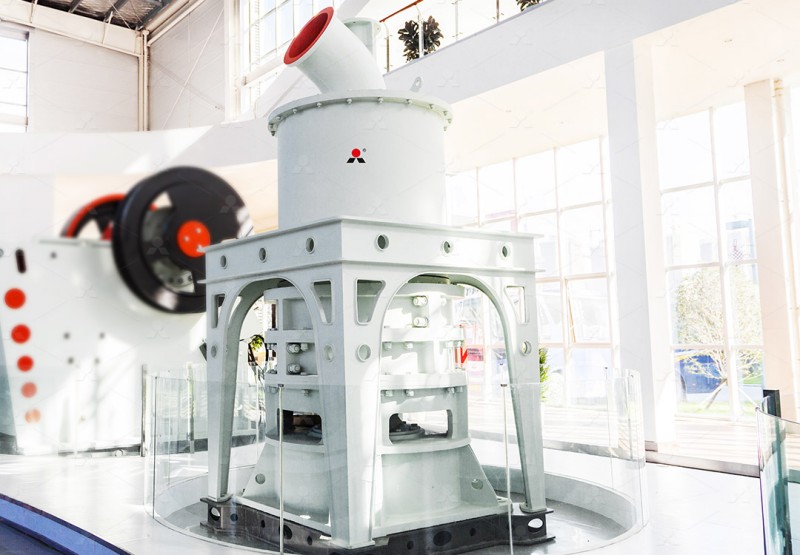
The MW Ultrafine Grinding Mill operates with an input size of 0-20 mm and delivers capacities ranging from 0.5 to 25 tph, making it suitable for various cement production scales. What truly distinguishes this equipment is its innovative design that addresses common challenges in coal preparation:
- Higher Yielding with Lower Energy Consumption: Newly designed grinding curves of the grinding roller and ring enhance efficiency significantly. With the same fineness and power input, production capacity increases by 40% compared to jet grinding mills and stirred grinding mills, while delivering twice the output of traditional ball grinding mills. Remarkably, system energy consumption is reduced to just 30% of jet grinding mill requirements.
- Precision Fineness Control: The cage-type powder selector, incorporating German technology, enables precise adjustment between 325-2500 meshes. This flexibility allows cement producers to optimize coal fineness specifically for their kiln conditions and coal characteristics.
- Enhanced Reliability: The absence of rolling bearings and screws in the grinding chamber eliminates common failure points. This design prevents damage to bearing and sealing components while avoiding machine damage caused by loose screws. External lubrication capability enables continuous 24-hour operation without shutdowns for maintenance.
- Environmental Compliance: Integrated efficient pulse dust collection and noise reduction systems ensure operations meet stringent environmental standards, a critical consideration for cement manufacturers facing increasing regulatory pressure.
Operational Benefits for Cement Production
The transition to advanced grinding technology like the MW Ultrafine Grinding Mill delivers measurable benefits throughout the cement manufacturing process. Consistent coal fineness translates to stable flame characteristics in the kiln, promoting uniform heat distribution and reducing thermal shocks to refractory materials. This stability extends refractory life and reduces maintenance downtime.
From a combustion perspective, optimized coal preparation improves burnout rates, reducing unburned carbon in ash and minimizing CO emissions. The ability to precisely control particle size distribution means cement producers can fine-tune combustion characteristics to match specific kiln conditions and coal types, whether using bituminous coal, sub-bituminous varieties, or petroleum coke blends.
Economic and Environmental Considerations
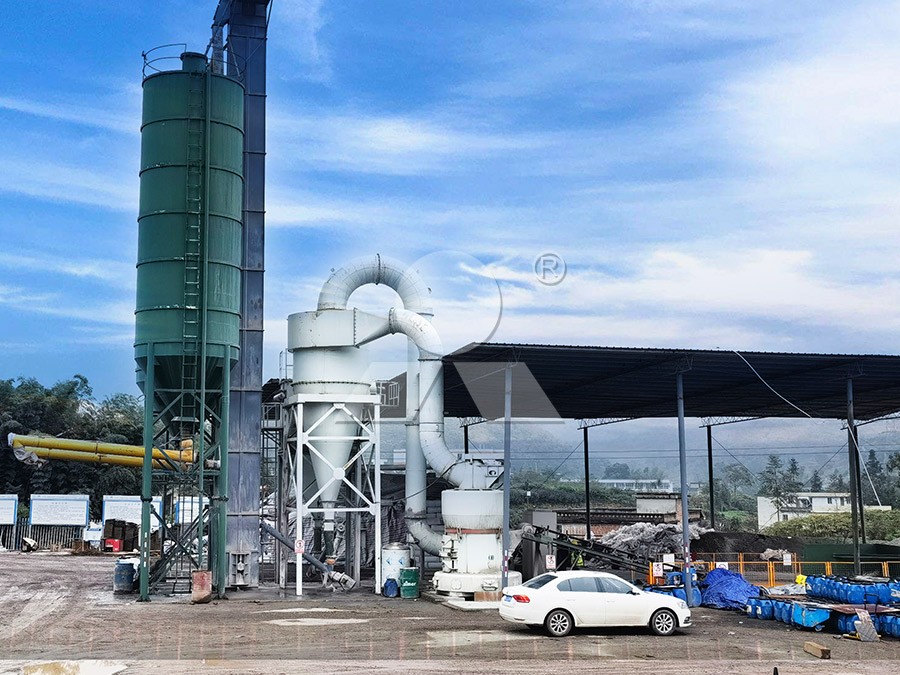
The economic argument for investing in advanced coal preparation technology extends beyond simple energy savings. The MW Ultrafine Grinding Mill’s higher efficiency directly reduces power consumption per ton of coal processed, while its reliability minimizes production interruptions. The system’s ability to handle variations in coal quality without compromising output provides additional operational flexibility, allowing cement producers to optimize fuel procurement costs.
Environmental benefits are equally compelling. Complete combustion of properly prepared coal reduces greenhouse gas emissions and minimizes the formation of nitrogen oxides. The integrated dust collection system contains particulate matter effectively, while noise reduction features address community concerns around industrial operations.
Implementation Strategy
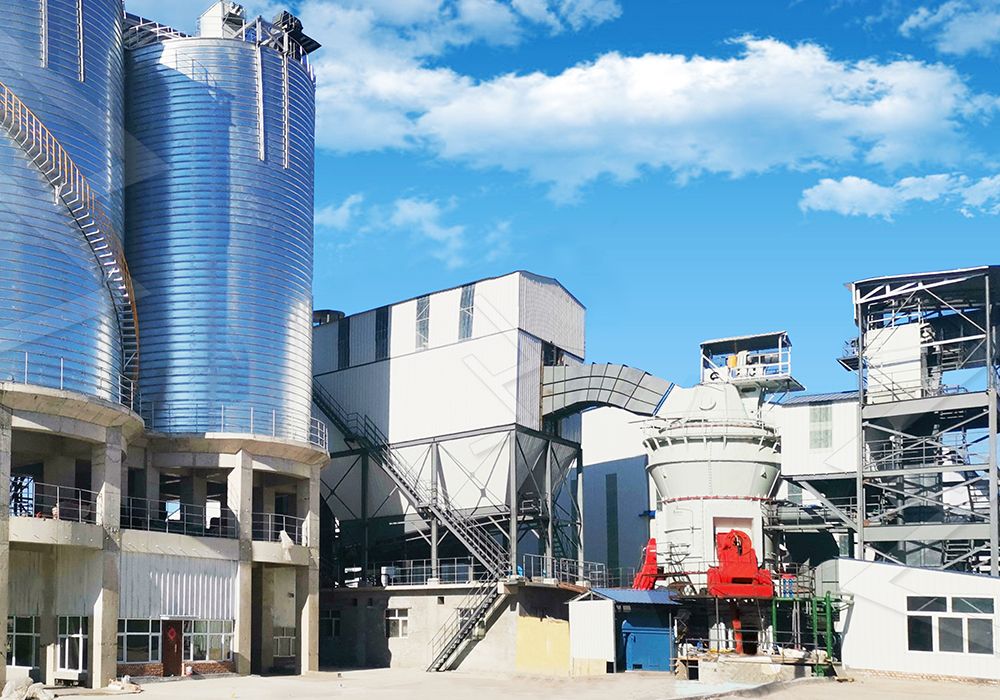
Successful implementation of advanced coal grinding technology requires careful planning and integration with existing kiln systems. The modular design of modern grinding mills facilitates retrofitting into existing plants with minimal disruption to production. Digital control systems enable seamless integration with plant automation, allowing real-time adjustment of grinding parameters based on kiln conditions.
For new installations, the compact footprint of equipment like the MW Ultrafine Grinding Mill reduces space requirements compared to traditional ball mill systems. The vertical design and integrated components further simplify installation and reduce civil works costs.
Future Outlook
As the cement industry continues its journey toward decarbonization, optimized coal combustion remains a critical transitional strategy. Advanced preparation technologies will play an increasingly important role in maximizing efficiency while alternative fuels and carbon capture systems develop. The flexibility of modern grinding systems to process various materials positions them as valuable assets in the evolving cement production landscape.
The integration of digital monitoring and predictive maintenance capabilities further enhances the value proposition of advanced grinding technology. Real-time performance analytics enable proactive maintenance scheduling and continuous optimization of grinding parameters based on actual operating conditions.
Conclusion
Cement kiln fuel optimization through advanced coal preparation represents a significant opportunity for producers seeking to improve operational efficiency, reduce environmental impact, and enhance product quality. Technologies like the MW Ultrafine Grinding Mill deliver the precision, reliability, and efficiency needed to maximize the value of coal as a kiln fuel while supporting sustainability objectives. As pressure on the cement industry intensifies, investments in optimized fuel preparation systems will yield substantial returns through reduced operating costs, improved reliability, and enhanced environmental performance.
Frequently Asked Questions
What is the optimal fineness for coal used in cement kilns?
The ideal fineness typically ranges between 10-15% residue on 90 micron sieve, though this can vary based on coal type and kiln design. Advanced grinding systems allow precise adjustment to find the optimal balance between grinding energy and combustion efficiency.
How does coal fineness affect kiln operation?
Proper coal fineness ensures complete combustion, stable flame characteristics, uniform heat distribution, and reduced emissions. Inadequate fineness can lead to unburned carbon, reducing conditions in the kiln, and increased refractory wear.
What maintenance requirements should we expect with advanced grinding systems?
Modern systems like the MW Ultrafine Grinding Mill are designed for minimal maintenance. Key wear parts are easily accessible, and the absence of internal bearings and screws reduces failure points. Regular inspection of grinding elements and periodic lubrication are the primary maintenance activities.
Can the same grinding system handle different types of coal?
Yes, advanced grinding systems can process various coal types, including bituminous, sub-bituminous, and petroleum coke blends. Adjustable parameters allow optimization for different material characteristics.
How significant are the energy savings with modern grinding technology?
Energy consumption reductions of 30-50% are achievable compared to traditional ball mill systems. The exact savings depend on the specific application and coal characteristics.
What safety features are incorporated into modern coal grinding systems?
Comprehensive safety systems include explosion vents, inert gas injection capability, temperature monitoring, and pressure relief systems to address the combustible nature of coal dust.
How long does installation typically take?
Retrofit installations can often be completed within 2-4 weeks, while new installations may require 8-12 weeks depending on site conditions and system complexity.
What technical support is available after installation?
Manufacturers typically provide comprehensive support including operational training, preventive maintenance programs, and readily available spare parts to ensure continuous operation.