
Advanced ore grinding mill grinding slag for road base material production in vietnam
Advanced Ore Grinding Mill: Transforming Slag into Premium Road Base Material in Vietnam
The rapid infrastructure development across Vietnam presents both a challenge and an opportunity for the construction sector. One of the key challenges is sourcing sustainable, high-performance, and cost-effective materials for road base construction. Simultaneously, the nation’s growing steel and industrial sectors generate significant volumes of slag, a by-product often requiring careful disposal. Advanced ore grinding technology now bridges this gap, offering a sophisticated solution to transform industrial slag into a superior, engineered road base material. This process not only addresses waste management concerns but also contributes to a circular economy, reducing the reliance on virgin quarried aggregates.
The Technical Imperative for Slag Processing in Road Construction
Raw slag, whether blast furnace slag (BFS) or steel slag, possesses variable physical and chemical properties that make it unsuitable for direct use in construction. It often contains unreacted lime, which can cause volumetric instability, and its particle size distribution is inconsistent. The primary goal of processing is to stabilize the material and engineer a consistent gradation that meets the stringent mechanical requirements for road base layers: high bearing capacity, excellent compaction, drainage properties, and long-term durability under dynamic loads.
This is where advanced grinding mills become indispensable. Traditional crushing methods often fail to achieve the necessary fineness and activation of the slag’s latent hydraulic properties. Modern grinding technology, however, can precisely control particle size, increase the specific surface area exponentially, and through mechanical activation, enhance the pozzolanic reactivity of the slag. The resulting powder, when compacted and potentially mixed with a small percentage of activator, forms a stable, cementitious matrix that rivals or exceeds the performance of traditional crushed stone.
Selecting the Right Grinding Technology for Slag Valorization
Not all grinding mills are created equal for this demanding application. The abrasive nature of slag, the requirement for precise particle size control, and the need for high throughput with energy efficiency are critical selection criteria. Two primary mill designs have proven exceptionally effective for this purpose: Vertical Roller Mills (VRMs) and advanced Trapezium Mills.
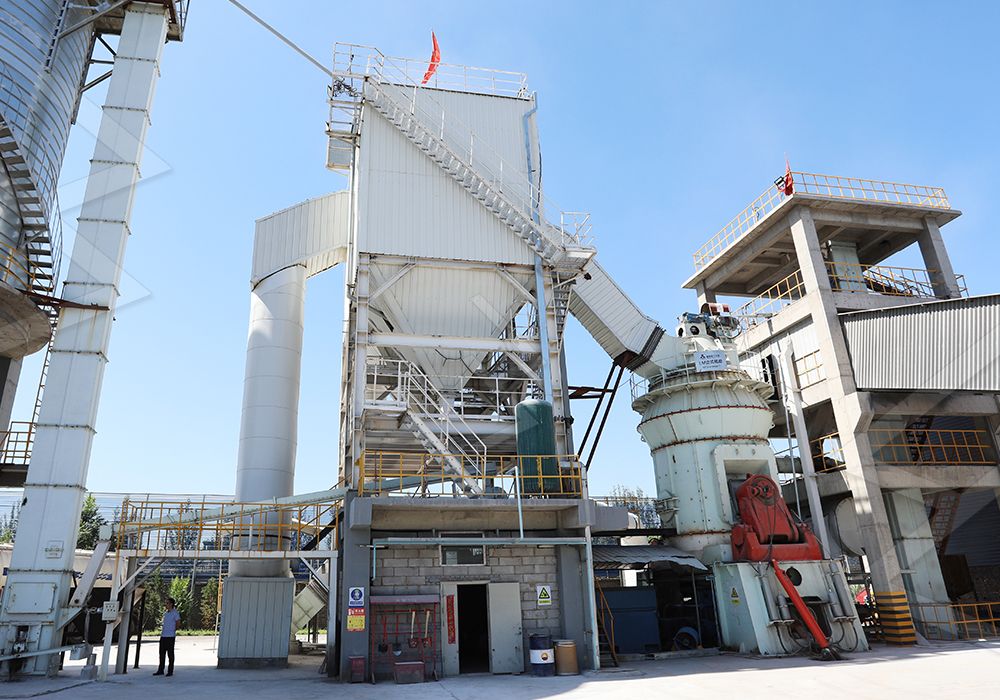
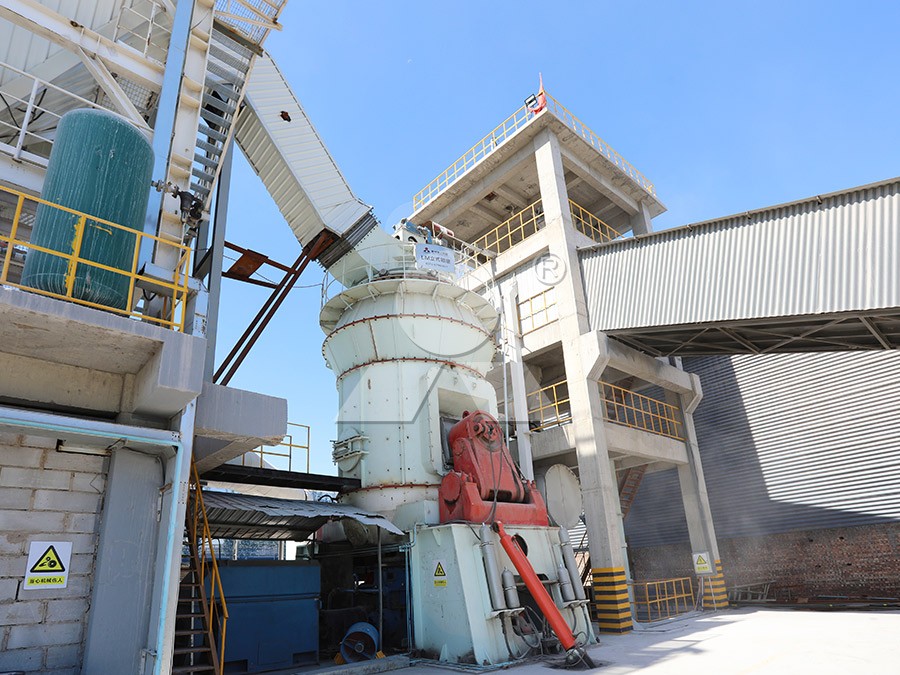
Vertical Roller Mills, like our LM Vertical Slag Mill, are specifically engineered for industrial by-products. Integrating drying, grinding, classification, and conveying into a single compact unit, the LM Vertical Slag Mill is a standout choice. Its unique grinding device focuses on slag’s characteristics, achieving a perfect integration of grinding and powder selection. With an input size of 38-65mm and a capacity ranging from 7 to 100 tons per hour, it handles industrial-scale volumes efficiently. Its vertical structure reduces the plant’s footprint by approximately 50% compared to a ball mill system, while its energy consumption is slashed by 30-40%. The mill’s ability to operate under negative pressure ensures a dust-free environment, and the high-quality wear-resistant materials in its grinding rollers and table guarantee reliable, long-term operation with minimal maintenance downtime—a crucial factor for continuous production schedules.
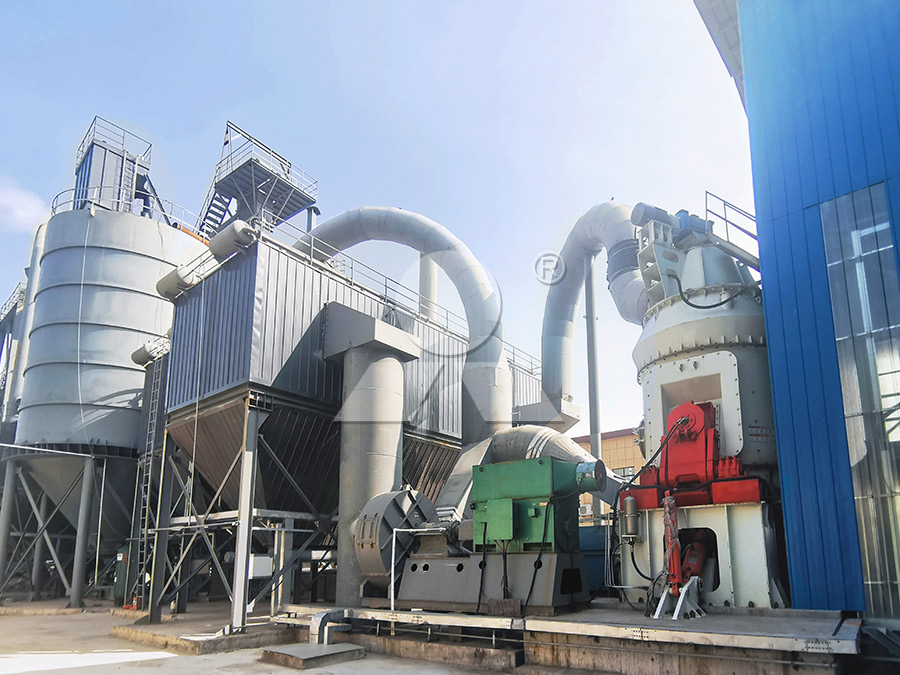
For operations requiring high efficiency and flexibility with slightly different feed characteristics, the MTW-Z European Trapezium Mill presents a formidable alternative. Its design incorporates several groundbreaking features tailored for tough materials. The grinding roller adopts a maintenance-free dilute oil lubrication system, significantly lowering operational costs and simplifying upkeep. The elimination of the traditional shovel blade cylinder increases the ventilation area, reducing air-conveying resistance and boosting grinding efficiency. Furthermore, its elastic volute damping structure is particularly valuable in industrial settings, as it effectively isolates machine vibration, ensuring stable operation and protecting ancillary equipment. The low-resistance cage-type powder concentrator provides high-efficiency classification with lower energy draw, allowing precise control over the final product’s fineness, which is essential for achieving the optimal particle size distribution for road base.
Engineering Benefits of Mill-Processed Slag Aggregate
The product emerging from these advanced mills is far from mere waste. It is a technically enhanced construction material. The controlled grinding process yields a well-graded aggregate with angular particles that interlock tightly upon compaction, creating a dense, stable layer. The increased surface area of the fine particles promotes better hydration reactions when used in stabilized bases, leading to higher early and ultimate strength. Moreover, using processed slag reduces the demand for natural aggregates, conserving resources and minimizing the environmental impact of quarrying. For Vietnam’s infrastructure projects, this translates to more durable roads, reduced material transport costs (when mills are located near slag sources), and a demonstrable commitment to sustainable construction practices.
Implementation and Economic Viability in the Vietnamese Market
The economic case for integrating advanced grinding mills into slag processing is compelling. The initial investment in technology is offset by multiple revenue streams and cost savings: the creation of a saleable product from a liability (slag), reduced landfill fees and associated environmental taxes, and lower costs for road construction projects using the locally produced material. The high efficiency and low energy consumption of mills like the LM Vertical Slag Mill or the MTW-Z European Trapezium Mill keep operational costs manageable. Furthermore, their robust design and ready availability of original spare parts from the manufacturer ensure high uptime and worry-free operation, which is critical for meeting the tight deadlines of infrastructure projects.
In conclusion, the application of advanced ore grinding mills for slag processing represents a paradigm shift in Vietnam’s construction material supply chain. It is a technically sound, economically viable, and environmentally responsible strategy. By leveraging technologies such as the purpose-built LM Vertical Slag Mill or the highly efficient MTW-Z European Trapezium Mill, Vietnamese industries can effectively close the loop on waste, contribute to the nation’s infrastructure goals, and build a more sustainable future—one road at a time.
Frequently Asked Questions (FAQs)
- What is the primary advantage of using a specialized slag mill over a standard grinding mill?
Specialized slag mills, like the LM Vertical Slag Mill, are designed with unique grinding curves and wear-resistant materials specifically for the abrasive and sometimes moist characteristics of slag. They integrate drying and grinding, handle volumetric instability issues, and are optimized for the particle size distribution needed in construction applications. - Can the fineness of the ground slag be adjusted for different road base specifications?
Yes. Advanced mills feature sophisticated powder separators (like the cage-type selector in the MTW-Z mill) that allow operators to precisely adjust the product fineness. This ensures the output can be tailored to meet specific gradation requirements for sub-base, base, or even stabilized layers. - How does processing slag in a vertical mill contribute to environmental protection?
The system operates under negative pressure, preventing dust escape. It also consumes 30-40% less energy than traditional ball mills and repurposes industrial waste, reducing quarrying, landfill use, and overall carbon footprint associated with material production and transport. - What is the typical maintenance requirement for these high-capacity grinding mills?
Designs prioritize easy maintenance. For instance, the LM Vertical Slag Mill allows grinding rollers to be turned out hydraulically for easy access. The MTW-Z mill’s dilute oil lubrication system is largely maintenance-free. Both are supported by guaranteed availability of original spare parts. - Is the final slag product stable and safe for long-term use in roads?
Absolutely. The grinding process can include stabilization, and the mechanical activation improves the material’s inherent cementitious properties. The resulting product is engineered for high load-bearing capacity, resistance to weathering, and volumetric stability, making it an excellent and durable road construction material. - What capacity range can we expect for a slag grinding operation in Vietnam?
Capacities vary by model. For example, the LM Vertical Slag Mill offers a range from 7 to 100 tons per hour, allowing selection based on the volume of slag feedstock and the demands of local construction markets. - How does the moisture content of raw slag affect the grinding process?
Integrated vertical mills like the LM series are designed to handle materials with some moisture by combining hot air drying with grinding in a single step, ensuring efficient processing without pre-drying requirements.