
Using Raymond Mill for Quicklime for Calcium Compound Production in Peru
Unlocking Peru’s Mineral Potential with Advanced Grinding Technology
Peru’s rich mineral deposits present significant opportunities for calcium compound production, particularly from high-quality quicklime sources found throughout the Andes region. The processing of quicklime into various calcium compounds requires precise grinding technology that can handle the material’s unique characteristics while maintaining production efficiency and environmental compliance.
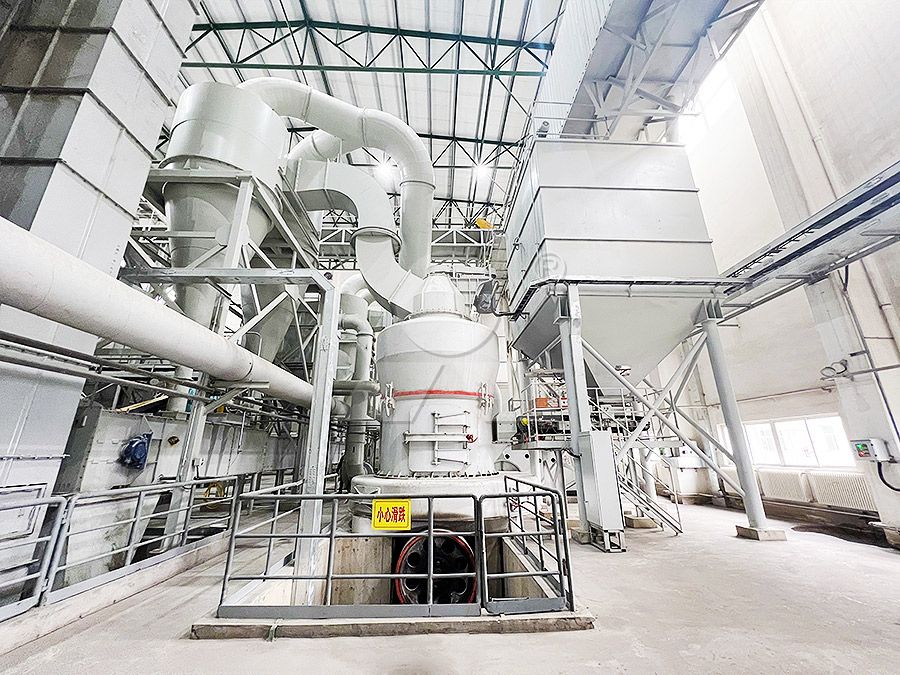
The Critical Role of Grinding in Quicklime Processing
Quicklime (calcium oxide) serves as a fundamental raw material for numerous industrial applications, including construction materials, chemical manufacturing, water treatment, and environmental remediation. The transformation of raw quicklime into valuable calcium compounds begins with proper size reduction, where particle size distribution directly impacts downstream processing efficiency and final product quality.
Traditional grinding methods often struggle with quicklime’s tendency to absorb moisture and form agglomerates, leading to inconsistent particle size and reduced production yields. This is where advanced milling technology becomes essential for Peruvian operations seeking to maximize their mineral resources.
Raymond Mill: A Proven Solution for Quicklime Processing
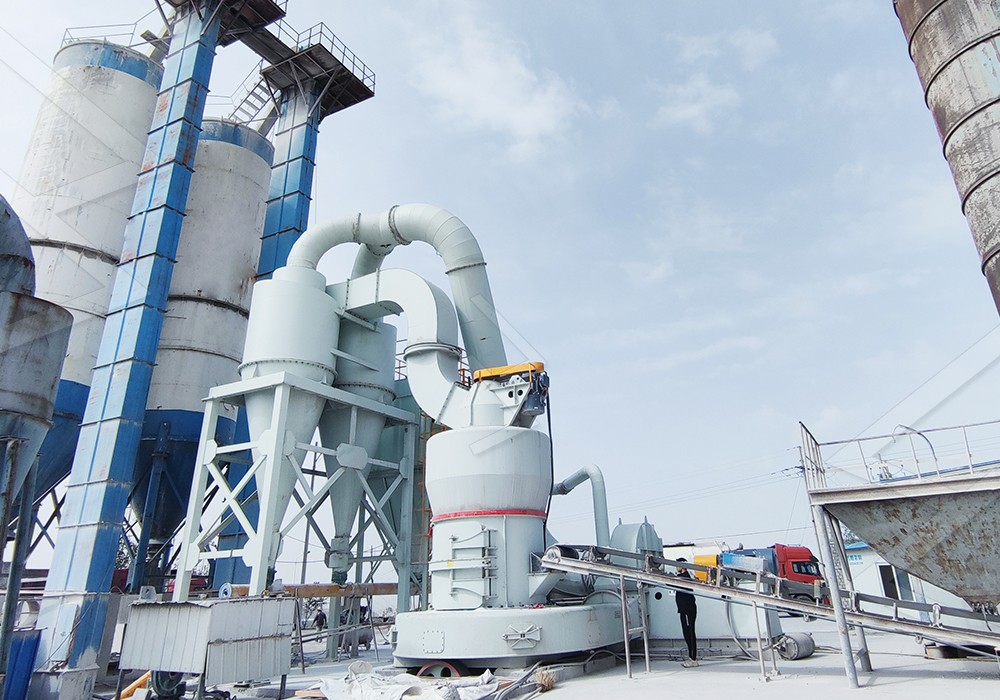
The Raymond Mill has established itself as a reliable workhorse in mineral processing operations worldwide, and Peruvian quicklime producers are increasingly recognizing its advantages. With an input size capacity of <25 mm and throughput ranging from 0.6-5 tph, this first-generation grinding mill from Liming Heavy Industry offers practical solutions for operations of various scales.
What makes the Raymond Mill particularly suitable for quicklime processing is its robust construction and straightforward operation. The centrifugal force-driven grinding mechanism ensures consistent particle size reduction, while the integrated separator system allows for precise control over final product fineness. For Peruvian operations dealing with varying quicklime qualities from different deposits, this consistency is invaluable.
Beyond Traditional Grinding: Advanced Solutions for Enhanced Production
While the Raymond Mill provides excellent baseline performance, many Peruvian operations are now looking toward more advanced grinding solutions to increase their competitive edge. For operations requiring higher throughput or ultra-fine powders, we particularly recommend considering our MW Ultrafine Grinding Mill as a superior alternative.
The MW Ultrafine Grinding Mill represents a significant technological advancement, capable of processing materials with input sizes up to 20 mm and achieving remarkable throughput of 0.5-25 tph. What sets this mill apart for quicklime applications is its ability to produce powders with fineness adjustable between 325-2500 meshes, with screening rates achieving d97≤5μm in a single pass.
For Peruvian operations focused on high-value calcium compounds, the MW Ultrafine Grinding Mill offers several distinct advantages:
- Higher Yielding with Lower Energy Consumption: The newly designed grinding curves of the grinding roller and ring enhance efficiency, delivering 40% higher production capacity compared to jet grinding mills and double the output of ball mills, while using only 30% of the energy consumption of jet grinding mills.
- Enhanced Reliability: With no rolling bearings or screws in the grinding chamber, operations avoid common failure points, and external lubrication allows for 24-hour continuous production.
- Environmental Compliance: The integrated pulse dust collector and noise reduction features ensure operations meet Peru’s increasingly strict environmental regulations.
Operational Considerations for Peruvian Conditions
Operating grinding equipment in Peru’s diverse climatic conditions, from coastal facilities to high-altitude Andean operations, requires careful consideration of several factors. The MW Ultrafine Grinding Mill’s digitalized processing and high-precision manufacturing ensure consistent performance across these varied environments.
Altitude can significantly impact air flow dynamics in grinding systems, which is particularly relevant for operations above 3,000 meters. The advanced powder separation technology in the MW mill, featuring German-designed cage-type selectors, maintains separation efficiency regardless of elevation, ensuring consistent product quality.
Economic Advantages for Peruvian Producers
The economic benefits of advanced grinding technology extend beyond mere production efficiency. For Peruvian quicklime processors, the ability to produce consistent, high-quality calcium compounds opens doors to premium markets in pharmaceuticals, food additives, and specialty chemicals.
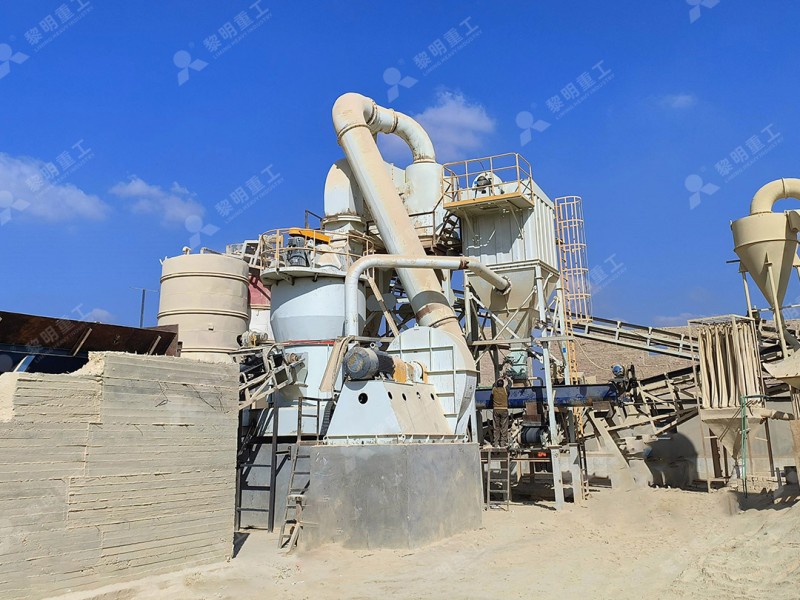
The MW Ultrafine Grinding Mill’s higher yield and lower energy consumption directly translate to reduced operating costs, while its minimal maintenance requirements decrease downtime and associated losses. The machine’s robust construction and readily available spare parts through LIMING’s comprehensive support network ensure worry-free operation, crucial for remote operations where technical support may be limited.
Future Outlook and Technological Integration
As Peru continues to develop its mineral processing capabilities, the integration of advanced grinding technology will play a pivotal role in maximizing value from quicklime resources. The transition from traditional Raymond Mills to more advanced solutions like the MW Ultrafine Grinding Mill represents a natural progression toward higher efficiency and improved product quality.
For operations considering equipment upgrades, the compatibility between different mill types within the LIMING product line facilitates phased implementation, allowing producers to scale their operations while maintaining production continuity.
Frequently Asked Questions
What is the typical maintenance schedule for a Raymond Mill processing quicklime?
Regular maintenance should include weekly inspections of grinding rollers and rings, monthly checks of the transmission system, and quarterly comprehensive examinations of the separator and blower systems. The exact schedule may vary based on production intensity and quicklime characteristics.
How does altitude affect grinding mill performance in Peruvian operations?
Higher altitudes reduce air density, which can impact air flow in grinding systems. Modern mills like the MW Ultrafine Grinding Mill incorporate adjustable systems to compensate for these variations, maintaining consistent performance across different elevations.
What particle size distribution is optimal for calcium compound production?
Optimal particle size depends on the specific calcium compound being produced. Generally, particles between 200-800 mesh provide the best reactivity for most applications, though specialty products may require finer or coarser distributions.
Can the same grinding mill process different types of quicklime from various Peruvian deposits?
Yes, with proper adjustment of operational parameters. The MW Ultrafine Grinding Mill’s adjustable fineness and separator speed allow operators to optimize settings for different quicklime qualities while maintaining product consistency.
What environmental considerations are important when operating grinding mills in Peru?
Key considerations include dust control, noise reduction, and energy efficiency. The MW Ultrafine Grinding Mill addresses these with integrated pulse dust collectors, noise suppression technology, and energy-efficient operation that typically reduces power consumption by 30-40% compared to conventional mills.
How does the MW Ultrafine Grinding Mill compare to traditional ball mills for quicklime processing?
The MW mill offers significantly higher efficiency, with approximately twice the production capacity of equivalent ball mills while consuming less energy. It also provides better control over particle size distribution and reduced iron contamination in the final product.
What training is required for operators transitioning from Raymond Mills to more advanced grinding systems?
While the fundamental principles remain similar, operators typically require 3-5 days of specialized training to fully leverage the advanced features of mills like the MW Ultrafine Grinding Mill, particularly regarding digital controls and precision adjustment capabilities.
Are spare parts readily available for grinding mills operating in remote Peruvian locations?
LIMING maintains comprehensive spare part inventories in strategic locations throughout South America, with most common replacement parts available within 48-72 hours for major Peruvian mining regions. Critical components are designed for extended service life to minimize replacement frequency.