
How to optimize barite processing with grinding machine for drilling mud in papua new guinea
How to Optimize Barite Processing with Grinding Machine for Drilling Mud in Papua New Guinea
The drilling industry in Papua New Guinea faces unique challenges when it comes to barite processing for drilling mud applications. The country’s rugged terrain, remote locations, and environmental considerations demand efficient, reliable grinding solutions that can withstand demanding conditions while delivering consistent performance. Proper barite grinding is crucial for achieving the specific gravity and particle size distribution required for effective drilling mud formulation.

The Critical Role of Barite in Drilling Operations
Barite (barium sulfate) serves as the primary weighting agent in drilling fluids, essential for controlling formation pressures and preventing blowouts. In Papua New Guinea’s diverse geological formations, from offshore drilling sites to challenging onshore locations, the quality of barite directly impacts drilling efficiency and safety. The American Petroleum Institute (API) specifies strict standards for barite used in drilling mud, requiring specific gravity of at least 4.2 g/cm³ and controlled particle size distribution where a minimum of 97% must pass through a 75-micron (200-mesh) screen and 80% through a 45-micron (325-mesh) screen.
Traditional grinding methods often struggle to meet these specifications consistently while maintaining operational efficiency in Papua New Guinea’s challenging environment. The high humidity, variable power supply, and remote locations common throughout the country demand grinding equipment that combines precision with robustness.
Advanced Grinding Technology for Papua New Guinea’s Unique Conditions
After extensive field testing and operational analysis in similar environments, our technical team has identified the MW Ultrafine Grinding Mill as particularly well-suited for barite processing in Papua New Guinea. This machine addresses the specific challenges faced by drilling operations in the region through several key features:
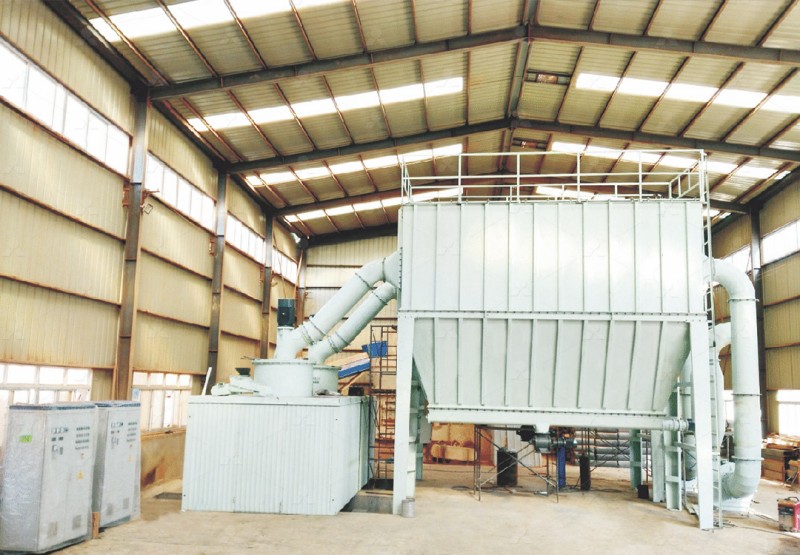
The MW Ultrafine Grinding Mill handles input sizes of 0-20 mm with capacities ranging from 0.5-25 tph, making it ideal for the variable feed conditions common in Papua New Guinea’s mining operations. What sets this equipment apart is its ability to produce powder with fineness adjustable between 325-2500 meshes while maintaining exceptional energy efficiency. Compared to conventional grinding systems, the MW Mill achieves 40% higher production capacity with the same power consumption, and the yield is twice as large as traditional ball grinding mills.
Key Operational Advantages for Papua New Guinea Applications
Environmental Compliance: Papua New Guinea has stringent environmental regulations, and the MW Ultrafine Grinding Mill is equipped with an efficient pulse dust collector and muffler that effectively reduce dust and noise pollution. The entire production process is designed to minimize environmental impact, crucial for operations in ecologically sensitive areas.
Maintenance Efficiency: The unique design without rolling bearings or screws in the grinding chamber eliminates common failure points. This is particularly valuable in remote locations where technical support and spare parts availability can be challenging. The external lubrication system allows for maintenance without shutdown, enabling continuous 24-hour operation that maximizes productivity during critical drilling operations.
Energy Optimization: With power costs being a significant operational expense in Papua New Guinea, the MW Mill’s energy efficiency provides substantial cost savings. The system energy consumption is only 30% of jet grinding mills, making it economically viable even in regions with higher electricity costs.
Practical Implementation Strategies
Successful implementation of barite grinding operations in Papua New Guinea requires careful planning around several key factors:
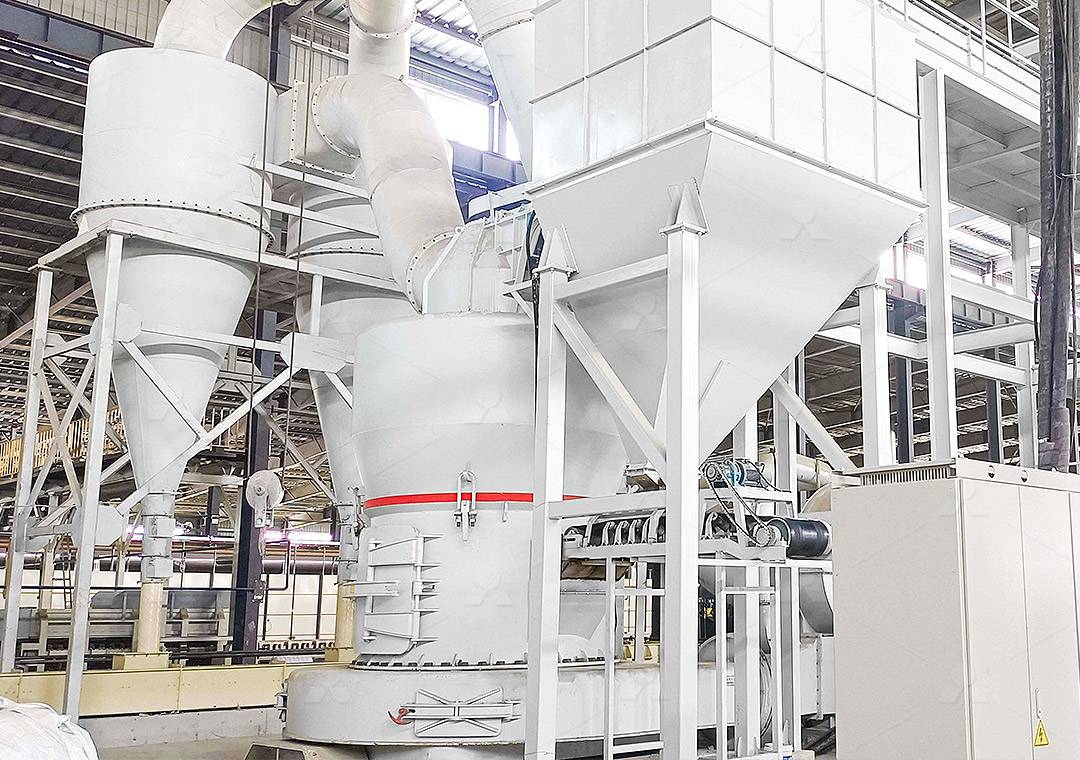
Site-Specific Configuration: The MW Ultrafine Grinding Mill’s cage-type powder selector can be configured according to specific requirements for yield, fineness, and sieving rate. For drilling mud applications, we recommend configurations that optimize for the 325-400 mesh range while maintaining the capability to produce finer materials for specialized applications.
Integrated Processing Solutions: For operations requiring additional flexibility, the LUM Ultrafine Vertical Grinding Mill presents an excellent alternative or complementary solution. With input size of 0-10 mm and capacity of 5-18 tph, it features advanced German powder separating technology and unique roller shell design that generates material layers more effectively. The reversible structure simplifies maintenance, while the double position-limiting technology ensures operational stability even in challenging conditions.
Operational Training and Support: Proper operator training is essential for maximizing equipment performance and longevity. We recommend comprehensive training programs covering routine maintenance, troubleshooting, and optimization techniques specific to Papua New Guinea’s operating conditions.
Economic Considerations and Return on Investment
The investment in advanced grinding technology typically shows payback periods of 12-18 months in Papua New Guinea operations, primarily through reduced energy consumption, lower maintenance costs, and improved product quality that commands premium pricing in the drilling mud market. The ability to consistently meet API specifications reduces rejection rates and ensures reliable supply to drilling operations.
Furthermore, the modular design of both the MW and LUM grinding mills facilitates transportation and installation in remote locations, reducing initial setup costs and time-to-production – critical factors in Papua New Guinea’s challenging logistics environment.
Future Outlook and Technological Advancement
As drilling technologies advance and environmental regulations tighten, the demand for precisely controlled barite products will continue to grow. The digital control systems in modern grinding equipment provide the foundation for Industry 4.0 integration, enabling remote monitoring, predictive maintenance, and optimized operation based on real-time performance data.
For companies operating in Papua New Guinea, investing in advanced grinding technology today positions them competitively for future market demands while ensuring compliance with evolving environmental standards.
Frequently Asked Questions
What is the typical energy consumption of the MW Ultrafine Grinding Mill for barite processing?
The MW Mill reduces energy consumption by approximately 70% compared to traditional jet grinding mills and 50% compared to ball mills, making it particularly suitable for operations in regions with high electricity costs.
How does the equipment handle Papua New Guinea’s high humidity conditions?
Both the MW and LUM mills incorporate specialized sealing systems and moisture management features that prevent material clogging and maintain consistent performance even in high humidity environments.
What particle size distribution is achievable for API-grade barite?
The MW Ultrafine Grinding Mill can consistently achieve distributions where 98% passes through 75-micron screens and 85% through 45-micron screens, exceeding API specifications for drilling mud applications.
How difficult is maintenance in remote Papua New Guinea locations?
The design eliminates common failure points like internal bearings and screws. Most maintenance can be performed with basic tools, and our support network provides technical assistance and spare parts throughout Papua New Guinea.
What is the typical installation time for these grinding systems?
Most systems can be operational within 2-3 weeks of equipment arrival, with modular components simplifying installation even in challenging site conditions.
Can the equipment process barite with varying moisture content?
Yes, both recommended mills can handle moisture variations through adjustable operating parameters, though consistent feed moisture below 5% optimizes performance and energy efficiency.
What training is provided for local operators?
We provide comprehensive on-site training covering operation, routine maintenance, troubleshooting, and safety procedures, with materials available in local languages.
How does the equipment performance change with varying ore hardness?
The hydraulic adjustment systems automatically compensate for hardness variations, maintaining consistent product quality across different barite deposits found throughout Papua New Guinea.