
Using grinding mill for quicklime for steel flux in algeria
Using Grinding Mill for Quicklime for Steel Flux in Algeria
The Algerian steel industry represents a cornerstone of the nation’s industrial development, with growing demands for high-quality steel products across construction, automotive, and manufacturing sectors. At the heart of steel production lies the critical process of flux preparation, where quicklime (calcium oxide) plays an indispensable role in removing impurities during smelting. The efficiency of this process depends significantly on the quality and fineness of the quicklime powder, making the selection of appropriate grinding technology a paramount consideration for steel manufacturers.
The Critical Role of Quicklime in Steel Production
Quicklime serves as a fundamental fluxing agent in steel manufacturing, facilitating the removal of silica, phosphorus, sulfur, and other impurities through the formation of slag. The effectiveness of this purification process is directly influenced by the physical and chemical properties of the quicklime powder, particularly its fineness, purity, and reactivity. Properly ground quicklime with optimal particle size distribution ensures faster reaction kinetics, improved slag fluidity, and enhanced desulfurization efficiency, ultimately leading to higher quality steel with reduced energy consumption.
In the Algerian context, where steel producers face increasing pressure to improve efficiency and meet international quality standards, the traditional methods of quicklime preparation have proven inadequate. Conventional ball mills and Raymond mills often struggle to achieve the precise particle size control required for modern steelmaking processes, resulting in inconsistent flux performance and suboptimal impurity removal.
Technical Challenges in Quicklime Grinding for Steel Applications
Grinding quicklime for steel flux applications presents several unique challenges that demand specialized milling solutions. The hygroscopic nature of quicklime requires grinding systems with effective moisture control to prevent hydration during processing. Additionally, the abrasive characteristics of limestone-derived quicklime necessitate wear-resistant grinding components to maintain consistent performance and reduce maintenance downtime.
Perhaps most critically, steel production requires quicklime with specific particle size distributions typically ranging between 200 and 400 mesh, with strict control over oversized particles that can impede the steelmaking process. Achieving this precise fineness while maintaining high throughput and energy efficiency represents a significant technical hurdle that conventional grinding equipment often fails to overcome.

Advanced Grinding Solutions for Algerian Steel Producers
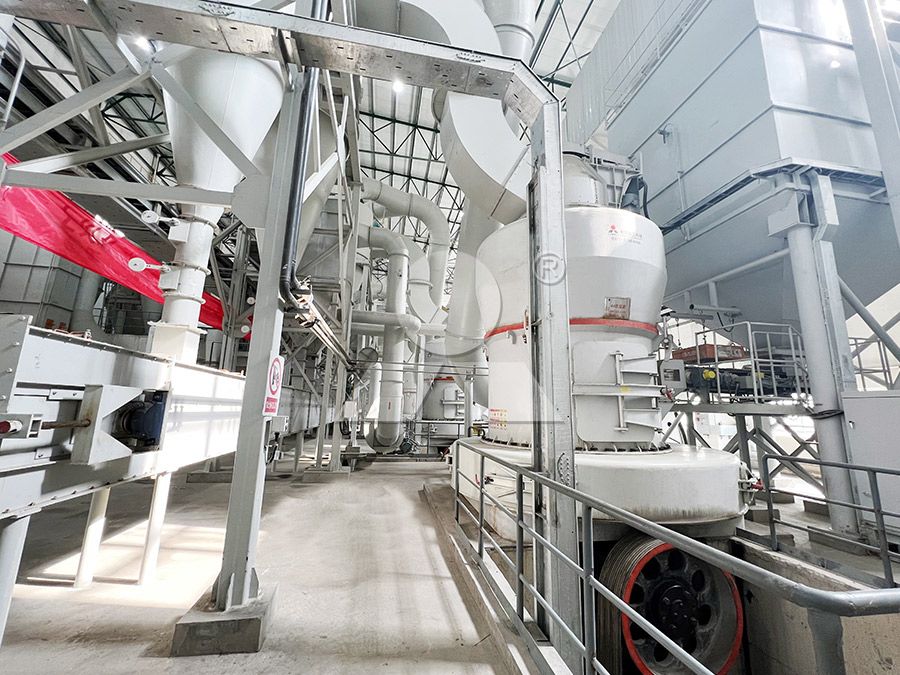
For Algerian steel manufacturers seeking to optimize their flux preparation processes, our MW Ultrafine Grinding Mill presents an ideal solution specifically engineered to address the challenges of quicklime processing. With an input size capability of 0-20 mm and capacity ranging from 0.5 to 25 tph, this advanced grinding system delivers the precise particle size control essential for effective steel flux applications.
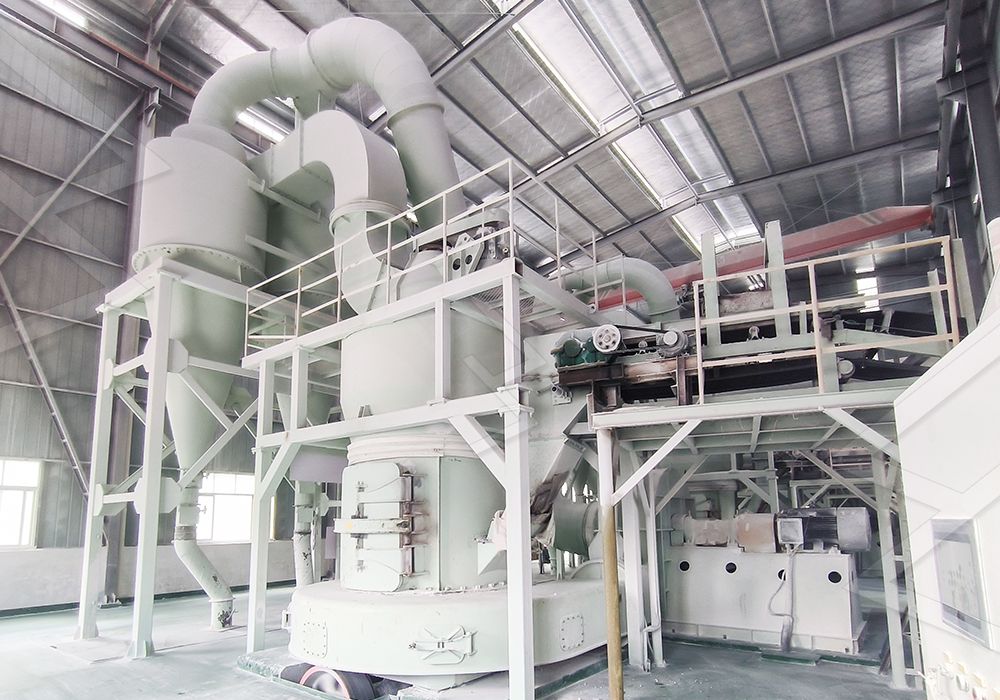
The MW Ultrafine Grinding Mill incorporates several technological innovations that make it particularly suitable for quicklime processing in steel plants. Its newly designed grinding curves of grinding roller and grinding ring enhance grinding efficiency significantly, achieving production capacity 40% higher than jet grinding mills and twice that of ball grinding mills, while reducing system energy consumption to just 30% of jet grinding mill requirements.
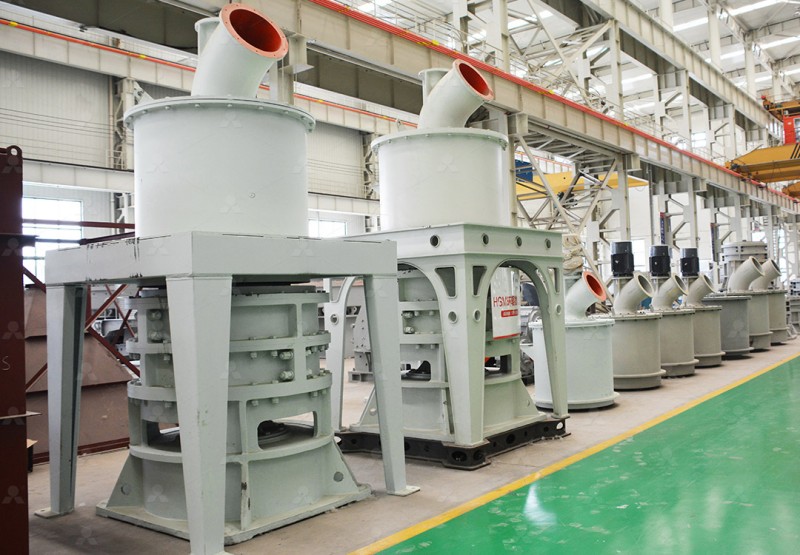
For steel applications requiring specific fineness parameters, the MW Ultrafine Grinding Mill offers adjustable fineness between 325-2500 meshes through its German-technology cage-type powder selector. This precision control ensures Algerian steel producers can consistently achieve the exact particle size distribution needed for optimal flux performance in their specific steelmaking processes.
Operational Advantages in Industrial Environments
The practical benefits of the MW Ultrafine Grinding Mill extend beyond its technical specifications to address the real-world operational challenges faced by Algerian industrial plants. The mill’s unique design eliminates rolling bearings and screws in the grinding chamber, eliminating concerns about bearing damage or machine failure caused by loose screws – a common problem in traditional grinding systems exposed to the vibration-intensive environments of steel plants.
Furthermore, the external lubrication system enables maintenance without shutdown, allowing continuous 24-hour operation that aligns with the non-stop nature of modern steel production. This feature is particularly valuable for Algerian steel manufacturers who cannot afford production interruptions during critical smelting operations.
Environmental Compliance and Sustainability
Algeria’s evolving environmental regulations necessitate industrial equipment that minimizes ecological impact while maintaining production efficiency. The MW Ultrafine Grinding Mill addresses these concerns through its integrated pulse dust collector system, which ensures no dust pollution during operation. Combined with silencer and noise elimination technology, the system operates well within national environmental protection standards, making it suitable for installation in regions with strict emissions controls.
The energy efficiency of the MW Ultrafine Grinding Mill further supports sustainability initiatives within the Algerian steel industry. By reducing energy consumption by up to 70% compared to conventional jet grinding mills, the system not only lowers operational costs but also contributes to reduced carbon emissions – an increasingly important consideration for Algerian manufacturers seeking to align with global environmental standards.
Implementation Considerations for Algerian Steel Plants
Successful integration of advanced grinding technology requires careful consideration of local conditions and production requirements. For Algerian steel producers, the modular design of the MW Ultrafine Grinding Mill facilitates installation in both new facilities and existing plants undergoing modernization. The system’s compact footprint minimizes space requirements, while its digital control systems enable seamless integration with existing process automation infrastructure.
Technical support and spare parts availability represent critical factors for equipment selection in Algeria’s industrial sector. Our company addresses these concerns through comprehensive after-sales support, including original spare parts supply and local technical services to ensure worry-free operation and minimal downtime.
Economic Impact and Return on Investment
The transition to advanced grinding technology delivers substantial economic benefits for Algerian steel producers. Beyond the obvious advantages of reduced energy consumption and lower maintenance requirements, the improved quality of ground quicklime translates to tangible improvements in steel production efficiency. More effective flux performance reduces lime consumption rates, shortens processing times, and improves steel quality – all contributing to enhanced profitability in competitive markets.
For medium to large-scale Algerian steel plants, the return on investment for the MW Ultrafine Grinding Mill typically ranges between 12-24 months, depending on production volume and specific application requirements. The system’s durability and reliability further extend its economic value, with many installations operating efficiently for decades with proper maintenance.
Future Outlook and Technological Evolution
As Algeria continues to develop its industrial base and steel production capabilities, the demand for advanced processing equipment like the MW Ultrafine Grinding Mill is expected to grow. The integration of Industry 4.0 technologies, including remote monitoring, predictive maintenance, and AI-driven optimization, represents the next frontier in grinding technology evolution.
Our company remains committed to innovation in this sector, continuously refining our grinding solutions to meet the evolving needs of Algerian industry. The digital processing capabilities already incorporated into the MW Ultrafine Grinding Mill provide a foundation for future smart manufacturing applications, ensuring our equipment remains at the forefront of industrial technology.
Conclusion
The selection of appropriate grinding technology for quicklime preparation represents a critical decision for Algerian steel producers seeking to enhance product quality, reduce operational costs, and maintain environmental compliance. The MW Ultrafine Grinding Mill offers a comprehensive solution that addresses the technical, operational, and economic challenges specific to steel flux applications in the Algerian context.
With its superior efficiency, precise particle size control, robust construction, and environmental compatibility, this advanced grinding system provides Algerian steel manufacturers with a competitive advantage in both domestic and international markets. As the nation’s industrial sector continues to evolve, investments in such technologies will play a crucial role in sustaining growth and maintaining global competitiveness.
Frequently Asked Questions
What makes the MW Ultrafine Grinding Mill particularly suitable for quicklime processing in steel applications?
The MW Ultrafine Grinding Mill offers precise particle size control between 325-2500 meshes, which is essential for effective flux performance in steelmaking. Its high efficiency and energy-saving features reduce operational costs, while the absence of rolling bearings in the grinding chamber minimizes maintenance requirements in demanding industrial environments.
How does the fineness of ground quicklime affect steel quality?
Finer quicklime particles increase the surface area available for chemical reactions during steel production, leading to more efficient impurity removal, better slag formation, and improved desulfurization. Properly ground quicklime with controlled particle size distribution ensures consistent flux performance and higher quality steel output.
What is the typical installation timeframe for the MW Ultrafine Grinding Mill in an existing steel plant?
Installation typically requires 2-4 weeks, depending on site conditions and preparation. The modular design facilitates integration with existing infrastructure, and our technical team provides comprehensive support throughout the installation and commissioning process.
How does the energy consumption of the MW Ultrafine Grinding Mill compare to traditional ball mills?
The MW Ultrafine Grinding Mill reduces energy consumption by approximately 30-40% compared to traditional ball mills while achieving higher production capacity and superior particle size control. This significant efficiency improvement translates to substantial cost savings over the equipment’s operational lifespan.
What maintenance procedures are required for optimal performance?
Routine maintenance includes inspection of grinding rollers and rings, checking the lubrication system, and monitoring wear parts. The external lubrication design allows for maintenance without shutdown, and our digital monitoring systems provide early warning of potential issues before they affect performance.
Can the MW Ultrafine Grinding Mill handle variations in quicklime quality from different sources?
Yes, the mill’s adjustable parameters including grinding pressure, rotational speed, and classifier settings can be optimized to accommodate variations in raw material characteristics. This flexibility ensures consistent output quality even with fluctuations in feed material properties.
What environmental benefits does this grinding system offer?
The integrated pulse dust collector ensures virtually dust-free operation, while the noise reduction technology maintains sound levels within regulatory limits. The system’s high energy efficiency also contributes to reduced carbon emissions compared to conventional grinding equipment.
Is technical training provided for operational staff?
Comprehensive training programs are available for both operational and maintenance personnel, covering normal operation, troubleshooting, and routine maintenance procedures. Training can be conducted on-site or at our technical centers, depending on customer preference.
What is the expected service life of the grinding components?
With proper maintenance, the key grinding components typically last between 2,000-3,000 operating hours before requiring replacement, though this can vary based on material abrasiveness and operating conditions. High-wear parts are designed for easy replacement to minimize downtime.