
Industrial pulverizer price & cost analysis for phosphate for detergent production in ghana
Industrial Pulverizer Price & Cost Analysis for Phosphate in Detergent Production in Ghana
The detergent manufacturing industry in Ghana represents a significant sector within the country’s growing chemical processing landscape. A critical component in the production line is the efficient pulverization of raw phosphate rock into the fine powder required for detergent formulations. This analysis delves into the key cost factors, operational considerations, and equipment selection criteria for phosphate grinding in the Ghanaian market, providing a comprehensive guide for manufacturers seeking to optimize their production costs and output quality.
The Importance of Phosphate Grinding in Detergent Manufacturing
Phosphate serves as a crucial builder in detergent powders, enhancing cleaning efficiency by softening water and suspending dirt particles. The effectiveness of phosphate in the final product is heavily dependent on its particle size and purity. Insufficient grinding can lead to coarse particles that reduce detergent solubility and cleaning performance, while inconsistent fineness can cause production line issues and inferior product quality. For Ghanaian manufacturers competing in both domestic and regional markets, achieving the optimal grind is not merely a technical requirement but a significant competitive advantage.

Key Cost Factors in Phosphate Pulverization
When evaluating pulverizer investments for phosphate processing, manufacturers must consider both initial capital expenditure and long-term operational costs. The total cost of ownership encompasses several critical elements:
- Equipment Acquisition Cost: The initial purchase price of the grinding mill, which varies significantly based on technology, capacity, and features.
- Energy Consumption: Grinding operations typically account for a substantial portion of a plant’s energy usage, making efficiency a paramount concern.
- Maintenance and Spare Parts: Regular maintenance requirements and the availability/cost of replacement components directly impact operational downtime and long-term expenses.
- Labor Requirements: Automated systems reduce staffing needs but may require specialized technical expertise.
- Dust Control and Environmental Compliance: Ghana’s environmental regulations necessitate effective dust management systems, adding to both equipment and operational costs.
- Production Yield and Efficiency: Higher yielding equipment reduces material waste and improves overall production economics.
Technical Requirements for Phosphate Grinding
Phosphate rock presents specific grinding challenges that equipment must address effectively. The abrasive nature of phosphate minerals necessitates robust construction and wear-resistant components. The target fineness for detergent applications typically ranges between 200-500 meshes, requiring precise particle size control. Additionally, contamination must be minimized to maintain product purity, eliminating iron pollution from grinding media.
Ghanaian phosphate deposits vary in hardness and composition, making equipment flexibility an important consideration. The ideal grinding solution should accommodate these variations while maintaining consistent output quality and operational stability in Ghana’s climatic conditions, which include high humidity and temperature fluctuations that can affect material handling and processing.
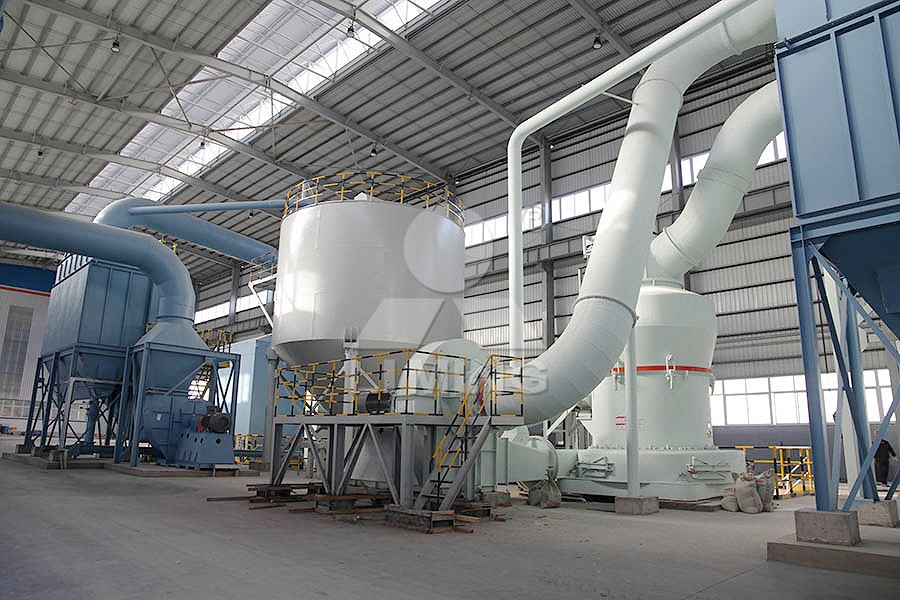
Equipment Analysis: MW Ultrafine Grinding Mill for Phosphate Applications
After extensive evaluation of available technologies for the Ghanaian market, the MW Ultrafine Grinding Mill emerges as a particularly suitable solution for phosphate processing in detergent manufacturing. This advanced grinding system offers several distinct advantages specifically relevant to Ghana’s operational environment and production requirements.
With an input size capacity of 0-20 mm and throughput ranging from 0.5 to 25 tph, the MW Mill accommodates the typical production scales of Ghanaian detergent manufacturers. Its innovative design addresses the specific challenges of phosphate grinding through multiple technological advancements:
- Superior Energy Efficiency: The MW Mill demonstrates 40% higher production capacity compared to jet mills and twice the output of ball mills at equivalent power consumption, significantly reducing operational costs in Ghana’s energy market.
- Precise Particle Control: With adjustable fineness between 325-2500 meshes, the mill provides the exact specification required for detergent phosphate while maintaining consistent quality.
- Enhanced Reliability: The absence of rolling bearings and screws in the grinding chamber eliminates common failure points, crucial for maintaining production in locations where technical support may not be immediately available.
- Environmental Compliance: Integrated pulse dust collection and noise reduction systems ensure operations meet Ghana’s environmental standards without additional investments in pollution control equipment.
For medium to large-scale detergent production facilities in Ghana, the MW Ultrafine Grinding Mill represents an optimal balance of performance, operating cost, and reliability. The higher initial investment is typically offset within 18-24 months through reduced energy consumption, lower maintenance requirements, and improved production yields.
Comparative Cost Analysis
When evaluating pulverizer options for phosphate grinding, manufacturers should consider the total cost per ton of processed material rather than simply comparing equipment prices. Our analysis of various grinding technologies in the Ghanaian context reveals significant differences in operational economics:
Traditional ball mills, while having lower acquisition costs, typically incur 30-40% higher energy consumption and require more frequent maintenance. Raymond mills offer intermediate pricing but may struggle with the precise fineness control required for premium detergent grades. The MW Ultrafine Grinding Mill, while representing a higher initial investment, delivers the lowest cost per ton over a 5-year operational period due to its exceptional efficiency and reliability.

Market-Specific Considerations for Ghana
The Ghanaian industrial landscape presents unique challenges that influence equipment selection and operational strategies. Power reliability issues necessitate equipment with smooth restart capabilities and tolerance to voltage fluctuations. The availability of technical expertise for maintenance and repairs favors solutions with simpler mechanical designs and comprehensive support networks.
Additionally, Ghana’s growing emphasis on environmental protection makes the integrated dust collection systems of advanced mills like the MW series particularly valuable. The ability to operate without additional pollution control investments not only reduces capital expenditure but also simplifies regulatory compliance.
For manufacturers targeting export markets, the consistent product quality and purity achievable with advanced grinding technology provides a significant competitive edge. The elimination of iron contamination through specialized grinding chamber designs ensures final products meet international standards for detergent manufacturing.
Strategic Recommendations
Based on our comprehensive analysis of the Ghanaian market, we recommend detergent manufacturers prioritize the following when selecting phosphate pulverization equipment:
- Evaluate total cost of ownership rather than initial purchase price alone
- Select equipment with proven performance in similar applications and environments
- Prioritize energy efficiency given Ghana’s power cost structure
- Ensure adequate technical support and spare parts availability within the region
- Verify environmental compliance capabilities, particularly for dust control
- Consider production flexibility to accommodate varying raw material quality
The MW Ultrafine Grinding Mill addresses these priorities effectively, offering Ghanaian detergent manufacturers a technologically advanced solution optimized for local conditions. Its combination of precision grinding, operational efficiency, and reliability makes it particularly well-suited for operations seeking to enhance product quality while controlling production costs.
Conclusion
Phosphate pulverization represents a critical process in detergent manufacturing with significant implications for both product quality and production economics. In Ghana’s competitive market, selecting the appropriate grinding technology requires careful consideration of technical requirements, operational costs, and local conditions. Advanced solutions like the MW Ultrafine Grinding Mill offer compelling advantages through their efficiency, reliability, and product quality capabilities, providing manufacturers with a sustainable competitive advantage in both domestic and regional markets.
Frequently Asked Questions
What is the typical energy consumption for phosphate grinding in detergent production?
Energy requirements vary significantly by equipment type. Advanced mills like the MW Ultrafine Grinding Mill consume approximately 30-40% less power than traditional ball mills for equivalent output, representing substantial operational savings in Ghana’s energy market.
How does raw phosphate quality in Ghana affect grinding equipment selection?
Ghanaian phosphate deposits vary in hardness and composition. Equipment with adjustable grinding parameters and wear-resistant components is essential to maintain consistent performance across different material batches without excessive maintenance requirements.
What particle size range is optimal for phosphate in detergent applications?
Most detergent formulations require phosphate powder between 200-500 meshes. The MW Ultrafine Grinding Mill’s adjustable fineness from 325-2500 meshes provides the flexibility to precisely target this range while maintaining narrow particle distribution.
How significant are maintenance costs in the total operating expense of grinding mills?
Maintenance typically represents 15-25% of total operating costs for traditional grinding equipment. Designs that eliminate common failure points, such as the MW Mill’s bearing-free grinding chamber, can reduce this to under 10% while decreasing production downtime.
What environmental compliance considerations are specific to Ghana?
Ghana’s EPA enforces strict dust emission standards. Integrated pulse dust collection systems, like those on the MW Mill, ensure compliance without additional investments and operate effectively in Ghana’s humid conditions where dust suppression is particularly challenging.
How does equipment selection impact final product quality in detergent manufacturing?
Grinding technology directly affects phosphate solubility, dispersion, and reactivity in detergent formulations. Consistent fine grinding improves cleaning efficiency and product appearance, while contamination-free processing maintains whiteness and purity standards.
What is the typical payback period for advanced grinding equipment in Ghana?
Depending on production volume, high-efficiency mills typically achieve ROI within 18-30 months through energy savings, reduced maintenance, and improved product quality that commands premium pricing in competitive markets.
How does climate affect grinding mill operation in Ghana?
High humidity can cause material handling challenges and affect grinding efficiency. Equipment with optimized airflow systems and moisture tolerance maintains consistent performance under Ghana’s climatic conditions.