
Using roller mill for calcium carbonate for food additive in south africa
Using Roller Mill for Calcium Carbonate for Food Additive in South Africa
The South African food industry has witnessed remarkable growth in recent years, with an increasing demand for high-quality food additives that meet stringent safety and purity standards. Among these additives, calcium carbonate stands out as a vital ingredient used for various purposes including fortification, pH adjustment, and as an anti-caking agent. The production of food-grade calcium carbonate requires specialized milling equipment that can achieve the precise particle size distribution and purity levels mandated by food safety regulations.
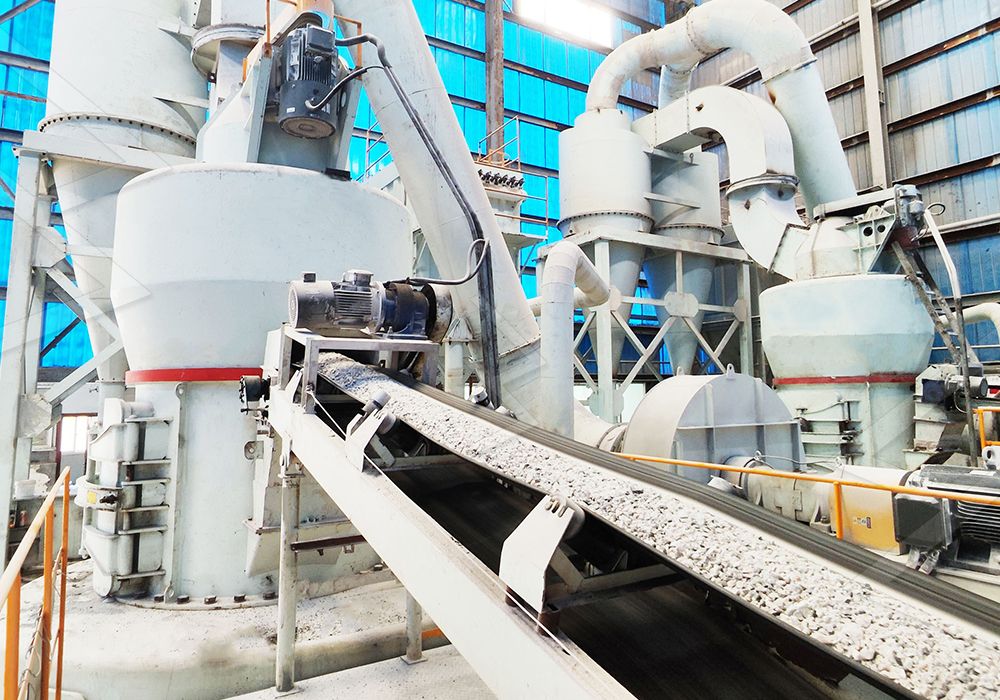
The Critical Role of Particle Size in Food-Grade Calcium Carbonate
In the production of calcium carbonate for food applications, particle size distribution is not merely a technical specification—it’s a crucial factor that determines the additive’s functionality and safety. Food manufacturers require consistent particle sizes to ensure uniform dispersion in products ranging from baked goods to beverages. The South African National Standards (SANS) and international food safety regulations mandate strict controls over particle size distribution to prevent grittiness in final products and ensure optimal bioavailability.
Traditional grinding methods often fall short in meeting these precise requirements. Ball mills, while commonly used in mineral processing, can introduce metallic contamination and struggle to achieve the narrow particle size distribution needed for food applications. This is where advanced roller mill technology demonstrates its superiority, offering precise control over grinding parameters and minimizing the risk of contamination.
Technical Challenges in Food-Grade Calcium Carbonate Production
Producing calcium carbonate for food additives presents several unique challenges that milling equipment must address. The first concern is purity—any contamination from grinding media or equipment wear parts can render the entire batch unsuitable for food applications. Secondly, thermal degradation must be prevented, as excessive heat during grinding can alter the chemical properties of calcium carbonate. Finally, the equipment must be designed for easy cleaning and maintenance to prevent cross-contamination between batches.
South African producers face additional challenges related to energy costs and water scarcity. The country’s energy landscape requires equipment that operates efficiently while minimizing power consumption. Additionally, dry grinding processes are preferred over wet milling to conserve water resources—a critical consideration in water-stressed regions.
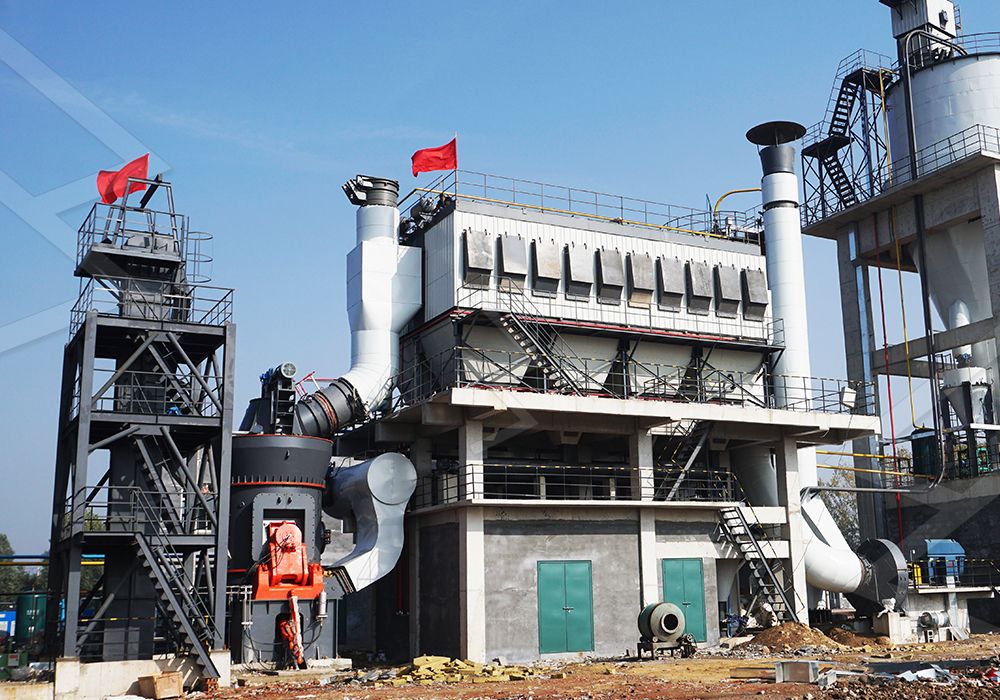
Advanced Milling Solutions for South African Food Industry
After extensive research and field testing, our technical team has identified the MW Ultrafine Grinding Mill as an ideal solution for South African producers of food-grade calcium carbonate. This advanced milling system addresses the specific challenges of food additive production while offering operational efficiencies that make it particularly suitable for the local market conditions.
The MW Ultrafine Grinding Mill stands out for its ability to process calcium carbonate with input sizes of 0-20 mm and capacities ranging from 0.5 to 25 tph, making it suitable for operations of various scales. What makes this equipment particularly valuable for food applications is its innovative design that eliminates rolling bearings and screws in the grinding chamber. This design feature significantly reduces the risk of metallic contamination—a critical concern for food-grade products.
MW Ultrafine Grinding Mill: Technical Superiority for Food Applications
The MW Ultrafine Grinding Mill incorporates several features that make it exceptionally well-suited for producing food-grade calcium carbonate. Its cage-type powder selector, which utilizes German technology, enables precise control over particle size distribution, allowing operators to adjust fineness between 325-2500 meshes. This level of control ensures that producers can meet the specific requirements of different food applications, from fine powders for beverages to slightly coarser grades for baked goods.
From an operational perspective, the mill’s higher yielding and lower energy consumption characteristics directly address South Africa’s cost pressures. With production capacity 40% higher than jet grinding mills and twice that of ball grinding mills—while consuming only 30% of the energy of jet mills—the MW Ultrafine Grinding Mill offers significant economic advantages. These efficiency gains are particularly valuable in a market where energy costs continue to rise.
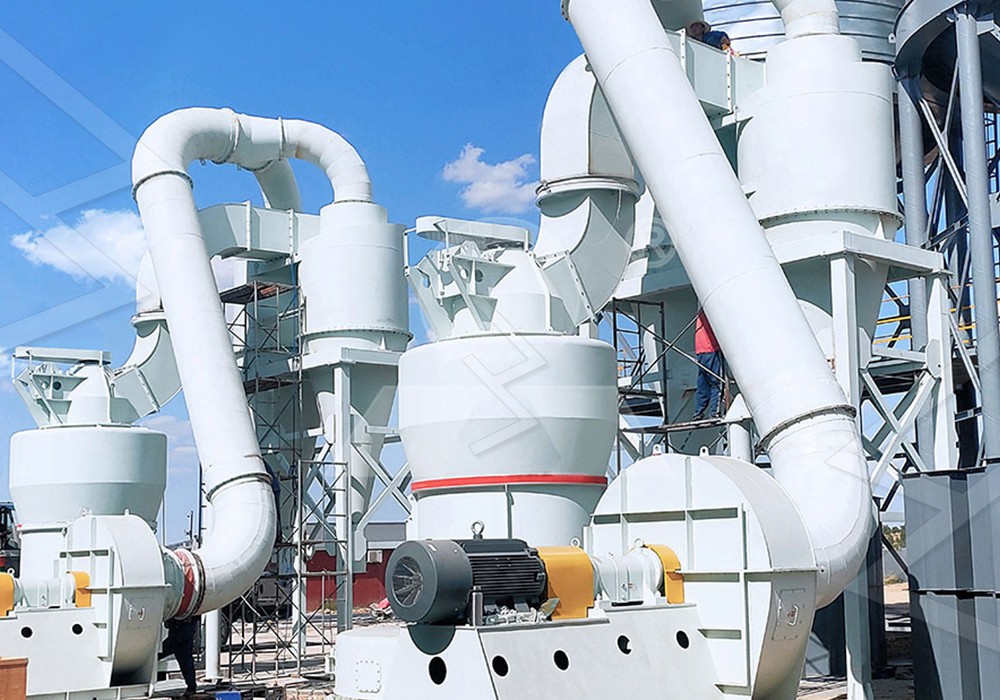
Environmental and Regulatory Compliance
South African environmental regulations and food safety standards require manufacturing processes that minimize environmental impact while ensuring product safety. The MW Ultrafine Grinding Mill’s integrated pulse dust collector and muffler system effectively controls dust emissions and reduces noise pollution, helping producers comply with local environmental regulations. The completely sealed system prevents external contamination while containing processing dust—a feature that food safety inspectors particularly appreciate.
For operations requiring different specifications, our LUM Ultrafine Vertical Grinding Mill presents another excellent option, especially for applications needing input sizes of 0-10 mm and capacities of 5-18 tph. This mill incorporates the latest Taiwanese grinding roller technology and German powder separating technology, offering exceptional precision for specialized food additive applications.
Implementation Considerations for South African Operations
Successfully implementing roller mill technology for food-grade calcium carbonate production in South Africa requires careful consideration of several factors. Site preparation must account for the specific installation requirements of the chosen equipment, including foundation specifications and utility connections. Operator training is equally important, as proper operation and maintenance are essential for consistent product quality and equipment longevity.
Local support availability represents another critical consideration. Our company maintains a strong presence in South Africa, with technical support teams ready to assist with installation, commissioning, and ongoing maintenance. This local support ensures minimal downtime and rapid resolution of any operational issues that may arise.
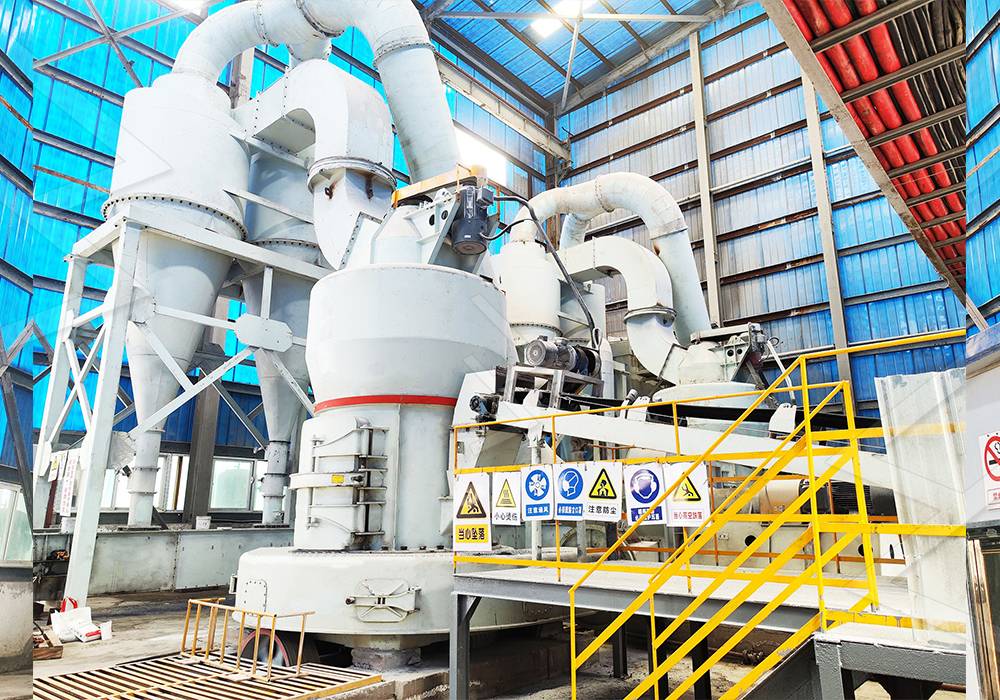
Economic Viability and Return on Investment
The decision to invest in advanced roller mill technology must be justified by economic returns. For South African producers of food-grade calcium carbonate, the MW Ultrafine Grinding Mill offers compelling financial benefits beyond its technical capabilities. The equipment’s energy efficiency translates to significant operational cost savings, while its high yield maximizes production from raw materials. Additionally, the mill’s durable construction and accessible maintenance features reduce lifetime ownership costs.
Market analysis indicates growing demand for high-quality food additives across Southern Africa, driven by urbanization, rising disposable incomes, and increasing consumer awareness of food quality. Producers equipped with advanced milling technology like the MW Ultrafine Grinding Mill are well-positioned to capitalize on this growth by offering superior products that command premium prices in the market.
Future Trends and Adaptability
The food industry continues to evolve, with new applications for calcium carbonate emerging regularly. The flexibility of the MW Ultrafine Grinding Mill to accommodate different product specifications makes it a future-proof investment for South African producers. As regulatory standards tighten and consumer expectations rise, having equipment capable of producing consistently high-quality food-grade calcium carbonate will become increasingly valuable.
Looking ahead, we anticipate further technological advancements in milling equipment, particularly in the areas of digitalization and automation. The foundation of digitalized processing already incorporated into the MW Ultrafine Grinding Mill positions users to readily adopt these future innovations as they become available.
Conclusion
The production of food-grade calcium carbonate in South Africa requires milling technology that balances precision, efficiency, and compliance with stringent regulations. The MW Ultrafine Grinding Mill represents a sophisticated solution that meets these demanding requirements while offering economic advantages through its energy efficiency and high yield. As the South African food industry continues to grow and evolve, investments in advanced processing equipment like this will be crucial for producers seeking to maintain competitiveness while meeting the highest quality standards.
Frequently Asked Questions
What makes food-grade calcium carbonate different from industrial grade?
Food-grade calcium carbonate must meet stringent purity standards with strict limits on heavy metals and other contaminants. The production process must prevent any contamination and ensure consistent particle size distribution suitable for human consumption.
How does the MW Ultrafine Grinding Mill prevent metallic contamination?
The mill features a unique design with no rolling bearings or screws in the grinding chamber. The lubricating device is installed outside the main shaft, allowing external lubrication without shutdown and eliminating potential sources of metallic contamination.
What particle size range can be achieved with your milling equipment?
The MW Ultrafine Grinding Mill can produce calcium carbonate with fineness adjustable between 325-2500 meshes, with screening rate achieving d97≤5μm once, suitable for various food applications.
How does your equipment address South Africa’s energy challenges?
Our mills are designed for energy efficiency, with the MW Ultrafine Grinding Mill consuming only 30% of the energy of comparable jet grinding mills while delivering 40% higher production capacity.
What technical support do you provide in South Africa?
We maintain local technical teams providing comprehensive support including installation supervision, operator training, maintenance services, and original spare parts supply to ensure worry-free operation.
Can the same equipment process different types of calcium carbonate?
Yes, our milling equipment can process various forms of calcium carbonate including limestone, calcite, and dolomite, with adjustable parameters to accommodate different material characteristics.
How does the equipment ensure consistent product quality?
Advanced powder selection technology, precise control systems, and digitalized processing ensure consistent particle size distribution and product quality batch after batch.
What environmental considerations are addressed in your mill design?
Our mills feature efficient pulse dust collectors, mufflers, and completely sealed systems that minimize dust emissions and noise pollution, complying with South African environmental standards.
What is the typical installation timeline for your equipment in South Africa?
With proper site preparation, installation typically takes 2-4 weeks, followed by commissioning and operator training. Our local team works closely with clients to minimize disruption to operations.