
How to optimize phosphate processing with roller mill for detergent production in australia
How to Optimize Phosphate Processing with Roller Mill for Detergent Production in Australia
The Australian detergent manufacturing industry faces unique challenges in phosphate processing, where efficiency, particle size control, and environmental compliance are paramount. With growing environmental regulations and consumer demand for high-performance detergents, manufacturers must adopt advanced grinding technologies that deliver consistent quality while minimizing operational costs.
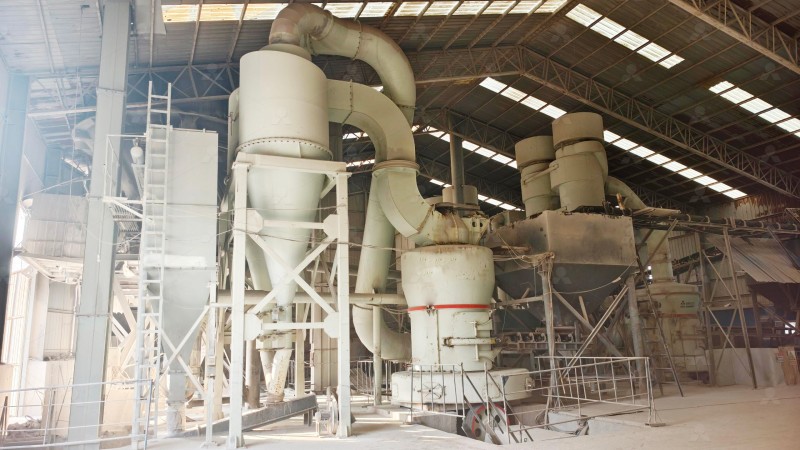
The Critical Role of Phosphate Grinding in Detergent Manufacturing
Phosphate compounds serve as essential builders in detergent formulations, helping to soften water, suspend dirt, and enhance cleaning efficiency. The effectiveness of these phosphates depends significantly on their particle size distribution and purity. Traditional grinding methods often fall short in achieving the precise fineness required for optimal detergent performance while maintaining cost-effectiveness.
Australian detergent producers must contend with specific operational challenges, including stringent environmental regulations, high energy costs, and the need for consistent product quality. The right grinding technology can address these concerns while improving overall production efficiency.
Advanced Roller Mill Technology: A Game Changer for Phosphate Processing
Modern roller mills have revolutionized phosphate processing for detergent applications. Unlike conventional ball mills that consume excessive energy and produce inconsistent particle sizes, advanced roller mills offer precise control over fineness while reducing energy consumption by 30-50%.
The key advantages of roller mill technology for phosphate processing include:
- Superior particle size control for enhanced detergent performance
- Significant reduction in energy consumption
- Minimal iron contamination maintaining phosphate purity
- Integrated drying capabilities for moisture-sensitive materials
- Compact footprint reducing facility space requirements
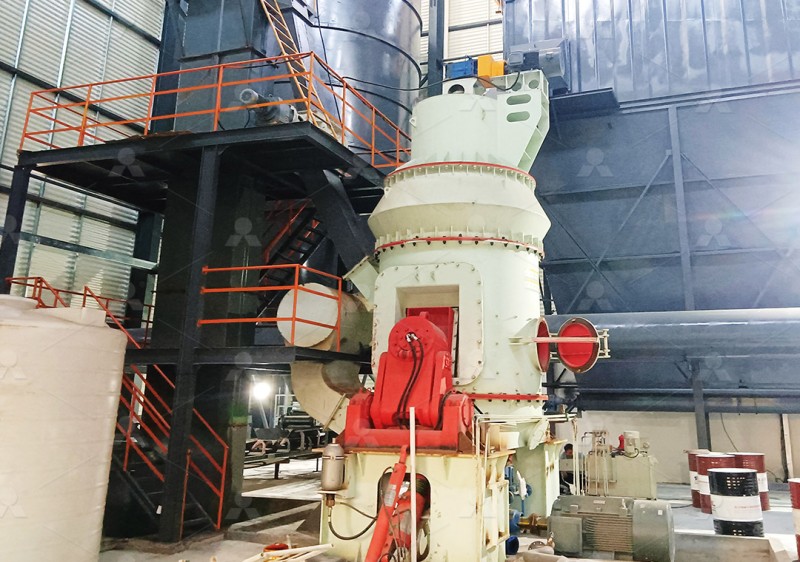
MW Ultrafine Grinding Mill: Optimized Solution for Australian Detergent Production
For Australian detergent manufacturers seeking to optimize their phosphate processing operations, the MW Ultrafine Grinding Mill presents an ideal solution. This advanced mill is specifically engineered for customers requiring ultra-fine powder production with exceptional efficiency and environmental performance.
The MW Ultrafine Grinding Mill handles input sizes of 0-20 mm with capacities ranging from 0.5 to 25 tph, making it suitable for various production scales common in Australian manufacturing facilities. Its innovative design features higher yielding capacity with lower energy consumption – achieving 40% higher production capacity compared to jet grinding mills and double the output of traditional ball mills, while consuming only 30% of the energy of jet grinding systems.
One of the most significant advantages for detergent production is the mill’s adjustable fineness between 325-2500 meshes, with screening rates achieving d97≤5μm in a single pass. This precision ensures consistent phosphate particle size critical for detergent formulation effectiveness.
Key Features Benefiting Australian Operations
The MW Ultrafine Grinding Mill incorporates several features specifically advantageous for Australian manufacturing conditions:
- No Rolling Bearing & Screw in Grinding Chamber: This innovative design eliminates concerns about bearing damage or machine failure due to loose screws, significantly reducing maintenance requirements and downtime.
- Eco-friendly Dust Removal: Equipped with an efficient pulse dust collector and muffler system, the mill operates without dust pollution and reduces noise levels, ensuring compliance with Australia’s strict environmental regulations.
- Digitalized Processing: With numerically controlled operations including cutting, bending, planing, milling and paint spraying, the mill delivers high precision machining, particularly for core components.
- Comprehensive Support: With sufficient spare parts supply and technical services, Australian operations can maintain worry-free production schedules.
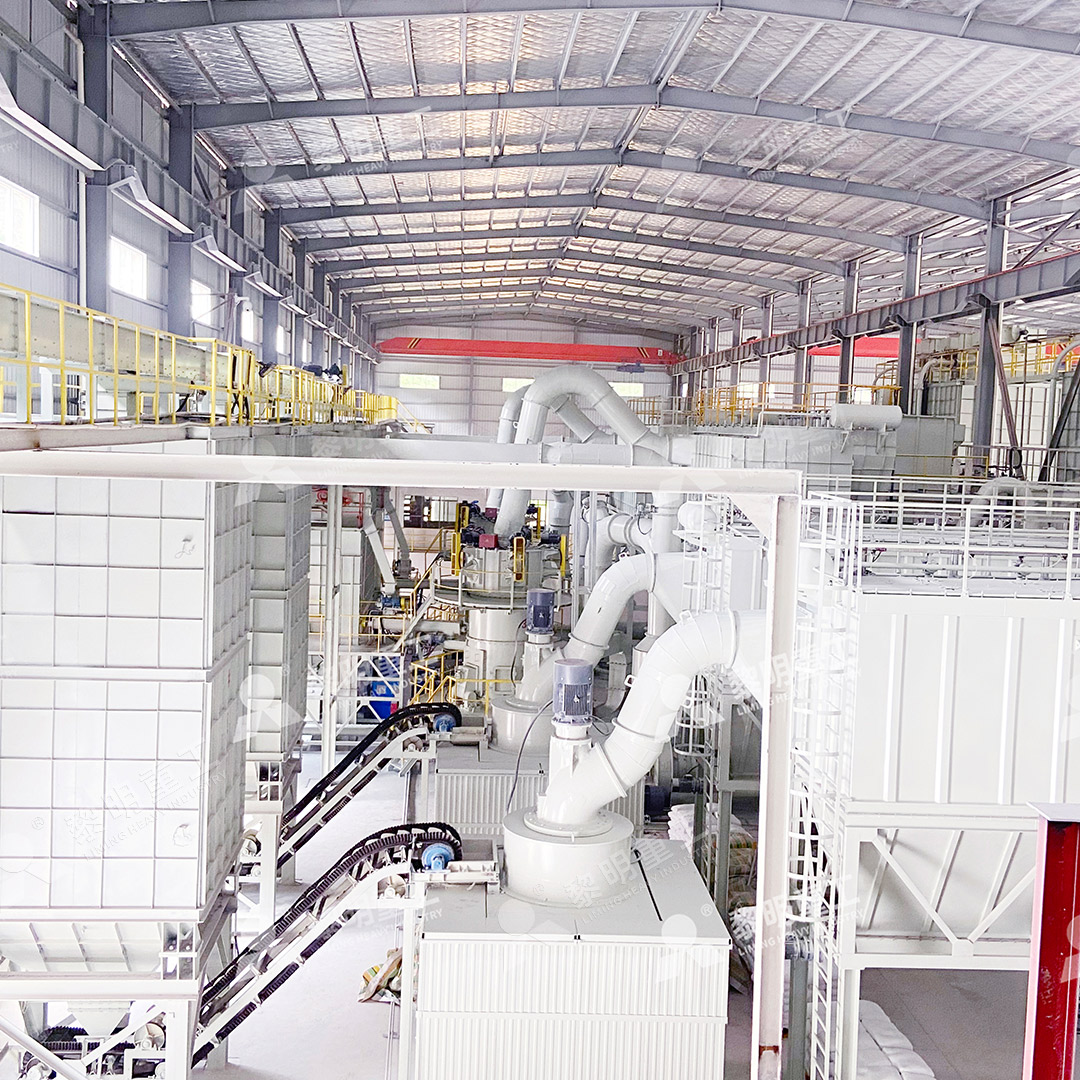
Implementation Strategy for Australian Manufacturers
Successfully integrating advanced roller mill technology into existing detergent production lines requires careful planning. Australian manufacturers should consider:
- Material Analysis: Conduct thorough testing of phosphate raw materials to determine optimal grinding parameters
- System Integration: Plan for seamless integration with existing material handling and mixing systems
- Operator Training: Ensure technical staff receive comprehensive training on operation and maintenance procedures
- Performance Monitoring: Implement regular quality control checks to maintain consistent particle size distribution
The MW Ultrafine Grinding Mill’s working principle ensures efficient phosphate processing. The motor drives the main shaft and turnplates through the reducer, which drives multiple rollers to rotate against the race way of the ring. Material is fed to the central part of the upper turnplate and falls to the circle under centrifugal force, coming down to the raceway of the ring to be crushed into powder. After grinding in the first race way, material proceeds to secondary and tertiary turnplates for further refinement.
Economic and Environmental Benefits
Australian detergent manufacturers implementing the MW Ultrafine Grinding Mill can expect substantial benefits:
- Reduced energy costs through 30-50% lower consumption compared to conventional systems
- Lower maintenance costs due to robust design and accessible components
- Improved product quality through consistent particle size distribution
- Enhanced environmental compliance with integrated dust and noise control
- Increased production capacity without proportional increases in facility footprint
Future Outlook
As the Australian detergent industry continues to evolve, advanced grinding technologies like the MW Ultrafine Grinding Mill will play an increasingly important role in maintaining competitiveness. With ongoing innovations in milling technology and growing emphasis on sustainable manufacturing practices, Australian producers who invest in modern phosphate processing solutions will be well-positioned to meet future market demands.
The integration of smart monitoring systems and predictive maintenance capabilities will further enhance operational efficiency, making advanced roller mills an essential component of modern detergent manufacturing infrastructure in Australia.
Frequently Asked Questions
What is the optimal particle size for phosphate in detergent applications?
The ideal particle size depends on the specific detergent formulation, but generally falls between 200-800 meshes. The MW Ultrafine Grinding Mill’s adjustable fineness between 325-2500 meshes provides flexibility to meet various product requirements.
How does the MW Ultrafine Grinding Mill compare to traditional ball mills for phosphate processing?
The MW mill offers significantly higher efficiency, with twice the output of ball mills while consuming only 30% of the energy. It also provides better particle size control and reduced contamination.
What maintenance requirements should Australian operators expect?
The MW mill’s design minimizes maintenance needs with no rolling bearings or screws in the grinding chamber. Regular maintenance primarily involves monitoring wear parts and the lubrication system, which can be performed externally without shutdown.
How does the mill handle variations in phosphate raw material quality?
The mill’s adjustable grinding parameters and robust design accommodate variations in raw material characteristics. The hydraulic adjustment system allows operators to optimize performance for different material hardness and moisture content.
What environmental benefits does this technology offer?
The integrated pulse dust collector ensures no dust pollution, while the muffler and noise elimination features reduce operational noise. The system’s energy efficiency also contributes to lower carbon emissions.
Can the mill be integrated with existing production lines?
Yes, the MW Ultrafine Grinding Mill is designed for seamless integration with existing material handling systems. Our technical team can provide customized integration solutions for specific facility layouts.
What technical support is available for Australian customers?
We provide comprehensive technical support including installation supervision, operator training, and ongoing technical assistance. Original spare parts are readily available to ensure worry-free operation.
How does the mill’s energy consumption compare to other grinding technologies?
The MW mill reduces energy consumption by 30-50% compared to conventional grinding systems while delivering higher production capacity and superior product quality.