
Coal ore grinding machine for power plants in uzbekistan
Meeting Uzbekistan’s Growing Energy Demands Through Advanced Coal Preparation
As Uzbekistan continues to develop its industrial infrastructure and power generation capabilities, the demand for efficient coal processing solutions has never been greater. The country’s power plants require consistent, high-quality pulverized coal to maintain optimal combustion efficiency and meet environmental standards. This comprehensive analysis explores the critical role of specialized grinding equipment in transforming raw coal ore into the fine powder essential for modern thermal power generation.
The Critical Importance of Proper Coal Pulverization
In thermal power generation, coal must be ground to a specific fineness to ensure complete combustion and maximize energy output. Suboptimal grinding can lead to inefficient burning, increased emissions, and higher operational costs. The grinding process directly impacts several key performance indicators:
- Combustion efficiency and heat rate
- Emissions control and environmental compliance
- Mill maintenance frequency and operational reliability
- Overall plant availability and capacity factor
Uzbekistan’s diverse coal sources, ranging from bituminous to sub-bituminous varieties, present unique grinding challenges that require adaptable, robust milling solutions capable of handling varying moisture content, hardness, and abrasive properties.
Advanced Grinding Technologies for Modern Power Plants
Traditional ball mills, while once the industry standard, often fall short in meeting the efficiency and environmental requirements of contemporary power generation facilities. Modern grinding technologies offer significant advantages in energy consumption, particle size control, and operational reliability.

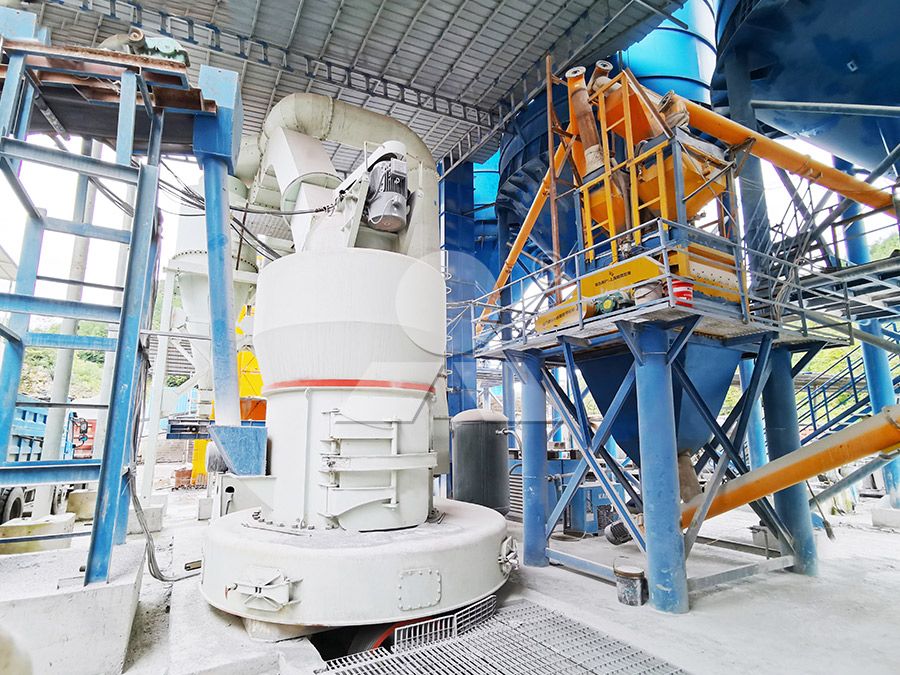
Among the most promising solutions for Uzbekistan’s power sector is the MW Ultrafine Grinding Mill, specifically engineered for processing coal and other minerals. This advanced mill system represents a technological leap forward with its impressive specifications:
- Input Size: 0-20 mm
- Capacity: 0.5-25 tph
- Fineness Range: Adjustable between 325-2500 meshes
- Energy Efficiency: 40% higher production capacity than jet grinding mills with only 30% of the energy consumption
The MW Ultrafine Grinding Mill incorporates German powder separation technology and features a unique design that eliminates rolling bearings and screws within the grinding chamber. This innovative approach significantly reduces maintenance concerns and prevents machine damage from loose components, ensuring uninterrupted operation critical for power plant reliability.
Environmental Compliance and Operational Benefits
Uzbekistan’s evolving environmental regulations demand coal processing equipment that minimizes ecological impact. The integrated pulse dust collector in the MW Ultrafine Grinding Mill effectively contains particulate matter, while the muffler system reduces operational noise. These features align with global best practices for industrial environmental management.

For power plants requiring higher capacity operations, the LM Vertical Coal Mill presents another excellent option with capabilities ranging from 5-100T/H. This system integrates drying and grinding processes, making it particularly suitable for Uzbekistan’s coal varieties that may contain higher moisture content. The vertical design reduces footprint requirements while maintaining high grinding efficiency and product quality consistency.
Implementation Considerations for Uzbek Power Facilities
Successful integration of advanced coal grinding systems requires careful planning around several key factors:
- Coal Characteristics: Comprehensive analysis of the specific coal types being processed, including hardness, moisture content, and abrasiveness
- Plant Layout: Strategic placement to optimize material flow and minimize transportation energy
- Maintenance Accessibility: Ensuring adequate space for routine servicing and component replacement
- Operator Training: Developing local expertise in operating and maintaining advanced grinding systems
The digital control systems in modern grinding mills like the MW series enable precise adjustment of operating parameters, allowing Uzbek power plants to optimize performance based on real-time conditions and coal quality variations.
Economic Advantages and Return on Investment
While advanced grinding systems represent a significant capital investment, the operational savings and performance benefits deliver compelling economic returns:
- Reduced energy consumption per ton of processed coal
- Lower maintenance costs and extended component life
- Improved combustion efficiency leading to fuel savings
- Reduced downtime through reliable operation
- Compliance with environmental standards avoiding potential fines
The combination of the MW Ultrafine Grinding Mill’s higher yield and lower energy consumption creates a favorable economic profile, with many facilities achieving payback periods of under two years through operational savings alone.
Future-Proofing Uzbekistan’s Power Infrastructure
As Uzbekistan continues to modernize its energy sector, investing in advanced coal grinding technology represents a strategic decision that supports long-term operational excellence. The flexibility of systems like the MW Ultrafine Grinding Mill allows power plants to adapt to changing fuel sources and increasingly stringent environmental requirements without major equipment modifications.
With proper implementation and maintenance, these advanced grinding solutions can provide decades of reliable service, contributing to Uzbekistan’s energy security and economic development goals while minimizing environmental impact.
Frequently Asked Questions
What is the typical installation time for an MW Ultrafine Grinding Mill in a power plant setting?
Depending on site preparation and existing infrastructure, installation typically requires 4-8 weeks, including foundation work, mechanical installation, and electrical integration. Our technical team provides comprehensive support throughout the process.
How does the MW Ultrafine Grinding Mill handle variations in coal moisture content?
The mill system can be equipped with integrated drying capabilities or paired with separate drying equipment. The grinding process generates some heat, and system adjustments can accommodate moisture variations up to 15% without significant impact on performance.
What kind of maintenance schedule is required for optimal operation?
Routine maintenance includes daily visual inspections, weekly lubrication checks, and monthly comprehensive inspections. Major component inspection is recommended every 2,000-3,000 operating hours, with grinding elements typically lasting 6,000-8,000 hours depending on coal abrasiveness.
Can the MW Ultrafine Grinding Mill process other materials besides coal?
Yes, the mill is versatile and can process various materials including limestone, gypsum, barite, and other non-metallic minerals with similar hardness characteristics, making it a valuable multi-purpose asset.
What technical support is available for operations in Uzbekistan?
We provide comprehensive technical support including initial installation supervision, operator training, remote monitoring capabilities, and access to original spare parts through our regional service network.
How does the energy consumption compare to traditional ball mills?
The MW Ultrafine Grinding Mill typically consumes 30-40% less energy than equivalent capacity ball mills while achieving superior product fineness and consistency.
What safety features are incorporated into the design?
The system includes multiple safety provisions including explosion relief valves, temperature monitoring, vibration detection, and automatic shutdown systems to ensure safe operation in potentially hazardous environments.
Can the system be integrated with existing coal handling infrastructure?
Yes, the mill is designed for flexible integration with various feeding and product transport systems. Our engineering team can design custom interfaces to connect with your existing infrastructure.