
Detailed cement raw materials comparison chart highlighting features and performance in cement production
Comprehensive Analysis of Cement Grinding Technologies
The cement manufacturing industry faces constant pressure to improve efficiency, reduce environmental impact, and enhance product quality. Selecting the appropriate grinding equipment for raw materials represents one of the most critical decisions in cement production. This comprehensive comparison examines various grinding technologies, their operational characteristics, and performance metrics to help manufacturers optimize their production processes.
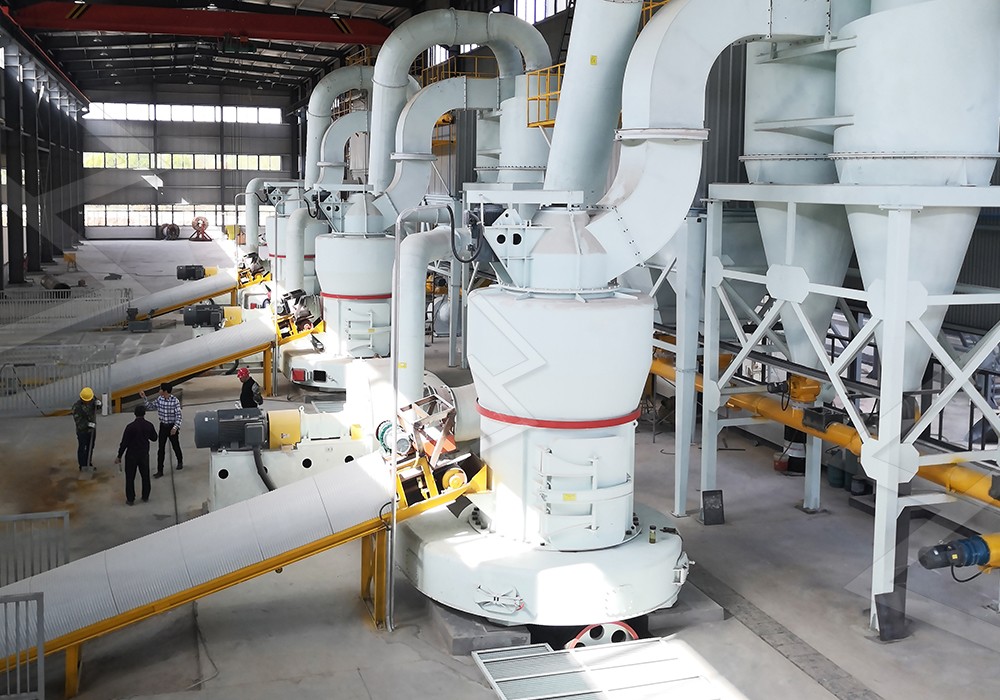
Raw Material Preparation: The Foundation of Quality Cement
Proper preparation of cement raw materials directly impacts the final product’s strength, setting time, and durability. The grinding phase determines particle size distribution, which influences burnability in the kiln and ultimately the cement’s performance characteristics. Different raw materials—limestone, clay, shale, iron ore, and various additives—each present unique grinding challenges that require specialized equipment solutions.
Comparative Analysis of Grinding Technologies
Modern cement plants utilize various grinding technologies, each with distinct advantages for specific applications. Understanding these differences enables producers to match equipment capabilities with production requirements.

Vertical Roller Mills: Efficiency Leaders
Vertical roller mills have revolutionized cement raw material grinding with their exceptional energy efficiency and compact footprint. The LM Vertical Grinding Mill exemplifies this technology, integrating crushing, drying, grinding, classifying and conveying in a single unit. With capacity ranging from 3-340 tph and handling input sizes up to 70 mm, this system reduces energy consumption by 30%-40% compared to traditional ball mills while occupying 50% less space.
The vertical configuration allows material to be ground between the rollers and table, with immediate classification and drying occurring simultaneously. This integrated approach significantly reduces the number of equipment components and simplifies the overall process flow. The shorter material retention time minimizes over-grinding and reduces iron contamination, crucial for maintaining product quality.
Ultrafine Grinding Solutions: Precision Performance
For applications requiring exceptionally fine powders or specialized cement blends, ultrafine grinding technologies offer unparalleled precision. Among these advanced solutions, the MW Ultrafine Grinding Mill stands out for its remarkable efficiency in producing powders between 325-2500 meshes. With an input size capacity of 0-20 mm and throughput of 0.5-25 tph, this system achieves production capacity 40% higher than jet grinding mills and twice that of ball mills, while consuming only 30% of the energy of jet grinding systems.
The MW Ultrafine Grinding Mill incorporates several innovative features that make it particularly suitable for modern cement production. Its cage-type powder selector, utilizing German technology, ensures precise particle separation, while the absence of rolling bearings and screws in the grinding chamber eliminates common failure points. The external lubrication system enables continuous 24-hour operation without shutdowns for maintenance, significantly improving operational efficiency.

Environmental considerations are thoroughly addressed through integrated pulse dust collection and noise reduction systems, ensuring compliance with stringent environmental standards. For cement producers seeking to develop specialized products or improve the reactivity of cement components, the MW Ultrafine Grinding Mill represents an optimal solution that balances production capacity, energy efficiency, and product quality.
European Trapezium Mills: Balanced Performance
The MTW-Z European Trapezium Mill and its variants offer a compelling balance of reliability, efficiency, and operating economy. With capacity ranging from 3-55 tph and handling input sizes up to 50 mm, these mills feature innovative design elements such as dilute oil lubrication systems that reduce maintenance requirements and elastic volute damping structures that enhance operational stability.
Traditional Technologies: Ball and Raymond Mills
While newer technologies often provide superior efficiency, traditional ball mills and Raymond mills still find application in specific cement production scenarios. Ball mills, with capacities from 0.65-50 tph, offer simplicity and reliability for smaller operations or materials with specific grinding characteristics. Raymond mills represent an economical solution for dedicated grinding applications with lower capacity requirements.
Performance Metrics Comparison
| Mill Type | Input Size (mm) | Capacity (tph) | Energy Efficiency | Footprint | Applications |
|---|---|---|---|---|---|
| LM Vertical Mill | 0-70 | 3-340 | 30-40% savings | 50% reduction | Mainstream raw grinding |
| MW Ultrafine Mill | 0-20 | 0.5-25 | 70% savings vs jet mills | Compact | Specialized/supplementary |
| MTW-Z European Mill | 0-50 | 3-55 | High efficiency | Moderate | Versatile applications |
| Ball Mill | <25 | 0.65-50 | Baseline | Large | Traditional grinding |
Selection Criteria for Cement Raw Material Grinding
Choosing the appropriate grinding technology requires careful consideration of multiple factors:
- Raw Material Characteristics: Hardness, abrasiveness, moisture content, and grindability index significantly influence equipment selection.
- Production Requirements: Required throughput, product fineness, and quality consistency dictate the appropriate technology.
- Energy Efficiency: Operating costs increasingly favor technologies with lower specific energy consumption.
- Environmental Compliance: Dust emissions, noise levels, and overall environmental impact must meet regulatory standards.
- Total Cost of Ownership: Initial investment, maintenance requirements, and spare parts availability affect long-term economics.

Operational Considerations and Best Practices
Successful implementation of grinding technology extends beyond equipment selection. Proper installation, operational training, and maintenance protocols significantly impact long-term performance and reliability. Modern grinding systems increasingly incorporate automation and digital monitoring capabilities that optimize performance, predict maintenance needs, and ensure consistent product quality.
For operations requiring ultra-fine grinding capabilities, the MW Ultrafine Grinding Mill offers particularly advantageous features, including its innovative grinding chamber design that eliminates internal bearings and screws—common failure points in conventional designs. This engineering approach, combined with precision manufacturing and comprehensive technical support, ensures reliable operation in demanding cement production environments.
Future Trends in Cement Grinding Technology
The evolution of cement grinding technology continues toward higher efficiency, greater flexibility, and enhanced digital integration. Developments in material science improve wear part longevity, while advanced control systems optimize grinding parameters in real-time. The industry’s sustainability focus drives innovation in energy recovery and alternative fuel usage within grinding processes.
Frequently Asked Questions
What is the typical energy consumption difference between vertical roller mills and traditional ball mills for cement raw material grinding?
Vertical roller mills typically reduce energy consumption by 30-40% compared to traditional ball mills. This significant savings results from their more efficient grinding mechanism, integrated drying capability, and reduced system auxiliary power requirements.
How does particle size distribution from different grinding technologies affect cement quality?
Particle size distribution directly impacts cement strength development, workability, and durability. Optimal distributions contain a balanced range of particle sizes—ultrafine particles provide early strength, while moderately-sized particles contribute to later strength development. Advanced grinding technologies like the MW Ultrafine Grinding Mill offer precise control over this distribution.
What maintenance considerations are most important for cement grinding equipment?
Critical maintenance aspects include wear part monitoring and replacement, lubrication system integrity, alignment verification, and separator efficiency. Equipment with designs that facilitate maintenance, such as the MW Ultrafine Grinding Mill’s external lubrication and accessible grinding elements, significantly reduce downtime and operating costs.
Can the same grinding equipment process different types of cement raw materials?
Most modern grinding systems can handle various raw materials, but performance optimization may require adjustments to grinding pressure, separator speed, and drying parameters when changing materials. Equipment with flexible operating parameters delivers better results across different material types.
How does moisture content in raw materials affect grinding equipment selection?
High moisture content (typically above 4-5%) necessitates integrated drying capability. Vertical roller mills and some advanced grinding systems include hot gas generators that enable simultaneous grinding and drying, eliminating the need for separate drying equipment and reducing overall energy consumption.
What are the key factors in determining the appropriate grinding technology for a new cement plant?
Selection should consider production capacity requirements, raw material characteristics, product portfolio diversity, energy availability and cost, environmental regulations, available space, and capital/operating budget constraints. A thorough technical-economic analysis typically compares 2-3 suitable technologies before final selection.
How has digitalization impacted cement grinding operations?
Digital technologies enable real-time performance monitoring, predictive maintenance, automated optimization of operating parameters, and remote troubleshooting. These advancements improve efficiency, reduce unplanned downtime, and enhance product consistency while lowering operating costs.
What environmental considerations are most critical in selecting grinding equipment?
Key environmental factors include dust emissions control, noise levels, energy efficiency, and water consumption. Modern equipment like the MW Ultrafine Grinding Mill addresses these concerns through integrated pulse dust collectors, noise reduction systems, and optimized energy consumption that collectively minimize environmental impact.