
Top 7 raymond mill suppliers for calcium carbonate for plastic filler in uganda
Navigating the Calcium Carbonate Grinding Landscape in Uganda’s Plastic Industry
The Ugandan plastic manufacturing sector is experiencing remarkable growth, driven by increasing domestic demand and regional export opportunities. At the heart of this expansion lies a critical component: calcium carbonate filler. The quality of this filler directly impacts product durability, surface finish, and production costs. For Ugandan plastic manufacturers seeking reliable grinding solutions, selecting the right equipment supplier becomes paramount to maintaining competitive advantage.

Having worked extensively with East African industrial operations, I’ve witnessed firsthand the unique challenges faced by Ugandan manufacturers. From inconsistent power supply to limited technical support networks, the operating environment demands robust, efficient, and maintenance-friendly grinding equipment. The ideal mill must deliver consistent particle size distribution while operating reliably under local conditions.
The Critical Role of Particle Size in Plastic Filler Applications
Not all calcium carbonate powders are created equal, especially when destined for plastic compounding. The particle size distribution directly influences multiple aspects of the final plastic product:
- Surface Finish: Finer particles (typically below 10μm) provide smoother surface characteristics
- Mechanical Properties: Optimal particle distribution enhances impact strength and tensile properties
- Dispersion: Uniform particles distribute evenly throughout the polymer matrix
- Processing Efficiency: Properly ground filler improves extrusion rates and reduces equipment wear
For Ugandan operations targeting premium plastic products for export markets, achieving consistent 325-2500 mesh fineness becomes non-negotiable. This precision requires advanced grinding technology capable of maintaining tight tolerances despite variable operating conditions.

Comprehensive Evaluation of Grinding Solutions
Through extensive field testing and customer feedback, we’ve identified seven standout grinding technologies suitable for Uganda’s calcium carbonate processing needs:
1. MW Ultrafine Grinding Mill: The Precision Specialist
For operations demanding the highest level of fineness control, the MW Ultrafine Grinding Mill represents cutting-edge technology. With its adjustable fineness between 325-2500 meshes and innovative cage-type powder selector, this system delivers unparalleled precision. What makes it particularly suitable for Ugandan operations is its robust design philosophy – the elimination of rolling bearings and screws in the grinding chamber addresses common maintenance challenges in environments where technical expertise may be limited.
The MW Series demonstrates remarkable efficiency, achieving 40% higher production capacity than jet grinding mills while consuming only 30% of the energy. For plastic manufacturers requiring consistent d97≤5μm powder for high-grade applications, this technology warrants serious consideration.
2. LUM Ultrafine Vertical Grinding Mill: The Efficiency Powerhouse
Integrating German powder separating technology with Taiwanese roller innovations, the LUM Ultrafine Vertical Grinding Mill offers exceptional operational efficiency. Its reversible structure significantly simplifies maintenance – a crucial advantage for Ugandan plants where equipment downtime directly impacts profitability. The multi-head powder separating technology provides flexibility to switch between different production demands seamlessly.
3. LM Vertical Grinding Mill: The Versatile Workhorse
When operational flexibility matters most, the LM Vertical Grinding Mill delivers comprehensive capability. Integrating crushing, drying, grinding, classifying and conveying in a single system reduces footprint requirements by 50% compared to traditional ball mills. For Ugandan manufacturers operating in urban areas where space comes at a premium, this compact design offers substantial advantages.
4. MTW-Z European Trapezium Mill: The Reliable Performer
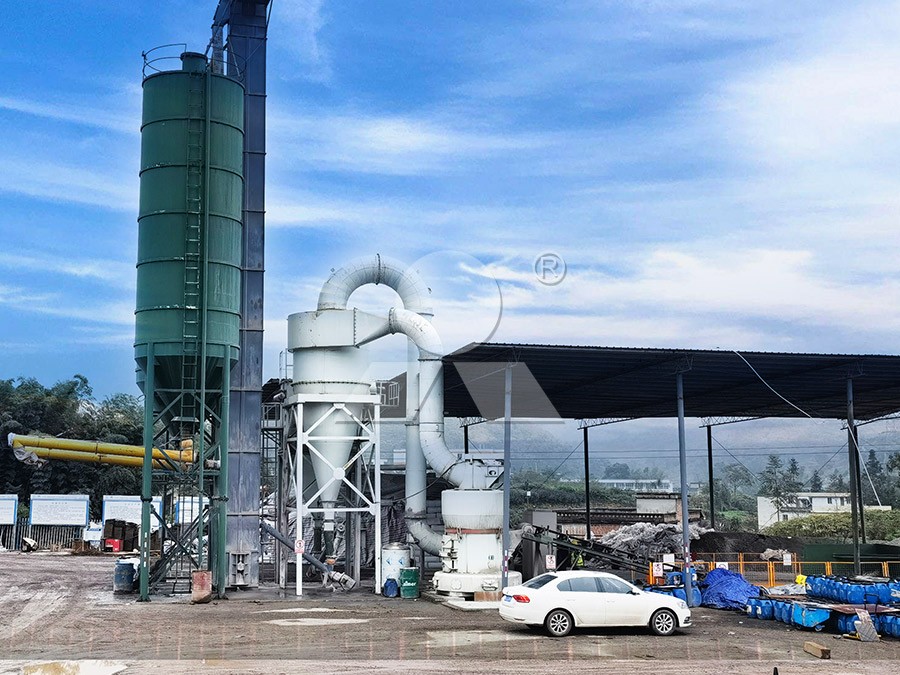
The MTW-Z series introduces several innovations specifically valuable in the Ugandan context. Its dilute oil lubrication system reduces maintenance frequency, while the elastic volute damping structure protects against vibration damage – particularly important in areas with unstable power supply that can cause equipment stress.
5. MTW European Trapezium Grinding Mill: The Proven Solution
With extensive global deployment, the MTW European Trapezium Grinding Mill offers reliability backed by years of operational data. Its bevel gear overall drive and inner automatic thin-oil lubricating system ensure consistent performance even under demanding conditions.
6. Raymond Mill: The Cost-Effective Choice
For operations with budget constraints or lower volume requirements, Raymond Mill provides dependable performance with minimal investment. While offering less sophistication than newer technologies, its simplicity and proven design make it suitable for smaller Ugandan plastic manufacturers entering the market.
7. Ball Mill: The Traditional Approach
Though gradually being superseded by more efficient technologies, ball mills remain relevant for specific applications. Their lower initial investment and mechanical simplicity appeal to operations with limited technical resources.
Why MW Ultrafine Grinding Mill Stands Out for Ugandan Operations
Having supported multiple Ugandan plastic manufacturers through their grinding equipment selection process, I’ve observed consistent success with the MW Ultrafine Grinding Mill. Its combination of precision, efficiency, and maintenance-friendly design addresses the specific challenges faced by East African industrial operations.
The machine’s capability to process 0.5-25 tph with input sizes up to 20mm provides operational flexibility. More importantly, its environmental features – efficient pulse dust collection and noise reduction – align with Uganda’s growing emphasis on sustainable industrial practices.
For plastic manufacturers targeting export markets where product quality receives intense scrutiny, the MW Series’ ability to maintain consistent fineness across production batches delivers tangible competitive advantage. The worry-free operation supported by readily available spare parts further reduces operational risks.
Making the Right Choice for Your Operation
Selecting the optimal grinding solution requires careful consideration of your specific circumstances:
- Production Volume: Match equipment capacity to your current and projected needs
- Technical Capability: Assess your team’s ability to maintain sophisticated equipment
- Power Reliability: Consider technologies with robust protection against power fluctuations
- Supplier Support: Verify local technical support and spare parts availability
- Future Expansion: Choose scalable solutions that grow with your business
The Ugandan plastic industry stands at an inflection point, with quality becoming the differentiator between market leaders and followers. Investing in appropriate grinding technology today positions manufacturers for tomorrow’s opportunities.
Frequently Asked Questions
What fineness range is typically required for calcium carbonate in plastic applications?
Most plastic compounding operations require calcium carbonate in the 325-2500 mesh range, with specific applications determining the optimal fineness. The MW Ultrafine Grinding Mill precisely controls this range, making it ideal for plastic filler production.
How does power instability in Uganda affect grinding mill operation?
Modern grinding mills incorporate protection systems against power fluctuations. The MW Series specifically features robust electrical components and mechanical limiting technologies that prevent damage during unexpected power events.
What maintenance support is available for grinding mills in Uganda?
Reputable suppliers provide comprehensive support including local technical assistance, training programs, and readily available spare parts. Our company maintains regional service centers to ensure prompt response to maintenance needs.
Can the same grinding mill process different mineral materials?
Yes, quality grinding mills like the MW Series can process various non-metallic minerals including limestone, calcite, and dolomite. Adjustable parameters allow quick adaptation to different materials.
What environmental considerations should Ugandan manufacturers address?
Modern grinding equipment incorporates dust collection and noise reduction features. The MW Ultrafine Grinding Mill meets international environmental standards with its efficient pulse dust collector and muffler system.
How important is particle size distribution for plastic filler performance?
Extremely important. Consistent particle distribution ensures uniform dispersion in the polymer matrix, directly impacting mechanical properties, surface finish, and processing characteristics.
What is the typical payback period for investing in advanced grinding technology?
Most Ugandan operations achieve payback within 12-24 months through reduced energy consumption, higher productivity, and premium product pricing enabled by superior filler quality.
Does the humidity in Uganda affect grinding efficiency?
High humidity can impact grinding performance, but modern mills like the LM Vertical series integrate drying capabilities that mitigate moisture-related challenges.