
How to optimize talc processing with industrial pulverizer for cosmetics in malaysia
How to Optimize Talc Processing with Industrial Pulverizer for Cosmetics in Malaysia
The Malaysian cosmetics industry has experienced remarkable growth over the past decade, with talc-based products representing a significant segment of this expanding market. As consumer demand for higher quality, finer-textured cosmetic powders increases, manufacturers face the challenge of optimizing their talc processing operations to meet stringent industry standards while maintaining cost efficiency.
Talc, a hydrous magnesium silicate mineral, serves as a fundamental ingredient in numerous cosmetic applications including face powders, eyeshadows, blushes, and body powders. The mineral’s unique properties—softness, smooth texture, oil absorption capacity, and chemical inertness—make it particularly valuable in cosmetic formulations. However, transforming raw talc into the ultra-fine, consistent powder required for premium cosmetics demands sophisticated processing equipment and specialized expertise.
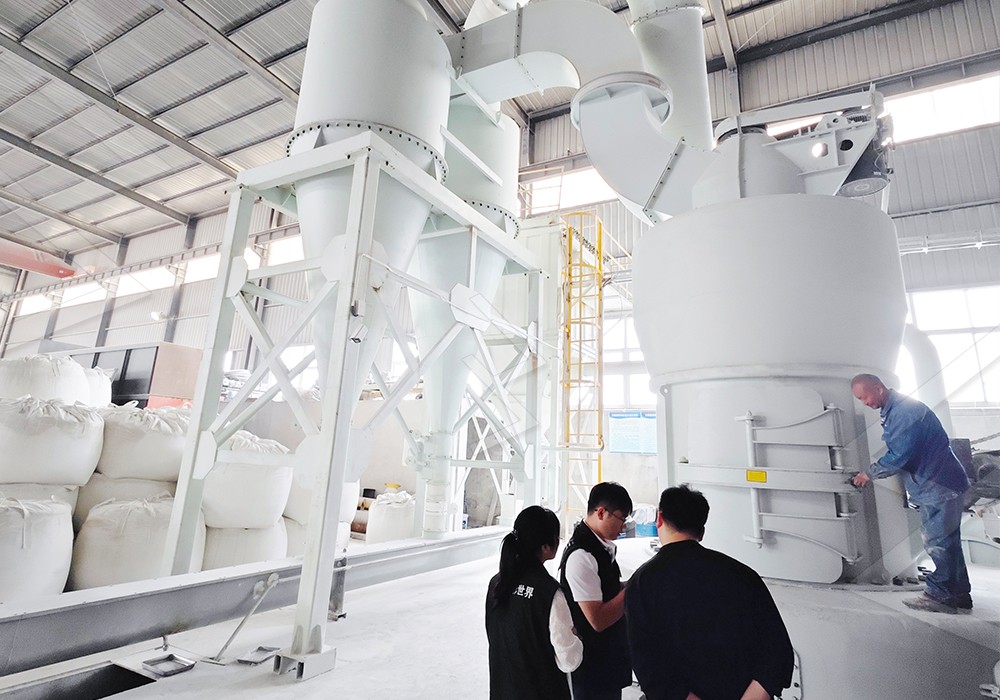
Critical Parameters in Cosmetic-Grade Talc Processing
Successful talc processing for cosmetics requires careful attention to several key parameters that directly impact product quality and performance:
Particle Size Distribution
The fineness of talc powder significantly influences the sensory properties of cosmetic products. Ultra-fine particles (typically between 325-2500 meshes) create smoother textures, better spreadability, and more natural coverage. Inconsistent particle size distribution can lead to product caking, uneven application, and reduced consumer satisfaction.
Whiteness and Purity
Cosmetic-grade talc must exhibit exceptional whiteness and minimal contamination. Iron content and other impurities can discolour finished products and potentially cause skin irritation. Advanced processing equipment with minimal metal-to-metal contact during grinding helps maintain the natural whiteness of talc.
Microbiological Safety
As talc is applied directly to skin, stringent microbiological standards must be maintained throughout processing. Closed-system grinding with effective dust control prevents external contamination while ensuring operator safety.
Advanced Pulverizing Technology for Superior Results
Traditional grinding methods often fall short in meeting the exacting requirements of modern cosmetic talc processing. Ball mills, while commonly used, typically produce broader particle size distributions and higher iron contamination due to mechanical wear. Jet mills offer improved fineness but consume substantially more energy and may struggle with consistent classification.
The evolution of grinding technology has introduced more sophisticated solutions specifically designed for ultra-fine powder production. Among these, the MW Ultrafine Grinding Mill represents a significant advancement for cosmetic talc processing in Malaysia. This innovative equipment addresses multiple challenges simultaneously through its engineered design:
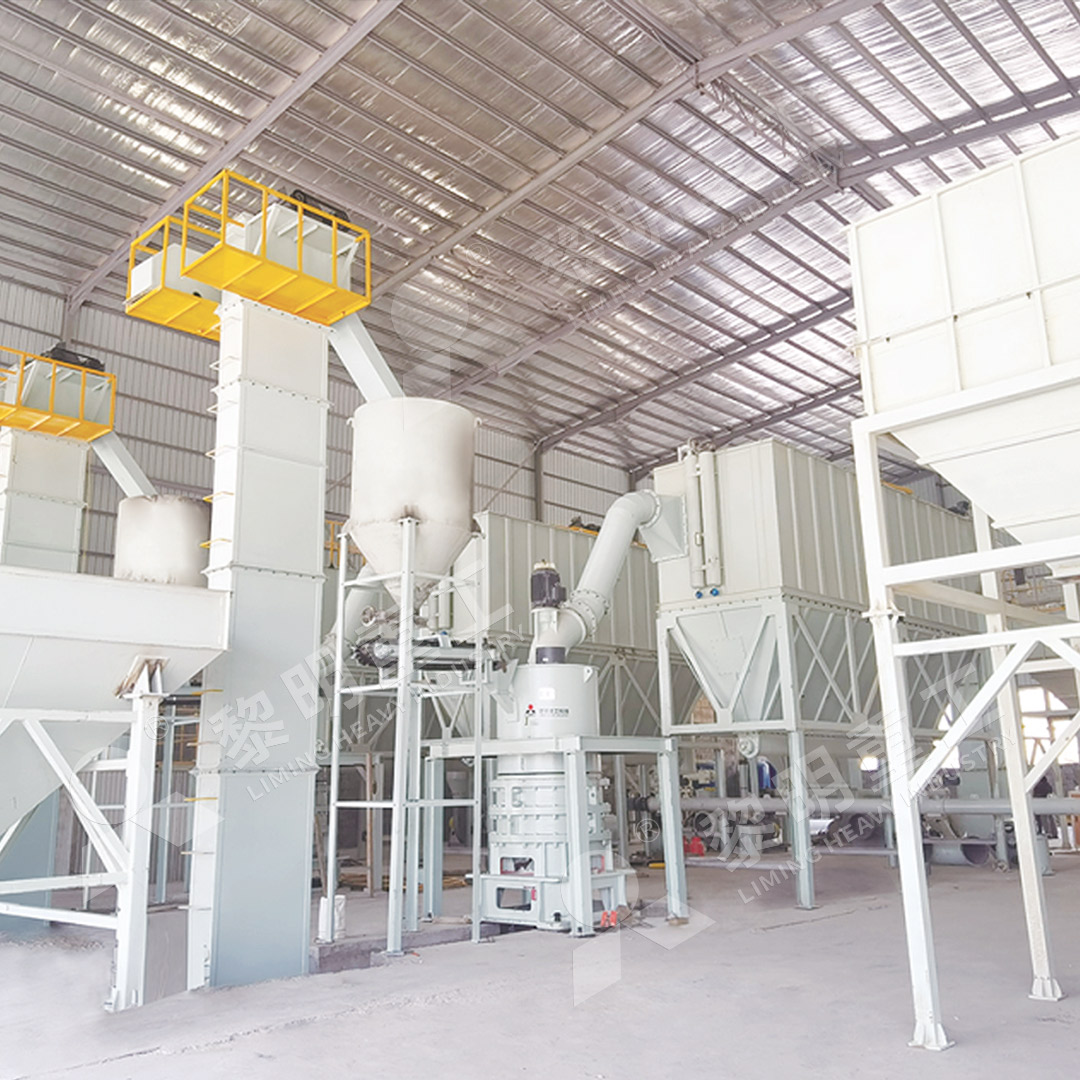
Key Advantages of Modern Grinding Systems
The MW Ultrafine Grinding Mill incorporates several features specifically beneficial for cosmetic talc processing:
- Higher Yielding with Lower Energy Consumption: Newly designed grinding curves of grinding roller and grinding ring enhance grinding efficiency significantly. With the same fineness and power, production capacity is 40% higher than jet grinding mills and twice as large as ball grinding mills, while system energy consumption is only 30% of jet grinding mills.
- Precise Fineness Control: The cage-type powder selector adopts German technology, effectively increasing powder separation precision. The product fineness can be adjusted between 325-2500 meshes, with screening rate achieving d97≤5μm once, perfect for premium cosmetic applications.
- Enhanced Reliability: With no rolling bearings or screws in the grinding chamber, users avoid concerns about bearing damage or loose screws causing machine failure. External lubrication allows continuous 24-hour operation without shutdowns.
- Environmental Compliance: Equipped with efficient pulse dust collectors and mufflers, the system operates without dust pollution and minimal noise, meeting Malaysia’s environmental protection standards.
Optimizing Talc Processing for Malaysian Market Requirements
Malaysia’s cosmetics industry operates within a specific regulatory framework and market environment that influences talc processing decisions. The National Pharmaceutical Regulatory Agency (NPRA) oversees cosmetic product safety, requiring manufacturers to implement Good Manufacturing Practices (GMP) throughout their operations.
Climate considerations also play a role in talc processing optimization. Malaysia’s high humidity levels necessitate careful moisture control during grinding and storage to prevent clumping and microbial growth. Advanced grinding systems with integrated drying capabilities provide distinct advantages in this environment.
For manufacturers seeking to upgrade their talc processing capabilities, the LUM Ultrafine Vertical Grinding Mill offers another excellent option, particularly for operations requiring exceptional product whiteness. This mill features unique roller shell and lining plate grinding curves that generate material layers more easily, enabling high rates of finished products through single-pass powder milling. The result is significantly enhanced whiteness and cleanliness—critical attributes for premium cosmetic talc.
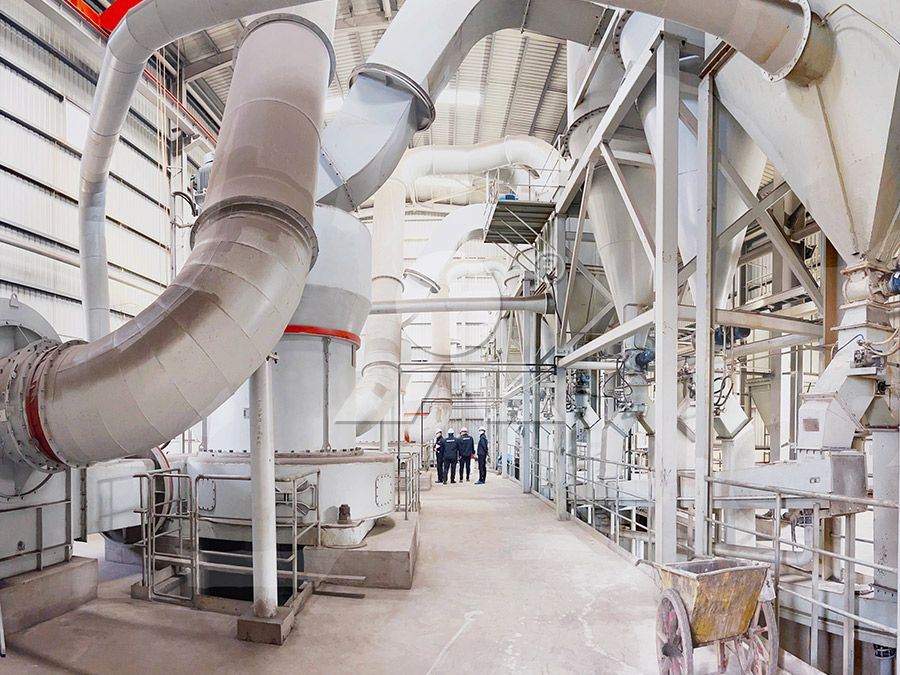
Implementation Strategy for Malaysian Cosmetics Manufacturers
Transitioning to advanced talc processing technology requires careful planning and execution. Malaysian manufacturers should consider these key steps:
- Comprehensive Material Testing: Conduct thorough analysis of raw talc sources to determine optimal processing parameters.
- Pilot-Scale Evaluation: Test specific grinding equipment with actual talc samples to verify performance claims.
- Infrastructure Assessment: Evaluate existing facilities for necessary modifications to accommodate new equipment.
- Operator Training: Ensure technical staff receive comprehensive training on equipment operation and maintenance.
- Quality Control Integration: Implement testing protocols to continuously monitor particle size, whiteness, and microbiological safety.
Economic Considerations and Return on Investment
While advanced grinding systems represent significant capital investment, the economic benefits often justify the expenditure through multiple channels:
- Reduced energy consumption (30-50% lower than conventional systems)
- Higher yield and production capacity
- Reduced maintenance costs and downtime
- Ability to command premium prices for superior quality products
- Compliance with regulatory standards avoiding potential penalties
Malaysian manufacturers implementing the MW Ultrafine Grinding Mill typically achieve return on investment within 18-24 months through these combined efficiencies and market advantages.
Future Trends in Cosmetic Talc Processing
The talc processing landscape continues to evolve, with several emerging trends likely to influence equipment selection and processing methodologies:
- Increased Automation: Digital control systems enabling precise parameter adjustment and remote monitoring
- Sustainability Focus: Equipment designs prioritizing energy efficiency and minimal environmental impact
- Hybrid Processing: Integration of multiple technologies to achieve specific particle characteristics
- Traceability Systems: Enhanced documentation and quality tracking throughout the processing chain
By adopting advanced grinding technologies like the MW Ultrafine Grinding Mill today, Malaysian cosmetics manufacturers position themselves to capitalize on these future developments while meeting current market demands for superior talc-based products.
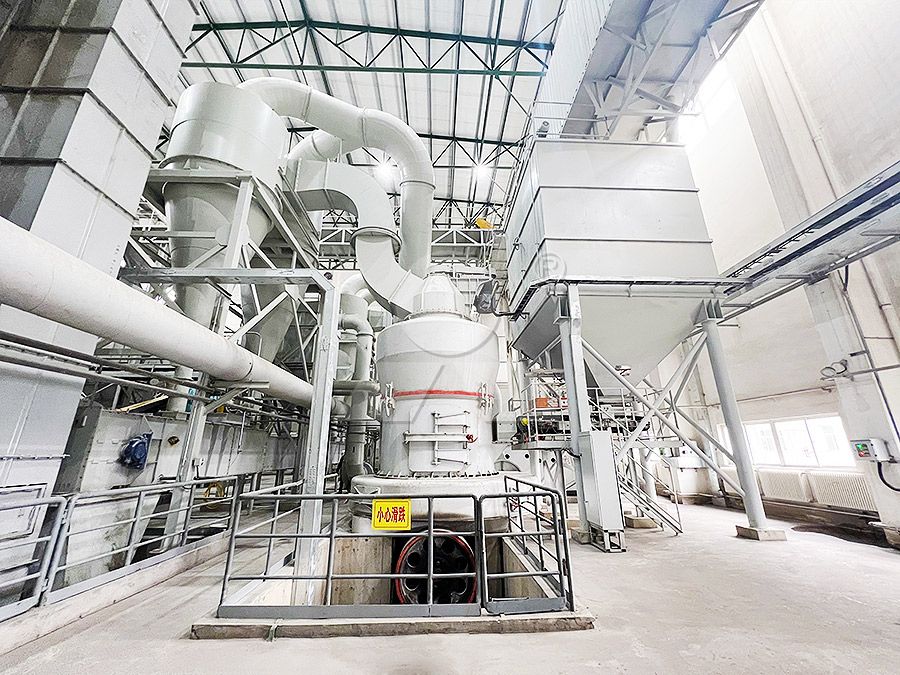
Conclusion
Optimizing talc processing for cosmetics in Malaysia requires a strategic approach combining appropriate technology selection, thorough process understanding, and commitment to quality standards. The MW Ultrafine Grinding Mill and LUM Ultrafine Vertical Grinding Mill represent cutting-edge solutions that address the specific challenges of cosmetic talc production, delivering the fine particle size, exceptional whiteness, and consistent quality demanded by discerning consumers and regulatory bodies alike.
As the Malaysian cosmetics industry continues to grow and evolve, manufacturers who invest in advanced processing technology will gain significant competitive advantages through superior product quality, operational efficiency, and market responsiveness.
Frequently Asked Questions
What is the typical production capacity of the MW Ultrafine Grinding Mill for talc processing?
The MW Ultrafine Grinding Mill offers capacities ranging from 0.5 to 25 tons per hour, depending on the desired fineness and specific talc characteristics. Most cosmetic applications operate in the 2-8 tph range for optimal quality control.
How does advanced grinding technology improve talc whiteness?
Modern grinding systems minimize metal-to-metal contact and incorporate special grinding curves that reduce mechanical impact, thereby limiting iron contamination and preserving the natural whiteness of talc. The LUM Ultrafine Vertical Grinding Mill particularly excels in this aspect.
What particle size range is suitable for cosmetic applications?
Most cosmetic talc applications require particles between 325 to 2500 meshes (approximately 45 to 5 microns). Face powders typically target the finer end of this range (800-2500 meshes) for optimal texture and coverage.
Can the same equipment process different mineral types?
Yes, the MW Ultrafine Grinding Mill is designed to process various non-metallic minerals including limestone, calcite, dolomite, and barite, making it versatile for manufacturers producing multiple mineral-based cosmetic products.
How significant are energy savings with modern grinding systems?
Advanced systems like the MW Ultrafine Grinding Mill typically reduce energy consumption by 30-50% compared to conventional jet mills and ball mills, representing substantial operational cost savings over time.
What maintenance requirements should manufacturers anticipate?
The MW Ultrafine Grinding Mill features a design without rolling bearings or screws in the grinding chamber, significantly reducing maintenance needs. External lubrication systems enable continuous operation with minimal downtime for maintenance.
How does Malaysian humidity affect talc processing?
High humidity can lead to material clumping and potential microbial growth. Advanced grinding systems with controlled environments and optional drying capabilities effectively address these challenges.
What technical support is available for Malaysian manufacturers?
Equipment suppliers typically provide comprehensive technical support including installation supervision, operator training, troubleshooting assistance, and readily available spare parts to ensure uninterrupted operation.