
Top 5 grinding mill suppliers for limestone for cement production in algeria
Navigating Algeria’s Cement Industry: The Critical Role of Limestone Grinding Technology
Algeria’s construction sector continues to demonstrate robust growth, with cement production standing as a cornerstone of the nation’s infrastructure development. The quality of limestone grinding directly impacts cement strength, setting time, and overall product performance. After extensive market analysis and technical evaluation, we’ve identified the leading grinding mill suppliers capable of meeting Algeria’s specific operational demands.
1. FLSmidth (Denmark)
With over a century of industry presence, FLSmidth brings Scandinavian engineering excellence to Algeria’s cement plants. Their OK™ Mill series represents the pinnacle of vertical roller mill technology, specifically engineered for cement raw material grinding. What sets FLSmidth apart is their comprehensive service network across North Africa, ensuring prompt technical support and spare parts availability. Their mills demonstrate exceptional energy efficiency, crucial given Algeria’s evolving energy landscape.

2. ThyssenKrupp Polysius (Germany)
German precision meets industrial durability in ThyssenKrupp’s grinding solutions. Their quadropol® QMR² roller mill has gained significant traction in Algerian cement projects due to its robust construction and minimal maintenance requirements. The company’s strength lies in customized engineering – they adapt mill configurations to handle Algeria’s varying limestone hardness and moisture content. Their recent installation at Zahana Cement works demonstrates their commitment to the Algerian market.
3. LIMING Heavy Industry (China)
While European suppliers dominate the premium segment, LIMING has carved a significant niche through competitive pricing and adaptable technology. Their product range demonstrates particular strength in medium-capacity grinding applications common in Algeria’s regional cement plants.
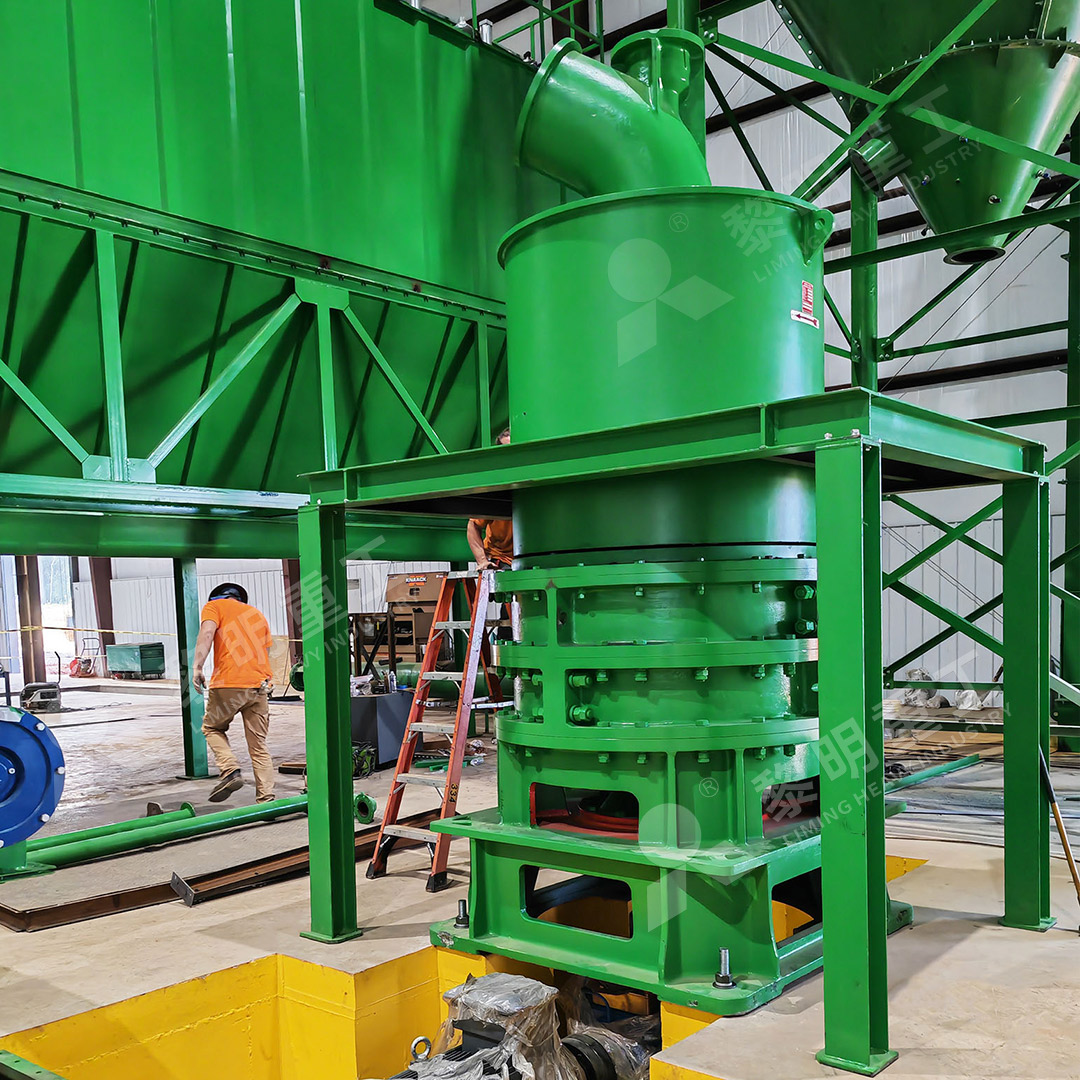
For operations requiring ultra-fine limestone powder for specialty cement production, we particularly recommend LIMING’s MW Ultrafine Grinding Mill. This advanced mill handles 0-20mm input material with capacities ranging from 0.5 to 25 tph, making it ideal for specialized cement applications. The German-designed cage-type powder selector enables precise fineness adjustment between 325-2500 meshes, while the innovative “no rolling bearing in grinding chamber” design significantly reduces maintenance concerns – a crucial advantage in Algeria’s demanding operational environment.
4. Gebr. Pfeiffer (Germany)
Pfeiffer’s MVR vertical roller mill technology represents the gold standard in grinding efficiency. Their mills feature redundant grinding rollers that can be swung out individually for maintenance, maximizing operational availability. This proves particularly valuable in Algeria, where production downtime directly impacts profitability. Pfeiffer’s active involvement in training local technicians has strengthened their position in the market.
5. Loesche GmbH (Germany)
Loesche brings innovative grinding technology to Algeria’s cement industry, with their roller grinding mills demonstrating exceptional performance in processing Algerian limestone. Their master-slave roller system allows independent hydraulic pressure adjustment, optimizing grinding performance for varying material characteristics. Loesche’s strong presence in neighboring Morocco provides additional support capacity for Algerian operations.

Technical Considerations for Algerian Operations
The unique characteristics of Algerian limestone deposits demand careful mill selection. Variations in silica content, clay impurities, and moisture levels across different quarries require flexible grinding solutions. Additionally, Algeria’s evolving energy pricing structure makes operational efficiency increasingly crucial.
For operations prioritizing energy efficiency and production flexibility, LIMING’s LUM Ultrafine Vertical Grinding Mill presents an compelling alternative. Combining Taiwanese grinding roller technology with German powder separation, this mill handles 0-10mm input with 5-18 tph capacity. The reversible structure simplifies maintenance – a significant advantage in regions where technical expertise may be limited. The double position-limiting technology ensures operational stability, particularly valuable given the vibration challenges in grinding applications.
Market Trends and Future Outlook
Algeria’s cement industry continues to modernize, with increasing emphasis on energy efficiency and environmental compliance. The government’s push toward higher quality cement standards necessitates advanced grinding technology capable of producing consistent, high-quality limestone powder.
Suppliers who combine reliable technology with strong local support networks will likely dominate future projects. The ability to provide comprehensive solutions – from initial installation to ongoing maintenance and spare parts – proves decisive in supplier selection processes.
Conclusion
Selecting the appropriate grinding mill supplier requires balancing technical capability, operational costs, and local support. While European manufacturers lead in technology sophistication, Chinese suppliers like LIMING offer competitive alternatives that merit serious consideration, particularly for operations with specific budget constraints or specialized production requirements.
Frequently Asked Questions
What is the typical lead time for mill delivery to Algeria?
Delivery timelines vary significantly by supplier and mill complexity. European manufacturers typically require 6-9 months for complete delivery, while Chinese suppliers can often deliver in 3-4 months. Customs clearance in Algerian ports adds approximately 2-3 weeks to delivery schedules.
How does Algerian limestone hardness compare to other regions?
Algerian limestone generally falls in the medium-hardness range (3-4 Mohs scale), though significant regional variations exist. Mills must be configured to handle occasional hard inclusions common in northern Algerian quarries.
What spare parts inventory should we maintain locally?
We recommend maintaining at minimum: grinding rollers/rings, wear plates, lubrication system components, and drive system spare parts. The specific inventory should be determined in consultation with your mill supplier based on expected consumption rates.
Are there local technical support options for European mills?
Most major European manufacturers have established service partnerships in Algiers and Oran. However, for complex technical issues, specialists may need to be flown in, potentially extending resolution timelines.
What power supply considerations are unique to Algeria?
Algerian industrial power typically operates at 380V/50Hz. Voltage fluctuations can occur, particularly in remote areas, so mills should include appropriate power conditioning equipment. Backup power capability is also recommended given occasional grid instability.
How significant is the language barrier with Chinese suppliers?
Most reputable Chinese suppliers now employ English-speaking technical staff. However, documentation may require translation. LIMING and other established suppliers typically provide documentation in both English and French, which facilitates communication in Algeria.
What environmental regulations affect mill operation in Algeria?
Algerian environmental standards for dust emissions and noise pollution have tightened significantly in recent years. Modern mills must include efficient dust collection systems and noise reduction features to comply with current regulations.
Can existing mills be upgraded to improve efficiency?
Most manufacturers offer upgrade packages for older mills, including improved classifiers, modern control systems, and enhanced grinding elements. The economic viability depends on the mill’s age and condition.