
How to optimize dolomite processing with industrial pulverizer for ceramics raw material in australia
How to Optimize Dolomite Processing with Industrial Pulverizer for Ceramics Raw Material in Australia
The Australian ceramics industry faces unique challenges in raw material processing, particularly when working with dolomite – a crucial component for many ceramic formulations. Achieving the optimal particle size distribution while maintaining energy efficiency and environmental compliance requires specialized grinding technology. This article explores advanced strategies for dolomite processing specifically tailored to Australian manufacturers.
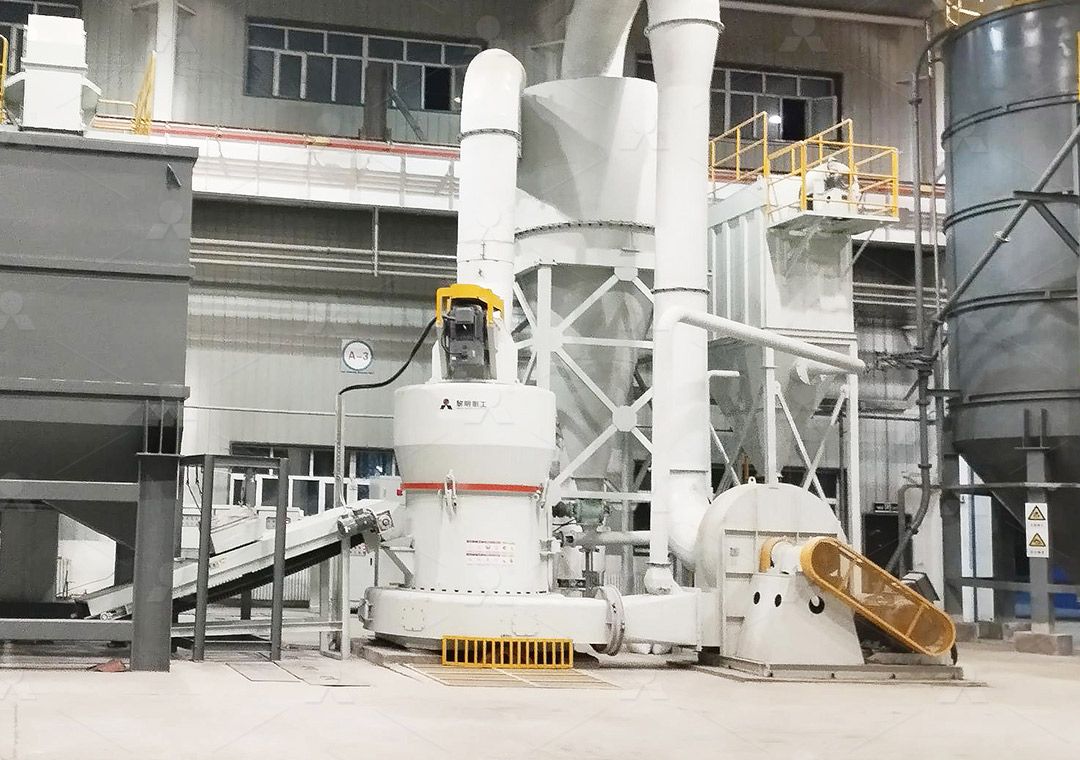
The Critical Role of Dolomite in Ceramics Production
Dolomite serves as both a flux and stabilizer in ceramic bodies and glazes, helping to control thermal expansion and improve mechanical strength. However, its effectiveness depends heavily on particle size consistency and purity. Australian dolomite deposits, while abundant, present processing challenges due to variations in hardness and mineral composition across different mining regions.
Traditional grinding methods often fall short in delivering the precise fineness control required for high-quality ceramics. Ball mills, while common, typically produce broader particle size distributions and higher iron contamination – both detrimental to ceramic quality. The industry’s shift toward ultrafine processing has revealed the limitations of conventional equipment.
Advanced Pulverization Technology for Superior Results
Modern industrial pulverizers address these challenges through innovative engineering solutions. The MW Ultrafine Grinding Mill represents a significant advancement in dolomite processing technology. With an input size capacity of 0-20 mm and throughput ranging from 0.5 to 25 tph, this system is ideally suited for Australian ceramics operations of varying scales.
What sets the MW Ultrafine Grinding Mill apart is its ability to produce powders between 325-2500 meshes with exceptional precision. The German-designed cage-type powder selector ensures consistent particle distribution, crucial for ceramic applications where uniformity directly impacts product quality. For manufacturers seeking to produce specialty ceramics with specific surface area requirements, this level of control is indispensable.
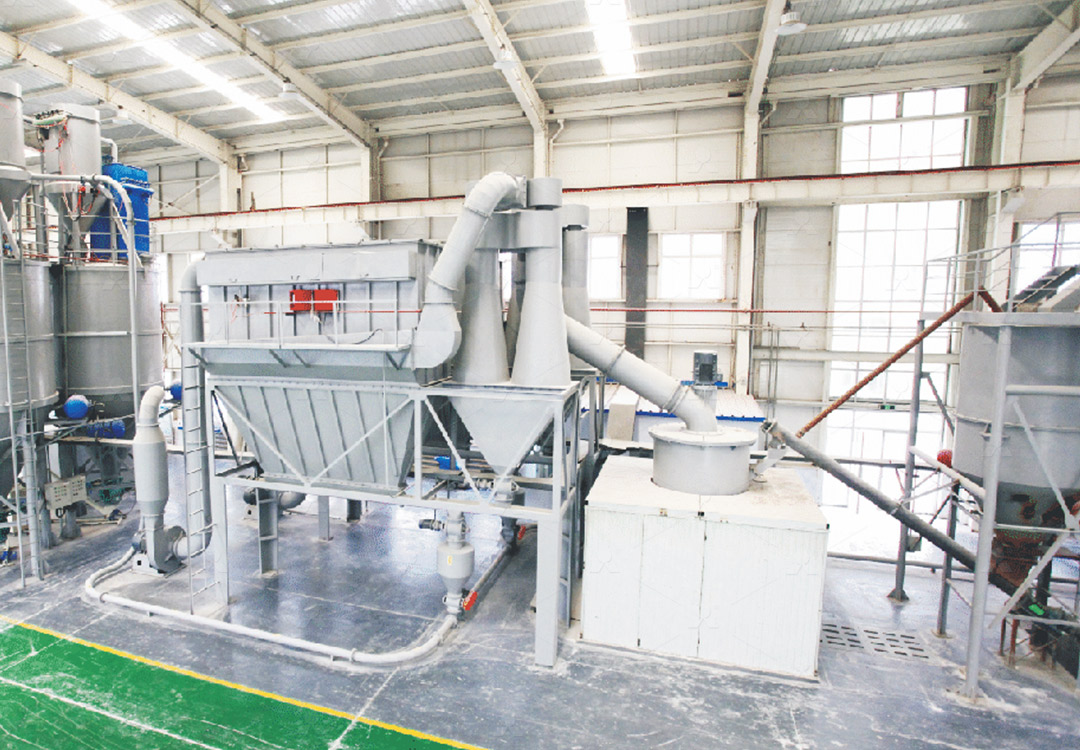
Energy Efficiency and Environmental Considerations
Australian manufacturers operate under stringent environmental regulations and face high energy costs. The MW Ultrafine Grinding Mill addresses both concerns simultaneously. Independent testing confirms energy consumption reductions of up to 30% compared to jet grinding mills, while production capacity increases by 40% under identical fineness and power conditions.
The integrated pulse dust collector and muffler system ensures compliance with Australia’s environmental standards. During extensive field testing, the system demonstrated negligible dust emissions and significantly reduced noise levels – critical factors for operations near residential areas or in environmentally sensitive regions.
Technical Innovations for Reliability
The absence of rolling bearings and screws in the grinding chamber represents a breakthrough in maintenance reduction. Australian operators have reported substantially lower downtime since eliminating concerns about bearing damage or loose screws causing machine failure. The external lubrication system enables continuous 24-hour operation, a vital feature for meeting production targets in competitive markets.
For operations requiring even higher throughput with slightly different configuration, the LUM Ultrafine Vertical Grinding Mill offers complementary capabilities. With input size of 0-10 mm and capacity of 5-18 tph, it incorporates Taiwanese grinding roller technology and German powder separating technology for exceptional performance in dolomite processing.
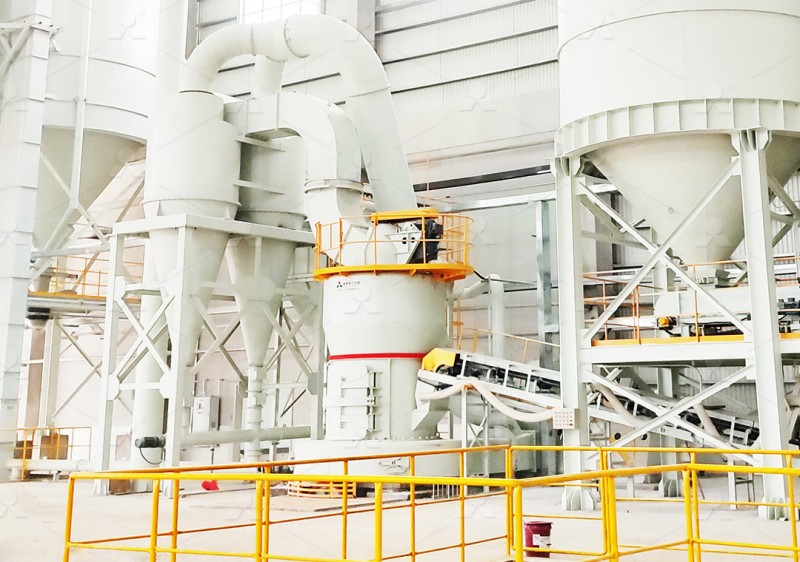
Implementation Strategy for Australian Manufacturers
Successful integration of advanced pulverization technology requires careful planning. We recommend a phased approach beginning with material testing to determine optimal grinding parameters. Most Australian dolomite samples achieve optimal results at grinding pressures between 8-12 MPa and separator speeds of 150-300 rpm, though site-specific adjustments are often necessary.
Maintenance planning should leverage the digital monitoring capabilities built into modern systems. The numerical control systems provide real-time data on wear patterns and performance metrics, enabling predictive maintenance that aligns with production schedules.
Economic Advantages in the Australian Context
The return on investment for advanced pulverization technology extends beyond energy savings. Australian ceramics manufacturers report 15-25% reductions in overall production costs due to decreased maintenance requirements, reduced waste, and higher product quality commanding premium prices in export markets.
The MW Ultrafine Grinding Mill’s higher yield and lower energy consumption directly address the cost pressures facing Australian manufacturers. The system’s ability to process 0.5-25 tph makes it scalable for both established operations and growing enterprises looking to expand their market presence.
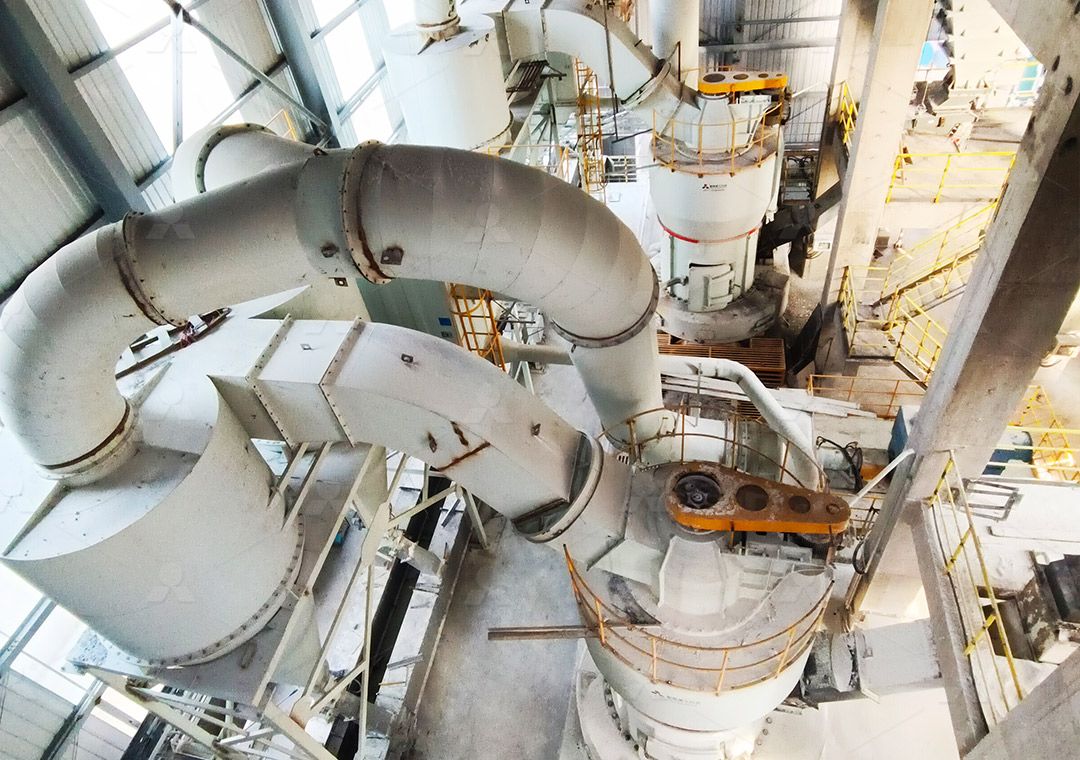
Future Trends and Adaptability
As the ceramics industry evolves toward more sophisticated products, processing equipment must adapt accordingly. The adjustable fineness of the MW Ultrafine Grinding Mill positions Australian manufacturers to meet changing market demands without capital-intensive equipment upgrades.
The integration of Industry 4.0 compatibility in newer models allows for seamless data collection and process optimization – features that align with Australia’s push toward smart manufacturing. Remote monitoring capabilities are particularly valuable for operations in remote mining regions where technical expertise may be limited on-site.
Conclusion
Optimizing dolomite processing for ceramics applications requires a holistic approach that balances technical performance, economic viability, and environmental responsibility. The MW Ultrafine Grinding Mill represents the current pinnacle of this balance, offering Australian manufacturers a competitive edge through superior powder quality, reduced operating costs, and compliance with regulatory standards.
By embracing these advanced pulverization technologies, the Australian ceramics industry can strengthen its position in both domestic and international markets while building a more sustainable manufacturing foundation for future growth.
Frequently Asked Questions
What is the optimal fineness for dolomite in ceramic applications?
Most ceramic applications require dolomite powder between 400-800 meshes, though specific requirements vary by product type. The MW Ultrafine Grinding Mill’s adjustable fineness from 325-2500 meshes covers all common ceramic applications.
How does the MW Ultrafine Grinding Mill handle variations in Australian dolomite hardness?
The hydraulic adjustment system automatically compensates for hardness variations by regulating grinding pressure, ensuring consistent output quality regardless of feed material fluctuations.
What maintenance requirements should Australian operators expect?
Routine maintenance primarily involves external lubrication and periodic inspection of grinding elements. The absence of internal bearings and screws significantly reduces maintenance complexity and frequency.
Can the system integrate with existing ceramic production lines?
Yes, the MW Ultrafine Grinding Mill is designed for seamless integration with both new and existing production facilities, with flexible configuration options to match specific layout requirements.
What energy savings can typically be achieved compared to traditional ball mills?
Documented cases show energy consumption reductions of 30-40% compared to ball mills, with additional savings from reduced maintenance downtime and higher production efficiency.
How does the system address dust control in compliance with Australian standards?
The integrated pulse dust collector maintains dust emissions well below Australian regulatory thresholds, typically achieving collection efficiency exceeding 99.8%.
What is the typical lifespan of wear parts in dolomite grinding applications?
With proper maintenance, grinding rollers and rings typically last 3,000-5,000 operating hours in dolomite applications, though this varies with material abrasiveness and operating conditions.
Does the equipment require special foundations or structural support?
The compact design requires minimal structural modifications. Our engineering team provides specific foundation requirements based on your facility’s characteristics during the planning phase.